Are you struggling with plants that just won’t thrive, no matter how much you care for them? The secret might be lying beneath the surface, literally.
Compacted soil can be a silent enemy, stifling root growth and preventing your plants from flourishing. But don’t worry—there’s a solution. By learning how to properly aerate compacted soil, you can give your plant roots the space they need to grow strong and healthy.
Imagine lush, vibrant gardens and robust plants that make you proud every time you look at them. Intrigued? Stick around as we delve into the simple yet effective techniques to transform your compacted soil into a fertile haven for root growth. Your garden will thank you!
Signs Of Soil Compaction
Soil compaction makes it hard for roots to grow well. It affects water, air, and nutrients in the soil.
Look for these signs to know if your soil is compacted. They help you decide if aeration is needed.
Poor Drainage
Compacted soil slows water movement. Water stays on the surface or pools in low spots.
- Water takes a long time to soak in.
- After rain, soil stays wet and muddy.
- Plants may show yellow leaves from water stress.
Stunted Plant Growth
Roots cannot spread in hard soil. This limits plant size and health.
| Symptom | Cause |
| Small leaves | Limited root growth |
| Slow growth | Poor nutrient absorption |
| Weak stems | Low oxygen in soil |
Hard Soil Surface
The top of the soil feels very firm and crusted. It is hard to dig or poke with a tool.
Check soil hardness by pressing with your finger or a stick:
- If it feels like concrete, the soil is compacted.
- Roots will struggle to break through this layer.
- Aeration can help loosen this hard surface.

Credit: www.greenthumb.co.uk
Benefits Of Aerating Soil
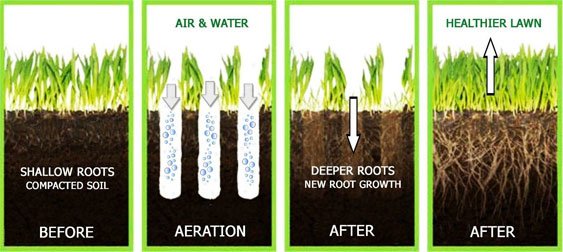
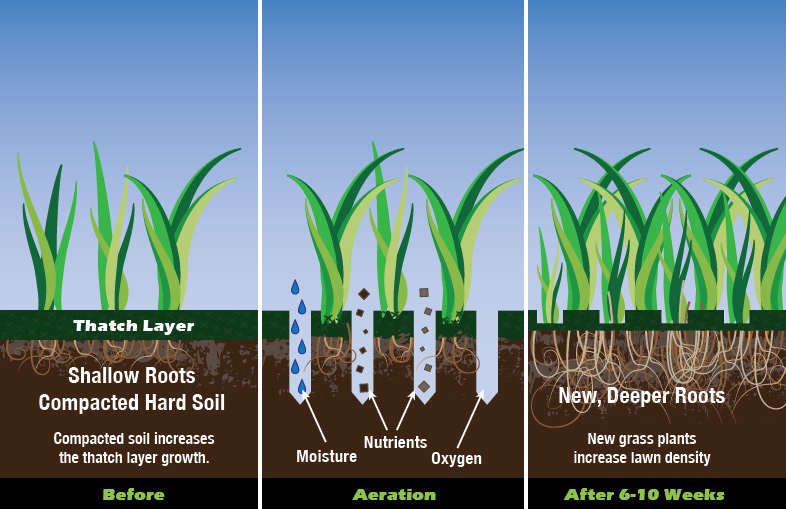
Aerating soil helps improve plant health by fixing compacted ground. It creates space for roots to grow and access air.
Good soil aeration supports stronger plants and better crop yields. It changes how roots take in water and nutrients.
Improved Root Penetration
Aerated soil lets roots move deeper and spread out. This helps plants anchor firmly and reach more resources.
Compacted soil blocks roots and slows growth. Aeration breaks up hard layers to remove this barrier.
Enhanced Nutrient Uptake
Roots absorb nutrients better in loose soil. Aeration increases soil contact with roots and boosts nutrient flow.
- Increases oxygen in soil for root respiration
- Improves microbial activity that releases nutrients
- Reduces nutrient runoff by holding soil structure
Better Water Absorption
Aerated soil holds water well and drains excess moisture. This balance helps roots get enough water without drowning.
| Effect | Before Aeration | After Aeration |
| Water Penetration | Slow, uneven | Fast, even |
| Soil Drainage | Poor, pools form | Good, water flows |
| Root Water Access | Limited | Improved |
Tools For Soil Aeration
Soil aeration helps roots grow by improving air and water flow. Using the right tools makes aeration easier and more effective.
Different tools work for different soil types and lawn sizes. Some tools need manual effort while others use machines.
Manual Aerators
Manual aerators are simple tools that you operate by hand. They work well for small lawns or garden beds.
- Spike aerators have solid tines that poke holes in the soil.
- Core aerators pull out plugs of soil to reduce compaction.
- Manual aerators are affordable and easy to use.
- They need physical effort and take more time on large areas.
Mechanical Aerators
Mechanical aerators use engines or motors to speed up aeration. They are ideal for large lawns or heavy soil.
- Walk-behind aerators have tines that either spike or core the soil.
- Ride-on aerators cover more ground quickly with less effort.
- They cost more but save time and energy.
- Mechanical aerators work best on compacted, thick soil.
Spike Vs. Core Aerators
| Type | Method | Benefits | Drawbacks |
| Spike Aerator | Pokes holes using solid spikes | Easy to use and affordable | Can increase soil compaction around holes |
| Core Aerator | Removes plugs of soil | Reduces compaction better and improves root growth | More effort needed and plugs must be cleaned up |
Choosing the right aerator depends on your soil type and lawn size. Core aerators are better for heavy clay soils. Spike aerators work well on sandy soils.
Credit: www.ageas.co.uk
Step-by-step Aeration Process
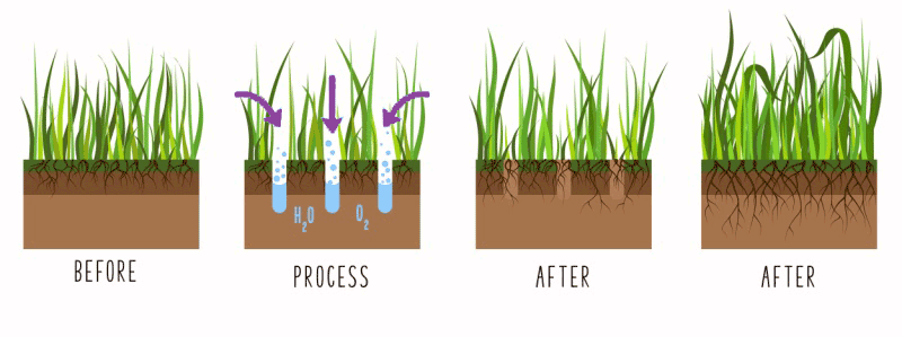
Aerating soil helps roots grow strong by letting air, water, and nutrients reach them. Compacted soil stops roots from spreading well.
This guide shows how to aerate soil in simple steps. Follow these steps for better root growth and healthier plants.
Prepare The Soil
Start by removing debris like leaves, sticks, and rocks from the soil surface. Clear soil helps tools work better.
Water the soil a day before aerating. Moist soil is easier to penetrate but not muddy or soggy.
Choose The Right Time
Aerate soil during the growing season when grass or plants are active. This helps roots recover quickly.
Early spring or early fall are good times. Avoid aerating during very hot or dry weather.
Use The Aeration Tool Properly
Choose the right tool: a spike aerator or a core aerator. Core aerators remove small soil plugs and work best for compacted soil.
Push or roll the aerator evenly over the soil surface. Make multiple passes in different directions for full coverage.
- Use a core aerator for heavy compaction.
- Use a spike aerator for light compaction.
- Cover the entire area for best results.
Post-aeration Care
Leave soil plugs on the ground to break down naturally. They improve soil texture over time.
Water the area well after aeration. This helps roots absorb moisture and nutrients faster.
- Apply fertilizer to feed the roots.
- Avoid heavy traffic on soil for a few days.
- Keep soil moist but not soggy.
Natural Methods To Loosen Soil
Compacted soil stops roots from growing well. Natural ways help air and water reach plant roots. These methods improve soil health without chemicals.
Using natural techniques keeps your garden safe and healthy. It also helps plants grow stronger by giving roots more space.
Adding Organic Matter
Adding organic matter like compost or mulch softens compacted soil. It improves soil texture and adds nutrients. Organic matter encourages earthworms and microbes that break up soil.
- Spread compost on soil surface each fall or spring
- Use aged manure to enrich the soil
- Apply leaf mold or grass clippings as mulch
- Mix organic matter gently into topsoil
Planting Cover Crops
Cover crops grow roots that loosen soil naturally. They protect soil from erosion and add nutrients when turned under. Legume cover crops add nitrogen, improving soil fertility.
| Cover Crop | Benefit | Root Type |
| Clovers | Add nitrogen | Fibrous |
| Ryegrass | Prevent erosion | Dense fibrous |
| Radishes | Break compacted layers | Deep taproot |
Using Soil Amendments
Soil amendments improve soil structure and drainage. Natural options like gypsum or biochar help break up clay soils and increase porosity. Amendments make soil easier for roots to grow.
- Gypsum loosens heavy clay soil
- Biochar improves water retention and aeration
- Sand mixed with clay soil helps drainage
- Vermiculite adds air pockets in soil
Credit: keymanlawncare.com
Preventing Future Soil Compaction
Soil compaction reduces air and water flow to plant roots. It stops roots from growing deep and strong. Preventing compaction helps plants stay healthy.
Using simple methods can keep soil loose. This allows roots to get enough oxygen and moisture. Here are ways to avoid soil compaction in your garden.
Avoid Heavy Traffic
Walking or driving on wet soil makes it compact quickly. Keep heavy tools and machines off soft soil. Use paths or boards to spread weight if you must cross the area.
- Stay off lawn and garden when soil is wet
- Create designated walkways to protect soil
- Use garden mats or boards to reduce pressure
- Limit heavy machinery use in planting areas
Regular Aeration Schedule
Aeration loosens soil and improves root growth. It helps air, water, and nutrients reach deeper layers. Aerate your soil regularly to keep it healthy.
| Season | Best Time to Aerate |
|---|---|
| Spring | After soil thaws and dries slightly |
| Fall | Before first frost |
Follow this schedule to avoid damaging roots. Use proper tools like garden forks or aerators for best results.
Proper Watering Techniques
Watering affects soil moisture and compaction. Overwatering makes soil soft and easy to compact. Too little water makes soil hard and cracked.
- Water deeply but less often to encourage strong roots
- Water early in the morning to reduce evaporation
- Use drip irrigation or soaker hoses to limit surface water
- Check soil moisture before watering to avoid excess
Frequently Asked Questions
What Is Soil Aeration And Why Is It Important?
Soil aeration improves air, water, and nutrient flow to roots. It reduces soil compaction, promoting healthy root growth and plant development. Aeration helps roots access oxygen and essential minerals, enhancing overall plant health and resilience.
How Do I Know If My Soil Is Compacted?
Compacted soil feels hard and resists digging. Water may pool on the surface or drain poorly. Plants may show stunted growth or yellowing leaves due to limited root expansion.
What Tools Are Best For Aerating Compacted Soil?
Core aerators and spike aerators are effective. Core aerators remove soil plugs, improving airflow and drainage. Spike aerators create holes without removing soil. Choose based on soil type and garden size.
When Is The Best Time To Aerate Soil?
Early spring or fall is ideal for aeration. Soil should be moist but not waterlogged. Aerating during these times supports root growth and prepares plants for seasonal changes.
Conclusion
Healthy roots need loose, well-aerated soil. Compact soil blocks air and water, hurting plant growth. Aerating breaks up hard soil, letting roots breathe and grow. Use simple tools like a garden fork or aerator shoes. Regular aeration keeps soil soft and full of life.
Watch your plants thrive with better root health. Small efforts bring big garden rewards. Keep your soil happy, and your plants will show it.