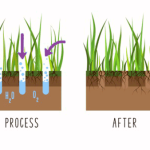
If you’ve ever struggled with sandy soil that just won’t hold water or nutrients, you know how frustrating it can be. Aerating your sandy soil is the key to transforming it into a healthy, thriving base for your plants.
But how do you do it efficiently without wasting time or effort? You’ll discover simple, effective techniques that will help your soil breathe better and boost your garden’s growth. Keep reading to unlock the secrets to making your sandy soil work for you—your plants will thank you!

Credit: 1stproducts.com
Benefits Of Aerating Sandy Soil
Aerating sandy soil helps improve its structure. It makes the soil better for plants.
This process allows air, water, and nutrients to reach plant roots more easily. It supports healthy growth.
Improved Water Drainage
Sandy soil drains water quickly but can also lose too much water fast. Aeration creates spaces that help water move well.
- Prevents water from pooling on the surface
- Allows water to reach deeper roots
- Reduces soil erosion caused by heavy rain
- Helps maintain moisture for a longer time
Enhanced Root Growth
Aeration loosens compact soil so roots can spread easily. Healthy roots grow stronger and support plants better.
| Effect | Benefit |
|---|---|
| Better Soil Structure | Roots find space to expand |
| More Oxygen | Roots breathe well and stay healthy |
| Less Soil Compaction | Improves nutrient and water uptake |
Increased Nutrient Absorption
Aerated sandy soil helps plants absorb nutrients better. It allows fertilizers and natural minerals to reach roots easily.
- Improves fertilizer effectiveness
- Encourages beneficial soil organisms
- Supports balanced soil pH
- Boosts plant health and growth

Credit: www.amazon.ca
Signs Sandy Soil Needs Aeration
Sandy soil often looks loose but it can still become compacted. Compacted soil stops air, water, and roots from moving freely. This hurts plant health.
Aeration helps loosen soil and improve its condition. Watch for signs that show sandy soil needs aeration.
Soil Compaction Indicators
Compacted sandy soil feels hard when you press it. It may look crusted or cracked on the surface. This means the soil particles are packed tightly.
Plants have a hard time growing in compacted soil because roots cannot spread well. You might also notice water puddles on the surface after rain.
- Soil feels hard and dense
- Surface crusts or cracks
- Water pools on top instead of soaking in
- Roots stay shallow and do not grow deep
Poor Water Retention
Sandy soil drains water quickly but can dry out fast. If water runs off and does not soak in, plants do not get enough moisture.
When soil loses water too fast, it needs aeration to improve water holding. Aerated soil holds moisture longer and lets roots drink better.
- Water drains too fast after watering
- Soil surface stays dry even after rain
- Plants wilt quickly on sunny days
Stunted Plant Growth
Plants growing in compacted sandy soil may look small and weak. They often have yellow leaves and fewer flowers or fruits.
Roots cannot grow deep in hard soil. This stops plants from getting nutrients and water needed for healthy growth.
- Plants are smaller than usual
- Leaves turn yellow or pale
- Few flowers or fruits develop
- Roots are short and thin
Best Tools For Aerating Sandy Soil
Aerating sandy soil helps improve water drainage and root growth. Using the right tools makes the job easier and more effective.
This guide covers manual aerators, mechanical aerators, and how to choose the right tool for your needs.
Manual Aerators
Manual aerators are simple tools that you operate by hand. They work well for small areas or gardens with sandy soil.
- Garden forks: Use to poke holes and loosen soil.
- Spike aerators: Have solid spikes that penetrate the soil.
- Core aerators: Remove small plugs of soil to create space for air.
Mechanical Aerators
Mechanical aerators are powered tools that cover larger areas quickly. They work best for sandy soil in lawns or bigger gardens.
| Type | Description | Best Use |
| Gas-powered aerator | Uses an engine to drive spikes or cores into soil | Large lawns, fast aeration |
| Electric aerator | Runs on electricity, quieter and lighter | Medium-sized areas, easy handling |
| Tow-behind aerator | Attached to a lawn tractor | Very large spaces, professional use |
Choosing The Right Tool
Select a tool based on your soil type, garden size, and physical ability. Sandy soil needs less aggressive aeration than clay soil.
- For small gardens, use manual tools like garden forks or spike aerators.
- For medium areas, electric aerators offer good balance of power and ease.
- For large lawns, gas-powered or tow-behind aerators save time.
- Consider your strength; manual tools require more effort.
Step-by-step Aeration Process
Aerating sandy soil helps air, water, and nutrients reach plant roots. It improves soil health and plant growth. This guide shows you how to aerate sandy soil efficiently.
Follow these steps carefully to get the best results and keep your soil in good condition.
Preparing The Soil
Before aerating, clear the area of debris like sticks and stones. Mow the grass short to make aeration easier. Water the soil lightly one day before aeration to soften it without making it muddy.
- Remove leaves, sticks, and stones
- Mow grass to about 2 inches
- Water soil lightly the day before
- Check soil moisture by squeezing it
Using The Aerator Effectively
Choose the right aerator for sandy soil, like a spike or plug aerator. Move the aerator evenly across the soil to cover the whole area. Avoid staying too long in one spot to prevent damage.
- Pick a suitable aerator tool
- Start at one corner of the lawn
- Push or pull the aerator straight across
- Overlap passes slightly for full coverage
- Do not aerate if soil is too wet or dry
Post-aeration Care
After aeration, leave the soil plugs on the surface to break down naturally. Water the soil deeply to help roots absorb nutrients. Apply fertilizer if needed to boost growth. Avoid heavy foot traffic for a few days.
| Task | Details |
| Soil Plugs | Leave to decompose on the lawn |
| Watering | Deeply water within 24 hours |
| Fertilizing | Apply balanced fertilizer if soil is poor |
| Foot Traffic | Limit walking for 2-3 days |
Timing And Frequency For Aeration
Aerating sandy soil helps improve water flow and root growth. Doing it at the right time keeps your soil healthy.
You need to aerate sandy soil regularly but not too often. The timing depends on weather and soil condition.
Seasonal Considerations
Spring and fall are the best seasons to aerate sandy soil. The soil is moist and roots can recover quickly.
Avoid aeration during very hot or dry seasons. The soil may harden and damage roots if disturbed then.
- Spring: Soil warms and plants start growing
- Fall: Soil cools and plants prepare for winter
- Summer and winter: Usually too harsh for aeration
Signs To Re-aerate
Check your soil and lawn to know when to aerate again. Sandy soil may need aeration more often than clay soil.
Look for these signs that show your soil needs aeration:
- Poor water drainage or puddles after rain
- Grass roots look shallow or weak
- Soil feels hard or compacted to touch
- Grass growth slows or looks unhealthy
Common Mistakes To Avoid
Aerating sandy soil helps roots grow better and improves water flow. Many gardeners make mistakes that reduce these benefits.
Knowing what to avoid can save time and keep your soil healthy. Below are common errors to watch out for.
Over-aerating
Aerating too often or too deeply can damage soil structure. Sandy soil needs less aeration than clay soils.
Over-aeration can lead to:
- Loss of natural soil moisture
- Damage to beneficial microbes
- Unnecessary soil disturbance
Ignoring Soil Conditions
Not checking soil before aerating causes poor results. Each soil type needs different care.
| Soil Condition | Effect on Aeration | Tip |
| Dry Sandy Soil | May need watering first | Moisten soil before aerating |
| Compacted Sandy Soil | Requires deeper aeration | Use sharp tools for deep holes |
| Loose Sandy Soil | Light aeration only | Avoid heavy tools to prevent damage |
Neglecting Aftercare
Failing to care for soil after aeration reduces benefits. Proper aftercare helps soil recover and stay healthy.
- Water the soil lightly to settle it
- Apply mulch to keep moisture in
- Add organic matter to improve nutrients
Additional Tips For Healthy Sandy Soil
Sandy soil drains quickly but loses nutrients fast. It needs extra care to stay healthy.
Improving sandy soil helps plants grow strong. Use these tips to keep it rich and moist.
Adding Organic Matter
Organic matter improves sandy soil by holding water and nutrients. It also helps soil structure.
Use compost, peat moss, or aged manure. Spread a layer on the soil and mix it in well.
- Compost adds nutrients and microbes
- Peat moss holds moisture
- Aged manure enriches the soil
Proper Irrigation Techniques
Sandy soil dries out fast. Water plants deeply but less often to reach roots well.
Use drip irrigation or soaker hoses. These deliver water slowly and reduce waste.
- Water early in the morning or late evening
- Check soil moisture before watering again
- Avoid light, frequent watering
Fertilizer Recommendations
Sandy soil needs regular fertilizing because nutrients wash away fast. Use slow-release fertilizers.
Apply fertilizer in small amounts often. This keeps plants fed without overwhelming them.
- Use balanced NPK fertilizers (10-10-10)
- Apply organic fertilizers like fish emulsion or bone meal
- Follow label instructions carefully

Credit: kappslawn.com
Frequently Asked Questions
What Is The Best Method To Aerate Sandy Soil?
The best method is using a core aerator or garden fork. These tools create holes that improve air and water flow, boosting root growth and soil health in sandy soil.
How Often Should Sandy Soil Be Aerated?
Aerate sandy soil once or twice a year. This frequency helps maintain soil structure and nutrient absorption without over-disturbing the soil.
Can I Aerate Sandy Soil Without Tools?
Yes, you can aerate by hand using a garden fork or spike aerator. Manual methods work well for small areas and improve soil aeration effectively.
Why Is Aeration Important For Sandy Soil?
Aeration reduces compaction, enhances water drainage, and increases oxygen availability. This supports healthier plant roots and better nutrient uptake in sandy soil.
Conclusion
Aerating sandy soil can boost plant growth and health. Start with a garden fork. Loosen the soil gently. This allows more air and water to reach roots. Add organic matter like compost. It enriches the soil naturally. Regular aeration keeps the soil healthy.
This process supports stronger plants. Avoid compacting the soil by walking on it. Use mulch to retain moisture. Sandy soil, when properly aerated, becomes more productive. Your plants will thrive better. Keep maintaining your soil regularly. This ensures a vibrant garden.
Happy gardening!