Ever wonder why your garden isn’t thriving as it should? The secret might be right under your feet.
Proper soil aeration is crucial for healthy plant growth and optimal water drainage. Without it, your plants could be struggling more than you realize. If you’re tired of seeing pools of water after every rain or noticing that your plants aren’t quite as vibrant as you hoped, it’s time to look deeper.
Aerating your soil could be the solution you’ve been searching for. Stick with us, and you’ll discover simple, effective ways to breathe new life into your garden. Whether you’re a seasoned gardener or just starting out, improving your soil’s drainage can transform your outdoor space. Ready to make your garden flourish? Let’s dive into the world of soil aeration and unlock the potential of your green oasis.
Credit: landzie.com
Benefits Of Soil Aeration
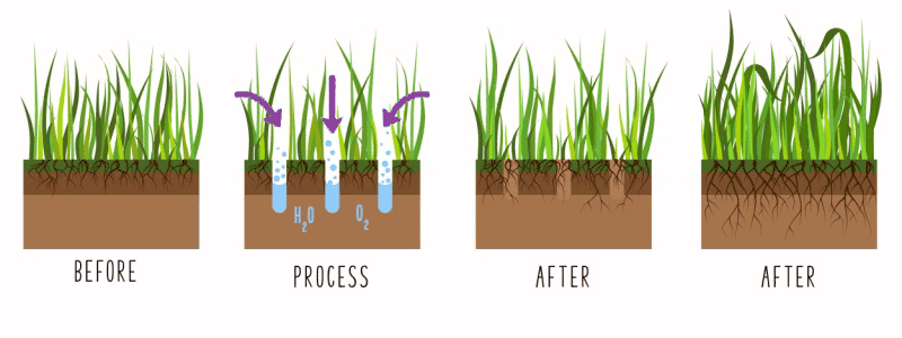
Aerating soil helps improve its condition. It allows air, water, and nutrients to reach plant roots.
This process is important for gardens, lawns, and farms. It makes plants healthier and stronger.
Improved Water Drainage
Aeration creates small holes in the soil. These holes let water flow through easily.
Good drainage stops water from pooling on the surface. It helps prevent root rot and other problems.
Enhanced Root Growth
Aerated soil gives roots space to grow. Roots get more oxygen, which they need to develop well.
Strong roots hold plants firmly. They also help plants survive dry or tough conditions.
Increased Nutrient Absorption
Soil aeration helps nutrients reach plant roots faster. This supports better plant growth and health.
Plants can use fertilizers and natural nutrients more efficiently in well-aerated soil.

Credit: peatsridgeturfsupplies.com
Signs Your Soil Needs Aeration
Soil aeration helps plants grow by improving air and water flow. It breaks up tight soil to make roots stronger.
Look for signs in your garden or lawn that show soil may be too hard or wet. These signs tell you when to aerate the soil.
Water Pooling On Surface
Water pooling means water stays on top after rain or watering. It shows soil cannot absorb water well. This can hurt plants and cause root rot.
- Water forms puddles and stays for hours
- Soil feels soggy or muddy
- Grass or plants look yellow or wilted
Compacted Or Hard Soil
Compacted soil is dense and hard to dig. Roots cannot grow deep in this soil. It blocks air and water from reaching roots.
| Signs | Effects |
| Soil cracks when dry | Roots get damaged |
| Hard to push a shovel in | Water runs off quickly |
| Surface looks smooth and flat | Less oxygen for plants |
Poor Plant Growth
Plants in soil that needs aeration grow slowly or look weak. Leaves may turn pale or drop early. Flowers and fruits may be fewer.
Common signs of poor plant growth due to bad soil include:
- Plants are small or stunted
- Yellow or brown leaf edges
- Plants wilt quickly in sun
- Weeds grow more than grass
Types Of Soil Aeration Methods
Soil aeration helps water and air reach plant roots. It improves soil drainage and plant health. There are different ways to aerate soil.
Choosing the right aeration method depends on your soil type and garden size. Here are common types of soil aeration methods.
Manual Aeration Tools
Manual tools work well for small gardens and lawns. They help create holes in the soil by hand. These tools are simple and easy to use.
Common manual aeration tools include spikes and forks. They loosen soil and allow water to drain better.
- Handheld spike aerators: Push spikes into the soil to make holes.
- Garden forks: Use the tines to poke holes and loosen soil.
- Core aerators (manual): Remove small plugs of soil by hand.
Mechanical Aerators
Mechanical aerators are machines that make soil aeration faster. They are useful for larger areas like big lawns or sports fields.
These machines create holes by either pushing spikes into soil or removing soil plugs. They need more effort but save time.
- Spike aerators: Machines with spikes that punch holes in the soil.
- Core aerators: Machines that pull out small plugs from the soil.
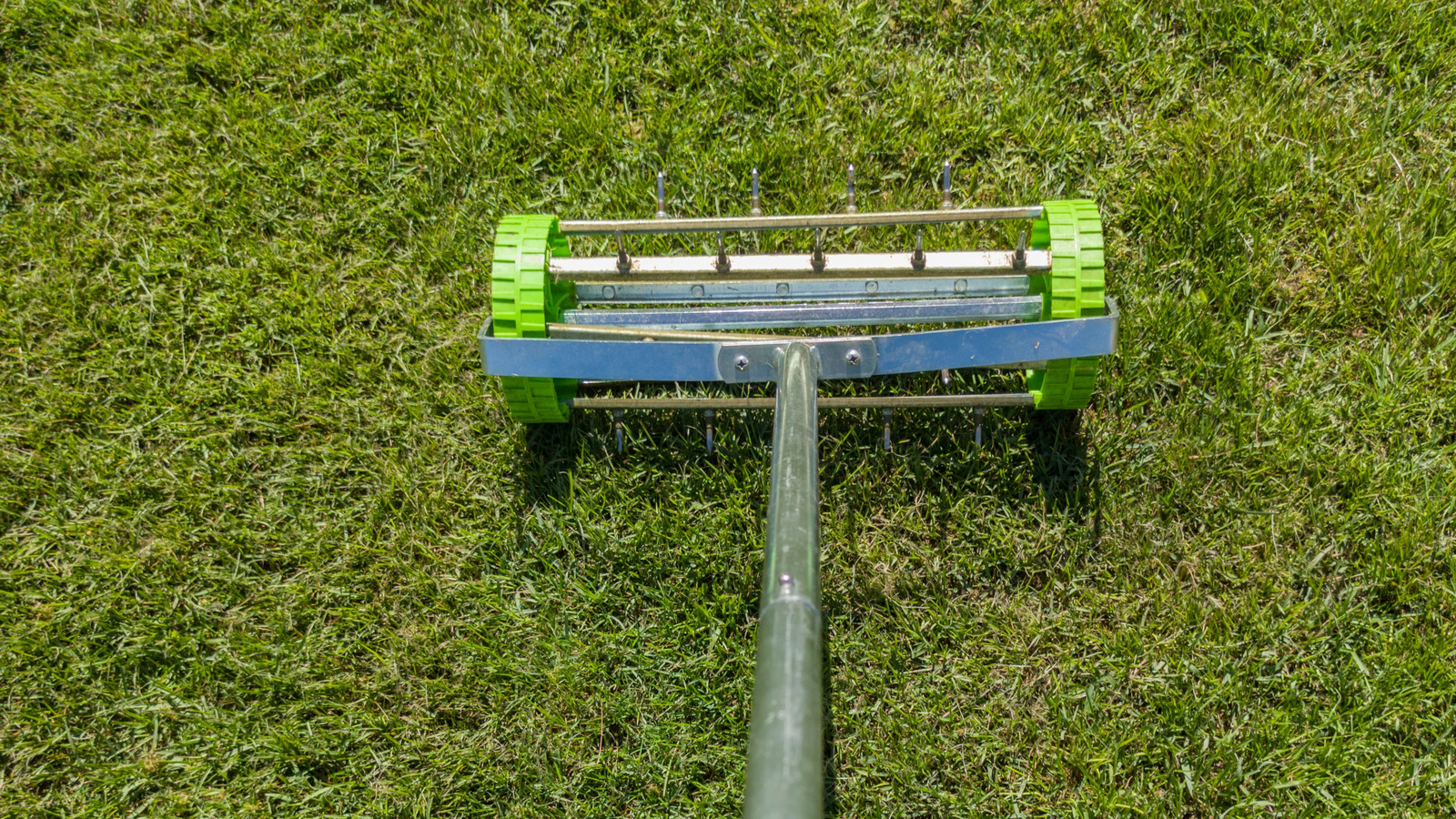
- Rolling aerators: Roll over the soil to create holes.
Natural Aeration Techniques
Natural techniques improve soil without tools or machines. These methods help soil breathe and drain better over time.
They use plants and organic matter to create space in the soil. Earthworms and roots help break up hard soil naturally.
- Adding organic compost: Helps soil structure and drainage.
- Planting deep-rooted plants: Roots create channels in soil.
- Encouraging earthworms: Worms tunnel through soil for air.
- Using cover crops: Plants protect soil and improve aeration.
Credit: www.housedigest.com
Step-by-step Soil Aeration Process
Aerating soil improves air flow and water drainage in your lawn or garden. It helps roots grow stronger and plants stay healthy.
This guide explains how to aerate soil with simple steps. Follow each part carefully for best results.
Preparing The Lawn Or Garden
Start by clearing the area. Remove leaves, sticks, and other debris. Cut the grass short to make aeration easier.
- Water the soil a day before aerating. Moist soil is softer and easier to work with.
- Mark any underground cables or pipes to avoid damage.
- Check for compacted areas that need extra attention.
Choosing The Right Aeration Tool
Choose a tool based on the size of your lawn and soil type. Different tools work better for different needs.
| Tool | Best For | Description |
| Manual Spike Aerator | Small lawns | Simple tool with spikes to poke holes. |
| Core Aerator | Medium to large lawns | Removes small plugs of soil for better aeration. |
| Rolling Aerator | Flat, even lawns | Rolls over soil, poking holes with spikes. |
Executing The Aeration
Use the aeration tool to make holes across the lawn. Cover the entire area evenly for best results.
- Start at one corner of the lawn or garden.
- Work in straight lines, overlapping slightly.
- Apply more pressure on compacted spots.
- Remove soil plugs if the tool collects them.
- Repeat the process if soil is very hard.
Post-aeration Care
After aeration, water the lawn well. This helps the soil settle and nutrients reach roots.
- Leave soil plugs on the surface; they break down naturally.
- Apply fertilizer to support new growth.
- Avoid heavy foot traffic for a few days.
- Repeat aeration yearly for healthy soil.
Best Time For Soil Aeration
Soil aeration helps improve drainage and root growth. Choosing the right time makes aeration more effective.
Knowing when to aerate depends on weather and soil conditions. This guide explains the best timing for aeration.
Seasonal Considerations
Aerate soil during active growing seasons. This allows grass and plants to recover faster.
Spring and fall are often the best seasons. Soil is warm enough, and plants grow well at these times.
- Spring: Soil thaws and plants start growing
- Fall: Soil cools and roots absorb nutrients
- Summer: Avoid if soil is dry or plants are stressed
- Winter: Avoid due to frozen or wet soil
Soil Moisture Levels
Soil should be moist but not wet for aeration. Moist soil lets aerator tools penetrate easily.
Too dry soil is hard and damages tools. Too wet soil becomes compacted and muddy.
- Ideal soil moisture feels like a wrung-out sponge
- If soil sticks to your shoes, it is too wet
- Water soil lightly a day before aerating if dry
Common Mistakes To Avoid
Aerating soil helps water drain and roots grow better. Doing it wrong can harm your plants and soil.
Knowing common mistakes helps you aerate soil the right way. Avoid these errors for healthy soil and plants.
Aerating Dry Or Wet Soil
Aerating soil when it is too dry can break the soil apart. This makes aeration less effective and can hurt roots.
Aerating wet soil causes compaction. It can make the soil denser and stop water from draining well.
- Check soil moisture before aerating
- Aerate when soil is slightly damp, not dry or soaked
- Test by squeezing soil: it should hold shape but not drip water
Over-aeration Risks
Too much aeration can damage soil structure and roots. It may create large holes that dry out the soil.
Over-aeration can also disturb beneficial microbes and earthworms. These help keep soil healthy and fertile.
- Aerate only once or twice a year for lawns
- Avoid deep or excessive aeration in the same spot
- Watch plant health to avoid stress from too much aeration
Maintaining Soil Health After Aeration
Aerating soil helps water drain better and roots grow stronger. After aeration, you need to care for the soil to keep it healthy.
Good soil health supports plants and stops problems like water pooling. Use these tips to maintain your soil after aeration.
Regular Watering And Fertilizing
Water the soil regularly to keep it moist but not soaked. Aerated soil absorbs water well, so watering helps roots grow.
Fertilize the soil to add nutrients lost during aeration. Use a balanced fertilizer to feed plants and improve soil quality.
- Water deeply once or twice a week
- Use fertilizer suited for your plants
- Apply fertilizer after watering for better absorption
- Avoid overwatering to prevent root rot
Using Mulch To Retain Moisture
Mulch covers the soil surface and helps keep moisture inside. It also protects soil from drying out after aeration.
Spread mulch around plants to reduce water loss and control weeds. Organic mulch adds nutrients as it breaks down.
- Apply 2-3 inches of mulch around plants
- Keep mulch a few inches away from plant stems
- Replenish mulch as it decomposes
- Choose organic mulch like bark or straw
Frequently Asked Questions
What Is Soil Aeration And Why Is It Important?
Soil aeration is the process of creating small holes in the soil. It improves air, water, and nutrient flow to plant roots. Better aeration reduces soil compaction and promotes healthy root growth, enhancing overall plant health and drainage.
How Often Should I Aerate My Soil?
Aerate your soil once or twice a year, ideally in spring or fall. Frequency depends on soil type and lawn use. Heavy clay soils may need more frequent aeration to maintain good drainage and root health.
What Tools Are Best For Soil Aeration?
Manual aerators, spike aerators, and plug aerators are common tools. Plug aerators remove soil cores for better results. Choose based on soil type, lawn size, and your physical ability.
Can Aerating Soil Improve Drainage Quickly?
Yes, aeration improves drainage by loosening compacted soil. It allows water to penetrate deeper and prevents puddling. However, benefits appear gradually as soil structure improves over time.
Conclusion
Aerating soil helps water flow and keeps roots healthy. It reduces soil compaction and improves air exchange. You can use tools like a garden fork or aerator shoes. Regular aeration supports strong plant growth and better drainage. Try to aerate your soil each season for best results.
Healthy soil means healthier plants and a greener garden. Start aerating today to see the difference in your soil’s health. Simple steps bring lasting benefits to your garden’s drainage.