Are you tired of uneven edges and rough cuts ruining your woodworking projects? Getting your router perfectly aligned can make all the difference between a sloppy job and a professional finish.
You’ll discover simple, step-by-step tips to align your router for precise cuts every time. Whether you’re a beginner or looking to sharpen your skills, these easy tricks will save you time, reduce mistakes, and boost your confidence. Keep reading to transform your cutting experience and achieve flawless results with your router.

Credit: www.oskooltools.com
Choosing The Right Router And Bit
Aligning your router correctly is key for precise wood cuts. Choosing the right router and bit helps you get clean and accurate results.
Different routers and bits serve different tasks. Picking the best ones makes your work easier and more exact.
Selecting Router Types For Accuracy
Fixed-base routers hold the bit steady. They help with straight, accurate cuts on flat surfaces.
Plunge routers let you lower the bit into the wood. This helps when cutting inside shapes or grooves precisely.
- Fixed-base routers are stable and easy to control
- Plunge routers allow deep, controlled cuts
- Choose based on the type of cut you need
Picking The Best Router Bits For Clean Cuts
Router bits come in many shapes and sizes. Use sharp bits made from quality steel for smooth edges.
Straight bits work well for trimming and grooving. Round-over bits help create smooth, curved edges.
- Sharp bits reduce tear-out and splintering
- Straight bits cut clean lines and grooves
- Round-over bits smooth edges for a finished look
- Match bit size to your project needs
Preparing Your Workspace
Setting up your workspace is key for accurate router cuts. A clean and organized area helps you work safely and efficiently.
Good preparation lets you focus on the cut, not on fixing mistakes or dealing with clutter.
Ensuring A Stable Work Surface
Your work surface must be steady to keep the router steady. A wobbly table can cause uneven cuts and mistakes.
Use clamps or non-slip mats to hold your wood in place. Make sure the table does not shake or move during cutting.
- Check the table for level and firmness
- Use clamps to secure the workpiece
- Place non-slip pads under the wood
- Clear the surface of any debris
Marking Clear Cut Lines
Draw clear lines to guide your router. Sharp lines help you follow the path precisely.
Use a pencil or marking tool that shows well on your material. Double check your measurements before cutting.
- Measure twice to avoid errors
- Use a straight edge or ruler
- Draw lines with a sharp pencil or marker
- Highlight lines with tape if needed
Setting Up Router Guides And Fences
Aligning your router correctly is key for precise cuts. Using guides and fences helps control the router’s path.
Proper setup reduces mistakes and improves the quality of your work. This guide explains how to use edge guides and fences.
Using Edge Guides For Straight Cuts
Edge guides attach to your router and follow the edge of the wood. They help you make straight and clean cuts along the material.
To use an edge guide, fix it securely to the router base. Adjust the guide so it sits at the correct distance from the bit.
- Place the guide against the edge of your workpiece
- Make sure it stays tight and does not wobble
- Move the router steadily along the edge guide
- Check the cut depth before starting
Installing Router Fences For Consistency
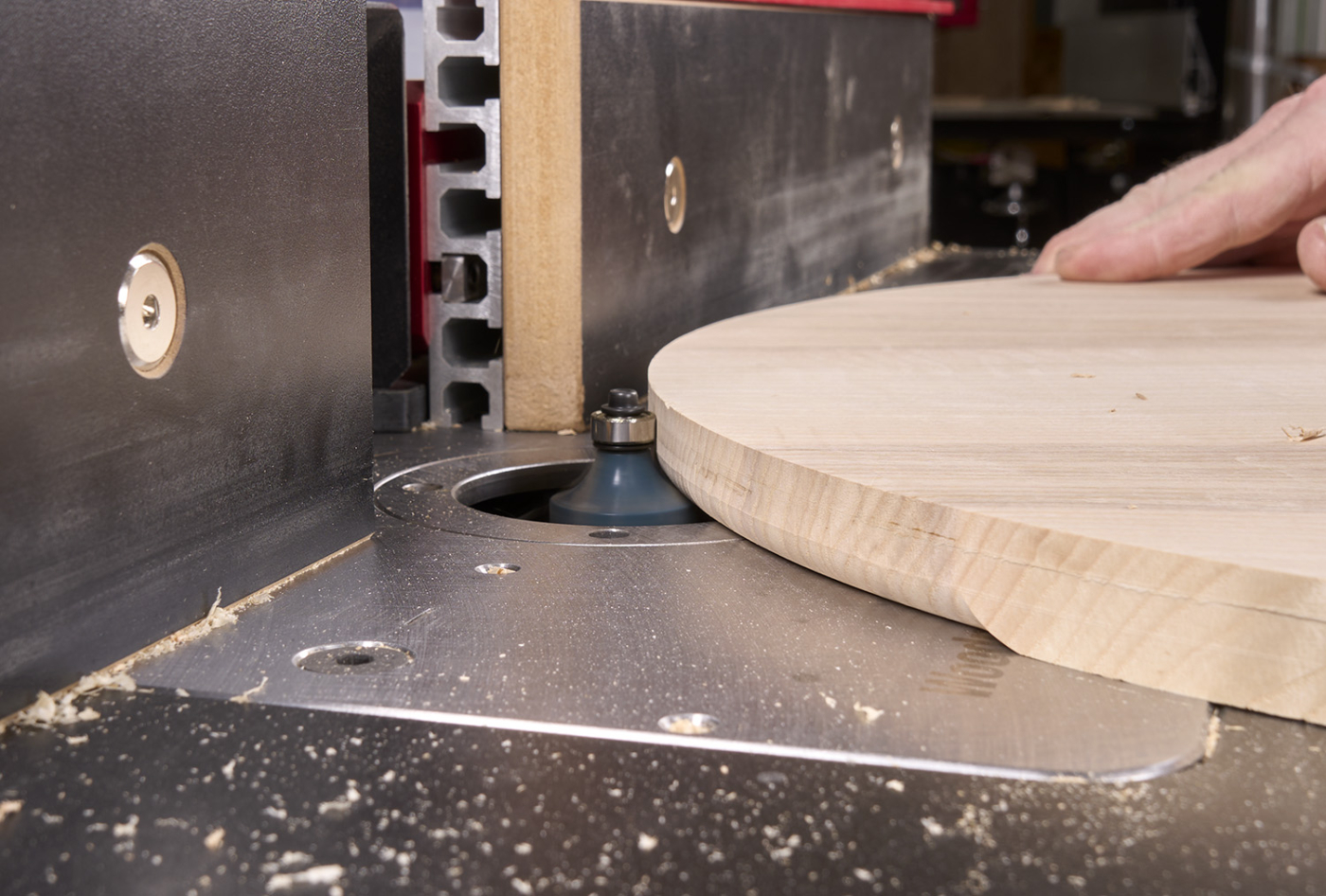
Router fences act as a fixed barrier to guide your router. They help keep cuts consistent and repeatable.
Attach the fence securely to your router table or workbench. Adjust its position to control how far the router bit cuts into the wood.
- Make sure the fence is square to the router bit
- Lock the fence firmly to prevent movement
- Use clamps if needed for extra stability
- Test cuts on scrap wood before final work
Credit: www.popularwoodworking.com
Aligning The Router For Precision
Aligning a router correctly is key to making precise cuts. A well-set router helps you achieve clean edges and accurate shapes.
Taking time to adjust the router before cutting saves material and reduces mistakes. Follow simple steps to set it right.
Adjusting Depth And Position
Start by setting the cutting depth to match your project needs. Adjust the depth so the bit removes only the needed amount of material.
Next, position the router base so it guides the cut along the correct path. Keep the router steady to avoid slips.
- Use the depth adjustment ring or dial on the router
- Test depth on scrap wood before cutting the main piece
- Align the router base with your guide or edge
- Check that the router bit does not touch the workpiece when idle
Checking Alignment Before Cutting
Double-check your router’s alignment before starting the cut. This ensures the router follows the intended line exactly.
Look for any gaps between the router base and your guide. Make small adjustments if the router bit is off center.
- Inspect the router bit position relative to the fence or guide
- Make trial cuts on scrap wood to verify alignment
- Adjust the fence or guide if the cut is not straight
- Secure all clamps and guides firmly before cutting
Techniques For Smooth And Accurate Cuts
Aligning your router correctly helps you make smooth and precise cuts. Proper setup reduces mistakes and improves your work quality.
Use steady hands and control your speed to keep cuts clean. These techniques help you get the best results every time.
Maintaining Steady Movements
Keep your hands steady while guiding the router. Sudden moves can cause rough edges or uneven cuts.
Use both hands to hold the router firmly. This gives you better control and balance during the cut.
- Hold the router with a firm grip
- Move the router slowly and smoothly
- Keep the base flat on the material
- Avoid sudden changes in direction
Controlling Speed And Feed Rate
Adjust your speed to match the material and bit size. Too fast can cause tear-out; too slow can burn the wood.
Feed rate means how fast you push the router through the material. Keep it steady for smooth cuts.
- Use slower speed for hard materials
- Feed router evenly without forcing it
- Test on scrap wood to find the best speed
- Increase speed for softer woods
Common Mistakes To Avoid
Aligning your router correctly is key for clean and precise cuts. Many users make simple errors that affect their results.
Knowing what to avoid can save time and improve your woodworking projects. Here are two common mistakes to watch out for.
Misaligning The Router Base
One common error is not positioning the router base properly. If the base is off even slightly, cuts will be uneven or crooked.
- Check that the router base sits flat on the workpiece.
- Make sure the bit is centered in the base opening.
- Use guides or fences to keep the router steady.
- Double-check alignment before powering on the router.
Ignoring Bit Sharpness And Condition
Dull or damaged router bits cause rough cuts and can ruin your work. It is important to inspect bits regularly and replace them as needed.
| Bit Issue | Effect on Cut | Action to Take |
| Dull Edges | Burning or tear-out | Sharpen or replace bit |
| Chipped Tips | Uneven cuts | Replace bit immediately |
| Built-up Resin | Rough surface finish | Clean bit with solvent |
Tips For Finishing And Cleanup
Aligning your router properly is just the first step. Finishing and cleanup make your cuts look clean and professional. Taking time to smooth edges and check your work improves the final result.
Good finishing prevents splinters and uneven surfaces. Cleanup removes dust and small debris that can hide mistakes. These tips help you get precise, neat cuts every time.
Sanding And Smoothing Edges
Sanding is key to smooth edges after routing. Use fine-grit sandpaper for a soft finish. Sand along the grain to avoid scratches and rough spots.
After sanding, check edges with your hand. Smooth edges feel better and look cleaner. You can also use a sanding block or sponge to keep pressure even.
- Start with 120-grit sandpaper for rough edges
- Switch to 220-grit for a fine finish
- Sand gently along the wood grain
- Use a sanding block to keep edges straight
- Wipe dust off with a dry cloth before painting or staining
Inspecting Cuts For Quality
Check your cuts carefully to ensure accuracy. Look for clean lines without tear-out or chipping. Good cuts fit better and need less repair.
Use a bright light or run your finger along the edges. Feel for bumps or rough spots that need extra sanding. Measure cuts to confirm they match your project plans.
- Look for smooth, clean edges without splinters
- Check that corners are sharp and precise
- Use a ruler or square to check straight lines
- Fix any small chips by light sanding
- Clean dust away before final assembly

Credit: www.youtube.com
Frequently Asked Questions
How Do I Align A Router For Accurate Cuts?
To align a router accurately, use a straight edge or guide. Secure the router base firmly against the guide. Adjust the bit position carefully to match the cut line. This ensures precise, clean cuts every time.
What Tools Help In Router Alignment?
Common tools for router alignment include straight edges, clamps, and edge guides. A combination square helps check angles. These tools stabilize the router, improving cut accuracy and preventing mistakes.
Why Is Router Alignment Important For Cuts?
Router alignment ensures cuts are straight and consistent. Proper alignment prevents material damage and reduces errors. This leads to professional-quality woodworking results and saves time on corrections.
How Often Should Router Alignment Be Checked?
Check router alignment before each project or after bit changes. Frequent verification maintains cut precision and avoids costly mistakes. Regular checks enhance overall woodworking quality and efficiency.
Conclusion
Aligning your router ensures accurate and clean cuts. Start by checking your tools. Keep your router bits sharp and well-maintained. Use guides or fences for straight lines. Practice on scrap wood before the main project. Adjust settings slowly to avoid mistakes.
Patience and precision lead to great results. Always wear safety gear when working. Clean your workspace regularly to avoid hazards. With these steps, your woodworking projects will improve. Enjoy the satisfaction of a job well done. Happy cutting!