If you’ve ever faced the challenge of fitting copper tubing into tight spaces during plumbing work, you know how tricky it can be. Bending copper tubing the right way saves you time, money, and frustration.
But how do you do it without kinking or damaging the pipe? In this guide, you’ll discover simple, step-by-step techniques to bend copper tubing like a pro—whether you’re a beginner or just need a quick refresher. Keep reading, and you’ll gain the confidence to handle your plumbing projects with ease and precision.
Tools Needed
Bending copper tubing is common in plumbing projects. You need the right tools to make clean bends without kinks.
Using proper tools helps save time and keeps your tubing safe from damage.
Types Of Benders
Copper tubing benders come in different styles. Each type works best for certain tube sizes and bends.
Choose a bender that fits your tubing diameter and the angle you want to create.
- Handheld Spring Bender:Fits small tubes and creates gentle curves.
- Lever Bender:Uses leverage to make sharp, precise bends.
- Rotary Bender:Rotates around the tube for smooth bends.
- Hydraulic Bender:For thick or large-diameter tubes, uses hydraulic force.
Additional Supplies
Besides benders, some extra supplies help during copper tubing bending.
These supplies protect the tube and make bending easier and cleaner.
- Tube Cutter:Cuts copper tubing cleanly before bending.
- Deburring Tool:Removes rough edges inside the tube.
- Measuring Tape:Measures the length and bend placement.
- Marker:Marks where to bend the tubing.
- Gloves:Protect hands from sharp edges and heat.
- Sand Cloth or Emery Paper:Smooths the outside of the tubing.
Credit: www.eliterooter.com
Preparing Copper Tubing
Preparing copper tubing carefully is important before bending it for plumbing. This helps avoid damage and ensures a smooth bend.
Two main steps to prepare copper tubing are measuring and marking, and using the right cutting techniques.
Measuring And Marking
Accurate measuring and marking make bending copper tubing easier and more precise. Use a tape measure to find the length needed.
- Measure the tubing length twice to be sure.
- Mark the spot clearly with a fine-tip marker or pencil.
- Mark gently to avoid denting the tubing.
- Use a ruler or square to keep the mark straight.
Cutting Techniques
Cut copper tubing cleanly to prevent rough edges that can cause leaks. A tubing cutter is best for straight, smooth cuts.
| Tool | Use | Tip |
|---|---|---|
| Tubing Cutter | Rotate around tubing to score and cut | Apply gentle pressure to avoid crushing |
| Hacksaw | Cut by hand if no cutter is available | File edges afterward to smooth |
| Pipe Cutter Wheel | Score and snap thin copper tubing | Use with care for thin walls |
Bending Methods
Bending copper tubing is essential for plumbing projects. It helps fit pipes into tight spaces and around corners. Proper bending prevents damage to the tubing and keeps water flow smooth.
There are different ways to bend copper tubing. Each method suits different tools and skill levels. Below are three common bending techniques.
Using A Manual Bender
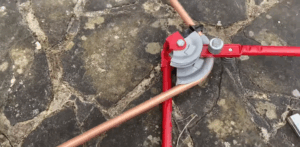
A manual bender is a simple tool made for bending copper pipes without kinks. It usually has a curved form to guide the tubing.
- Place the copper tube into the bender’s groove.
- Align the tube with the angle mark on the bender.
- Slowly pull the handle to bend the tube.
- Check the angle and adjust if needed.
- Remove the tube carefully to avoid flattening.
Heat Bending Approach
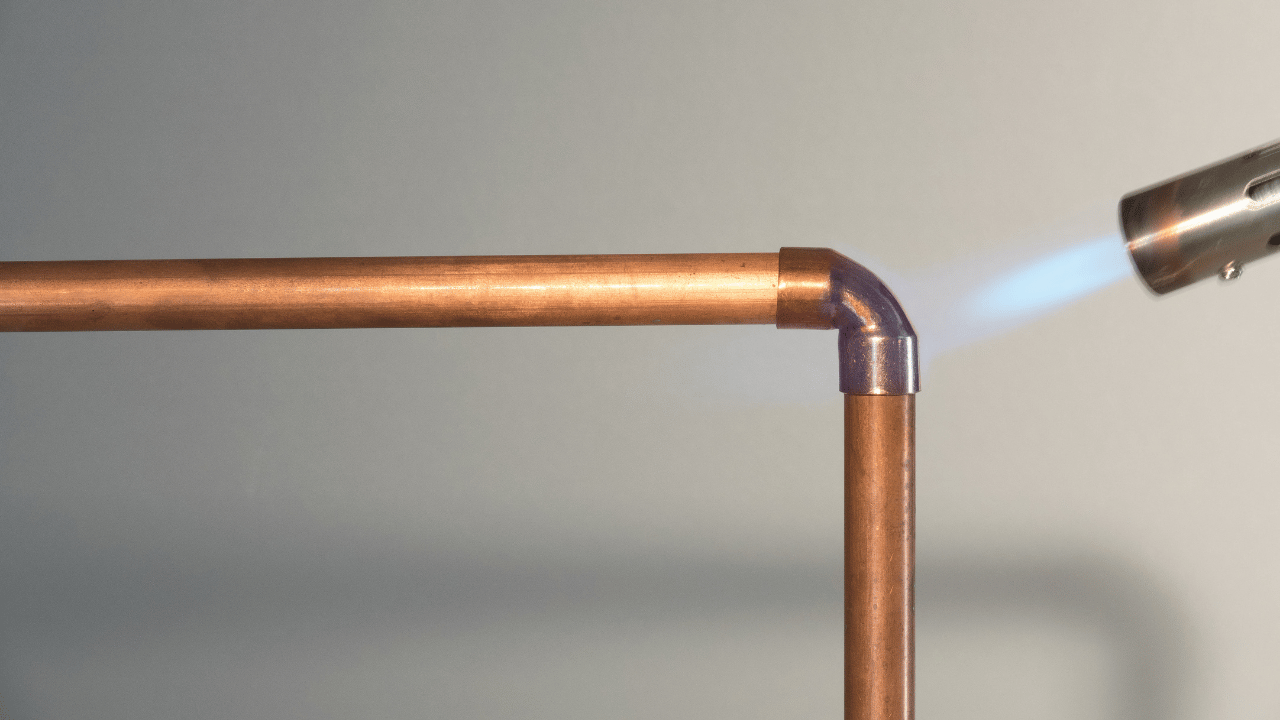
This method uses heat to soften copper tubing before bending. A propane torch is commonly used to warm the pipe evenly.
| Step | Action |
| 1 | Clean the tubing surface where you will bend. |
| 2 | Use a propane torch to heat the pipe evenly. |
| 3 | When the tubing is warm, slowly bend it by hand or with a bender. |
| 4 | Allow the tubing to cool before handling further. |
| 5 | Check the bend for any cracks or kinks. |
Spring Insert Technique
The spring insert technique helps prevent tubes from kinking. A spring fits inside the tubing to support it during bending.
Follow these tips when using spring inserts:
- Insert the spring fully into the copper tube.
- Bend the tube slowly and steadily.
- Remove the spring right after bending.
- Check the tube for smooth curves and no dents.

Credit: www.youtube.com
Avoiding Common Issues
Bending copper tubing is needed in plumbing jobs. It can cause problems like kinks and flattening. These issues weaken the tubing and can cause leaks.
Using the right techniques helps keep the tubing strong. This guide explains how to avoid common problems when bending copper tubing.
Preventing Kinks And Flattening
Kinks happen when the tube bends sharply without support. Flattening occurs if the tubing is squeezed too hard. Both cause weak spots.
Use a bending spring or a bending tool to support the tube. This keeps the shape smooth and round. Always bend slowly and steadily.
- Insert a bending spring inside the tubing
- Use a proper tubing bender tool
- Bend the tube slowly and steadily
- Avoid sharp or quick bends
Maintaining Proper Radius
The radius of the bend is the curve size. Too tight a radius causes damage and flow problems. Follow the tubing size rules for radius.
Keep the bend radius at least three times the tubing diameter. This protects the tube and keeps water flow smooth.
- Measure the tubing diameter before bending
- Use a radius at least three times the diameter
- Check the bend shape as you work
- Adjust if the bend looks too tight
Testing And Adjustments
After bending copper tubing, you must check its accuracy. This step ensures the tubing fits well and works properly. Small mistakes in bending can cause leaks or blockages.
Adjustments may be needed if the tubing shape is not perfect. Correcting problems early helps avoid bigger issues during plumbing installation.
Checking Bend Accuracy
Use a protractor or angle gauge to measure the bend angle. Compare it to the required angle for your project. Also, inspect the tubing for any kinks or flattening.
- Measure bend angle carefully
- Look for dents, kinks, or flat spots
- Check tubing length after bending
- Test fit the tubing with connectors or fittings
Correcting Imperfections
If the tubing is slightly off, you can make small adjustments. Use your hands or a bending spring to gently reshape the tube. Avoid forcing it too much to prevent damage.
| Imperfection | Correction Method |
| Kink | Use a bending spring or heat to soften and reshape |
| Flattened area | Apply gentle pressure with your hands or a round tool |
| Wrong bend angle | Rebend carefully using the proper tool |
| Too short or long | Cut tubing and rebend as needed |

Credit: www.eliterooter.com
Safety Tips
Bending copper tubing can be tricky and dangerous without the right care. Safety is important to avoid injuries and accidents.
Always follow safety steps to protect yourself while working with tools and copper tubing.
Handling Tools Safely
Use tools carefully to avoid cuts or pinches. Hold tools firmly and keep your hands clear of moving parts.
Check tools before use. Make sure they are not broken or damaged to prevent accidents.
- Use a proper pipe bender designed for copper tubing
- Keep tools clean and free from oil or grease
- Store tools safely when not in use
- Never force a tool beyond its limits
Protective Gear Recommendations
Wear safety gear to protect your eyes, hands, and skin from sharp edges and metal splinters.
Use the right protective equipment to reduce risks while bending copper tubing.
- Wear safety glasses to protect your eyes
- Use gloves to protect your hands from cuts and burns
- Wear long sleeves to avoid skin scratches
- Use ear protection if using loud power tools nearby
Frequently Asked Questions
How Do You Bend Copper Tubing Without Kinking?
Use a tubing bender or fill the tube with sand before bending. This prevents flattening and kinks. Bend slowly and evenly for a smooth curve.
What Tools Are Needed To Bend Copper Tubing?
You need a tubing bender, sand or a bending spring, and a measuring tape. These tools help achieve accurate and clean bends.
Can I Bend Copper Tubing By Hand?
Bending by hand is possible for thin tubing but risks kinks. Use proper tools for thicker tubes to avoid damage and ensure precision.
What Is The Best Technique For Tight Copper Bends?
Use a spring bender or fill the tube with sand. Bend slowly and evenly, keeping the radius gentle to avoid tube damage.
Conclusion
Bending copper tubing can seem tricky at first. But with practice, it gets easier. Remember to use the right tools and take your time. Always measure twice to avoid mistakes. Smooth bends ensure better water flow. This saves time and prevents future leaks.
Keep safety in mind to protect yourself. Now, you’re ready to tackle your plumbing projects. Confidence grows with each successful bend. Enjoy your new plumbing skills. Happy bending!