Have you ever faced the challenge of bending metal conduit and felt overwhelmed? You’re not alone.
Many people find themselves puzzled by this task, whether it’s for a DIY project or a professional job. But what if I told you that with a few simple tips, you can master this skill like a pro? Imagine the satisfaction of creating precise bends that fit perfectly into your project.
Not only will you save time, but you’ll also elevate your craftsmanship to new heights. You’ll discover the secrets of bending metal conduit with ease and precision. Get ready to unlock the potential of your projects and transform the way you approach metalwork.
Tools Needed
Bending metal conduit requires the right tools for safe and accurate work. Using proper tools helps to avoid damage to the conduit.
This guide covers the main tools you need. It explains types of benders, measuring tools, and safety gear.
Types Of Benders
There are different benders for bending metal conduit. Choose one based on the size and type of conduit.
Manual benders are common for small jobs. Electric benders help with larger or many bends.
- Handheld benders: Good for 1/2-inch to 1-inch conduit
- Lever benders: Use leverage for easier bending
- Electric benders: Motorized for fast, precise bends
- Hydraulic benders: Used for thick or large conduit
Measuring Tools
Measuring tools help make accurate bends. They ensure you bend conduit at the right spots.
Marking the conduit before bending saves time and prevents mistakes.
- Tape measure: Measures length and distance for bends
- Marker or pencil: Marks bending points on conduit
- Angle finder: Checks the angle of the bend
- Square ruler: Helps keep bends straight
Safety Gear
Safety gear protects you from injuries while bending metal conduit. Always wear the right gear.
Metal conduit can be sharp and heavy. Safety gear reduces the risk of cuts and strains.
- Safety glasses: Protect eyes from metal shards
- Work gloves: Protect hands from cuts and scrapes
- Steel-toe boots: Protect feet from heavy conduit drops
- Long sleeves: Protect arms from sharp edges

Credit: www.reddit.com
Choosing The Right Conduit
Bending metal conduit requires picking the right type first. The conduit material and size affect how easy it bends and fits your project.
This guide covers common conduit materials and sizes. Learn what suits your needs for safe and effective conduit bending.
Conduit Materials
Metal conduit comes in different materials. Each type has its own strength, flexibility, and use cases.
- EMT (Electrical Metallic Tubing):Thin, lightweight, and easy to bend. Best for indoor use.
- RMC (Rigid Metal Conduit):Thick and heavy. Provides strong protection but harder to bend.
- IMC (Intermediate Metal Conduit):Lighter than RMC but stronger than EMT. Offers good protection and moderate bendability.
- Flexible Metal Conduit (FMC):Very flexible and easy to shape without tools. Used in tight spaces.
Conduit Sizes
Conduits come in various sizes measured by their inside diameter. Size affects how much wire you can run inside.
| Size (inches) | Use Case |
|---|---|
| 1/2″ | Small wiring jobs, limited space |
| 3/4″ | Standard residential wiring |
| 1″ | Commercial wiring with more cables |
| 1 1/4″ and larger | Industrial or large cable bundles |
Preparing For The Bend
Bending metal conduit needs careful preparation. This helps make clean, accurate bends.
Start by gathering your tools and measuring well. This saves time and avoids mistakes.
Marking The Bend Point
Mark the exact spot where you want to bend the conduit. Use a pencil or marker that shows clearly.
Measure twice before marking. This reduces errors and keeps your project precise.
- Use a tape measure for accuracy
- Place the mark on the conduit’s outer side
- Check the mark against your bend tool’s scale
Calculating Bend Angles
Know the angle you need before bending. The angle affects how the conduit fits in place.
Use a protractor or angle finder to measure. This helps you get the right curve every time.
- Common bend angles are 30°, 45°, and 90°
- Match the angle to your project’s needs
- Practice bends on scrap conduit to check accuracy
Bending Techniques
Bending metal conduit is a key skill for electrical work. It helps shape pipes to fit into tight spaces.
Different techniques suit different needs. You can bend conduit by hand or use special tools.
Hand Bending
Hand bending works well for thin, flexible conduit. It needs strength and careful control.
Hold the conduit firmly. Bend slowly to avoid kinks or cracks in the metal.
- Mark the bend point clearly
- Use both hands for even pressure
- Bend a little at a time
- Check the angle often
Using A Bender
A conduit bender is a tool made for shaping pipes accurately. It works best on thicker metal.
Place the conduit in the bender. Pull the handle to create a smooth curve without damage.
- Align the conduit with the bender’s mark
- Use steady pressure on the handle
- Stop at the needed angle
- Release the handle slowly
Avoiding Common Mistakes
Many errors happen during bending. Avoiding these saves time and material.
- Don’t rush the bend; go slow
- Never bend past the pipe’s limit
- Keep the conduit clean before bending
- Use the right tool for the conduit size
- Measure angles carefully before bending
Checking The Bend
After bending metal conduit, check the bend carefully. This step ensures the conduit fits well in your project.
Checking the bend helps avoid problems during installation. It also keeps the conduit safe from damage.
Verifying Angle Accuracy
Use a protractor or angle finder to check the bend angle. Make sure it matches the needed angle for your work.
Check both sides of the bend. This helps confirm the conduit is not twisted or off-angle.
- Place the angle tool on the bend.
- Compare the reading with your required angle.
- Adjust the bend if the angle is incorrect.
Ensuring Smooth Bends
Look at the bend for any dents or flat spots. Smooth bends keep the conduit strong and easy to work with.
Run your hand along the bend. Feel for any rough or uneven areas that could cause problems.
- Check for dents or creases on the outside curve.
- Ensure the inside curve does not have sharp kinks.
- Re-bend or replace conduit if bends are damaged.
Advanced Bending Tips
Bending metal conduit needs skill and care. Using the right techniques makes your work neat and strong.
These tips help you bend conduit like a pro. Learn how to make offset, saddle, and back-to-back bends.
Offset Bends
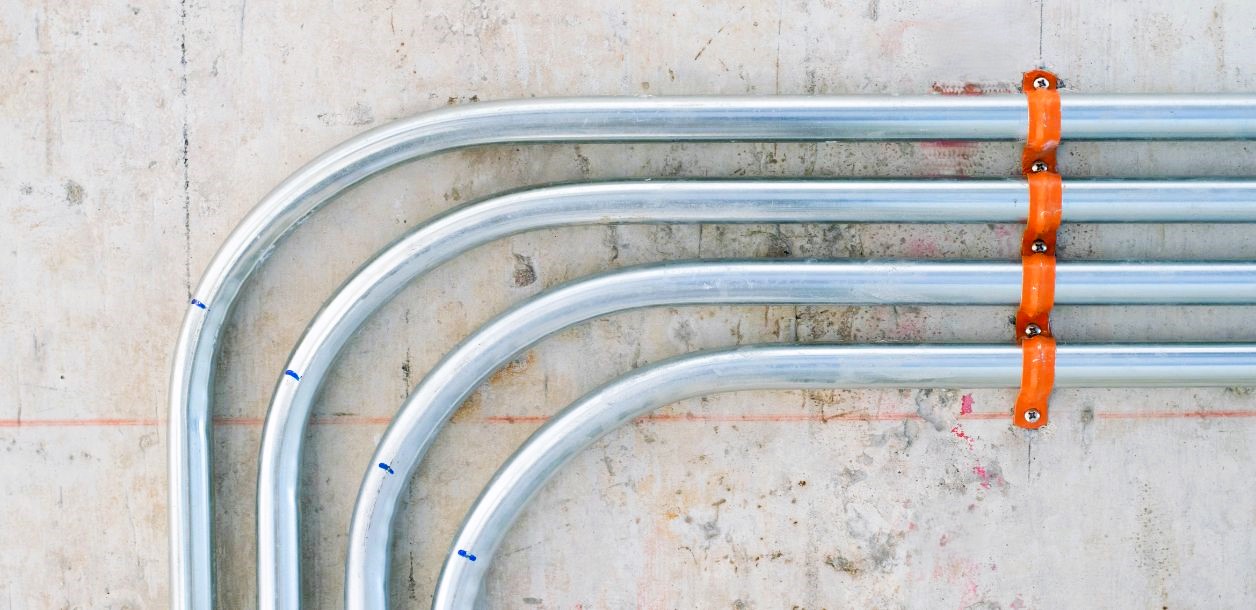
Offset bends let you move conduit around obstacles. You make two bends in opposite directions.
Measure the distance and angle carefully. Use a conduit bender with clear marks for accuracy.
- Mark the start point clearly
- Bend first angle, then the second
- Check the offset fits the space
- Use a level to keep bends straight
Saddle Bends
Saddle bends help conduit go over pipes or beams. They create a small hump in the conduit.
Make two bends in the same direction. The space between bends must match the obstacle size.
- Measure obstacle height and width
- Mark bend locations on conduit
- Bend at the right angle for clearance
- Test fit before final installation
Back-to-back Bends
Back-to-back bends help conduit change direction quickly. They look like two bends joined closely.
Use a bender with angle marks. Make sure the bends are even and tight for a clean look.
- Mark the middle point for both bends
- Bend one side, then the other
- Keep angles consistent
- Check alignment before securing
Maintenance And Storage
Proper care and storage help your metal conduit tools last longer. They also keep your work safe and efficient.
This guide covers how to care for bending tools and store metal conduit correctly.
Caring For Bending Tools
Keep bending tools clean and dry to prevent rust. Wipe them after each use and check for damage often.
- Clean tools with a dry cloth to remove dirt and grease.
- Apply light oil to moving parts to avoid rust and stiffness.
- Store tools in a dry place away from moisture.
- Inspect tools for cracks or bends before use.
- Sharpen or replace worn parts to keep tools working well.
Storing Metal Conduit
Store metal conduit in a way that prevents bending or damage. Keep it off the ground to avoid moisture contact.
| Storage Method | Benefit | Tips |
| Wall racks | Keep conduit straight and off the floor | Use padded supports to avoid scratches |
| Horizontal shelves | Easy access and organized storage | Stack by size to prevent rolling |
| Vertical stands | Saves floor space and prevents bending | Secure with straps for stability |
| Plastic covers | Protect from dust and moisture | Ensure ventilation to avoid condensation |
Credit: blog.whitecap.com

Credit: shieldenstrut.com
Frequently Asked Questions
What Tools Are Needed To Bend Metal Conduit Safely?
To bend metal conduit safely, you need a conduit bender, measuring tape, marker, and gloves. These tools ensure accurate bends and protect you during the process.
How Do You Measure For Accurate Conduit Bending?
Measure the distance from the conduit’s end to the desired bend point. Mark the conduit clearly to align with the bender’s arrow for precision.
Can You Bend Metal Conduit Without A Bender?
Bending metal conduit without a bender is difficult and risks damaging it. Using a proper conduit bender ensures clean, smooth bends without kinks or cracks.
What Is The Proper Angle For Bending Metal Conduit?
Common conduit bends are 30, 45, and 90 degrees. Choose the angle based on your installation needs and local electrical codes for safety.
Conclusion
Bending metal conduit takes practice and patience. Use the right tools to make clean bends. Measure carefully before you start bending. Take your time to avoid mistakes. Each bend shapes the conduit for a perfect fit. Safety matters—wear gloves and eye protection.
With steady hands, you can create smooth, precise bends. Keep practicing to improve your skills. This simple guide helps you work confidently with metal conduit. Your projects will look neat and professional.