Are you struggling with bending PVC pipes without cracking or breaking them? You’re not alone.
PVC is strong but can be tricky when it comes to shaping it just right. The good news is, with the right techniques, you can bend PVC smoothly and safely every time. You’ll discover simple, effective methods to bend your PVC without causing damage.
Keep reading, and you’ll learn how to save time, avoid costly mistakes, and get professional-looking results on your projects.
Choosing The Right Pvc
Bending PVC pipes needs care to avoid cracks or breaks. Picking the right type and thickness helps you bend PVC safely.
This guide covers the types of PVC that bend well and how to check the pipe’s thickness before you start.
Types Suitable For Bending
Not all PVC pipes bend the same way. Some types are made to be flexible and can handle bending better.
- Flexible PVC: Made with additives to make it bend easily.
- Thin-wall PVC: Has thinner walls that allow gentle bending.
- CPVC (Chlorinated PVC): Can bend with heat but needs care.
- Standard PVC: Usually rigid and cracks if bent too much.
Checking Material Thickness
Thickness affects how much you can bend PVC without damage. Thicker walls need more heat and care.
| Thickness | Bending Ability | Recommended Use |
| Thin (Schedule 10) | High flexibility | Light bends, small curves |
| Medium (Schedule 40) | Moderate flexibility | Gentle bends with heat |
| Thick (Schedule 80) | Low flexibility | Hard to bend, needs special tools |

Credit: www.amazon.ca
Preparing Pvc For Bending
Bending PVC pipes requires careful preparation. Proper steps help avoid cracks or damage.
Getting the PVC ready before bending makes the process easier and safer.
Cleaning And Measuring
Clean the PVC pipe to remove dirt and grease. This ensures a smooth bend without weak spots.
Measure the length of the pipe carefully. Mark where you want to bend to get the right shape.
- Use a clean cloth and mild soap to wipe the pipe
- Dry the pipe completely before bending
- Use a tape measure for accurate length
- Mark the exact bending points with a pencil
Marking Bend Points
Mark the bend points clearly on the pipe’s surface. Use a permanent marker or pencil.
Double-check your marks to avoid mistakes during bending. Correct marks guide the heat and pressure.
- Mark the start and end points of the bend
- Use straight lines around the pipe for precision
- Check measurements twice before heating
Heating Techniques
Bending PVC pipes without damage needs careful heating. PVC becomes soft when warm. You can shape it safely with the right heat methods.
Use gentle heat to avoid burning or cracking. This guide shows three ways to heat PVC for bending.
Using A Heat Gun
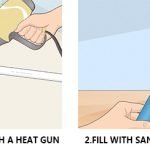
A heat gun is a tool that blows hot air. It warms the PVC evenly and quickly. Keep the gun moving to stop hot spots.
- Hold the heat gun 6 to 8 inches away from the pipe.
- Move the gun back and forth slowly along the pipe.
- Heat the area until it feels soft to touch but not melted.
- Bend the pipe gently to the desired shape.
- Cool the pipe with water or air to keep the shape.
Boiling Water Method
Boiling water softens PVC without direct heat. This method is safe for small pipes. Avoid using too hot water for long.
- Boil enough water to cover the pipe section.
- Place the pipe in the boiling water for 3 to 5 minutes.
- Check if the pipe is flexible but not too soft.
- Bend the pipe slowly to the shape you want.
- Cool it quickly in cold water to set the form.
Oven Heating
You can use an oven to warm PVC pipes evenly. Keep the temperature low to avoid melting. This method works best for short pipe sections.
| Temperature | Time | Notes |
| 160°F (70°C) | 5-10 minutes | Softens PVC gently |
| 175°F (80°C) | 3-5 minutes | Use for thicker pipes |
| Above 200°F (93°C) | Not recommended | Risk of melting and damage |
After heating, bend the pipe carefully. Use gloves to avoid burns. Let the pipe cool to keep the shape.
Bending Methods
Bending PVC pipes needs care to avoid cracks or breaks. Using the right method helps shape PVC without damage.
Different tools and techniques can make bending easier and safer for your project.
Manual Bending Tips
You can bend thin PVC pipes by hand if you heat them first. Warm the pipe evenly to make it flexible.
Use slow, steady pressure to shape the pipe. Avoid sharp bends to prevent cracking.
- Heat the pipe with a heat gun or hot water
- Hold the pipe firmly but gently
- Bend slowly to the desired angle
- Cool the pipe to keep the shape
Using A Bending Spring
A bending spring fits inside the PVC pipe to stop it from collapsing. It keeps the pipe round while you bend it.
Insert the spring before heating. Bend the pipe around a curve carefully and remove the spring after cooling.
- Choose a spring that fits your pipe size
- Insert the spring fully inside the pipe
- Heat the pipe evenly
- Bend the pipe slowly around the curve
- Let the pipe cool before removing the spring
Forming With A Jig
A jig helps shape PVC pipes by holding them in place while you bend. It gives a precise curve or angle.
Heat the pipe, place it in the jig, and bend carefully to fit. Let it cool before removing it from the jig.
- Build or buy a jig matching your desired shape
- Heat the pipe evenly before bending
- Place the pipe inside the jig
- Bend the pipe to fit the jig’s form
- Cool the pipe fully before taking it out
Cooling And Setting
Bending PVC pipe needs care to avoid cracks or damage. Cooling and setting help the pipe keep its new shape. This guide explains two safe methods to cool and set PVC after bending.
Cooling the pipe properly stops it from springing back to its original form. Setting it firmly ensures the bend stays strong and smooth.
Natural Cooling
Natural cooling means letting the PVC pipe cool down on its own at room temperature. This method is simple and gentle on the material.
- Place the bent pipe on a flat surface without moving it.
- Keep it away from direct sunlight or heat sources.
- Allow the pipe to cool for at least 30 minutes.
- Check if the pipe holds the shape firmly before use.
Using Cold Water To Harden
Cold water helps PVC harden faster after bending. This method reduces cooling time and strengthens the bend.
| Step | Action | Note |
| 1 | Immediately after bending, submerge the pipe in cold water. | Use water below 15°C (59°F) for best results. |
| 2 | Keep the pipe submerged for 10 to 15 minutes. | Do not shake or move the pipe to avoid warping. |
| 3 | Remove the pipe and let it dry on a flat surface. | Ensure it stays in the bent shape while drying. |
| 4 | Check the pipe’s firmness before final installation. | Repeat cooling if the pipe feels soft. |

Credit: www.pvcconduitmanufacturer.com
Preventing Common Issues
Bending PVC pipes needs care to avoid damage. Common problems include cracks and kinks. Fixing these issues can be costly and time-consuming.
Using the right techniques helps keep the pipe strong and functional. This guide focuses on avoiding cracks and kinks and maintaining shape integrity.
Avoiding Cracks And Kinks
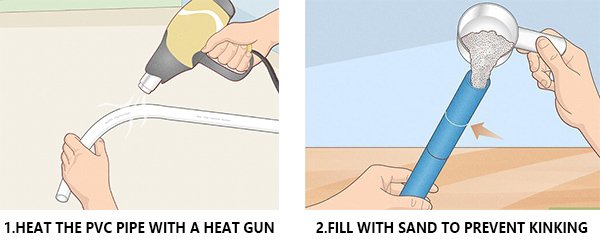
PVC can crack if bent too quickly or cold. Kinks happen when the pipe folds sharply. Both reduce the pipe’s strength and flow.
- Warm the PVC pipe before bending using a heat gun or warm water.
- Bend slowly and evenly to avoid sharp angles.
- Use a bending spring or form to keep the shape smooth.
- Avoid bending the pipe below its minimum bend radius.
- Inspect the pipe for any stress marks or cracks after bending.
Maintaining Shape Integrity
Keeping the pipe’s shape prevents leaks and blockages. Proper support and handling are key to shape integrity.
| Tip | Reason |
| Use pipe supports or clamps | Prevents sagging and deformation |
| Allow cooled pipe to rest before use | Helps pipe keep its new shape |
| Store pipes straight and off the ground | Reduces accidental bends and damage |
| Handle pipes gently during installation | Avoids unnecessary stress and cracks |
Tools And Accessories
Bending PVC without damage needs the right tools. Using proper equipment helps keep the pipe smooth and strong.
This guide covers essential tools and optional accessories for bending PVC safely and easily.
Essential Tools List
These tools are must-haves for bending PVC pipes. They help you heat, shape, and hold the pipe properly.
- Heat Gun:Heats the PVC evenly to make it flexible without burning.
- Pipe Bender or Form:Shapes the pipe to the desired curve or angle.
- Gloves:Protect hands from heat and sharp edges.
- Measuring Tape:Measures pipe length and bend points accurately.
- Marker:Marks where to bend the pipe.
- Clamps:Secure the pipe during heating and bending.
Optional Accessories
These accessories make bending easier and improve results. They are not necessary but can help.
- Heat Resistant Mat:Protects work surfaces from heat damage.
- Thermometer Gun:Checks the pipe temperature to avoid overheating.
- Spring Bender:Keeps the pipe from kinking during bends.
- Pipe Support Stand:Holds the pipe steady while working.
- Soft Cloth or Padding:Wraps around the pipe to prevent marks during bending.

Credit: www.sam-uk.com
Safety Tips
Bending PVC pipes can be tricky. You must take safety steps to avoid injury.
Using the right tools and techniques keeps you safe and protects the pipe.
Protective Gear
Always wear protective gear when bending PVC. This helps prevent burns and cuts.
Wear safety goggles to protect your eyes from flying particles or hot steam.
- Heat-resistant gloves protect your hands from burns
- Long sleeves prevent skin contact with hot surfaces
- Closed-toe shoes protect your feet from falling tools
Handling Hot Materials
Heat softens PVC for bending. Handle hot pipes carefully to avoid burns.
Use tools like clamps or pliers to hold the pipe. Avoid touching it directly.
- Heat the pipe evenly to prevent weak spots
- Keep a bucket of cold water nearby to cool the pipe quickly
- Work in a well-ventilated area to avoid inhaling fumes
Troubleshooting Bending Problems
Bending PVC pipes can be tricky. Problems like uneven bends or cracks may happen.
Knowing how to fix these issues helps keep your project strong and smooth.
Fixing Uneven Bends
Uneven bends make the pipe look wavy or crooked. This happens if heat is not spread well.
To fix this, reheat the pipe gently and bend it slowly. Use a bending spring for support.
- Apply heat evenly along the bend area
- Use tools like bending springs or forms
- Bend slowly to avoid sharp spots
- Check the pipe shape often during bending
Repairing Minor Damage
Small cracks or dents can appear if the pipe bends too fast or cools unevenly.
Fix minor damage by sanding rough spots and using PVC cement or filler to seal cracks.
- Sand the damaged area smooth with fine sandpaper
- Clean the surface to remove dust and grease
- Apply PVC cement or a suitable filler carefully
- Let it dry fully before using the pipe again
Frequently Asked Questions
How Do You Safely Bend Pvc Pipes?
To safely bend PVC pipes, heat them evenly using a heat gun or warm water. Avoid overheating to prevent damage. Slowly bend the pipe to the desired angle and hold it until it cools and sets.
What Tools Help In Bending Pvc Without Cracks?
Use a heat gun, bending spring, or hot water bath to soften PVC. These tools help control the bend and prevent cracks by evenly distributing heat and supporting the pipe during bending.
Can Pvc Pipes Be Bent Without Heating?
PVC pipes usually require heating to bend properly. Without heat, they are rigid and prone to cracking or breaking when forced to bend. Heating softens the pipe, making bending easier and safer.
How To Avoid Kinks When Bending Pvc Pipes?
Avoid kinks by heating the PVC pipe evenly and bending slowly. Use bending springs inside the pipe for support. Ensure the pipe is flexible before bending to prevent sharp bends or damage.
Conclusion
Bending PVC can be simple with the right steps. Always use low heat. This prevents cracks or damage. A heat gun works well for controlled warmth. Patience is key. Bend slowly to avoid breaks. Practicing on spare pieces helps. Safety gear, like gloves, protects your hands.
Proper technique ensures neat bends. With these tips, your PVC projects stay intact. Enjoy crafting with confidence.