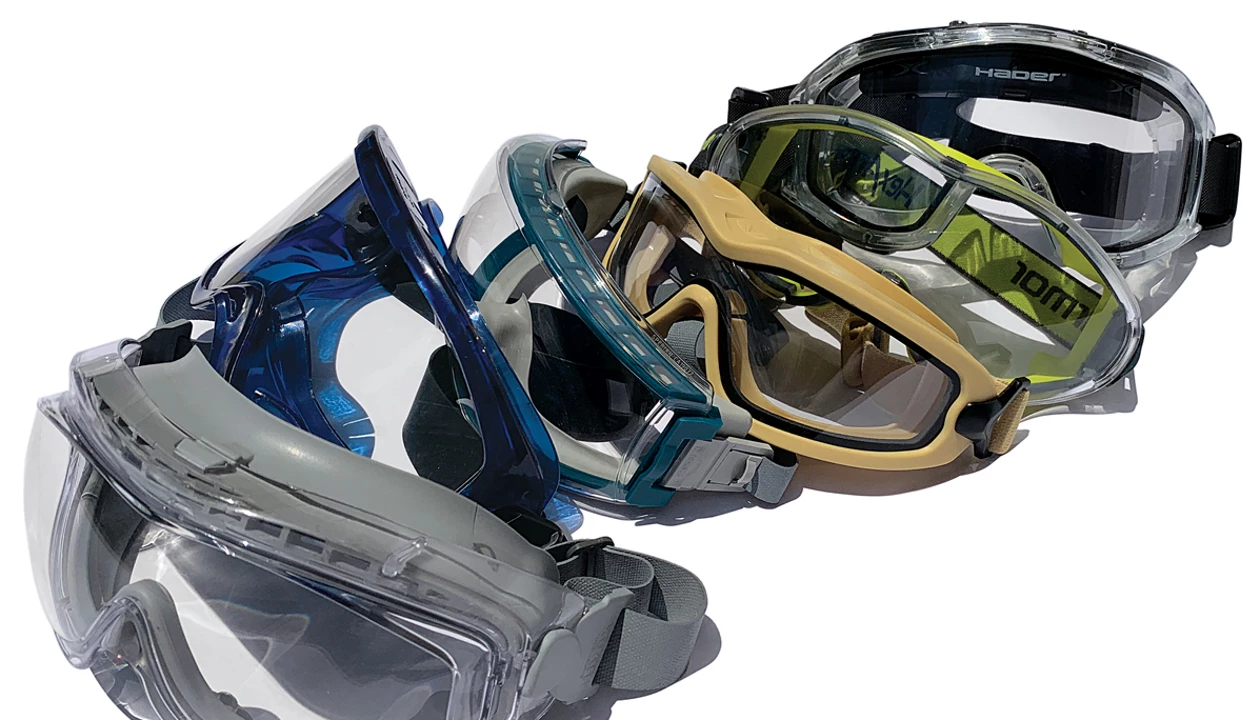
When working with chemicals, your safety should be your top priority. You might not realize it, but your eyes are incredibly vulnerable to splashes and spills in such environments.
That’s why choosing the right chemical splash goggles is crucial. But with so many options available, how do you know which pair is right for you? This guide will help you make an informed decision. We’ll explore the essential features you need to consider to protect your eyes effectively.
Stick with us, and you’ll soon feel confident in choosing the perfect goggles that not only fit well but also offer the protection you need. Your eyes deserve the best care, so let’s ensure they’re safe from harm.

Credit: lordco.com
Types Of Chemical Splash Goggles
Chemical splash goggles protect your eyes from harmful liquids and fumes. Choosing the right type is important for safety and comfort. Different goggles fit different work situations.
Understanding the types of splash goggles helps you pick the best option. This guide explains the main types and their features.
Indirect Ventilation Goggles
Indirect ventilation goggles have small vents that let air in but block liquids. They stop splashes from reaching your eyes. These vents reduce fogging while keeping protection.
They are good for working with chemicals that produce fumes. Indirect vents keep harmful vapors out but allow air flow for comfort.
- Vents prevent liquid splashes but allow air
- Reduce fogging during long use
- Protect against chemical fumes
- Comfortable for many work environments
Direct Ventilation Goggles
Direct ventilation goggles have open vents that allow air to flow freely. This helps keep the goggles cool and reduces fogging quickly. But they do not block liquids well.
These goggles work best in low splash risk areas. They offer good comfort but less protection from chemical splashes.
- Open vents for fast air flow
- Reduce fogging in hot conditions
- Limited splash protection
- Best for low chemical splash risk
Non-ventilated Goggles
Non-ventilated goggles have no vents and seal tightly around the eyes. This provides the highest protection from chemical splashes and fumes. But they may fog up faster.
They are ideal for strong chemical work where full protection is needed. You may need anti-fog coatings to keep clear vision.
- No vents for full splash protection
- Seal tightly to block liquids and fumes
- Can fog up without anti-fog treatments
- Best for high-risk chemical tasks
Key Safety Features
Choosing the right chemical splash goggles is important for safety. Goggles protect your eyes from harmful chemicals.
Look for key safety features to ensure your goggles offer the best protection. These features help keep your eyes safe in different conditions.
Impact Resistance
Impact resistance means the goggles can protect your eyes from flying objects. This is important in case of accidents or spills.
Choose goggles made from strong materials that meet safety standards for impact protection.
- Look for lenses made of polycarbonate or similar tough materials
- Check for compliance with ANSI Z87.1 or other safety ratings
- Ensure frames fit securely to avoid gaps
Chemical Resistance
Chemical resistance means the goggles resist damage from harmful liquids and vapors. This keeps your eyes safe from burns or irritation.
Choose goggles with lenses and frames made from materials that do not react with common chemicals.
- Look for materials like PVC, rubber, or special plastics
- Check if goggles are rated for splash protection
- Ensure seals around the eyes prevent liquid entry
Anti-fog Coating
Anti-fog coating helps keep your goggles clear. This prevents fogging from sweat or temperature changes.
Clear vision is important to work safely. Choose goggles with good anti-fog features.
- Look for permanent anti-fog coatings on lenses
- Consider goggles with ventilation to reduce fog
- Clean goggles properly to keep coatings effective
Material Considerations
Choosing the right chemical splash goggles means paying close attention to materials. These materials affect safety, comfort, and durability.
Focus on lens materials, frame materials, and strap durability to find the best goggles for your needs.
Lens Materials
Lenses protect your eyes from chemicals and impacts. Common materials include glass, polycarbonate, and acetate.
- Glass:Scratch-resistant but heavier and can break.
- Polycarbonate:Lightweight, impact-resistant, and clear.
- Acetate:Chemical resistant but less impact protection.
Frame Materials
Frames hold lenses and fit your face. They must resist chemicals and stay flexible.
| Material | Features | Drawbacks |
| PVC | Chemical resistant, flexible | Can feel stiff in cold weather |
| Rubber | Comfortable, good seal | May degrade with some solvents |
| Thermoplastic | Durable, lightweight | Less flexible than rubber |
Strap Durability
Straps keep goggles secure. Look for strong, adjustable straps that last.
- Elastic straps offer good stretch and comfort.
- Nylon straps resist wear and chemicals.
- Adjustable buckles help fit various head sizes.
- Check for quick-dry materials if you wear goggles often.
Fit And Comfort
Choosing chemical splash goggles means focusing on fit and comfort. Proper fit keeps chemicals out and prevents fogging.
Comfort matters because you may wear goggles for long hours. Poor fit can cause pain and distraction.
Adjustable Straps
Adjustable straps help you fit the goggles tightly but comfortably. They prevent the goggles from slipping during work.
Look for straps that are easy to adjust and do not pinch your skin. Soft materials improve comfort on the back of your head.
Seal Quality
The seal around the goggles stops chemicals from getting inside. A good seal fits snugly without pressing too hard.
Look for seals made of soft, flexible materials. They adapt to different face shapes and reduce pressure points.
- Check for foam or rubber seals
- Test the seal by gently pressing on your face
- Ensure no gaps between the seal and skin
Compatibility With Other Ppe
Goggles must work well with other personal protective equipment like masks and helmets. Poor fit can cause gaps or discomfort.
Try on your goggles with other gear before use. Make sure they do not interfere with breathing or head movement.
- Check strap overlap with helmets or respirators
- Ensure goggles fit under face shields
- Avoid bulky designs that cause pressure points
Compliance And Standards
Choosing chemical splash goggles means picking ones that meet safety rules. These rules protect your eyes from harmful chemicals.
Safety standards ensure goggles work well and fit properly. Knowing these standards helps you buy the right goggles.
Ansi Z87.1
ANSI Z87.1 is a US standard for eye protection. It sets rules for impact, splash, and dust resistance.
Goggles that meet ANSI Z87.1 have clear markings. These show they passed tests for safety and durability.
- Protect against chemical splashes and flying particles
- Must have side shields or full coverage
- Must resist fogging and impact
Osha Requirements
OSHA sets workplace safety rules in the US. It requires eye protection for workers handling chemicals.
Goggles must meet ANSI Z87.1 or equivalent to follow OSHA rules. Employers must provide proper goggles.
- Eye protection is needed where chemicals may splash
- Goggles must fit well and cover eyes fully
- Regular inspections and replacement are required
En Standards
EN standards are for Europe and other countries. EN 166 is the main standard for eye protection.
EN 166 covers protection from chemicals, dust, and impacts. Goggles with EN 166 marking meet strict tests.
- Must provide full eye coverage and splash protection
- Tested for resistance to liquids and small particles
- Includes requirements for lens quality and durability
Maintenance And Care
Chemical splash goggles protect your eyes from harmful substances. Proper maintenance keeps them safe and effective.
Regular care extends the life of your goggles and ensures clear vision during use.
Cleaning Tips
Clean your goggles after every use to remove chemicals and dirt. Use mild soap and warm water to wash them gently.
- Rinse goggles under running water before washing.
- Use a soft cloth or sponge to clean the lenses.
- Avoid harsh chemicals that can damage the lens coating.
- Dry goggles with a clean, soft towel or air dry.
Storage Guidelines
Store goggles in a clean, dry place away from direct sunlight. Proper storage prevents scratches and damage.
| Storage Tip | Reason |
| Use a protective case | Prevents lens scratches |
| Keep away from heat sources | Avoids warping or melting |
| Store in a dust-free area | Maintains lens clarity |
| Do not place heavy objects on goggles | Prevents frame damage |
Inspection And Replacement
Check your goggles regularly for signs of wear or damage. Replace them if the lenses are scratched or the frame is cracked.
- Look for scratches or cloudiness on the lenses.
- Check the frame for cracks or breaks.
- Ensure the straps are elastic and not worn out.
- Replace goggles immediately if any damage affects safety.
Budget And Brand Selection
Choosing the right chemical splash goggles is important for safety. You must think about your budget and the brand you trust. This guide helps you balance cost and quality. It also shows top brands and what to expect from warranty and support.
Spending more does not always mean better protection. Knowing what to look for helps you make a smart choice. Let’s start with how to balance price and quality.
Balancing Cost And Quality
Cheap goggles can protect your eyes, but may not last long. Expensive ones offer comfort and durability. Find a middle ground that fits your needs.
- Set a clear budget before shopping.
- Look for goggles with good materials like polycarbonate lenses.
- Check if the goggles meet safety standards such as ANSI or EN.
- Read reviews to learn about real user experiences.
- Consider how often you will use the goggles.
Top Brands To Consider
Some brands are known for making reliable chemical splash goggles. Choosing a trusted brand often means better safety and comfort.
| Brand | Key Features | Price Range |
| 3M | Wide lens, anti-fog coating, impact resistance | Medium to High |
| Uvex | Comfort fit, scratch-resistant, good ventilation | Medium |
| Honeywell | Durable frame, adjustable straps, ANSI certified | Low to Medium |
| MSA | Heavy-duty, chemical resistant, padded seal | High |
Warranty And Support
Warranties give peace of mind. Good support helps if your goggles have issues. Check what each brand offers before buying.
What to check in warranty and support:
- Length of warranty period
- Coverage details (lens, frame, straps)
- Customer service availability
- Replacement or repair policies

Credit: cen.acs.org

Credit: cen.acs.org
Frequently Asked Questions
What Materials Are Best For Chemical Splash Goggles?
Chemical splash goggles made from polycarbonate offer excellent impact resistance. Look for anti-fog and scratch-resistant coatings for clear vision. Flexible PVC or rubber seals ensure a snug fit and prevent chemical entry. Choose materials that comply with safety standards like ANSI Z87.
1 for reliable protection.
How To Ensure A Proper Fit For Splash Goggles?
Measure the face width and nose bridge for comfort. Choose goggles with adjustable straps to secure a tight seal. Check for no gaps between goggles and skin. Proper fit prevents chemical splashes from entering the eyes. Try multiple sizes if possible before purchase.
Are Vented Or Non-vented Goggles Better?
Non-vented goggles provide full protection against liquid splashes and fumes. Vented goggles allow airflow but may let chemicals in. For handling hazardous liquids, non-vented goggles are safest. Choose based on the level of chemical exposure and work environment.
How To Maintain And Clean Chemical Splash Goggles?
Clean goggles with mild soap and water after use. Avoid abrasive cleaners that can damage lenses. Store goggles in a protective case to prevent scratches. Regularly inspect seals and straps for wear and tear. Proper maintenance extends the lifespan and safety of goggles.
Conclusion
Choosing the right chemical splash goggles keeps your eyes safe at work. Check for comfort and clear vision before buying. Make sure the goggles fit well and block all splashes. Durable materials protect against harsh chemicals. Always pick goggles that meet safety standards.
Good goggles help prevent accidents and injuries. Stay safe by wearing proper eye protection every time. Your eyes deserve careful protection. Safety matters most.