Choosing the right pliers can make all the difference in your project’s success. Whether you’re fixing something at home or working on a detailed craft, the right tool helps you work faster and smarter.
But with so many types out there, how do you know which one fits your needs? You’ll discover simple tips to pick the perfect pliers for your tasks. By the end, you’ll feel confident grabbing the tool that saves you time and effort every time.
Keep reading to find out how to make your next project easier and more efficient!
Types Of Pliers
Pliers are essential hand tools for gripping, bending, and cutting. There are many types of pliers, each designed for specific tasks.
Knowing the different types helps you pick the right one for your project. Below are common pliers used in various jobs.
Slip-joint Pliers
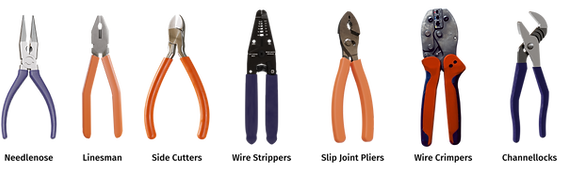
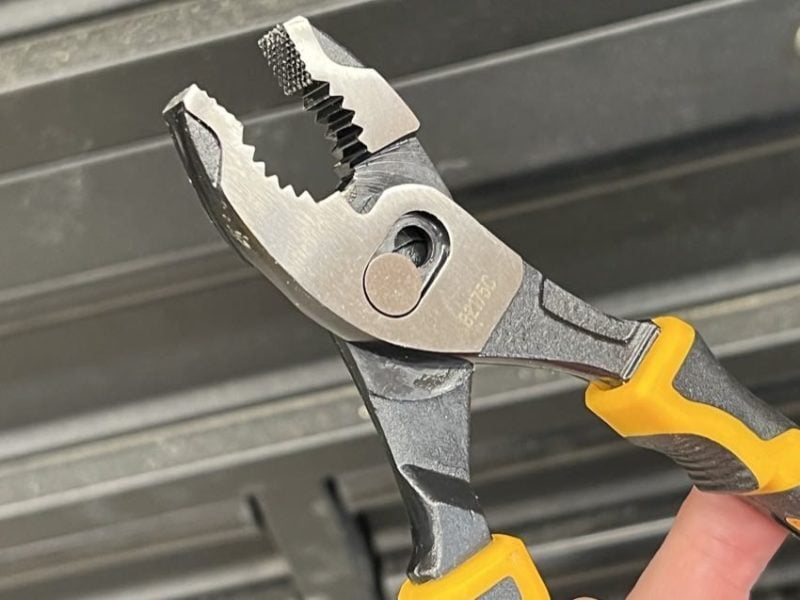
Slip-joint pliers have adjustable jaws. You can change their size by sliding the pivot point. They work well for gripping objects of different sizes.
Needle-nose Pliers
Needle-nose pliers have long, thin jaws. They are great for reaching into tight spaces and bending small wires. Electricians often use them for detailed work.
Lineman’s Pliers
Lineman’s pliers are strong and heavy-duty. They have flat gripping surfaces and cutting edges. These pliers are ideal for twisting wires and cutting cables.
Tongue-and-groove Pliers
Tongue-and-groove pliers adjust to many sizes with their sliding mechanism. They provide a firm grip on pipes and rounded objects. These pliers are common in plumbing work.
- Adjustable jaw width
- Good for plumbing tasks
- Firm grip on round shapes
Diagonal Cutting Pliers
Diagonal cutting pliers are made for cutting wire. Their angled jaws allow a clean cut close to the surface. They are not used for gripping but only for cutting.
| Type | Main Use | Key Feature |
|---|---|---|
| Slip-Joint Pliers | Gripping various sizes | Adjustable pivot |
| Needle-Nose Pliers | Reach tight spaces | Long, thin jaws |
| Lineman’s Pliers | Twisting and cutting wire | Strong, flat jaws |
| Tongue-and-Groove Pliers | Gripping pipes | Sliding adjustment |
| Diagonal Cutting Pliers | Cutting wires | Angled cutting jaws |
Materials And Build Quality
Choosing the right pliers depends on their materials and build quality. Good materials make pliers strong and long-lasting.
Knowing about steel types, handle materials, and rust resistance helps you pick the best tool for your work.
Steel Types
Pliers are made from different steel types. Each type affects strength and durability.
- Carbon Steel:Strong and hard but can rust without protection.
- Alloy Steel:Contains extra metals for better toughness and wear resistance.
- Stainless Steel:Resists rust but may be less strong than carbon steel.
- Chromium-Vanadium Steel:Very tough and commonly used in quality pliers.
Handle Materials
Handles provide grip and comfort. The right material reduces hand fatigue and improves control.
| Material | Benefits | Drawbacks |
| Plastic | Lightweight and affordable | Less durable |
| Rubber | Non-slip and comfortable | Can wear out over time |
| Vinyl | Durable and easy to clean | May feel hard in cold weather |
| Wood | Traditional look and feel | Less common, can crack |
Rust Resistance
Rust weakens pliers and reduces their lifespan. Look for features that prevent rust.
- Choose pliers with stainless steel or coated steel.
- Look for tools with protective finishes like black oxide or chrome plating.
- Store pliers in dry places to avoid moisture.
- Clean and oil pliers regularly to keep rust away.
Grip And Comfort
Choosing the right pliers means thinking about how they feel in your hand. A good grip helps you work longer without pain. Comfort keeps your hand safe from strain.
Focus on three key parts: ergonomic handles, grip texture, and handle size. Each affects how easy and safe the pliers are to use.
Ergonomic Handles
Ergonomic handles fit the natural shape of your hand. They reduce pressure points and help avoid fatigue. Soft materials like rubber or foam add extra comfort.
Grip Texture
The texture on the handles helps prevent slipping. Rough or patterned grips give better control. Smooth handles can be slippery, especially if your hands are wet or oily.
- Rubber grips provide cushioning and slip resistance
- Checkered or diamond patterns improve hold
- Plastic grips may be less comfortable but are easy to clean
Handle Size And Shape
Handle size affects how well the pliers fit your hand. Too big or too small handles cause discomfort and reduce control. The shape also matters for wrist position and force.
| Handle Feature | Effect on Comfort |
| Wide Handles | Better for large hands, reduce hand cramps |
| Narrow Handles | Good for small hands, improve precision |
| Curved Shape | Supports natural wrist angle |
| Straight Shape | May cause wrist strain over time |
Jaw Design And Functionality
Pliers come with different jaw designs. Each design fits specific tasks. Choosing the right jaw helps you work well.
Understanding jaw shape, cutting edge, and teeth pattern is key. These parts affect how pliers grip and cut.
Jaw Shape
Jaw shape determines how pliers hold objects. Some jaws are flat for gripping flat items. Others are rounded for pipes.
Pointed jaws reach small spaces. Wide jaws hold larger objects. Pick a shape that matches your job.
- Flat jaws: hold flat or square items
- Round jaws: grip pipes or rods
- Needle jaws: reach tight spots
- Wide jaws: hold big objects firmly
Cutting Edge
Cutting edges let pliers cut wire and nails. Sharp edges make clean cuts. Dull edges can crush or damage wire.
Some pliers have side cutters for cutting wires. Others have heavier edges for tougher materials. Choose edges based on your work.
- Sharp edges: cut thin wires cleanly
- Heavy edges: cut thick wires and nails
- Side cutters: cut close to surfaces
- Flush cutters: make smooth cuts
Teeth Pattern
Teeth on jaws help grip objects tightly. Different patterns suit different materials. Some teeth are fine for delicate work.
Deep teeth hold rough or round objects well. Shallow teeth work for smooth or flat items. Match teeth to your task for best grip.
- Fine teeth: grip small or delicate parts
- Deep teeth: hold rough or round objects
- Wide teeth: grip large surfaces firmly
- Mixed teeth: versatile for many uses
Size And Weight Considerations
Choosing the right pliers depends on their size and weight. These factors affect how comfortable and effective the tool feels in your hand.
Using pliers that are too big or too heavy can cause hand fatigue. Selecting the proper size and weight helps you work longer and with better control.
Choosing The Right Length
Pliers come in different lengths, usually from 4 to 12 inches. The right length depends on the task and the space you work in.
- Short pliers (4-6 inches) offer better precision and fit tight spaces.
- Medium pliers (7-9 inches) balance control and reach.
- Long pliers (10-12 inches) provide more leverage for strong grips.
Choose shorter pliers for fine work and longer ones for heavy-duty tasks. Picking the right length improves your efficiency and safety.
Balancing Weight And Control
| Weight | Effect | Best Use |
| Light | Easy to handle, reduces hand fatigue | Delicate work, long use |
| Medium | Good balance between strength and comfort | General tasks |
| Heavy | More force but tires hands quickly | Heavy gripping or cutting |
Select pliers that feel balanced in your hand. Try holding different weights to find what fits your strength and control needs.
Credit: www.protoolreviews.com
Special Features To Look For
Choosing the right pliers means looking at their special features. These features make the tool easier and safer to use.
Some features help with comfort, while others improve the tool’s function. Knowing these can guide your choice.
Spring-loaded Mechanisms
Spring-loaded pliers open automatically after you squeeze them. This reduces hand strain during repeated use.
This feature is useful for tasks that need many quick grips. It helps you work faster and with less effort.
Insulation For Electrical Work
Pliers with insulated handles protect you from electric shock. These are important for work on live wires.
Look for pliers rated for electrical safety. They usually have a thick, non-slip coating on the handles.
- Rated for specific voltage levels
- Non-conductive handle materials
- Comply with safety standards
Adjustable Jaws
Adjustable jaws let you change the width to grip different sizes. This makes the pliers versatile for many jobs.
With adjustable jaws, you need fewer tools. You can handle small nuts or larger pipes with one plier.
Matching Pliers To Tasks
Pliers come in many shapes and sizes. Choosing the right pliers helps you work faster and safer.
Each job needs a specific type of pliers. Learn which pliers fit different tasks.
Electrical Work
For electrical work, use insulated pliers to protect against electric shock. Needle-nose pliers help reach small wires in tight spaces.
- Insulated pliers for safety
- Needle-nose pliers for precision
- Wire cutters for clean cuts
- Diagonal pliers for cutting tough wires
Plumbing And Pipe Fitting
Plumbers need strong, wide jaws to grip pipes tightly. Tongue-and-groove pliers adjust to different pipe sizes easily.
| Type of Pliers | Best Use |
| Tongue-and-groove | Gripping and turning pipes |
| Slip-joint | Holding and bending small pipes |
| Locking pliers | Clamping pipes firmly |
Automotive Repairs
Automotive repair requires pliers that can handle tough materials. Long nose and locking pliers are common tools in this field.
- Long nose pliers for reaching tight spaces
- Locking pliers to hold parts firmly
- Cutting pliers for wires and cables
- Crimping pliers for electrical connectors
Jewelry Making
Jewelry makers use small, precise pliers for delicate tasks. Flat-nose and round-nose pliers shape and bend wire carefully.
| Pliers Type | Use in Jewelry Making |
|---|---|
| Flat-nose | Holding and bending flat wire |
| Round-nose | Forming loops and curves |
| Chain-nose | Reaching small areas and gripping |
| Wire cutters | Cutting fine wires |

Credit: www.youtube.com
Maintenance Tips
Keeping your pliers in good shape helps them last longer. Regular care also keeps them working well.
Simple maintenance steps can prevent rust and damage. These tips are easy to follow and save money.
Cleaning And Lubrication
Clean your pliers after each use. Dirt and grease can cause rust and stiff joints. Use a dry cloth or brush to remove debris. For sticky parts, apply a small amount of lubricant. This keeps the handles and pivot moving smoothly.
- Wipe pliers with a dry cloth after use
- Use a wire brush for stubborn dirt
- Apply light machine oil to joints
- Remove excess oil with a clean rag
- Let pliers dry fully before storage
Storage Solutions
Store pliers in a dry place to stop rust. Use a toolbox or a pegboard to keep them organized. Avoid tossing pliers in a drawer where they can get damaged or lost. Proper storage also makes it easy to find the right tool quickly.
| Storage Method | Benefit |
| Toolbox | Protects from dust and moisture |
| Pegboard | Keeps tools visible and accessible |
| Tool Roll | Easy to carry and organize |
| Drawer with dividers | Prevents tools from banging |
Sharpening And Repairs
Sharp jaws grip better and cut cleanly. Check pliers for wear or damage before use. Replace or repair any broken parts quickly. Keeping the edges sharp and the pivot tight improves safety and performance.
- Use a fine file to sharpen cutting edges
- Tighten loose pivot screws carefully
- Replace worn grips to prevent slipping
- Check for cracks or bent parts regularly
- Take damaged pliers to a professional for repair

Credit: www.thisoldhouse.com
Frequently Asked Questions
What Types Of Pliers Are Best For Electrical Work?
Needle-nose and lineman’s pliers are ideal for electrical tasks. They allow precise gripping and cutting of wires. Insulated handles ensure safety from electric shocks. Choose pliers with comfortable grips for extended use.
How To Select Pliers For Gripping Versus Cutting?
Gripping pliers have flat or serrated jaws for holding objects securely. Cutting pliers feature sharp edges designed to cut wires or nails. Identify your primary task to pick the right type. Many pliers combine gripping and cutting functions.
Why Is Handle Comfort Important In Pliers?
Comfortable handles reduce hand fatigue during long tasks. Ergonomic designs improve grip and control. Soft, non-slip materials provide safety and ease of use. Prioritize handle comfort to enhance efficiency and prevent injuries.
Can I Use One Pair Of Pliers For All Tasks?
No, different tasks require specific pliers types. Using wrong pliers may damage tools or workpieces. Invest in a basic set covering gripping, cutting, and bending needs. Proper pliers improve precision and durability.
Conclusion
Choosing the right pliers makes any task easier and safer. Consider the type of job before buying. Match the pliers to the task. Pay attention to grip and comfort. Quality matters, so invest in a reliable brand. Test the pliers’ weight and feel.
A balanced tool improves performance. Different materials suit different needs. Stainless steel is durable. Rubber grips enhance control. Always prioritize safety and efficiency. With these tips, selecting the right pliers becomes straightforward. Happy shopping and safe handling!