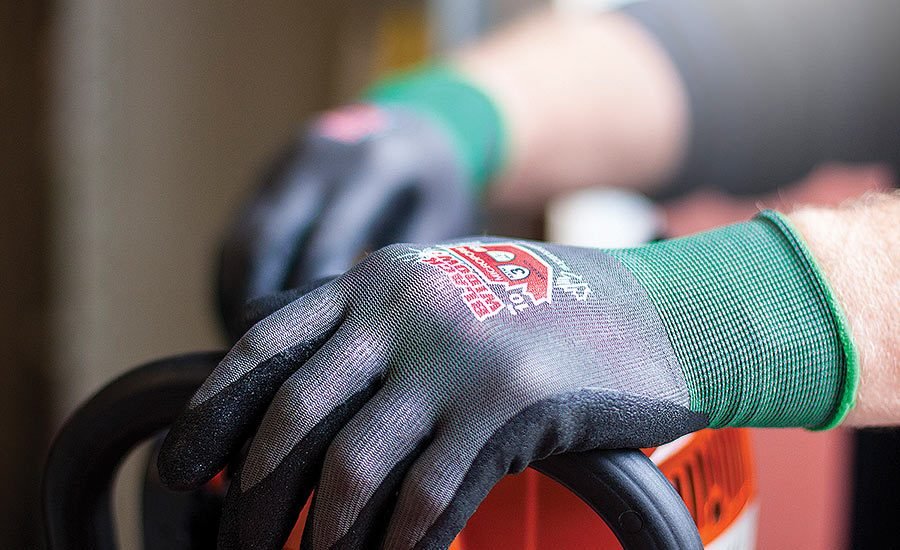
When you’re working with wood, your hands face many risks—from sharp tools to rough surfaces. Choosing the right safety gloves isn’t just about comfort; it’s about protecting yourself from cuts, splinters, and even serious injuries.
But with so many options out there, how do you know which gloves are best for your specific woodworking needs? You’ll discover simple, practical tips to pick gloves that keep you safe without slowing you down. Keep reading to make sure your hands stay protected on every project.
Types Of Safety Gloves
Choosing the right safety gloves is important for woodworking. Gloves protect your hands from cuts, splinters, and chemicals. Different gloves serve different needs.
Knowing the types of gloves helps you pick the best one for your work. Here are the main types of safety gloves used in woodworking.
Leather Gloves
Leather gloves are strong and durable. They protect hands from rough wood and splinters. These gloves also offer good grip and comfort.
They work well for general woodworking tasks. Leather gloves resist heat and abrasion but do not protect against cuts.
Cut-resistant Gloves
Cut-resistant gloves protect your hands from sharp tools and blades. They are made from tough fibers like Kevlar or metal mesh.
These gloves reduce the risk of deep cuts. They are essential when using saws or sharp knives in woodworking.
- Made with special fibers for cut protection
- Lightweight and flexible for better control
- Not always heat resistant
Impact-resistant Gloves
Impact-resistant gloves have extra padding on the knuckles and fingers. They protect your hands from bumps and heavy objects.
These gloves help prevent bruises and fractures. They are useful when handling heavy wood or power tools.
- Padded areas absorb shocks
- Flexible for easy hand movement
- Good for heavy-duty woodworking tasks
Chemical-resistant Gloves
Chemical-resistant gloves protect your skin from stains and burns. They are made from materials like nitrile or neoprene.
Use these gloves when working with wood stains, paints, or adhesives. They keep harmful chemicals off your skin.
- Resist solvents and chemicals
- Waterproof and flexible
- Not for heavy impact or cut protection

Credit: www.reddit.com
Key Features To Consider
Choosing the right safety gloves is important for woodworking. Good gloves protect your hands from cuts and splinters.
Look at key features like durability, grip, comfort, and protection level. These help you pick gloves that work well.
Durability And Material
Durable gloves last longer and protect better. The material affects how strong the gloves are.
Leather is tough and protects well. Synthetic materials can be lighter and more flexible.
- Leather: strong, good for heavy work
- Synthetic: flexible, often water-resistant
- Kevlar: cut-resistant, good for sharp tools
- Rubber-coated: adds grip and water resistance
Grip And Dexterity
Good grip helps you hold tools safely. Dexterity means you can move your fingers easily.
Look for gloves with textured palms or rubber coatings. Thin gloves offer better finger movement.
- Textured palms improve holding power
- Thin materials allow precise movements
- Flexible gloves reduce hand fatigue
Comfort And Fit
Comfort affects how long you can wear gloves. Gloves that fit well reduce hand strain.
Choose gloves that match your hand size. Look for breathable materials to keep hands cool.
- Proper size prevents slipping
- Breathable fabric reduces sweat
- Soft lining adds comfort
Protection Level
Gloves must protect against cuts, splinters, and impacts. Different tasks need different protection levels.
Check if gloves have cut resistance or padding. Choose gloves that fit the dangers of your work.
- Cut-resistant gloves for sharp tools
- Padded gloves for heavy or impact work
- Waterproof gloves for wet conditions
Matching Gloves To Woodworking Tasks
Choosing the right safety gloves is important for woodworking. Different tasks need different glove features.
Wearing the correct gloves protects your hands and helps you work better. Learn how to match gloves to tasks.
Handling Rough Lumber
Rough lumber can cause splinters and cuts. Use gloves that protect against sharp edges and rough surfaces.
Look for gloves made of thick leather or heavy-duty fabric. These materials protect without losing grip.
- Thick leather gloves
- Reinforced palm areas
- Good grip on rough surfaces
- Durable and tear-resistant
Operating Power Tools
Power tools need gloves that allow control and protect from cuts. Avoid bulky gloves that reduce finger movement.
Choose gloves with thin but strong material. They should resist cuts and heat from tools.
- Cut-resistant gloves
- Thin, flexible materials
- Heat-resistant properties
- Snug fit for control
Sanding And Finishing
Sanding creates dust and small particles. Gloves should protect hands but allow smooth movements.
Use gloves that fit well and are easy to clean. Avoid thick gloves that reduce feel and control.
- Lightweight gloves
- Flexible and breathable
- Easy to wash
- Good grip on tools
Using Chemicals And Adhesives
Chemicals and adhesives can harm skin. Use gloves that block chemicals and prevent leaks.
Look for gloves made from rubber or nitrile. They protect from solvents and sticky substances.
- Rubber or nitrile gloves
- Chemical-resistant materials
- Long cuffs to protect wrists
- Non-porous surface
Maintenance And Care Tips
Keeping your safety gloves clean and in good shape helps protect your hands. Proper care extends the life of your gloves. It also keeps them comfortable and safe to use.
Follow simple steps to maintain your gloves. Clean them regularly, store them well, and know when to replace them.
Cleaning Methods
Different glove materials need different cleaning methods. Leather gloves require gentle cleaning. Synthetic gloves can often be washed with water and mild soap.
- Use a damp cloth to wipe leather gloves clean.
- Hand wash synthetic gloves with mild soap and water.
- Air dry gloves away from direct heat or sunlight.
- Avoid using harsh chemicals or bleach on gloves.
- Check manufacturer instructions before cleaning.
Storage Suggestions
Storing gloves properly keeps them safe from damage and dirt. Avoid folding or crushing gloves to keep their shape.
| Storage Tip | Reason |
| Keep gloves in a cool, dry place | Prevents mold and mildew |
| Store gloves flat or hung up | Maintains shape and fit |
| Keep gloves away from sunlight | Prevents material breakdown |
| Do not store gloves near chemicals | Avoids damage and stains |
When To Replace Gloves
Check gloves before each use. Replace them if you find any damage. Small tears or holes reduce protection.
- Look for cracks, holes, or worn spots.
- Replace gloves if they feel stiff or brittle.
- Change gloves after heavy exposure to moisture.
- Replace gloves that no longer fit properly.
Safety Standards And Certifications
Choosing the right safety gloves for woodworking means understanding safety standards. These standards show how well gloves protect against common risks.
Certifications help woodworkers find gloves that meet safety needs. They also ensure the gloves are tested and reliable.
Common Certifications
Several certifications focus on different protection aspects. These include cut resistance, impact protection, and chemical safety.
- ANSI/ISEA 105: Measures cut, puncture, and abrasion resistance
- EN 388: European standard for mechanical risks
- EN 407: Focuses on heat and flame resistance
- CE Marking: Shows compliance with EU safety rules
What They Mean For Woodworkers
Woodworkers face risks like sharp tools, splinters, and heat. Certifications help choose gloves that protect well from these hazards.
| Certification | Protection Type | Importance for Woodworkers |
| ANSI/ISEA 105 | Cut and Puncture Resistance | Prevents injuries from blades and nails |
| EN 388 | Mechanical Risks | Guards against abrasion and tears |
| EN 407 | Heat and Flame | Protects from burns during hot tasks |
| CE Marking | General Safety Compliance | Confirms gloves meet safety laws |

Credit: toolant.com

Credit: www.reddit.com
Frequently Asked Questions
What Materials Are Best For Woodworking Safety Gloves?
Leather and synthetic materials are ideal for woodworking gloves. Leather offers durability and protection against splinters. Synthetic gloves provide flexibility and resistance to cuts. Choose materials based on the level of protection and comfort you need for specific woodworking tasks.
How Do I Ensure Gloves Fit Properly For Woodworking?
Proper fit means gloves should be snug but not tight. Ensure fingers move freely without excess material. Gloves too loose may reduce grip, while tight gloves can cause discomfort. Measure your hand size and try different brands for the best fit.
Can Safety Gloves Protect Against Sharp Tools?
Yes, cut-resistant gloves protect hands from sharp woodworking tools. Look for gloves with high cut ratings like ANSI or EN standards. These gloves offer a reliable barrier against blades, saws, and chisels, reducing injury risk during woodworking.
How Often Should I Replace My Woodworking Gloves?
Replace gloves when they show signs of wear or damage. Cracks, tears, or thinning reduce protection. Regular inspection ensures safety. Depending on use frequency, gloves may need replacement every few months to maintain effectiveness.
Conclusion
Choosing the right safety gloves protects your hands during woodworking. Consider the glove material for comfort and durability. Check for good grip to handle tools safely. Make sure the gloves fit well to avoid accidents. Remember, safety gloves help prevent cuts and splinters.
Always pick gloves that suit your specific woodworking tasks. Stay safe and enjoy your woodworking projects with the right gloves.