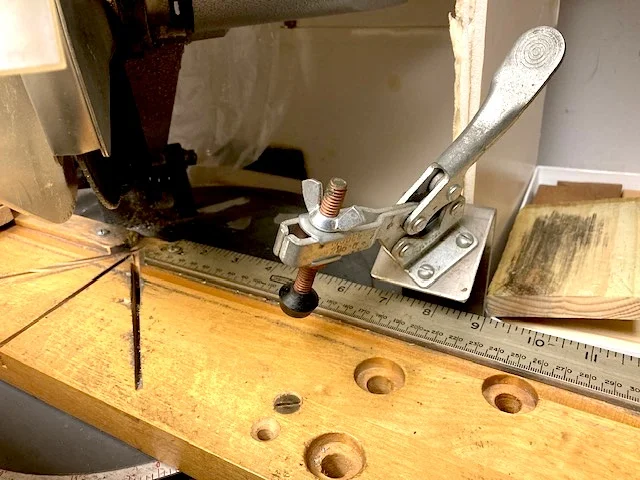
When it comes to cutting materials precisely, the way you clamp your pieces can make all the difference. If your cuts aren’t accurate, your whole project can suffer.
You might waste time, money, and effort fixing mistakes that could have been avoided. But don’t worry—clamping your pieces correctly is easier than you think. You’ll discover simple, effective tips to hold your materials steady and get perfect cuts every time.
Ready to take your cutting skills to the next level? Keep reading and learn how to clamp like a pro.
Choosing The Right Clamp
Clamping pieces correctly helps you cut with accuracy. The right clamp holds materials steady. It stops movement during cutting.
Choosing a clamp depends on your project. You must think about the type, size, and strength.
Types Of Clamps For Cutting
Different clamps work for different cutting tasks. Some clamps hold wood better. Others fit thin or thick pieces.
- Bar Clamps – good for wide or large pieces
- C-Clamps – strong and simple for small jobs
- Spring Clamps – quick and easy to use
- Pipe Clamps – adjustable and strong for big projects
Material And Size Considerations
Match the clamp size to your material size. Small clamps fit thin wood or metal. Large clamps work on thick pieces.
Clamp materials vary too. Steel clamps last long and hold tight. Plastic clamps are light but less strong.
- Use larger clamps for big or heavy materials
- Choose clamp material based on project needs
- Check clamp jaw size fits your material thickness
Clamp Strength And Stability
Strong clamps keep pieces from moving. Stability during cutting means cleaner cuts. Weak clamps cause slips and errors.
Look for clamps with tight gripping power. Solid frames help keep steady pressure. Avoid clamps that bend or flex easily.
- Pick clamps with high clamping force
- Choose clamps with sturdy, rigid frames
- Check for comfortable handles for tight grip
Preparing Pieces For Clamping
Clamping pieces correctly is important for accurate cutting. Preparing the pieces well helps you get clean and precise cuts.
Before clamping, take time to clean and align the pieces. Marking cut lines and using guides also improve accuracy.
Cleaning And Aligning Edges
Remove dust and debris from the edges before clamping. Clean edges fit tightly and reduce mistakes.
Check that the edges line up straight. Align edges carefully to avoid uneven cuts or gaps.
- Use a brush or cloth to clean edges
- Check edges with a square or straightedge
- Adjust pieces until edges are flush
Marking Cut Lines Clearly
Draw clear cut lines on the pieces to guide your saw or tool. Sharp lines help you follow the cut path easily.
Use a pencil or marker that shows well on the material. Avoid faint or smudged lines that can cause confusion.
- Use a ruler or straightedge to draw lines
- Mark both sides if possible for better visibility
- Check lines before clamping to ensure accuracy
Using Guides And Jigs
Guides and jigs help keep your pieces steady and aligned during cutting. They reduce movement and errors.
Attach guides or jigs firmly before clamping. This setup makes cutting faster and more precise.
- Use a straight guide for long cuts
- Build or buy jigs for common shapes
- Clamp guides securely with the pieces
Clamping Techniques For Precision
Using clamps correctly helps keep pieces steady for accurate cutting. It stops movement and makes sure cuts are straight.
Good clamping methods improve safety and give better results. Learn how to place clamps and apply pressure evenly.
Positioning Clamps Effectively
Place clamps near the cutting line but not in the way of the blade. This holds pieces firmly without blocking your view.
- Use clamps on both sides of the cut for balance.
- Keep clamps close to the work surface to avoid wobbling.
- Do not put clamps too far apart; the piece can flex.
- Choose clamp sizes that fit your material thickness.
Applying Even Pressure
Even pressure prevents gaps and keeps pieces aligned. Tighten clamps slowly to avoid bending or cracking the material.
| Pressure Level | Effect |
| Too Low | Piece moves during cutting |
| Just Right | Piece is stable without damage |
| Too High | Material may deform or clamp marks appear |
Avoiding Clamp Slippage
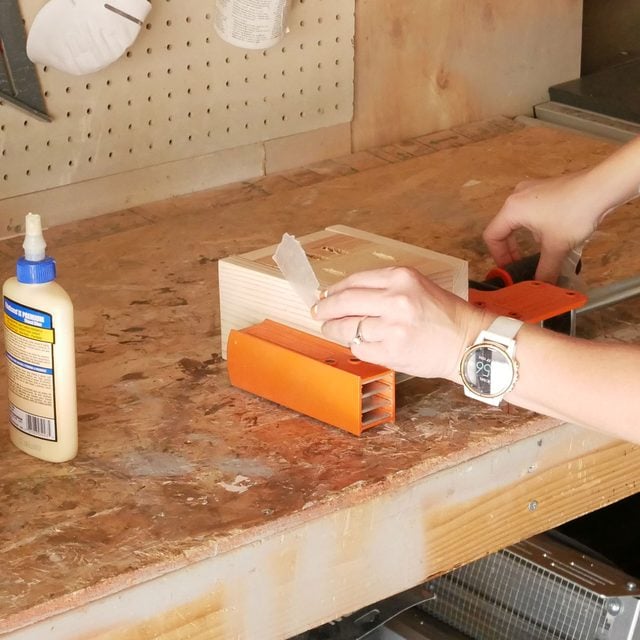
Clamp slippage causes mistakes and waste. Use these tips to keep clamps from slipping off your pieces.
- Clean surfaces before clamping to remove dust and oil.
- Use clamps with rubber pads to increase grip.
- Check clamps often and retighten if needed.
- Place wood scrap between clamp and workpiece to protect edges.
Credit: www.familyhandyman.com
Cutting Tips With Clamped Pieces
Clamping pieces firmly helps you cut accurately and safely. It keeps materials from moving while you work.
Using clamps correctly can improve your cutting results. Here are some tips to help you cut better with clamped pieces.
Choosing The Right Cutting Tools
Select tools that fit the material and type of cut. Sharp blades give cleaner cuts and reduce effort.
Use saws, knives, or scissors made for the job. The right tool helps you work faster and safer.
- Use a fine-toothed saw for wood and plastic
- Sharp utility knives work well for thin materials
- Heavy-duty scissors are best for fabric
- Electric cutters offer precision for thick materials
Maintaining Steady Hands And Speed
Hold your cutting tool firmly but do not force it. Move smoothly at a steady speed for better control.
Rushing causes mistakes and uneven edges. Take your time to follow the cut line closely.
- Keep your arm steady and avoid jerky movements
- Use both hands if possible for balance
- Keep your eyes on the cut line, not the blade tip
- Pause if you feel tired or lose focus
Checking Alignment During Cuts
Before you start, make sure the pieces are lined up correctly. Clamps help hold the material steady.
Check alignment often as you cut. Stop if the pieces shift and adjust the clamps if needed.
- Use a ruler or straight edge to check lines
- Look from different angles to spot misalignment
- Clamp tightly but avoid damaging the material
- Reposition clamps if the material moves during cutting
Safety Measures While Clamping And Cutting
Clamping pieces securely is important for accurate cutting. Safety measures help prevent accidents and injuries.
Using the right tools and techniques keeps your workspace safe. Follow simple rules to protect yourself and your work.
Using Protective Gear
Wear protective gear to shield your body from cuts and dust. Safety glasses protect your eyes from flying debris.
Gloves help protect your hands but use ones that fit well. Ear protection lowers noise from power tools during cutting.
- Safety glasses or goggles
- Fitted work gloves
- Ear plugs or earmuffs
- Dust mask if needed
Ensuring Workspace Stability
Keep your workspace clean and organized to avoid slips. Secure your workbench or table so it does not move.
Place clamps on a flat surface to hold pieces steady. Avoid clutter near the cutting area to keep focus and safety.
- Use a stable workbench
- Clear the area of loose tools
- Check clamps are tight before cutting
- Work in a well-lit space
Handling Clamps Safely
Use clamps that fit the size of your workpieces. Do not over-tighten clamps to avoid damaging materials or tools.
Release clamps slowly to keep control of the pieces. Keep fingers clear of clamp jaws to prevent pinching injuries.
- Select correct clamp size
- Tighten clamps firmly but gently
- Release clamps with care
- Keep hands away from clamp edges

Credit: www.familyhandyman.com
Troubleshooting Common Clamping Issues
Clamping pieces tightly is important for accurate cutting. Sometimes, problems happen that make clamping hard. These problems can cause mistakes in your cuts.
Knowing how to fix clamping issues helps you work better. This guide covers common problems and how to solve them.
Dealing With Warped Materials
Warped wood or materials do not lie flat. This makes clamping uneven and cuts inaccurate. You need to adjust your clamps to hold warped pieces firmly.
Try using scrap wood to press the warped areas. This spreads the pressure evenly and keeps the piece steady.
- Place a flat board under the warped piece
- Use softer clamps to avoid damage
- Add spacer blocks to fill gaps
- Clamp slowly and check alignment
Fixing Clamp Marks On Workpieces
Clamps can leave marks or dents on soft wood or finished surfaces. These marks spoil your work’s look. You can prevent or fix these marks easily.
Use padding like scrap cloth or rubber between the clamp and the workpiece. If marks appear, sanding can remove them without much effort.
- Wrap clamp jaws with tape or cloth
- Use wide clamps to spread pressure
- Sand gently to remove minor marks
- Apply finish after sanding
Adjusting For Uneven Surfaces
Uneven surfaces make clamping tricky because clamps do not grip well. You must balance the clamp pressure to avoid slipping or damage.
Use shim pieces to fill gaps and create a flat clamping surface. This helps clamps hold the material firmly and evenly.
- Place thin wooden shims where gaps exist
- Check the clamp pressure as you tighten
- Use adjustable clamps for better fit
- Reposition clamps if needed to improve grip

Credit: www.reddit.com
Frequently Asked Questions
How Do Clamps Improve Cutting Accuracy?
Clamps hold materials firmly, preventing movement during cutting. This ensures precise, straight cuts and reduces errors or material waste. Proper clamping stabilizes the workpiece, improving safety and cutting quality for better project results.
What Types Of Clamps Work Best For Cutting?
Bar clamps and C-clamps are ideal for cutting tasks. They provide strong, even pressure and easy adjustments. Quick-release clamps also speed up setup while maintaining stability. Choose clamps that fit your material size and cutting tool.
How To Position Clamps For Accurate Cuts?
Place clamps close to the cutting line, but not obstructing the blade. Use multiple clamps to evenly secure the material. Ensure even pressure distribution to avoid shifting or warping during cutting for the most precise results.
Can Clamping Prevent Blade Binding During Cutting?
Yes, clamping stabilizes the material, reducing vibrations and movement. This minimizes blade binding and kickback risks. Secure clamping keeps the cut line clear and the blade moving smoothly, enhancing safety and cut quality.
Conclusion
Accurate clamping ensures precise cuts every time. It’s crucial for quality work. Secure your pieces firmly to avoid movement. Use the right clamps for different materials. Test clamp pressure to prevent damage. Practice makes perfect. Good clamping leads to better results.
Invest time to learn and improve. Safety comes first; always prioritize it. With these tips, your cutting skills will enhance. Keep tools and workspace organized. Consistency is key in woodworking. Enjoy the process. Each project becomes easier with experience. Happy cutting!