If you own a jigsaw, you know how handy it is for cutting curves and shapes with ease. But have you ever stopped to think about how clean and well-maintained your tool is?
Taking just a few minutes to clean and care for your jigsaw can make it work better, last longer, and save you money on repairs. In this guide, you’ll discover simple steps you can follow right now to keep your jigsaw in top shape.
Ready to make your tool more reliable and efficient? Let’s dive in and learn how to clean and maintain your jigsaw like a pro.
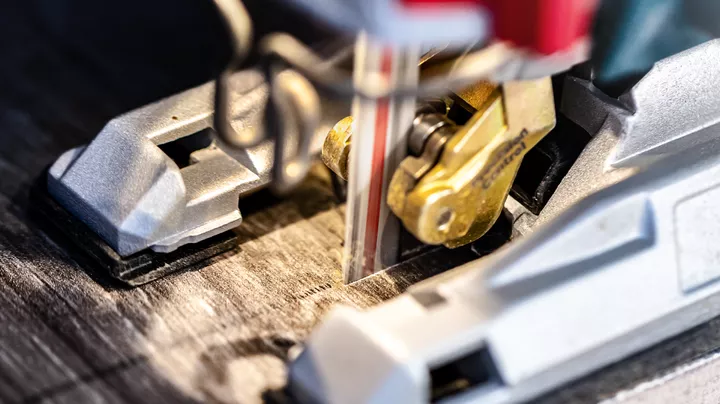
Credit: www.bosch-pt.com.au
Choosing The Right Jigsaw
Picking the right jigsaw is important for clean and safe cuts. The right tool fits your needs and project types.
This guide helps you understand jigsaw types and key features to find the best match.
Types Of Jigsaws
Jigsaws come in different designs. Each type suits certain tasks better.
- Corded Jigsaws:Need to stay near power outlets. Provide steady power for long jobs.
- Cordless Jigsaws:Run on batteries. Offer freedom to move around easily.
- Compact Jigsaws:Small and light. Good for tight spaces and light work.
- Heavy-Duty Jigsaws:Built for tough materials. Often have stronger motors.
Features To Look For
Look for features that make your work easier and improve accuracy.
| Feature | Purpose | Benefit |
|---|---|---|
| Variable Speed Control | Adjust blade speed | Better control on different materials |
| Orbital Action | Blade moves in a slight forward and backward motion | Faster cuts through wood and soft materials |
| Beveling Base | Tilts the base for angled cuts | Allows precise bevel cuts up to 45 degrees |
| Tool-less Blade Change | Change blades quickly | Saves time and effort on the job |
| Dust Blower | Clears cutting line | Improves visibility while cutting |
Essential Cleaning Tools
Keeping your jigsaw clean helps it work better and last longer. Using the right tools makes cleaning easier and safer.
This guide explains the main tools you need to clean and maintain your jigsaw properly.
Brushes And Cloths
Brushes remove dust and debris from the jigsaw’s hard-to-reach parts. Soft cloths wipe the surfaces clean without scratching.
Use a small brush to clean the blade area and vents. A microfiber cloth works well for wiping the body of the tool.
- Use a stiff-bristled brush for stubborn dirt
- Use a soft brush for delicate parts
- Microfiber cloths prevent scratches and hold dust
- Keep cloths dry or slightly damp for better cleaning
Lubricants And Cleaners
Lubricants keep the moving parts of your jigsaw running smoothly. Cleaners remove grease, oil, and grime safely.
Choose lubricants made for power tools. Use mild cleaners that do not harm the tool’s surface or internal parts.
- Use light machine oil for blade guides and moving parts
- Use spray lubricant for hard-to-reach areas
- Avoid harsh chemicals that can damage plastic parts
- Use a soft cloth to apply cleaners and polish surfaces
Step-by-step Cleaning Process
Keeping your jigsaw clean helps it work better and last longer. Dirt and dust can slow it down or cause damage.
This guide shows simple steps to clean your jigsaw safely and well. Follow each step carefully for best results.
Unplugging And Safety Measures
Always unplug the jigsaw before cleaning. This stops any chance of it turning on by mistake.
Wear safety gloves to protect your hands from sharp parts. Work in a clear, well-lit area.
Removing The Blade
Remove the blade to clean the jigsaw properly. This also prevents injury while cleaning.
Use the tool or lever on your jigsaw to unlock and take out the blade. Check the manual if unsure.
Cleaning The Exterior
Wipe the outside of the jigsaw with a damp cloth. Avoid getting water inside the machine.
- Use mild soap if needed
- Dry the jigsaw with a soft cloth
- Do not spray water or cleaners directly
Cleaning The Blade And Blade Holder
Clean the blade with a cloth or soft brush. Remove any stuck wood or resin.
Check the blade holder for dirt. Use a small brush or compressed air to clean it well.
Clearing Dust And Debris Inside
Dust inside the jigsaw can cause problems. Open the cover if possible to access the inside.
Use compressed air or a soft brush to clear dust and debris from vents and gears. Do not use water inside.
Lubrication And Maintenance
Keeping your jigsaw in good shape requires regular care. Lubrication and maintenance help it run smoothly. This guide covers key steps to keep your tool working well.
Proper care extends the life of your jigsaw and improves safety. Pay attention to moving parts, check for damage, and replace blades as needed.
Lubricating Moving Parts
Lubricate the moving parts of your jigsaw regularly. This reduces friction and prevents rust. Focus on the blade clamp, guide rollers, and gear mechanism.
- Use light machine oil or silicone spray
- Apply a small amount to the blade clamp and blade holder
- Wipe off excess oil to avoid dust buildup
- Do not over-lubricate as it can attract dirt
Checking For Wear And Tear
Inspect your jigsaw regularly for signs of damage. Look for worn parts and loose screws. Early detection prevents bigger problems.
| Part | Signs of Wear | Action |
| Blade Clamp | Loose grip, rust | Tighten or clean |
| Power Cord | Cracks, exposed wires | Replace immediately |
| Guide Rollers | Worn surfaces | Replace if needed |
| Motor Brushes | Excessive sparking | Change brushes |
Blade Replacement Tips
Changing the blade is important for clean cuts. Use the correct blade type for your material. Always unplug the tool before replacing blades.
- Release the blade clamp or use the tool-free lever
- Remove the old blade carefully to avoid injury
- Insert the new blade with the teeth facing forward
- Secure the blade firmly in place
- Test the blade by running the jigsaw briefly
Storage And Handling
Keeping your jigsaw in good shape needs proper care. Storing and handling it right makes the tool last longer.
Clean your jigsaw after use to remove dust and debris. This helps avoid damage and keeps it ready for the next job.
Proper Storage Techniques
Store your jigsaw in a dry, cool place away from moisture. Moisture can cause rust and damage the tool parts.
Use a sturdy case or toolbox to keep the jigsaw safe. This prevents dust and dirt from getting inside the tool.
- Keep the jigsaw in its original case if possible
- Store it upright to avoid bending the blade
- Place it where it won’t fall or get knocked over
- Remove the battery or unplug the cord before storage
Transporting Your Jigsaw Safely
Carry your jigsaw carefully to avoid damage during transport. Use a padded bag or case for extra protection.
Secure the blade or remove it before moving the tool. This stops the blade from bending or hurting someone.
- Turn off and unplug the jigsaw before transport
- Keep the tool in a case or wrap it in cloth
- Hold the jigsaw firmly by its handle
- Avoid placing heavy items on top of the jigsaw
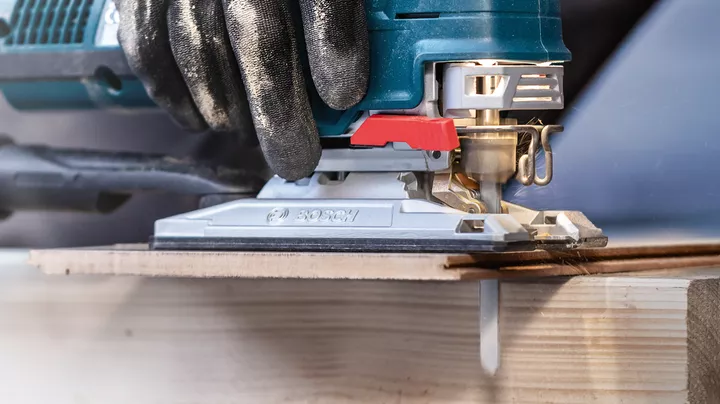
Credit: www.bosch-professional.com
Troubleshooting Common Issues
Jigsaws are useful tools, but they can face problems during use. Knowing how to fix common issues saves time.
This guide covers three common problems and ways to solve them safely and easily.
Jigsaw Not Starting
If your jigsaw does not start, first check the power source. Make sure it is plugged in or the battery is charged.
Look for these common causes:
- Loose power cord or battery connection
- Blown fuse or tripped circuit breaker
- Faulty on/off switch
- Worn-out motor brushes
Blade Stuck Or Jammed
A stuck blade can stop your work and damage the jigsaw. Turn off the tool before inspecting.
| Cause | Solution |
| Blade pinched by hard material | Release the blade gently and avoid forcing it |
| Blade improperly installed | Remove and reinstall the blade correctly |
| Build-up of sawdust or debris | Clean the blade and blade holder carefully |
| Blade dull or damaged | Replace with a new, sharp blade |
Unusual Noises
Strange sounds may indicate a problem with the jigsaw’s parts or use.
Check these possible causes:
- Loose screws or parts causing vibration
- Worn or damaged bearings
- Blade hitting the material at the wrong angle
- Lack of lubrication on moving parts
Regular maintenance and correct use reduce noise and wear.
Tips For Extending Jigsaw Life
Keeping your jigsaw in good shape helps it last longer and work better.
Simple care and using the right parts can prevent damage and save money.
Regular Maintenance Schedule
Check your jigsaw after each use to keep it running well. Clean dust and debris from the blade and body. Lubricate moving parts as needed to avoid rust and wear. Tighten any loose screws or bolts. Store the tool in a dry place.
- Clean the blade and body with a brush or cloth
- Lubricate the moving parts monthly
- Tighten screws and bolts regularly
- Inspect the power cord for damage
- Store in a dry, dust-free area
Using The Right Blades For Each Job
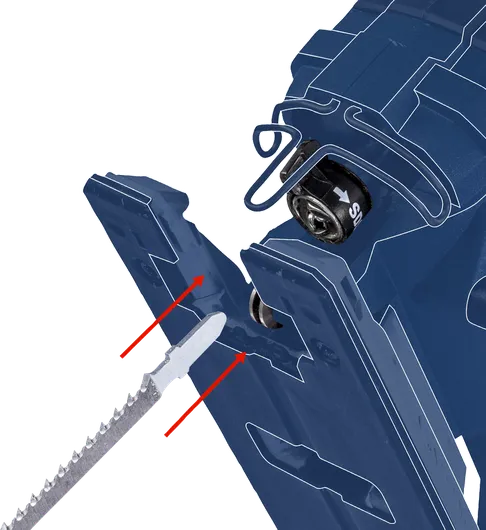
Choosing the correct blade improves cutting and prevents damage. Different materials need specific blade types. Using wrong blades can wear the motor and reduce tool life.
| Material | Recommended Blade Type | Blade Teeth Per Inch (TPI) |
| Wood | High Carbon Steel | 6-10 |
| Metal | Bimetal | 18-24 |
| Plastic | Carbide-Tipped | 10-14 |
| Laminate | Fine-Toothed | 14-20 |
Credit: www.bosch-professional.com
Frequently Asked Questions
How Often Should I Clean My Jigsaw?
Clean your jigsaw after every use to maintain performance. Remove dust, debris, and sawdust from blades and vents. Regular cleaning prevents clogging and overheating, extending the tool’s lifespan.
What Tools Do I Need For Jigsaw Maintenance?
Use a soft brush, cloth, and lubricating oil for maintenance. A small screwdriver helps access tight areas. These tools keep your jigsaw clean, smooth, and functioning properly.
How Do I Safely Clean The Jigsaw Blade?
Unplug the jigsaw before cleaning the blade. Use a brush or cloth to remove debris carefully. Avoid harsh chemicals that may damage the blade or tool parts.
Can I Use Wd-40 To Lubricate My Jigsaw?
Yes, WD-40 is suitable for lubricating moving parts. Apply sparingly to the blade clamp and gears. It prevents rust and ensures smooth operation but avoid excess to prevent dust buildup.
Conclusion
Keeping your jigsaw clean ensures it runs smoothly. Regular maintenance extends its lifespan. Always unplug before cleaning. Wipe surfaces with a damp cloth. Remove sawdust from vents. Use compressed air for hard-to-reach areas. Check blades regularly for wear. Sharp blades cut better and safer.
Store your jigsaw in a dry place. Avoid rust and damage. Following these tips, your jigsaw will stay in top condition. Happy cutting!