Your woodworking tools are more than just instruments—they’re your trusted partners in every project. But without proper care, they can quickly lose their sharpness, rust, or even break.
Imagine the frustration of struggling with dull blades or sticky hinges when you’re in the middle of creating something great. The good news? Cleaning and oiling your tools is easier than you think, and it can save you time, money, and headaches down the road.
You’ll discover simple, step-by-step ways to keep your woodworking tools in top shape, so they work smoothly and last longer. Ready to give your tools the care they deserve? Let’s dive in.
Importance Of Cleaning Woodworking Tools
Keeping woodworking tools clean is key for good results. Dirt and rust make tools less effective. Clean tools work better and last longer.
Regular cleaning helps you avoid damage and keeps your work safe. It also saves money by reducing the need for new tools.
Effects Of Dirt And Rust
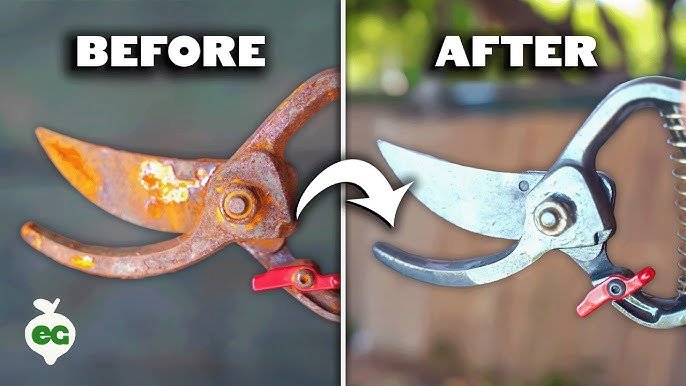
Dirt and rust cause many problems with woodworking tools. They reduce sharpness and can break parts. Rust weakens metal and makes cutting harder.
- Dull edges that need more effort to cut
- Corroded metal that can snap or bend
- Sticky joints that limit tool movement
- Inaccurate cuts due to tool damage
Benefits Of Regular Maintenance
Cleaning and oiling tools often keeps them in top shape. It stops rust and removes dirt before damage starts. Well-maintained tools perform better and last longer.
| Maintenance Action | Benefit |
| Cleaning dirt off blades | Sharper cuts and less wear |
| Oiling moving parts | Smoother operation and less rust |
| Removing rust | Stronger tools and safer use |
| Storing properly | Protection from moisture and damage |
Credit: www.temu.com
Essential Cleaning Supplies
Keeping woodworking tools clean and oiled helps them last longer. Dirt and rust can harm the tools and make work harder. Using the right supplies makes cleaning easier and more effective.
This guide covers the main types of cleaners and solvents. It also lists the best tools for cleaning your woodworking gear.
Types Of Cleaners And Solvents
There are many cleaners for woodworking tools. Some remove rust while others clean oil and dirt. Choosing the right one depends on the tool’s condition and type.
- Mineral Spirits:Good for removing grease and old oil.
- White Vinegar:Works well to dissolve rust on metal parts.
- WD-40:Cleans and protects metal from rust.
- Soap and Water:Simple for light cleaning of wood handles.
- Steel Wool or Sandpaper:Helps remove tough rust spots.
Tools For Cleaning
Using the right cleaning tools makes the job faster and safer. Some tools are good for reaching small areas. Others help protect the tool’s surface.
| Tool | Use |
| Soft Cloths | Wipe off dirt and apply oil |
| Wire Brushes | Remove rust and old paint |
| Toothbrush | Clean small grooves and hard spots |
| Plastic Scrapers | Lift grime without scratching |
| Rubber Gloves | Protect hands from chemicals |
| Oil Applicator | Spread oil evenly on metal parts |
Step-by-step Cleaning Process
Cleaning and oiling woodworking tools keeps them sharp and lasts longer. Dirt, rust, and moisture can damage your tools if you do not care for them right. Follow these steps to clean your tools well.
This guide explains how to remove surface dirt, deal with rust and stains, and dry your tools properly before oiling.
Removing Surface Dirt
Start by wiping off loose dirt and dust from the tool surfaces. Use a dry cloth or a soft brush to clean hard-to-reach areas. For sticky grime, dampen a cloth with mild soapy water and wipe gently.
- Use a soft cloth or brush
- Apply mild soap with water if needed
- Avoid soaking wooden handles in water
- Dry tools immediately after cleaning
Dealing With Rust And Stains
Rust can ruin metal parts of your tools. Use fine steel wool or a rust eraser to scrub the rust spots gently. For tough stains, apply white vinegar or a rust remover and leave it for a few minutes before scrubbing.
| Rust Removal Tool | How to Use |
| Fine steel wool | Rub rust spots gently in circular motion |
| Rust eraser | Scrub rust with light pressure |
| White vinegar | Soak cloth, apply to rust, wait 5–10 minutes, then scrub |
| Rust remover | Follow product instructions carefully |
Drying Techniques
After cleaning, drying your tools is very important. Water left on metal can cause rust. Use a clean, dry cloth to wipe all parts thoroughly. For wooden handles, dry them slowly at room temperature to avoid cracking.
Here are tips to dry your tools correctly:
- Use absorbent cloths for wiping
- Do not use heat sources like hair dryers
- Place tools on a dry towel in a well-ventilated area
- Wait until all parts feel completely dry
Selecting The Right Oil
Cleaning and oiling woodworking tools keeps them sharp and rust-free. Choosing the right oil helps protect your tools and makes them last longer.
Different oils have unique properties. Knowing these helps you pick the best oil for your tools.
Common Oils For Woodworking Tools
Several oils work well on woodworking tools. Each oil suits different needs and tool types.
- Mineral Oil: Safe and non-toxic. Good for hand tools and cutting edges.
- Camellia Oil: Light and dries quickly. Popular for fine woodworking tools.
- Tung Oil: Penetrates deeply and resists water. Ideal for tool handles.
- Linseed Oil: Natural and protective. Often used on wooden parts of tools.
- WD-40: Good for rust prevention but not a long-term lubricant.
Oil Properties And Benefits
| Oil Type | Drying Time | Rust Protection | Best Use |
|---|---|---|---|
| Mineral Oil | Non-drying | Moderate | Blades, cutting edges |
| Camellia Oil | Fast drying | High | Fine tools, blades |
| Tung Oil | Slow drying | High | Handles, wood parts |
| Linseed Oil | Medium drying | Good | Wooden handles, parts |
| WD-40 | Non-drying | Moderate | Rust prevention, quick fix |
Proper Oiling Techniques
Oiling woodworking tools keeps them in good shape. It stops rust and makes tools last longer.
Using the right oil and technique is important. This helps tools work smoothly and stay sharp.
Applying Oil Correctly
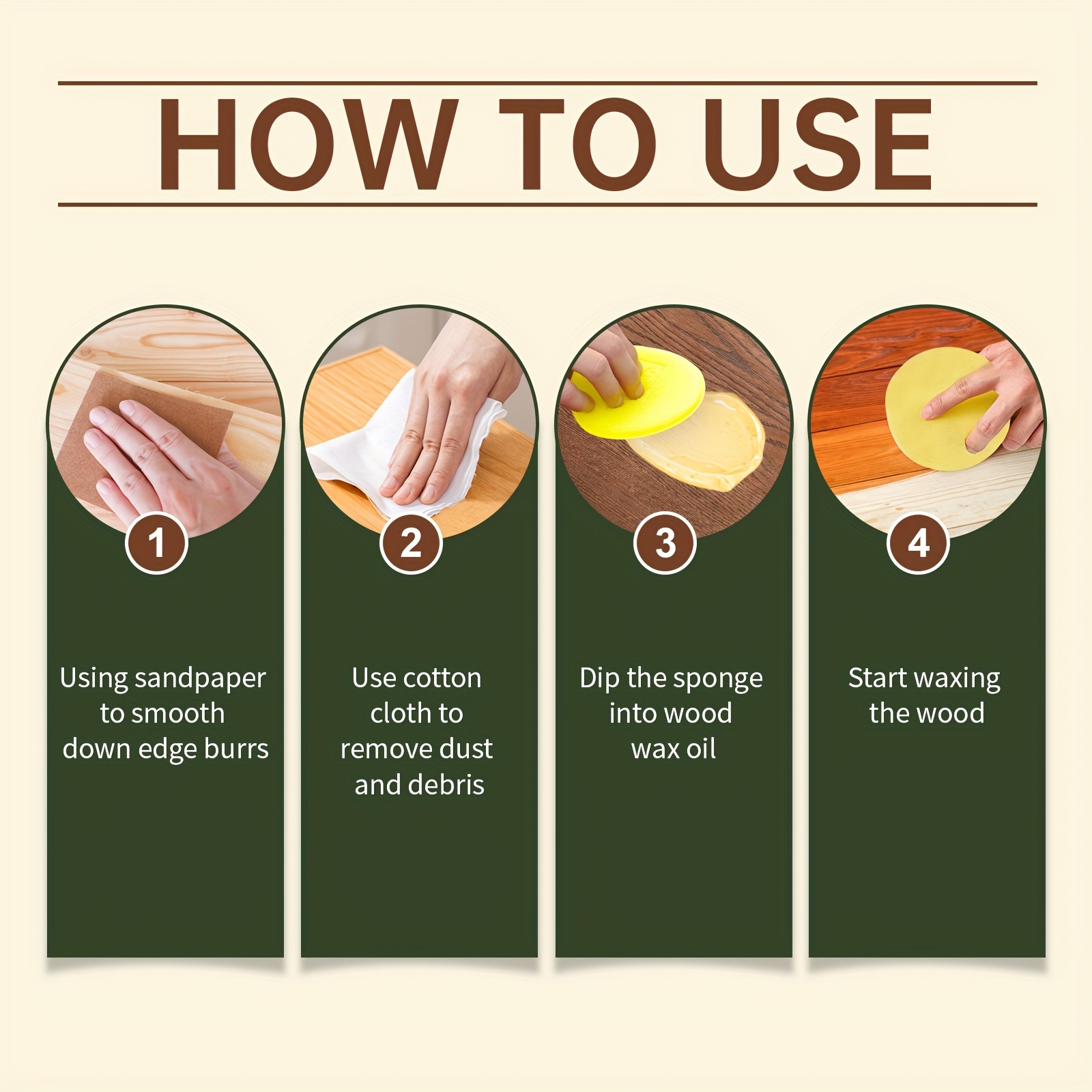
Clean tools before oiling. Remove dirt and old oil with a cloth or brush.
Apply a small amount of oil to a clean cloth. Rub it evenly on metal and wooden parts.
- Use light coats to avoid sticky buildup
- Cover all moving parts and surfaces
- Wipe off any extra oil to prevent dust
- Use oils made for tools like mineral or camellia oil
Frequency Of Oiling
Oil your tools after each use if they get wet or dirty. This stops rust fast.
For tools used less often, oil them every few months. Store tools in a dry place.
- Daily use: oil after every use
- Weekly use: oil once a week
- Infrequent use: oil every 2-3 months
- Always check tools for dryness or rust
Storage Tips For Longevity
Keeping woodworking tools clean and oiled is not enough. Proper storage helps tools last longer.
Storing tools correctly protects them from rust, damage, and wear over time.
Ideal Storage Conditions
Woodworking tools need a dry place with stable temperature. Moisture causes rust and wood warping.
Keep tools away from direct sunlight and extreme heat. These can damage wooden handles and metal parts.
- Store tools in a cool, dry area
- Use airtight containers or toolboxes to reduce moisture
- Keep tools off the floor to avoid dampness
- Maintain room temperature to avoid metal expansion
Preventing Future Damage
Apply oil to metal parts before storage to stop rust. Use light coats to avoid sticky buildup.
Wrap sharp tools in cloth or use blade guards to protect edges and prevent accidents.
- Oil tools after each use
- Check tools regularly for rust or damage
- Keep wooden handles oiled to prevent drying and cracking
- Separate tools to avoid scratches and dents
Troubleshooting Common Issues
Woodworking tools need care to work well. Dirt, rust, and worn parts cause problems. Fixing these issues keeps tools safe and sharp.
This guide helps with two common problems: removing stubborn rust and handling sticky or worn parts. Use these tips to keep your tools in top shape.
Removing Stubborn Rust
Rust can ruin your tools if left too long. It makes metal parts rough and hard to use. Soft rust is easy to clean, but tough rust needs more work.
- Soak the tool in white vinegar for several hours to loosen rust.
- Use a wire brush or steel wool to scrub off the rust gently.
- Apply baking soda paste to neutralize vinegar and clean the surface.
- Rinse the tool with water and dry it completely to stop rust from returning.
- Finish by applying oil to protect metal parts from moisture.
Handling Sticky Or Worn Parts
Sticky parts slow your work and may break. Worn parts lose their fit and function. Fixing these keeps tools safe and easy to use.
| Problem | Cause | Solution |
| Sticky joints | Dirt or old grease buildup | Clean with mineral spirits, then lubricate with light oil |
| Worn handles | Wood cracks or wears down | Sand smooth and apply wood oil or replace handle |
| Loose screws | Thread wear or vibration | Tighten screws or use thread locker |
| Rusty moving parts | Corrosion buildup | Remove rust and apply rust inhibitor oil |

Credit: www.youtube.com
Credit: www.thekitchn.com
Frequently Asked Questions
How Often Should I Clean Woodworking Tools?
It’s best to clean woodworking tools after each use. Regular cleaning prevents rust and ensures optimal performance. If you use them daily, a weekly deep clean is recommended. Always remove dust and debris to maintain tool longevity.
What Type Of Oil Is Best For Tools?
Use mineral oil or specialized tool oil for woodworking tools. These oils prevent rust and ensure smooth operation. Avoid vegetable oils as they can become sticky. Always apply a thin layer to protect the metal surfaces effectively.
Can I Clean Tools With Household Products?
Yes, you can use vinegar and baking soda for cleaning. These household items are effective for removing rust and grime. Ensure tools are thoroughly dried after cleaning. Always follow with an oil application to protect the metal.
Do Power Tools Need Oiling?
Yes, power tools require regular oiling to maintain performance. Lubricate moving parts and joints to prevent wear. Always consult the tool’s manual for specific oiling instructions. This practice extends the life of your power tools significantly.
Conclusion
Cleaning and oiling woodworking tools keeps them sharp and lasting long. Regular care stops rust and damage. It also makes your work easier and safer. Wiping tools after use saves time later. Use the right oil and cloth for best results.
Small efforts make a big difference in tool life. Keep your tools ready for every project. Simple steps lead to great woodworking results. Take care of your tools, and they will take care of you.