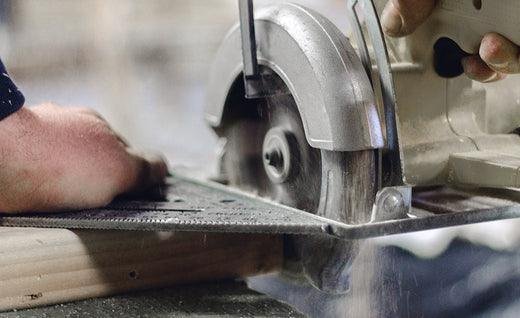
Your circular saw is one of your most valuable tools, but after heavy use, it can get clogged with sawdust, resin, and grime. If you don’t clean it properly, your saw’s performance can drop, and it might even wear out faster.
You want your saw to stay sharp, safe, and ready for the next job, right? You’ll discover simple, effective steps to clean your circular saw quickly and thoroughly. Keep reading to learn how to bring your tool back to life and keep it running smoothly every time you use it.
Tools Needed
Cleaning a circular saw after heavy use keeps it working well. Dirt, sawdust, and resin can build up on the blade and parts. Using the right tools makes cleaning easier and safer.
This guide lists the tools you need to clean your circular saw properly. It covers cleaning supplies and safety gear for the job.
Cleaning Supplies
You need good cleaning supplies to remove sawdust and resin from your circular saw. These supplies help you clean hard-to-reach parts and keep the blade sharp.
- Soft brush or old toothbrush
- Cloth or rags
- Compressed air canister or air blower
- Blade cleaning solution or mild detergent
- Plastic scraper for resin buildup
- Lubricant spray for moving parts
- Small container or bowl for soaking blade
Safety Gear
Wear safety gear to protect yourself while cleaning the saw. The blade is sharp and some cleaning chemicals can irritate skin or eyes.
- Protective gloves to avoid cuts
- Safety glasses to protect eyes
- Dust mask to avoid breathing sawdust
- Long sleeves to protect arms
Preparing The Saw
Cleaning your circular saw after heavy use keeps it safe and working well. Proper preparation helps you clean the tool easily and avoid damage.
Start by getting the saw ready. Follow simple steps to unplug and take it apart safely before cleaning.
Unplugging And Disassembling
Always unplug the saw before doing any cleaning or maintenance. This prevents accidents and electric shocks.
- Locate the power cord and disconnect it from the outlet.
- Wear safety gloves to protect your hands.
- Use the saw’s manual to find parts that you can safely remove.
- Remove the blade guard if it is easy to take off.
- Keep screws and small parts in a container to avoid losing them.
Removing The Blade
Removing the blade helps you clean hard-to-reach areas and check the blade’s condition.
| Tool Needed | Purpose |
|---|---|
| Wrench or Allen key | Loosen the blade bolt |
| Blade lock button | Hold the blade steady |
| Cloth or gloves | Protect your hands when handling the blade |
Cleaning The Blade
Cleaning the circular saw blade after heavy use helps keep it sharp and safe. Dirt and buildup on the blade lower its cutting power.
Regular cleaning stops damage and extends the life of your blade. Focus on removing resin, pitch, and rust.
Removing Resin And Pitch
Resin and pitch build up on the blade from cutting wood. These sticky substances can slow the blade down.
Use a cleaner made for saw blades or a simple mix of water and mild detergent. Soak the blade for a few minutes.
- Wear gloves to protect your hands.
- Use a soft brush to scrub the blade gently.
- Rinse with water and dry completely to stop rust.
Dealing With Rust
Rust can form on blades if they stay wet or are stored in damp places. Rust damages the blade and makes cutting unsafe.
To remove rust, use fine steel wool or a rust remover. Rub the affected areas carefully until the rust is gone.
- Apply oil to the blade after cleaning to prevent rust.
- Store the blade in a dry place.
- Check the blade regularly for new rust spots.
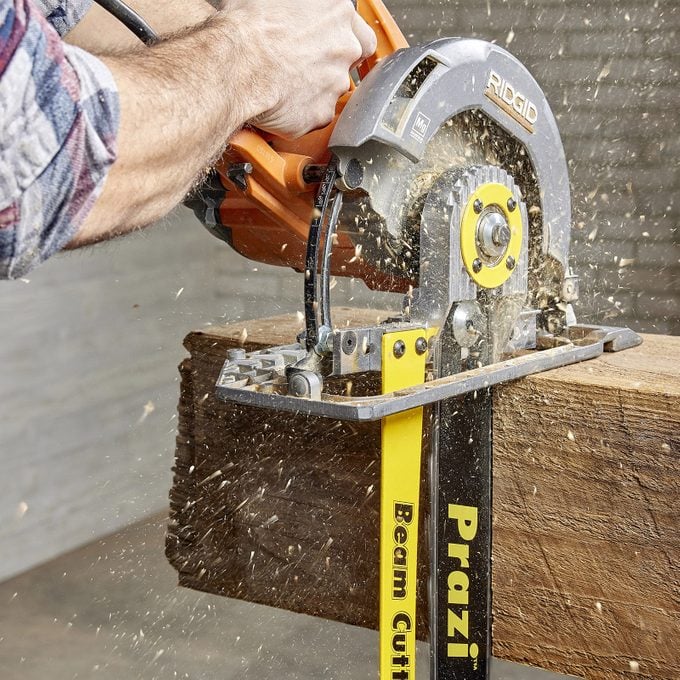
Credit: www.familyhandyman.com
Cleaning The Body
Keeping your circular saw clean helps it work better and last longer. Dirt and sawdust can build up on the body after heavy use. Regular cleaning removes this grime and keeps your tool safe to use.
Focus on clearing dust and debris first. Then, clean the vents and motor housing carefully to avoid damage. Use simple tools and gentle methods to protect the saw’s parts.
Clearing Dust And Debris
Dust and debris collect around the saw blade and body during cutting. Removing this buildup stops jams and overheating. Use a soft brush or cloth to clean hard-to-reach places. Avoid using water directly on the saw.
- Unplug the saw before cleaning
- Brush off sawdust from the blade area
- Wipe the body with a dry or slightly damp cloth
- Use compressed air to blow out stubborn debris
- Check the blade guard and clean any stuck debris
Cleaning Vents And Motor Housing
Vents allow air to cool the motor. Dust can block these vents and cause overheating. Clean them carefully to keep air flowing. Use a soft brush or compressed air for the motor housing.
| Tool | Cleaning Method |
| Soft Brush | Gently remove dust from vents and motor housing |
| Compressed Air | Blow out dust from vents without opening the motor |
| Dry Cloth | Wipe exterior parts of the motor housing |
Lubrication And Maintenance
Cleaning your circular saw after heavy use keeps it working well. Proper lubrication and maintenance prevent damage and extend the tool’s life.
Focus on oiling moving parts and checking screws. These tasks ensure smooth operation and safety during use.
Oiling Moving Parts
Oiling helps reduce friction and wear on your saw’s moving parts. Use light machine oil or lubricant made for power tools.
- Unplug the saw before oiling.
- Apply a few drops of oil to the blade shaft and bearings.
- Wipe off excess oil with a clean cloth.
- Do not over-oil to avoid attracting dust and debris.
- Oil the depth adjustment and bevel gears if accessible.
Checking And Tightening Screws
Loose screws can cause parts to shift or fall off. Regular checks keep your saw safe and accurate.
| Part | Check | Tighten If Needed |
| Blade bolt | Ensure it is secure | Use wrench to tighten firmly |
| Handle screws | Look for looseness | Use screwdriver to tighten |
| Guard screws | Check for damage or looseness | Tighten carefully to avoid stripping |
| Base plate screws | Inspect for stability | Tighten to keep base steady |
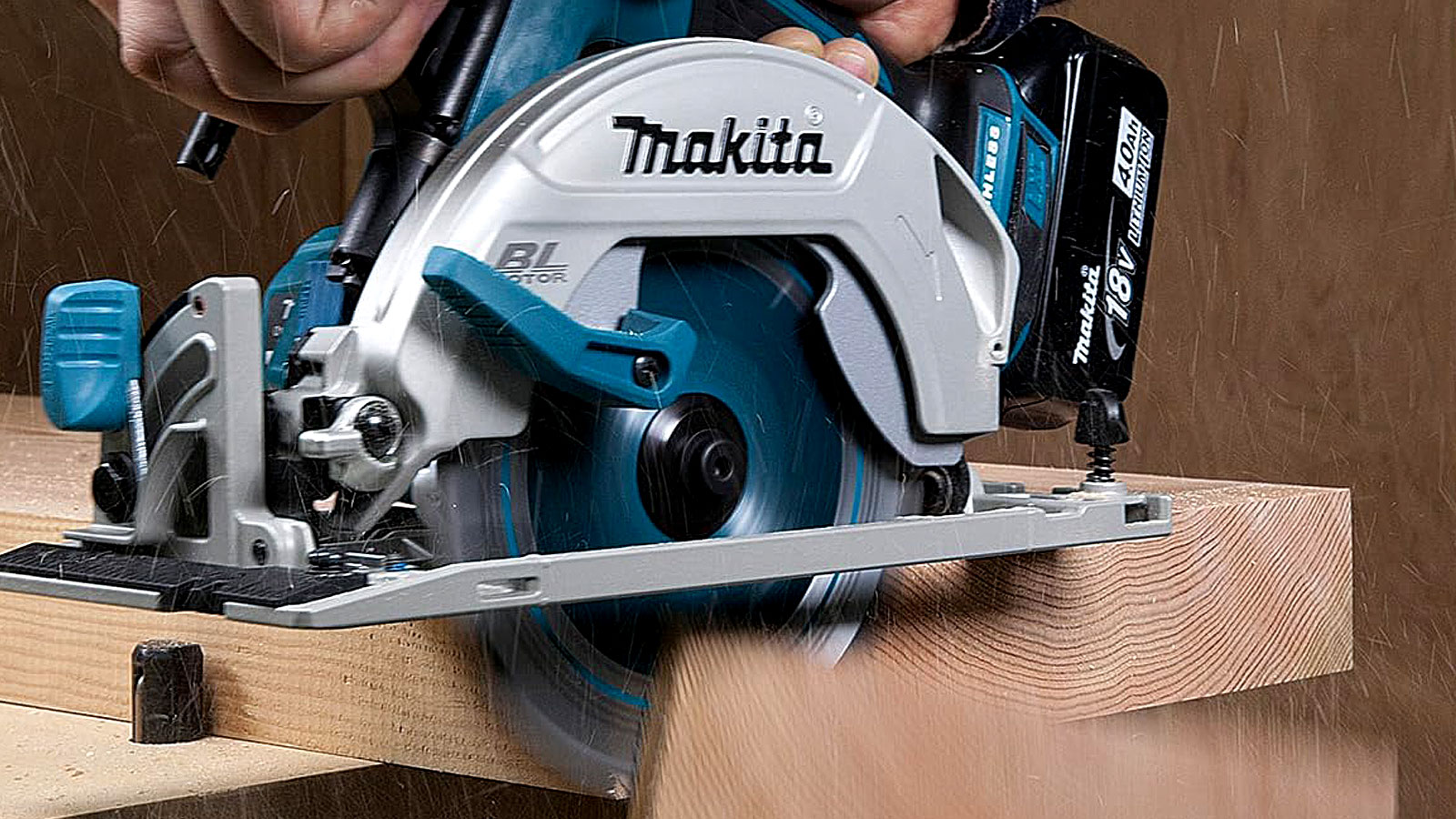
Credit: www.homebuilding.co.uk
Reassembling And Testing
After cleaning your circular saw, putting it back together is key. Proper reassembly keeps the saw working well and safe.
Testing the saw before use ensures all parts fit and the tool runs smoothly. This helps avoid accidents.
Putting The Blade Back
Place the clean blade carefully onto the arbor. Make sure it sits flat and aligns with the bolt hole.
- Insert the blade onto the arbor with the teeth facing the right way.
- Put the washer and bolt back in place.
- Tighten the bolt securely but do not over-tighten.
- Check that the blade spins freely by hand.
Running A Safety Check
Before using the saw again, inspect all parts to confirm safety. Check the blade guard, power cord, and switches.
| Safety Item | What to Check | Action if Faulty |
|---|---|---|
| Blade Guard | Moves freely and covers blade | Repair or replace immediately |
| Power Cord | No cuts or frays | Replace damaged cord |
| Switch | Works smoothly and turns off | Service or replace switch |
Tips For Regular Care
Cleaning your circular saw after heavy use keeps it working well. Dirt and debris can harm the blade and motor.
Regular care helps the saw last longer and stay safe to use. Follow these tips for cleaning and storage.
Cleaning After Each Use
Remove sawdust and debris from the blade and body after every use. This stops buildup that can cause problems.
Use a brush or compressed air to clean tight spots. Avoid water to protect the motor and blade from rust.
- Unplug the saw before cleaning
- Brush off dust from the blade and vents
- Wipe the surface with a dry cloth
- Use compressed air for hard-to-reach areas
- Check for any damage or dull blades
Storing Properly
Keep your saw in a dry, clean place to prevent rust and damage. Avoid damp areas or places with dust.
Store the saw with the blade covered or removed if possible. This keeps the blade sharp and safe.
- Store in a case or toolbox
- Keep away from moisture and heat
- Cover the blade with a guard or sheath
- Place on a stable surface to avoid falls
Credit: www.familyhandyman.com
Frequently Asked Questions
How Often Should I Clean My Circular Saw After Heavy Use?
You should clean your circular saw after every heavy use. This prevents dust buildup, improves performance, and extends tool lifespan. Regular cleaning also ensures safety by reducing the risk of blade jams and overheating. Quick maintenance saves time and keeps your saw ready for the next job.
What Tools Are Needed To Clean A Circular Saw Effectively?
To clean a circular saw, use a brush, compressed air, cloth, and mild detergent. A small brush removes sawdust from hard-to-reach areas. Compressed air blows out debris inside the motor housing. A damp cloth wipes the blade and exterior parts clean and safe.
Can I Use Water To Clean My Circular Saw Blade?
Yes, you can use water with mild detergent to clean the blade. Avoid soaking the blade; instead, use a damp cloth to wipe it. Dry the blade thoroughly to prevent rust. Proper drying and lubrication keep the blade sharp and rust-free after cleaning.
How Do I Remove Pitch And Resin Buildup On The Blade?
Use a commercial blade cleaner or a mixture of water and household detergent. Apply it to the blade and scrub gently with a soft brush. Let it sit for a few minutes before wiping away the buildup. This maintains cutting efficiency and prevents blade damage.
Conclusion
Cleaning circular saws after heavy use is essential. It extends the tool’s life. Regular maintenance prevents rust. It also ensures optimal performance. Always start by unplugging the saw. Use a brush to remove dust. Wipe down the blade with a damp cloth.
Dry thoroughly to avoid moisture buildup. Lubricate moving parts for smooth operation. Store the saw in a dry place. These steps keep your saw ready for the next project. Keeping tools clean saves time and money. Happy sawing!