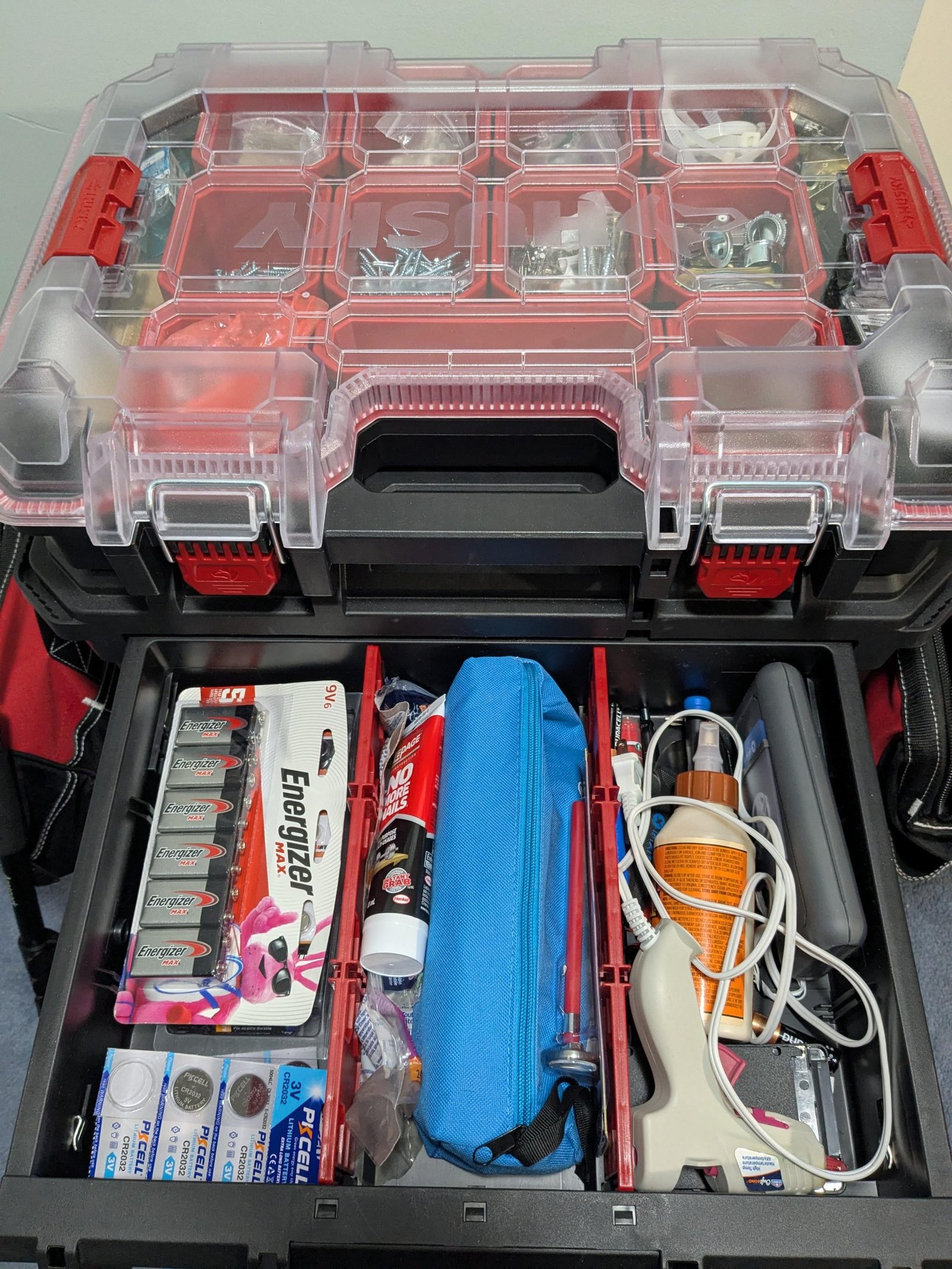
Are you tired of tools scattered all over your workspace? Imagine reaching for a screwdriver, and it’s right there, in its rightful place.
Creating a compact tool cabinet might be just what you need to transform chaos into order. But where do you start? The good news is, you don’t need to be a master carpenter or spend a fortune. With a few simple steps, you can build a practical, space-saving cabinet tailored to your needs.
This guide will show you how to create a compact tool cabinet that keeps your tools organized and easily accessible. Ready to reclaim your workspace and boost your productivity? Let’s dive into the details!
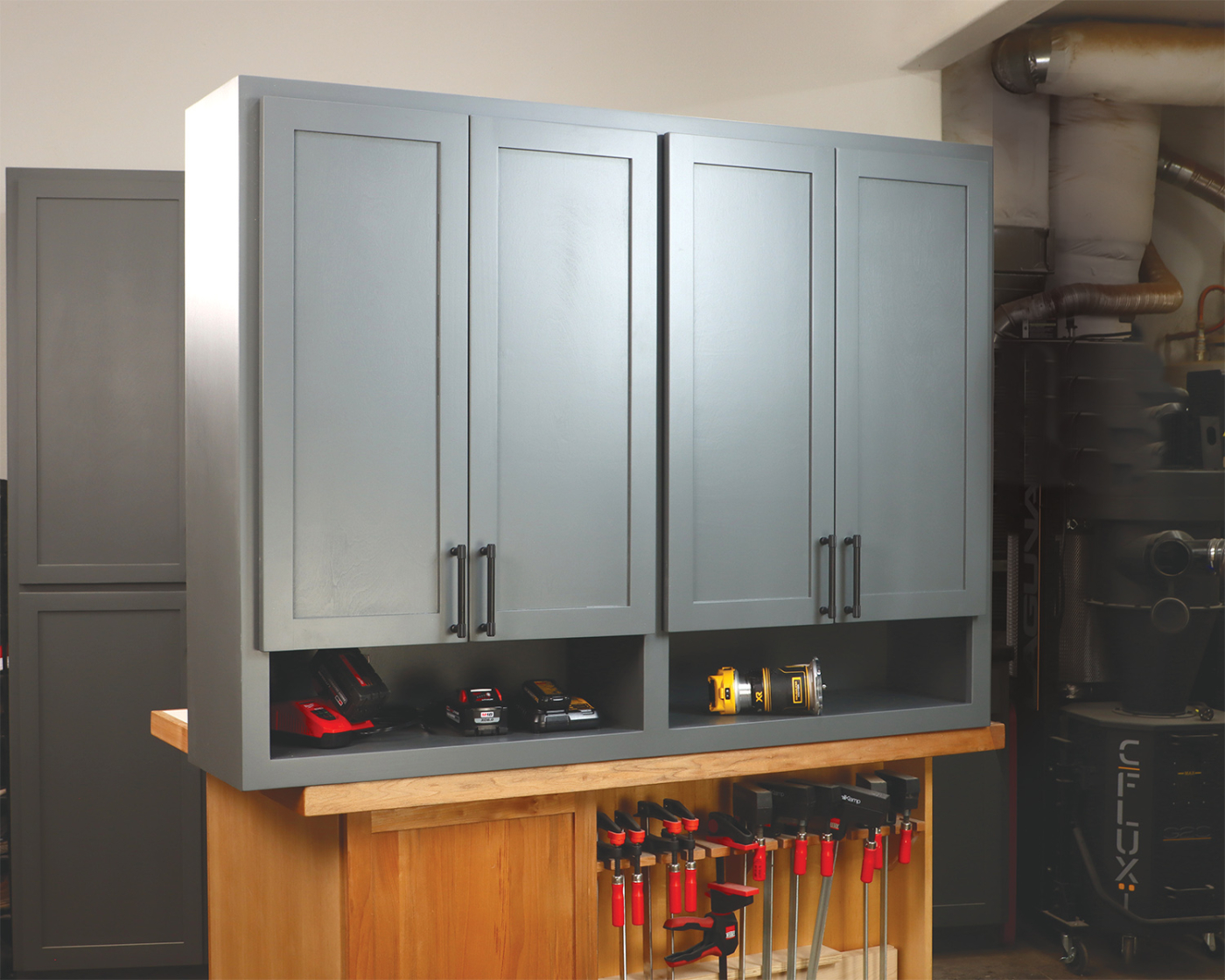
Credit: www.popularwoodworking.com
Choosing The Right Materials
Picking the right materials is important for building a compact tool cabinet. The material affects strength, weight, and cost. This guide helps you compare options before you start your project.
Wood and metal are common choices. Each has strengths and weaknesses. Knowing these helps you make the best decision for your needs.
Wood Vs Metal
Wood offers a classic look and is easy to work with. It is lighter and can be cut or shaped at home. Metal is stronger and can last longer under heavy use.
- Wood is easier to paint and finish
- Metal resists moisture and pests better
- Wood can be damaged by water or impact
- Metal may require special tools to cut
Durability And Weight
| Material | Durability | Weight |
| Wood | Moderate, can wear over time | Light to moderate |
| Metal | High, strong against damage | Heavy, but very sturdy |
Choose wood if you want a lighter cabinet that is easier to move. Pick metal if you need a cabinet that holds up well in tough conditions.
Budget Considerations
The cost of materials affects your budget. Wood is usually cheaper and easier to find. Metal costs more and may need special tools to work with.
- Wood: lower cost, simple tools needed
- Metal: higher cost, may need welding or cutting tools
- Consider long-term costs like paint or rust protection
Designing For Space Efficiency
Creating a compact tool cabinet helps save space in your workshop. It keeps tools organized and easy to find.
Designing for space efficiency means using every inch wisely. This keeps your workspace tidy and practical.
Compact Dimensions
Choose cabinet sizes that fit small areas without crowding. Keep width and depth minimal but tall enough to hold tools.
Measure your space before building. Make sure the cabinet fits doorways and corners easily.
Vertical Storage Ideas
Use vertical space to add shelves and hooks. This stores tools without taking up floor space.
Stack drawers and compartments upwards. Hang items on the cabinet sides to keep tools handy.
- Install pegboards on the cabinet back
- Add narrow shelves for small parts
- Use magnetic strips for metal tools
Incorporating Wheels
Add wheels to make the cabinet easy to move. This helps clean and reach different work areas fast.
Choose sturdy wheels that lock in place. Locking prevents the cabinet from rolling while you work.
- Use heavy-duty casters for rough floors
- Install swivel wheels for better maneuvering
- Lock two wheels for safety
Planning Storage Layout
Designing a compact tool cabinet needs careful storage planning. You want to fit many tools without wasting space.
Think about how you use your tools and what sizes they are. This helps build a smart layout.
Drawer Sizes And Placement
Choose drawer sizes based on the tools you keep. Small drawers work for hand tools. Larger drawers fit power tools or bulky items.
- Use shallow drawers for small items like screws and nails.
- Medium drawers are good for wrenches and pliers.
- Deep drawers hold heavy tools like drills and saws.
- Place often-used tools in top drawers for quick access.
- Put less-used tools in lower drawers.
Shelves And Compartments
Shelves add extra storage for items that don’t fit well in drawers. Compartments keep things neat and easy to find.
| Storage Type | Best For | Tips |
|---|---|---|
| Fixed Shelves | Power tools, paint cans | Use dividers to stop items from falling |
| Adjustable Shelves | Varying sizes of tools and boxes | Change height as your needs change |
| Compartments | Small parts like drill bits | Label compartments to find items fast |
Tool Organization Tips
Keeping tools organized saves time and protects them. Use simple tricks to stay organized.
- Group similar tools together for easy access.
- Use foam inserts in drawers to hold tools in place.
- Label drawers and shelves clearly.
- Store frequently used tools at eye level.
- Keep sharp tools separate for safety.
Building The Cabinet Frame
Creating a compact tool cabinet starts with a strong frame. The frame holds all parts together and keeps your tools safe.
This guide focuses on cutting and assembling the wood, making sure the frame is stable, and finishing it for durability.
Cutting And Assembling
Measure and cut your wood pieces carefully. Use a saw to make straight cuts for the sides, top, bottom, and shelves.
- Mark the wood with a pencil and ruler before cutting.
- Cut all pieces to the same size to ensure a good fit.
- Assemble the frame by attaching the sides to the top and bottom with screws.
- Add shelves inside the frame at your desired heights.
- Check that all joints are tight and secure.
Ensuring Stability
Stability is key for a safe cabinet. Use strong joints and extra supports to keep the frame steady.
| Support Type | Purpose | Placement |
|---|---|---|
| Corner Braces | Prevent wobbling | Inside corners of the frame |
| Cross Supports | Add strength | Back of the cabinet, forming an X shape |
| Wood Glue | Secure joints | Along edges before screwing |
Finishing Techniques
Smooth the wood with sandpaper. Apply paint or sealant to protect the cabinet from wear and moisture.
Use these tips for a lasting finish:
- Start with medium-grit sandpaper, then use fine-grit for a smooth surface.
- Choose paint or varnish that resists scratches and water.
- Apply two coats, letting each dry fully before the next.
- Let the cabinet dry in a dust-free place.
Installing Drawers And Doors
Installing drawers and doors is key to a compact tool cabinet. Proper installation keeps tools safe and easy to reach.
This guide covers how to pick drawer slides, hinges, and handles. It also shares tips for smooth operation.
Choosing Drawer Slides
Select drawer slides that fit your cabinet size and weight needs. Full-extension slides offer complete access to tools.
- Measure drawer width and depth before buying slides.
- Choose slides with a weight rating above your tool load.
- Consider ball-bearing slides for quiet, smooth movement.
- Soft-close slides prevent slamming and damage.
Hinges And Handles
Hinges and handles add function and style to your cabinet doors. Choose types that match your cabinet’s use.
| Hinge Type | Use | Feature |
| Butt Hinge | Standard doors | Simple and strong |
| Concealed Hinge | Modern look | Hidden when door is closed |
| Pivot Hinge | Heavy doors | Supports extra weight |
| Handles | All doors | Choose size and grip style |
Smooth Operation Tips
Good installation helps your drawers and doors open easily. Use these tips for smooth operation.
- Align slides and hinges carefully before fixing screws.
- Lubricate metal parts with light oil or silicone spray.
- Check screws regularly and tighten if loose.
- Test each drawer and door to ensure smooth movement.

Credit: www.reddit.com
Maximizing Interior Storage
Creating a compact tool cabinet requires smart use of every inch inside. Efficient storage helps keep tools neat and easy to find.
Use practical ideas to organize your tools. This guide covers pegboards, magnetic strips, and custom inserts.
Using Pegboards
Pegboards give flexible tool placement. You can move hooks and holders to fit different tools.
- Mount the pegboard on the cabinet back or inside doors.
- Use hooks to hang wrenches, pliers, and screwdrivers.
- Add baskets for smaller items like screws and nails.
- Label pegboard spots for quick tool return.
Magnetic Strips
Magnetic strips hold metal tools securely and save drawer space. They keep tools visible and easy to grab.
| Tool Type | Ideal Magnetic Strip Length |
| Screwdrivers | 12 inches |
| Wrenches | 18 inches |
| Scissors and Knives | 6 inches |
Custom Inserts
Custom inserts fit inside drawers to keep tools separated. They prevent tools from moving around.
- Measure drawer dimensions carefully.
- Use foam or wood to create tool shapes.
- Place inserts in drawers where you store small tools.
- Label each slot for easy tool placement.
Maintaining And Upgrading
Keeping your compact tool cabinet in good shape makes it last longer. Upgrading it helps you work better and stay organized.
Simple care and small improvements keep your cabinet useful and neat. Let’s look at ways to maintain and improve it.
Regular Cleaning
Clean your tool cabinet often to stop dust and dirt build-up. This keeps tools safe and the cabinet looking good.
Wipe shelves and drawers with a damp cloth. Remove any spills or grease quickly.
- Empty drawers before cleaning
- Use mild soap and water for stains
- Dry all surfaces to avoid rust
- Check for loose screws or parts
Adding Accessories
Add accessories to your cabinet to improve storage and ease of use. Accessories help keep tools in place and easy to find.
Consider adding hooks, dividers, or small bins. These make organizing small items easier.
- Hooks for hanging hand tools
- Drawer dividers for sorting screws and nails
- Magnetic strips for metal tools
- Label holders for quick ID
Future Expansion Ideas
Plan ahead for growing your tool collection. Design your cabinet so you can add more storage later.
Use stackable boxes or attach extra shelves. Leave space for larger tools you may buy.
- Add extra shelves or drawers
- Use modular storage boxes
- Install wheels to move the cabinet easily
- Attach pegboards for hanging tools

Credit: toughbuilt.com
Frequently Asked Questions
What Materials Are Best For A Compact Tool Cabinet?
Wood and metal are ideal for compact tool cabinets. Wood offers durability and easy customization. Metal provides strength and longevity. Choose based on your budget, style, and tool weight. Both materials support efficient storage and organization in a small space.
How Do I Maximize Space In A Tool Cabinet?
Use adjustable shelves and drawer dividers to maximize space. Vertical storage and pegboards help organize tools efficiently. Label compartments for quick access. Compact tool cabinets benefit from customized layouts to fit various tool sizes and keep everything tidy.
What Tools Should Every Compact Cabinet Hold?
Include essential hand tools like screwdrivers, pliers, and wrenches. Add measuring tools, a hammer, and utility knives. Also, store fasteners and small power tools. Prioritize frequently used tools to keep your workspace organized and accessible.
How Can I Secure Tools In A Compact Cabinet?
Install lockable doors or drawers to secure tools. Use padded compartments to prevent damage during movement. Magnetic strips and foam inserts also keep tools in place. Security features protect your tools from theft and accidental loss.
Conclusion
Creating a compact tool cabinet saves space and keeps tools organized. Choose the right materials and plan your design carefully. Use shelves, drawers, and hooks to fit all your tools. Keep it sturdy and easy to move around. Regularly clean and arrange your cabinet for best use.
A simple, well-made cabinet makes work easier and faster. Start building today and enjoy a neat workspace tomorrow.