
Are your tools scattered all over the place, making it a challenge to find what you need when you need it? You’re not alone.
Many people struggle with keeping their tools organized, leading to frustration and wasted time. Imagine how much smoother your projects could go if everything had its place, right within reach. In this guide, you’ll discover simple yet effective ways to create a compact tool storage solution that fits perfectly into your space.
Say goodbye to clutter and hello to efficiency. Keep reading, and you’ll learn how to transform your tool chaos into a tidy, easily accessible system. Your future self will thank you.
Choosing The Right Storage Space
Choosing the right space for your tool storage is important. It helps keep tools safe and easy to find.
Good storage saves room and keeps your workspace neat. Think about where you can put your tools.
Assessing Available Areas
Look around the room to find open spaces. Check walls, floors, and shelves for spots.
Measure the size of these areas to see if they fit storage units. Small spaces can still hold many tools.
- Check empty wall sections
- Look under tables or benches
- See if shelves have space
- Measure height and width of spots
Utilizing Vertical Space
Use wall space to store tools up high. Hang hooks or pegboards to keep tools off the floor.
Vertical storage frees up floor space. It also makes tools easy to see and reach.
- Install pegboards for hanging tools
- Use wall-mounted shelves
- Hang racks for long tools
- Stack bins or boxes vertically
Maximizing Underutilized Corners
Corners often hold unused space. Use corner shelves or cabinets to store small tools and supplies.
Fitting storage into corners can save room. It keeps your workspace clear and organized.
- Place corner shelving units
- Use corner tool racks
- Store bins or boxes in corners
- Keep frequently used items nearby
Credit: www.familyhandyman.com
Selecting Compact Storage Options
Choosing the right storage options helps keep tools organized in small spaces. Compact storage saves room and makes tools easy to find.
Look for storage solutions that stack, fold, or attach to walls. These keep your workspace neat and accessible.
Stackable Bins And Containers
Stackable bins let you use vertical space for storing small tools and parts. They keep items sorted and easy to reach.
Choose bins with clear sides or labels. This helps you quickly see what is inside without opening each container.
- Use different sizes for various tools
- Label each bin for quick access
- Stack securely to prevent tipping
Magnetic Tool Holders
Magnetic holders mount on walls or benches to hold metal tools. They keep tools visible and off your work surface.
Use magnetic strips for screwdrivers, pliers, and wrenches. This saves drawer space and reduces clutter.
- Install strips at eye level for easy reach
- Keep frequently used tools on the magnets
- Clean magnets regularly for strong hold
Foldable Workbenches
Foldable workbenches save space when not in use. They provide a sturdy workspace that folds flat against a wall.
Look for benches with built-in storage for tools. This keeps everything close and easy to store after work.
- Choose benches with locking hinges
- Store tools in attached compartments
- Fold the bench to clear floor space
Organizing Tools Efficiently
Keeping your tools in order saves time and space. A compact storage solution helps you find tools fast.
Organize tools by how often you use them. Label each section clearly. Use dividers to keep drawers tidy.
Categorizing By Frequency Of Use
Sort your tools into groups based on how often you need them. Keep daily tools within easy reach. Store rarely used tools in less accessible spots.
- Daily use tools: hammers, screwdrivers, tape measure
- Weekly use tools: wrenches, pliers, utility knife
- Occasional use tools: saws, drills, clamps
Labeling For Quick Access
Labels help you find the right tool without digging through boxes. Use clear, large fonts and waterproof tags. Color coding also speeds up finding tools.
| Label Type | Best For | Tip |
| Text Labels | Drawers and boxes | Use bold letters |
| Color Codes | Tool categories | Assign colors per type |
| Icons | Small tools | Use simple images |
Using Drawer Dividers
Drawer dividers create separate spaces inside drawers. They keep small tools from mixing and cluttering. Adjust dividers to fit different tool sizes.
- Prevent tools from shifting
- Make tools easy to see
- Customize drawer layout
- Keep similar tools together

Credit: www.reddit.com
Incorporating Multi-functional Solutions
Creating a compact tool storage solution saves space and keeps tools organized. Multi-functional storage options help store many tools in small areas.
Using smart designs lets you combine storage and tool access. This makes your workspace tidy and efficient.
Toolboxes With Built-in Compartments
Toolboxes with built-in compartments separate tools by type or size. This stops tools from mixing and makes finding them quick.
Compartments can be adjustable or fixed. Adjustable ones allow you to change the space as your tool collection grows.
- Keep small parts like screws and nails in clear compartments
- Store hand tools like screwdrivers and pliers in dedicated slots
- Use removable trays for easy transport
Pegboards With Adjustable Hooks
Pegboards use holes to hold hooks and holders. Adjustable hooks let you change the layout to fit your tools.
You can hang tools vertically to save space. Pegboards keep tools visible and easy to reach.
- Move hooks to fit different tool sizes
- Add baskets for small parts
- Use clips for holding cords or tape
Mobile Storage Carts
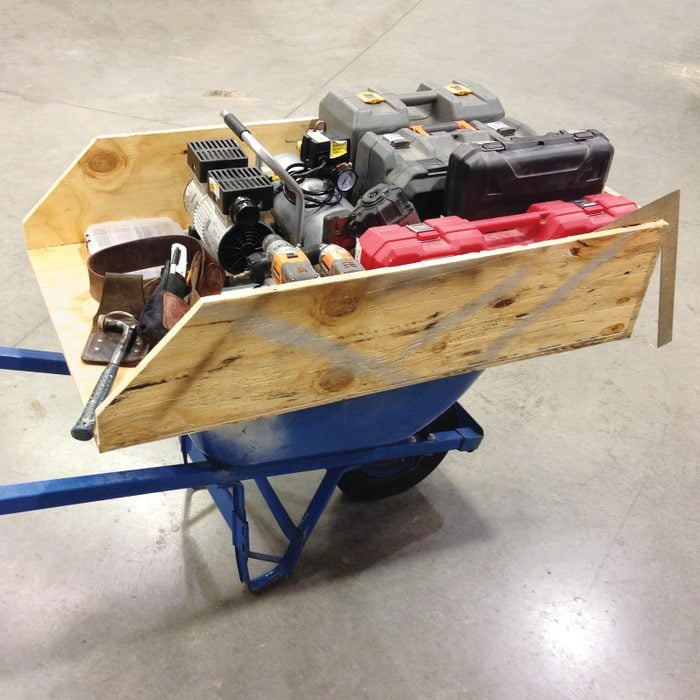
Mobile storage carts combine storage and movement. You can carry tools to where you work and keep them organized.
Many carts have drawers, shelves, and handles. This helps store many types of tools in one place.
- Use locking wheels to keep carts stable
- Choose carts with multiple storage levels
- Keep frequently used tools on top shelves
Maintaining Your Storage System
Keeping your tool storage system neat helps you find tools fast. Regular care stops clutter and damage.
This guide covers simple ways to keep your storage tidy and useful over time.
Regular Decluttering
Remove tools you no longer use to save space. Sort tools by type and size to keep order.
- Set a monthly date for decluttering
- Check for broken or duplicate tools
- Donate or recycle tools you don’t need
- Clean shelves and drawers before placing tools back
Routine Tool Maintenance
Well-kept tools last longer and work better. Cleaning and oiling tools prevent rust and damage.
| Tool | Maintenance Task | Frequency |
| Hammer | Check handle for cracks | Monthly |
| Screwdriver | Clean tip and handle | Every use |
| Wrench | Lubricate moving parts | Quarterly |
| Drill | Remove dust and check battery | After each use |
Adapting Storage As Needs Change
Update your storage system if your tool collection grows or changes. Adjust shelves and containers as needed.
Use this checklist to adapt your storage:
- Measure new tools and check space
- Rearrange tools by how often you use them
- Label new storage spots clearly
- Remove old storage that no longer fits your needs
- Consider vertical storage to save floor space

Credit: www.reddit.com
Frequently Asked Questions
What Materials Are Best For Compact Tool Storage?
Durable materials like metal, plastic, and wood work best for compact tool storage. They offer strength and longevity. Choose materials that suit your tool types and storage space. Lightweight options improve portability, while sturdy ones ensure tool safety. Consider moisture resistance for long-term tool protection.
How Can I Maximize Space In Small Tool Storage?
Use vertical space by installing wall-mounted racks or pegboards. Opt for stackable bins and drawer organizers to separate tools. Label containers for easy access. Foldable or collapsible storage solutions save space when not in use. Regularly declutter to keep only essential tools.
What Are The Benefits Of A Compact Tool Storage System?
Compact storage saves space and keeps tools organized. It improves tool accessibility and reduces time spent searching. A well-designed system protects tools from damage and extends their lifespan. It also enhances workspace safety by minimizing clutter and trip hazards.
How Do I Organize Tools By Frequency Of Use?
Place frequently used tools in easily reachable spots. Store occasional-use tools in less accessible areas. Group tools by type or project to speed up work. Use clear containers or labels to quickly identify contents. Regularly reassess your setup to maintain efficiency.
Conclusion
Creating a compact tool storage solution saves space and keeps tools ready. Organize tools by size and use for easy access. Use containers, shelves, or wall mounts to fit your area. Keep your workspace tidy and avoid clutter. Small changes make a big difference in your daily work.
Start with what you have and improve step by step. A neat tool area helps you work faster and smarter. Simple storage ideas make your tools last longer and stay safe.