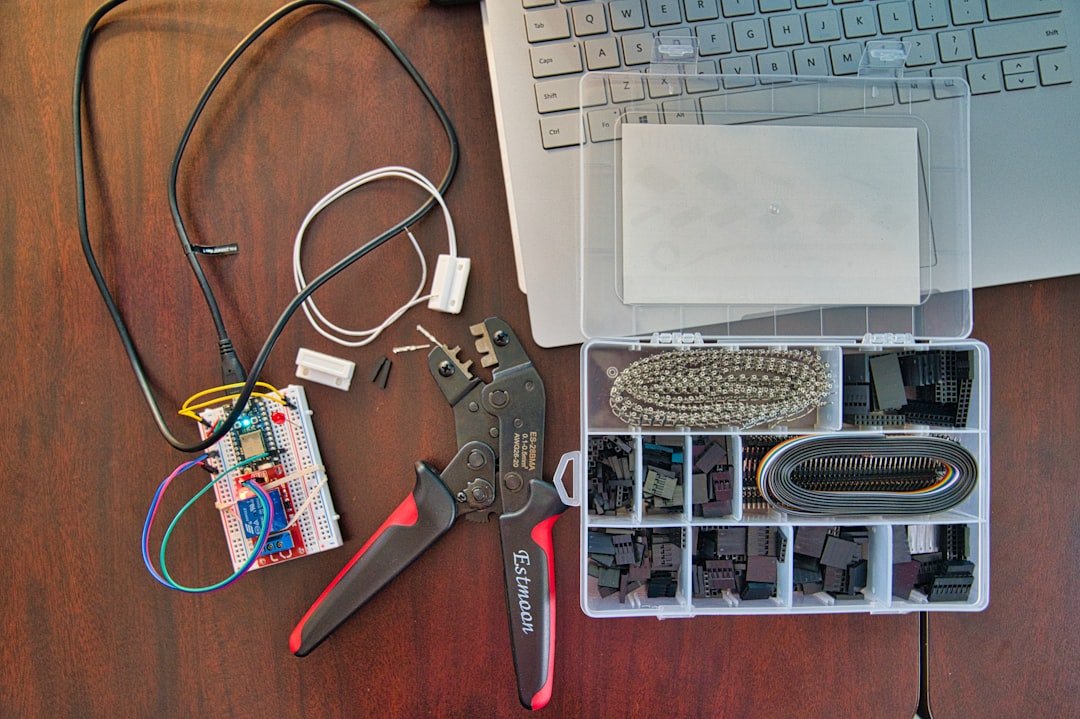
Imagine having all your essential tools right at your fingertips, wherever you go. A mobile tool station can make that a reality.
Whether you’re a DIY enthusiast or a professional, having a portable solution can save you time and effort. You won’t have to run back and forth searching for that one tool you need. Instead, everything will be neatly organized and ready for action.
Creating your own mobile tool station might sound complex, but it’s simpler than you think. With the right guidance, you can have a versatile and efficient setup. Are you ready to streamline your projects and make your work life easier? Dive into this guide, and discover how to build a mobile tool station that meets your unique needs.
Benefits Of A Mobile Tool Station
A mobile tool station helps keep tools in one place. It makes work easier and faster.
This kind of tool station moves with you. It saves time and keeps tools organized.
Boosting Productivity
A mobile tool station lets you work without searching for tools. This saves time on every job.
Having all tools ready helps you finish tasks quickly and without stops.
Enhancing Organization
Tools stay in order inside the station. You can find what you need fast.
Good organization reduces lost or damaged tools. It keeps your workspace clean and safe.
- Designated spots for each tool
- Easy to see and reach tools
- Less clutter on work surfaces
Improving Mobility
A mobile tool station moves with you on wheels or handles. You can bring tools anywhere.
This mobility helps when working in large areas or different rooms. It keeps tools close and ready.

Credit: www.youtube.com
Essential Components
Creating a mobile tool station requires careful selection of parts. Each component plays a role in making your station useful and easy to move.
This guide covers the key components to consider. Focus on the cart, storage options, and power supply for best results.
Choosing The Right Cart
The cart forms the base of your mobile tool station. It must be strong and easy to move around your workspace.
- Look for carts with sturdy frames made of steel or heavy-duty plastic.
- Choose wheels that lock in place to keep the cart stable.
- Consider the size and weight capacity to hold your tools safely.
- Find carts with handles that are comfortable to grip.
Selecting Durable Storage
Storage keeps your tools organized and protected. Durability is key to handle heavy use and rough conditions.
| Storage Type | Material | Best Use |
| Drawers | Metal or plastic | Small tools and parts |
| Bins | Plastic | Loose items and accessories |
| Shelves | Metal or wood | Larger tools and power equipment |
| Hooks | Metal | Hanging tools like hammers or wrenches |
Incorporating Power Sources
Power sources keep your tools ready to use. Think about how you will supply electricity or batteries.
Consider these power options:
- Battery packs for cordless tools.
- Built-in power strips with outlets.
- Solar panels for outdoor use.
- Extension cords for flexible reach.
Tool Selection And Arrangement
Creating a mobile tool station requires careful tool selection and smart arrangement. This helps you work faster and keeps tools safe during transport.
Focus on organizing your tools so you find them quickly. Good arrangement reduces clutter and improves your work efficiency.
Prioritizing Frequently Used Tools
Place the tools you use most often in easy-to-reach spots. This saves time and effort during your projects.
- Keep essential hand tools near the top or front
- Store fasteners and small parts in clear containers
- Use labeled compartments for quick identification
- Arrange tools by size for easy access
Grouping By Function
Group tools that serve the same purpose together. This helps you find the right tool without searching through the entire station.
| Tool Group | Examples |
| Cutting | Utility knife, scissors, wire cutters |
| Measuring | Tape measure, level, calipers |
| Fastening | Screwdrivers, wrenches, pliers |
| Marking | Pencils, markers, chalk |
Using Modular Inserts
Modular inserts let you customize the tool station layout. You can move or swap inserts to fit different tools as needed.
Benefits of modular inserts:
- Flexible arrangement for changing tool sets
- Secure holding for fragile or oddly shaped tools
- Easy to clean and maintain sections
Maximizing Space Efficiency
Creating a mobile tool station helps keep tools organized and easy to find. It also saves space in your workspace.
Using smart storage options lets you carry more tools without clutter. Focus on arranging tools to use every inch well.
Vertical Storage Solutions
Vertical storage uses wall or tall space to store tools. This frees up floor and work surface areas.
Hooks, pegboards, and tall cabinets help keep tools visible and easy to reach. Hang items to avoid piles.
- Use pegboards for hanging hand tools
- Install tall cabinets with multiple shelves
- Add magnetic strips for metal tools
- Hang power tools by their handles
Utilizing Drawers And Shelves
Drawers and shelves help separate tools by size and type. This keeps everything neat and easy to find.
Choose shallow drawers for small tools and deep shelves for larger items. Label each drawer or shelf for quick access.
- Organize screws, nails, and small parts in drawer dividers
- Store power tool accessories on shelves
- Use removable trays inside drawers for flexibility
- Keep frequently used tools in the top drawers
Compact Tool Holders
Compact tool holders save space by grouping tools in small areas. They keep tools secure while moving.
Use holders for drills, screwdrivers, and wrenches. This keeps your mobile station tidy and tools ready to use.
- Drill holders with elastic straps or clips
- Wrench racks that fit on side panels
- Magnetic strips for small metal tools
- Custom foam inserts for tool shapes
Safety And Maintenance Tips
Creating a mobile tool station helps keep your tools organized. It also makes it easier to carry them around.
To keep your tools safe and in good shape, follow these safety and maintenance tips. They help prevent damage and accidents.
Securing Tools During Transport
Always secure your tools to stop them from moving during transport. Loose tools can cause damage or injury.
Use straps, foam inserts, or compartments to keep each tool in place inside the station.
- Use elastic straps or bungee cords
- Place tools in custom compartments
- Add foam padding to prevent scratches
- Lock the tool station before moving
Regular Cleaning Routines
Clean your mobile tool station often to avoid dirt buildup. Dirt can damage tools and make them unsafe.
Wipe surfaces with a damp cloth and dry them well. Remove any debris from tool holders and compartments.
- Clean after each use
- Use mild soap and water for cleaning
- Keep tools dry to stop rust
- Check for and remove oil or grease
Inspecting For Wear And Tear
Check your mobile tool station and tools for damage regularly. This helps you find problems early.
Look for cracks, loose parts, or worn areas. Replace or repair damaged items to keep everything safe.
- Inspect hinges and locks for smooth work
- Check tool handles for cracks or breaks
- Look for rust spots on metal parts
- Test the stability of the entire station
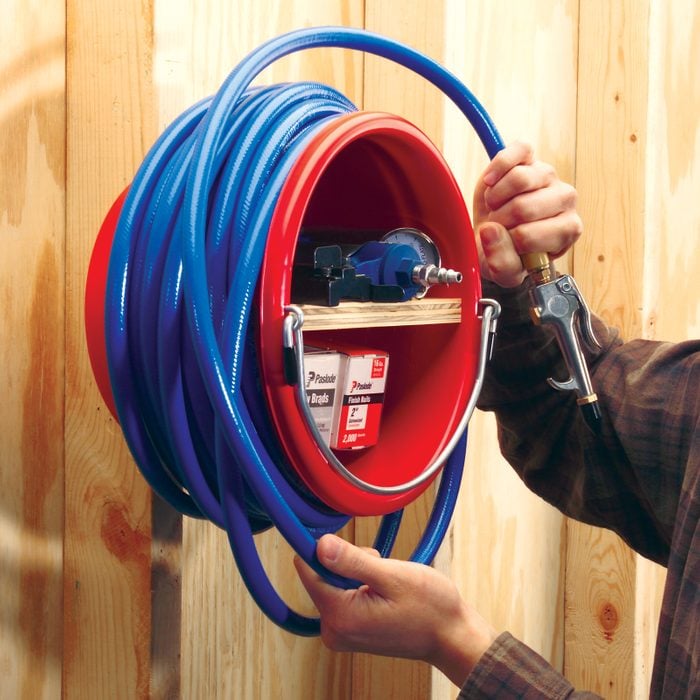
Credit: www.familyhandyman.com
Customizing For Specific Trades
Creating a mobile tool station helps professionals keep their tools organized. Customizing the station to fit specific trades makes work easier. Each trade needs different tools and storage solutions.
Planning the right layout saves time and improves efficiency. Below are ideas for electricians, carpenters, and mechanics to tailor a mobile tool station.
Options For Electricians
Electricians require easy access to small tools and parts. Organizing cables, testers, and screwdrivers is key. A mix of compartments and trays keeps everything visible and reachable.
- Use clear plastic bins for screws and connectors
- Add hooks for hanging pliers and wire strippers
- Include a small drawer for voltage testers and meters
- Label each section for quick tool identification
- Install a fold-out work surface for on-site tasks
Solutions For Carpenters
Carpenters need sturdy storage for larger hand tools and fasteners. A mobile station must hold hammers, chisels, and nails securely. Drawers with dividers help keep tools neat.
| Tool Type | Storage Solution |
| Hammers | Side hooks or slots |
| Chisels | Foam-lined drawers |
| Nails and screws | Small compartment bins |
| Measuring tapes | Front rack holders |
| Squares and levels | Flat top trays |
Setup For Mechanics
Mechanics need quick access to wrenches, sockets, and lubricants. A mobile station with strong drawers and easy-to-clean surfaces is best. Grouping tools by size or function speeds up work.
- Top tray for small hand tools like screwdrivers and pliers
- Middle drawers sorted by wrench sizes and socket sets
- Lower storage for larger items like power tools and oil cans
- Side hooks for hanging extension cords and hoses
Budget-friendly Building Ideas
Building a mobile tool station does not have to be expensive. You can save money by using simple ideas and materials you already have.
This guide shares easy ways to create a useful and affordable tool station for your workspace or garage.
Repurposing Materials
Use old furniture or scrap wood to build parts of your tool station. This cuts costs and helps recycle materials.
- Turn old drawers into storage compartments
- Use wooden pallets as shelves or the base
- Recycle metal rods as tool holders
- Cut down old tables for work surfaces
- Paint or sand materials to refresh their look
Diy Storage Options
Make your own storage solutions to keep tools organized and easy to reach.
| Storage Type | Materials Needed | Cost Level |
| Wall-mounted pegboard | Pegboard, hooks, screws | Low |
| Stackable plastic bins | Plastic containers | Low to medium |
| DIY drawer dividers | Cardboard or thin wood | Very low |
| Magnetic strips | Magnetic tape or bars | Low |
| Rolling cart shelves | Old cart or small table | Low |
Affordable Tool Organization Hacks
Keep your tools neat with easy and cheap hacks that save space and time.
- Use mason jars to hold small items like nails and screws
- Attach magnetic strips inside cabinet doors for metal tools
- Hang tools with hooks made from bent coat hangers
- Create labels using paper and tape for easy tool identification
- Use old shoe organizers to store hand tools and accessories
Maintaining Efficiency Over Time
Creating a mobile tool station is useful for keeping tools organized and accessible. To keep it efficient, regular care is important. This guide covers how to maintain your tool station over time.
By following simple steps, you can ensure your mobile tool station stays helpful and ready for any job.
Routine Inventory Checks
Check your tool inventory regularly to avoid missing or broken items. This helps keep your work smooth and saves time looking for tools.
- Count all tools in your station weekly
- Inspect tools for damage or wear
- Replace missing or broken tools promptly
- Record any tool issues in a log for tracking
Updating Tool Selection
Your tool needs may change over time. Update your selection to match your current work demands. Remove tools you no longer use and add new ones that improve your tasks.
| Tool Type | Keep | Add | Remove |
| Hand Tools | Yes | New ergonomic handles | Old damaged tools |
| Power Tools | Yes | Battery-operated models | Heavy corded tools |
| Measuring Tools | Yes | Digital devices | Outdated models |
Adapting To Workflow Changes
Workflows can change due to new projects or team changes. Adjust your tool station layout and contents to fit these changes. This keeps your station useful and saves time.
- Rearrange tools for easy access based on new tasks
- Label tool compartments clearly for quick finding
- Train team members on new tool uses and locations
- Review tool station setup after big project changes
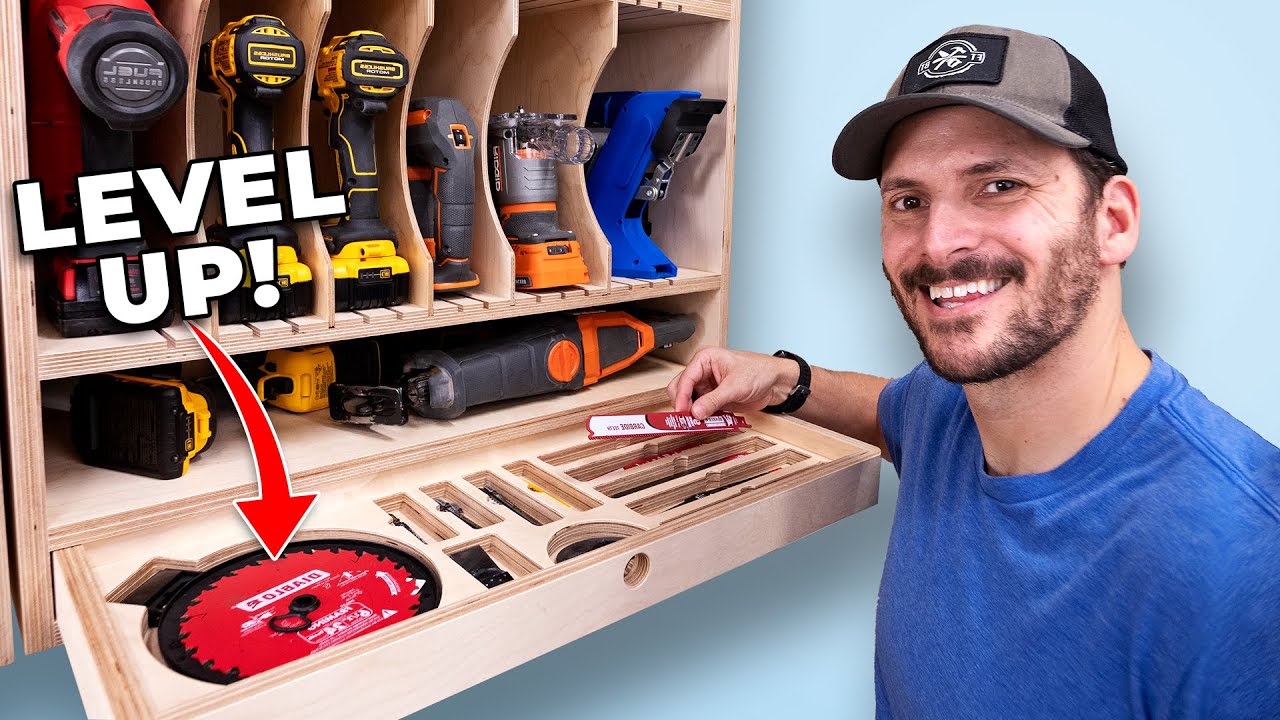
Credit: www.youtube.com
Frequently Asked Questions
What Materials Are Needed For A Mobile Tool Station?
You need plywood, casters, screws, wood glue, and paint. Also, gather measuring tape and power tools like a drill. These materials ensure your tool station is sturdy, mobile, and functional for organizing tools efficiently.
How Do I Make A Mobile Tool Station Sturdy?
Use high-quality plywood and secure joints with screws and wood glue. Add corner braces for extra support. Ensure casters are heavy-duty and properly attached to handle weight and movement without wobbling.
What Size Is Ideal For A Mobile Tool Station?
Choose a size that fits your workspace and tool collection. Typically, 24-30 inches wide and 18-24 inches deep offers ample storage. Height should allow easy access, usually around 36 inches, matching standard workbench height.
Can I Customize Compartments In The Tool Station?
Yes, customize compartments based on your tool types and sizes. Use dividers, drawers, and pegboards to organize effectively. Tailoring compartments improves accessibility and keeps tools neatly arranged for faster work.
Conclusion
Creating a mobile tool station helps keep tools organized and easy to find. It saves time and effort during work. You can build one using simple materials and basic steps. Customize it to fit your tools and workspace. A well-made station improves your work efficiency every day.
Start small and add features as needed. This project suits anyone wanting a neat, practical tool setup. Keep it tidy, and your tools will last longer. Your work will feel smoother and more enjoyable.