Are your shrubs looking a bit wild or not blooming as beautifully as you hoped? Knowing how to cut back shrubs the right way can make a huge difference in their flowering and overall growth.
When you prune correctly, you’re not just shaping your plants—you’re giving them a fresh start to grow stronger and produce more vibrant blooms. You’ll discover simple, practical steps that anyone can follow to bring your shrubs back to life. Keep reading, and soon your garden will be the envy of the neighborhood.
Choosing The Right Time
Cutting back shrubs at the right time helps them bloom better. It also promotes healthy growth. Timing depends on the type of shrub and its growth cycle.
Knowing when to prune is key. Prune too early or too late, and you might harm the plant or reduce flowers.
Seasonal Pruning Tips
Spring and fall are the main seasons for pruning shrubs. Each season affects the plant differently. Spring pruning helps new growth and flowering. Fall pruning prepares shrubs for winter.
- Prune spring-flowering shrubs right after they bloom.
- Cut back summer-flowering shrubs in late winter or early spring.
- Avoid heavy pruning in late fall to prevent damage from cold.
- Light pruning can be done any time to shape the shrub.
Flowering Cycle Considerations
Shrubs have different flowering cycles. Some bloom on old wood, others on new wood. Knowing this helps you prune at the best time.
| Flowering Type | When to Prune | Effect on Growth |
| Blooms on old wood | After flowering in spring or early summer | Preserves flower buds for next season |
| Blooms on new wood | Late winter or early spring before growth starts | Encourages strong new growth and flowers |
| Continuous bloomers | Light pruning throughout growing season | Maintains shape and promotes more flowers |
Credit: www.gardeningknowhow.com
Essential Tools For Pruning
Cutting back shrubs helps them grow healthy and produce more flowers. Using the right tools makes pruning easier and safer.
This guide covers the main tools you need for pruning shrubs well.
Pruners And Shears
Pruners and shears are the basic tools for cutting shrubs. Choose the right type based on the size of the branches.
- Hand pruners:Best for small branches up to ¾ inch thick.
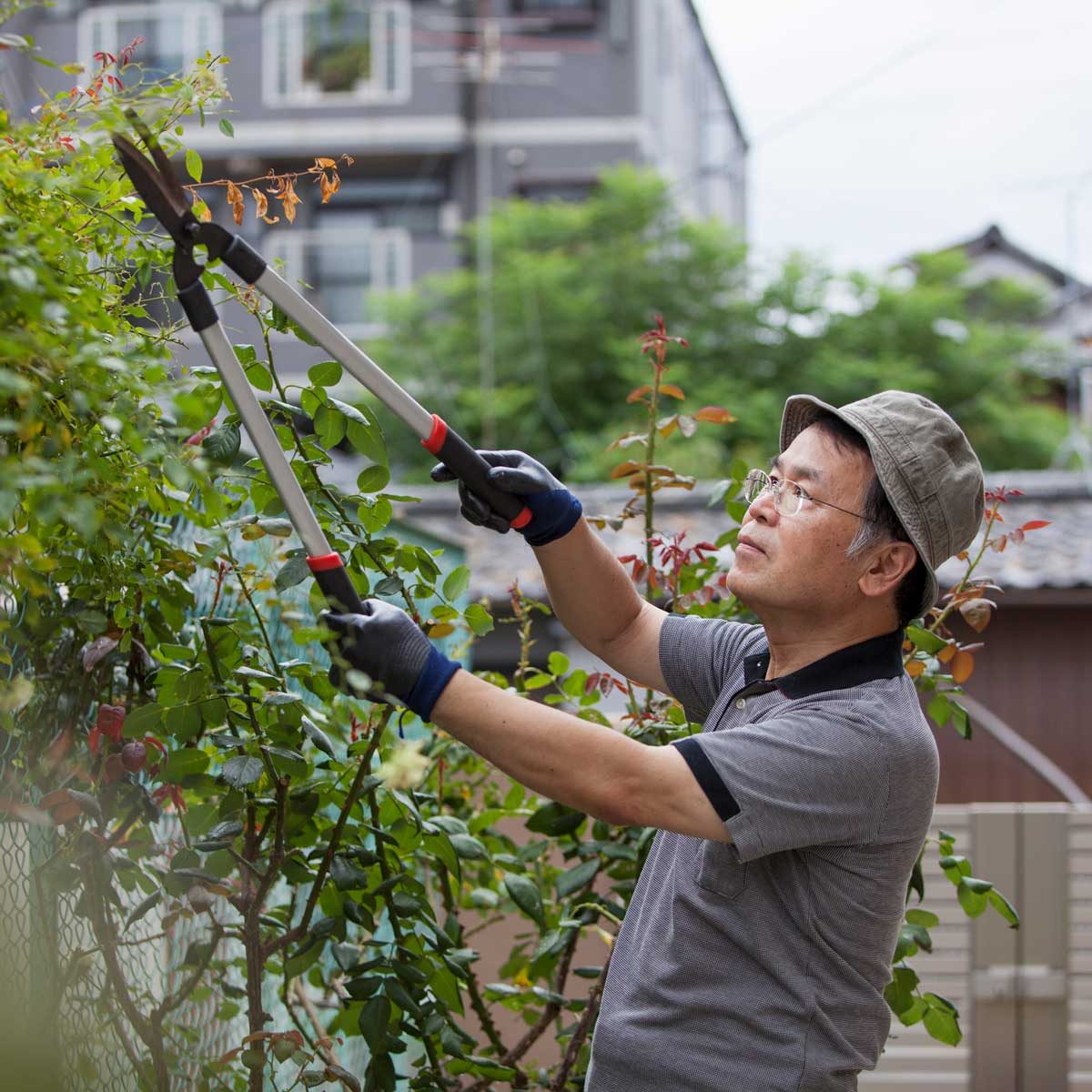
- Loppers:Have long handles for cutting thicker branches up to 2 inches.
- Hedge shears:Used for shaping and trimming bushes evenly.
- Bypass pruners:Cut cleanly without crushing the stems.
Safety Equipment
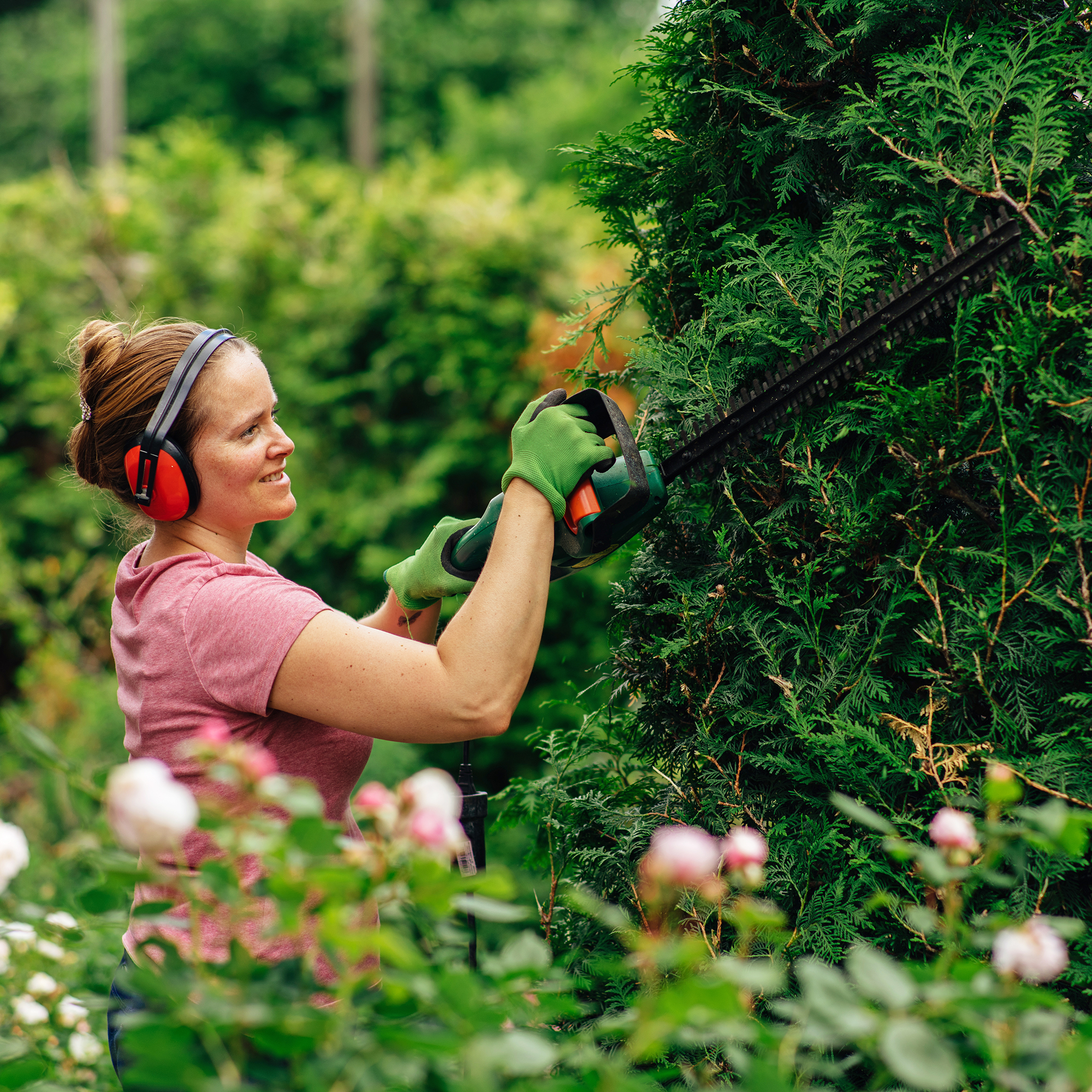
Wearing safety gear protects you from cuts and eye injuries during pruning.
| Safety Gear | Purpose |
| Gloves | Protect hands from thorns and sharp branches |
| Safety glasses | Shield eyes from flying debris |
| Long sleeves | Prevent scratches and skin irritation |
| Sturdy shoes | Protect feet and provide good grip |
Techniques For Cutting Back
Cutting back shrubs helps keep them healthy and blooming. It also encourages new growth and shapes the plant.
Using the right cutting techniques makes a big difference in your shrub’s health and beauty.
Thinning Vs. Heading Cuts
Thinning cuts remove whole branches or stems at their base. This opens the shrub and lets light and air reach inside.
Heading cuts shorten branches by cutting partway back. This makes the shrub bushier and fuller.
- Thinning cuts improve air flow and reduce disease risk
- Heading cuts encourage dense growth and more flowers
- Thinning cuts keep natural shape
- Heading cuts can change the shrub’s shape
Shaping For Aesthetics
Shaping shrubs makes your garden look neat and balanced. Cut to follow the shrub’s natural form.
Use light cuts for gentle shaping. Avoid cutting too deep to keep flowers and leaves healthy.
- Trim overgrown branches to keep shape
- Cut back uneven parts for balance
- Shape to match other plants in your garden
- Use clean tools to make smooth cuts
Encouraging Flowering
Cutting back shrubs helps them grow healthy and produce more flowers. Proper pruning encourages new buds to form.
Knowing how to prune shrubs can improve their shape and boost blooming. It is important to cut at the right time and place.
Promoting Bud Formation
Cutting back shrubs at the right spots helps buds grow strong. Focus on cutting just above a leaf or bud node.
Removing old or weak branches allows the plant to send energy to new shoots. These shoots can form flower buds for the next season.
- Cut near healthy buds to encourage new growth
- Trim branches to improve air and light inside the shrub
- Remove dead or damaged wood to keep the plant strong
- Prune after flowering to prepare for new buds
Avoiding Over-pruning
Cutting too much can stress shrubs and reduce flowers. Avoid removing more than one-third of the plant at once.
Over-pruning can stop the shrub from making enough leaves to support flowers. Be gentle and watch the plant’s health.
- Do not cut all the branches back to bare wood
- Leave some growth to keep the shrub healthy
- Prune slowly over several seasons if needed
- Watch for signs of stress like wilting or slow growth
Boosting Shrub Growth
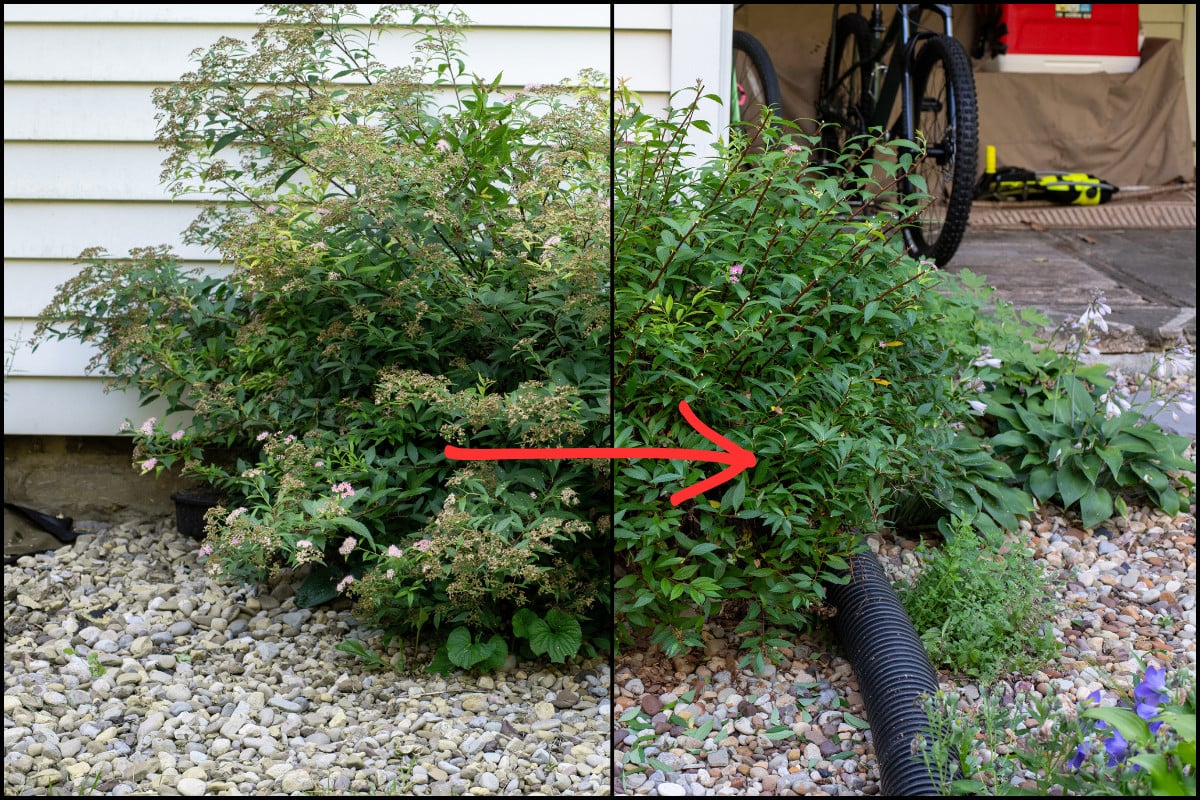
Cutting back shrubs helps them grow stronger and bloom better. Proper pruning removes old branches and opens space for new growth.
Knowing how to cut shrubs correctly can improve their health and increase flowers each season. It encourages fresh shoots to develop.
Stimulating New Shoots
Cutting back shrubs at the right time encourages new shoots to grow. New shoots make the shrub fuller and more vibrant.
Trim branches just above a leaf bud to help shoots grow in the right direction. Use clean, sharp tools to avoid damage.
- Cut branches at a 45-degree angle
- Remove dead or weak branches
- Leave healthy buds intact
- Thin crowded areas to increase air flow
Fertilizing After Pruning
Fertilizing shrubs after pruning helps them recover quickly. It gives nutrients needed for strong growth and more flowers.
Use a balanced fertilizer with equal nitrogen, phosphorus, and potassium. Apply it around the base of the shrub and water well.
- Choose slow-release fertilizer for steady feeding
- Apply fertilizer in early spring or after pruning
- Follow package instructions for amounts
- Water after fertilizing to help nutrients soak in
Credit: www.ruralsprout.com
Common Mistakes To Avoid
Cutting back shrubs helps flowers grow and keeps plants healthy. Many people make mistakes that hurt their shrubs instead. Knowing what to avoid will help your shrubs bloom well.
This guide covers two common errors: cutting too early or late, and removing too much foliage. Read on to learn why these mistakes matter.
Cutting Too Early Or Late
Timing is important when pruning shrubs. Cutting too early can stop flowers from forming. Cutting too late can reduce next year’s blooms and harm growth.
- Cut after the shrub finishes flowering for best results.
- Know the type of shrub to understand its blooming cycle.
- Avoid pruning during frost or very cold weather.
- Watch for signs of new growth before pruning.
Removing Too Much Foliage
Shrubs need leaves for food. Removing too many leaves weakens the plant. It also reduces flowers and slows growth.
| Mistake | Effect on Shrubs |
| Cutting more than one-third of leaves | Less energy for flowering and growth |
| Removing old and new leaves equally | Delays recovery and weakens the plant |
| Cutting leaves close to main stems | Increases risk of disease and damage |
Care After Pruning
Taking care of shrubs after pruning helps them grow healthy and bloom well. Proper care supports new growth and prevents damage.
Water and mulch your shrubs carefully. Watch their health closely to catch any problems early.
Watering And Mulching
After pruning, shrubs need enough water to heal and grow. Water them deeply but avoid waterlogging the soil.
Mulching keeps the soil moist and cool. It also stops weeds from growing near the shrubs.
- Water shrubs once or twice a week depending on weather
- Use mulch like wood chips or straw around the base
- Keep mulch 2-3 inches thick but away from the trunk
- Mulch helps keep soil temperature steady
Monitoring Shrub Health
Check your shrubs often after pruning. Look for signs of stress like wilting or leaf spots.
Early detection of pests or diseases helps protect shrubs and supports strong growth.
- Inspect leaves and stems weekly
- Remove dead or damaged branches promptly
- Use natural pest control if needed
- Keep soil healthy with balanced nutrients
Credit: www.familyhandyman.com
Frequently Asked Questions
When Is The Best Time To Cut Back Shrubs?
The ideal time to prune most shrubs is late winter or early spring. This allows them to recover and grow when the weather warms. Avoid pruning in late summer or fall, as this might stimulate new growth vulnerable to winter damage.
How Do You Properly Prune Flowering Shrubs?
Start by removing dead or damaged branches. Cut back overgrown areas to maintain shape. Always use sharp, clean tools to prevent disease. Make cuts above a bud or lateral branch to encourage healthy growth.
Why Is Pruning Important For Shrub Growth?
Pruning stimulates growth by removing dead or diseased wood. It improves air circulation and sunlight penetration, which are vital for healthy flowering. Proper pruning also shapes the shrub, enhancing its overall appearance.
Can Over-pruning Harm Shrubs?
Yes, over-pruning can stress shrubs and reduce flowering. Removing too much foliage affects their ability to photosynthesize. Always follow the one-third rule: never remove more than one-third of the shrub’s growth at a time.
Conclusion
Cutting back shrubs helps plants grow strong and bloom well. Trim dead or weak branches to keep shrubs healthy. Use sharp tools and cut at the right time. Regular pruning lets sunlight reach inside the plant. Watch your shrubs closely and adjust your care as needed.
This simple step brings brighter flowers and fuller growth. Enjoy a lively garden with fresh, green shrubs all year. Start cutting back shrubs today for better growth tomorrow.