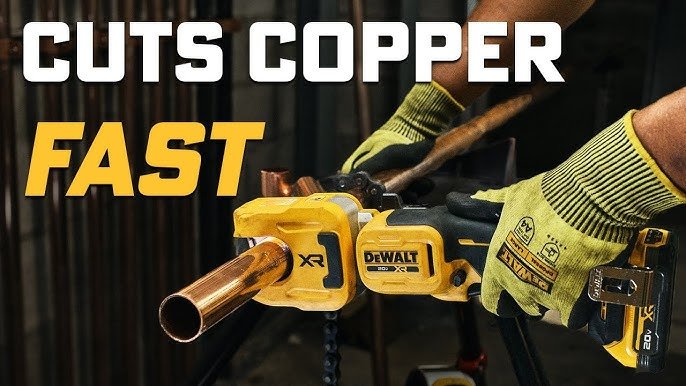
Are you planning a DIY plumbing project and need to know how to cut copper tubing? You’ve come to the right place.
Whether you’re fixing a leak, installing a new fixture, or just trying to save a few bucks, cutting copper tubing is a skill you can easily master. Don’t worry if this sounds daunting. With the right tools and a bit of guidance, you’ll be slicing through copper like a pro.
Imagine the satisfaction of completing your project with confidence and precision. Dive into this guide and discover how you can achieve professional results without the professional price tag. Let’s get started!
Credit: dwcnclaser.com
Tools Needed
Cutting copper tubing needs the right tools for a clean and safe job. Using proper tools helps you avoid damage.
This guide covers the main tools to cut copper tubing for plumbing projects.
Types Of Tubing Cutters
Tubing cutters come in different styles. Each style suits specific tubing sizes and cutting needs.
- Rotary Tubing Cutter:This is the most common type. It has a sharp cutting wheel that spins around the tube to make a clean cut.
- Hacksaw:A simple hand saw used for cutting tubing. It works but may leave rough edges.
- Mini Tubing Cutter:Small and handy for tight spaces or thin tubing.
- Ratchet Cutter:Uses a ratcheting mechanism to cut thick copper tubes with less effort.
Choose a cutter that fits the copper tubing diameter and your workspace.
Additional Tools For Safety And Precision
Other tools help you cut copper tubing safely and accurately. These tools improve your work quality.
- Deburring Tool:Removes sharp edges inside and outside the cut tube.
- Measuring Tape:Measures the tube length before cutting.
- Marker or Pencil:Marks the exact cutting spot on the tubing.
- Gloves:Protect your hands from sharp edges and tools.
- Safety Glasses:Shield your eyes from metal shards and dust.
Using these tools keeps you safe and ensures clean cuts on copper tubing.
Credit: www.oatey.com
Preparing The Copper Tubing
Cutting copper tubing for plumbing needs careful preparation. This makes sure the cuts are clean and precise.
Proper preparation helps avoid leaks and fitting problems later on.
Measuring And Marking
Measure the length of copper tubing you need. Use a tape measure for accuracy.
Mark the spot where you will cut with a permanent marker or a fine-tip pen.
- Hold the tubing steady on a flat surface
- Double-check the measurement before marking
- Make a clear, thin line around the tubing
- Avoid thick marks that may cause cutting errors
Securing The Tubing
Hold the copper tubing firmly to avoid movement while cutting.
- Use a pipe vise or clamp to hold the tubing
- Place the tubing on a stable workbench
- Avoid over-tightening to prevent dents
- Keep your hands clear from the cutting line
Cutting Techniques
Cutting copper tubing is key for plumbing work. Proper cuts ensure a tight fit and no leaks.
There are different ways to cut copper tubing. Choosing the right method depends on the tools you have and the job size.
Using A Tubing Cutter
A tubing cutter is the best tool for clean, straight cuts on copper pipes. It works by rotating around the pipe and tightening the blade.
- Place the tubing cutter around the copper pipe.
- Tighten the cutter’s knob until the blade touches the pipe.
- Rotate the cutter around the pipe, tightening the knob slightly after each turn.
- Keep turning until the pipe cuts through cleanly.
- Remove burrs with a reamer or sandpaper to smooth the edges.
Alternative Cutting Methods
If you don’t have a tubing cutter, other tools can cut copper tubing. Each has its pros and cons.
| Tool | How to Use | Notes |
| Hacksaw | Cut slowly with steady pressure | May leave rough edges; requires filing |
| Angle Grinder | Use a cutting disc carefully | Fast but needs safety gear |
| Pipe Shears | Close shears around pipe and squeeze | Good for small diameter pipes |
Finishing The Cut
After cutting copper tubing, it is important to finish the cut properly. This ensures a safe and effective plumbing connection.
Finishing includes removing burrs and sharp edges and checking the cut for cleanliness. These steps help avoid leaks and damage.
Removing Burrs And Sharp Edges
Burrs and sharp edges can cause injuries or damage to fittings. Use a deburring tool or file to smooth the cut edges.
- Hold the tubing steady and place the deburring tool inside the cut end.
- Rotate the tool around the inside edge to remove burrs.
- File the outside edge gently to smooth any sharp points.
- Wipe the tubing clean to remove metal shavings.
Checking For Clean Cuts
A clean cut should be straight and free of cracks or dents. Check the tubing carefully before installation.
| Check Point | What to Look For | Action if Problem Found |
| Cut Edge | Straight and smooth | Re-cut or file edges |
| Burrs | No metal shavings inside or outside | Remove with deburring tool |
| Tube Shape | No dents or distortion | Replace tubing if damaged |
Common Mistakes To Avoid
Cutting copper tubing for plumbing needs care and the right technique. Mistakes can cause leaks or damage to the pipe.
Knowing common errors helps you avoid problems and get a clean cut every time.
Over-tightening The Cutter
Turning the cutter too tight can crush the copper tube. This weakens the pipe and causes leaks.
Apply steady pressure. Stop tightening when the cutter starts to bite into the tube.
- Turn the cutter knob slowly and evenly
- Check the tube after each turn
- Do not force the cutter too hard
- Loosen the cutter before removing it
Uneven Cutting Angles
Cutting at an angle can cause uneven edges. This makes it hard to fit the tubing properly with connectors.
Keep the cutter perpendicular to the tube. This ensures a straight and clean cut.
- Hold the tube steady
- Align the cutter wheel square to the tube
- Rotate the cutter evenly around the tube
- Check the cut edge for smoothness
Credit: www.icrimptools.com
Tips For Durable Plumbing Connections
Copper tubing is a common choice for plumbing because it lasts long and resists corrosion. Cutting the tubing correctly ensures strong and leak-free joints.
Using the right tools and handling copper tubing with care will help you make durable plumbing connections that do not fail over time.
Proper Handling Of Copper Tubing
Handle copper tubing gently to avoid dents and kinks. These damages can weaken the tubing and cause leaks.
- Use a tubing cutter designed for copper
- Rotate the cutter smoothly without forcing it
- Deburr the inside and outside edges after cutting
- Store tubing in a dry place to prevent corrosion
- Avoid bending the tubing sharply to keep it intact
Ensuring Leak-free Joints
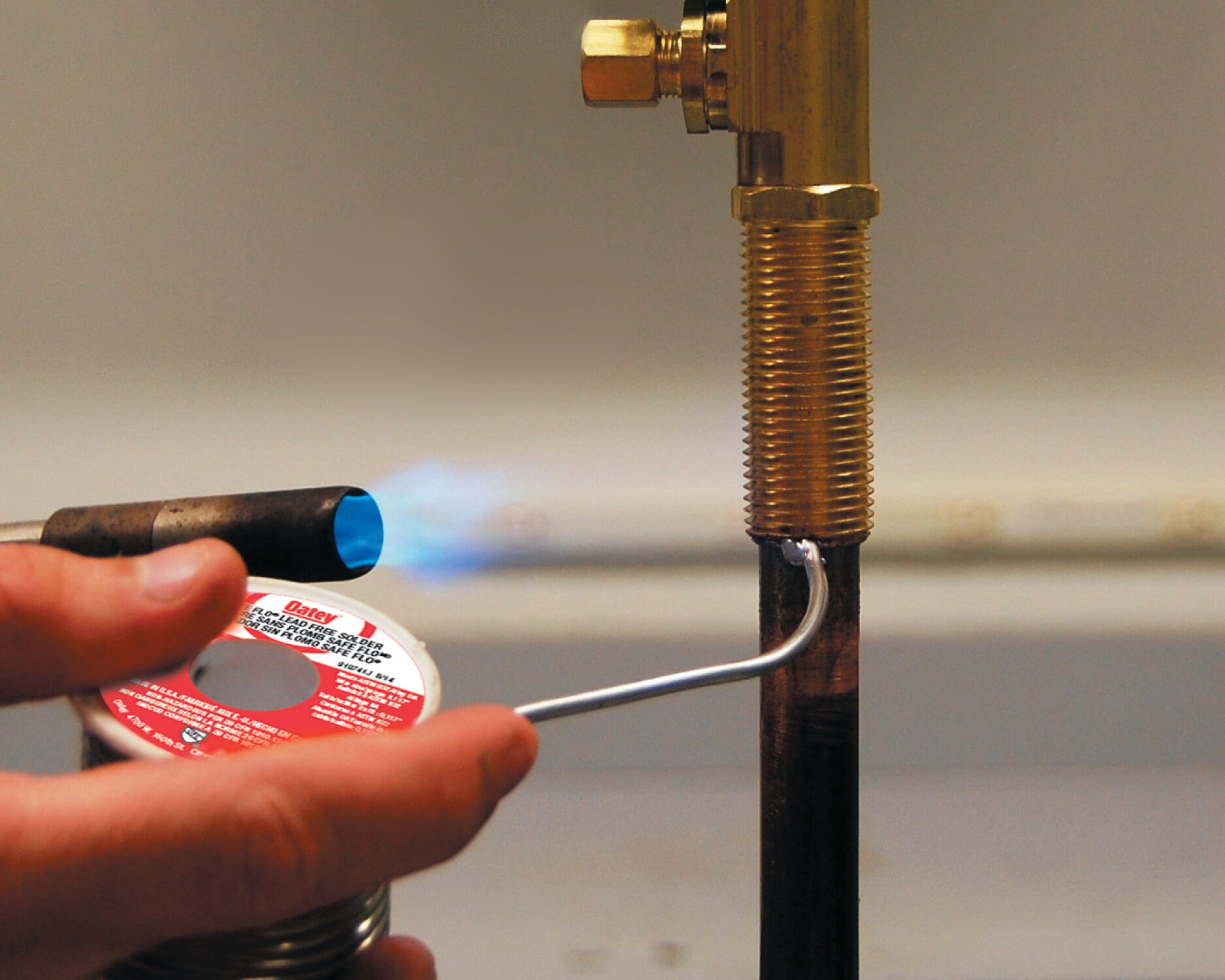
To stop leaks, clean the tubing ends and fittings before joining. Use the right solder and heat evenly during soldering.
| Task | Details |
| Cleaning | Remove dirt and oxidation with a wire brush |
| Flux Application | Apply thin, even layer of flux to the tubing and fitting |
| Soldering | Heat joint evenly and apply solder until it flows into the gap |
| Cooling | Let joint cool naturally without disturbance |
| Inspection | Check for gaps or cracks before use |
Frequently Asked Questions
How Do You Cut Copper Tubing For Plumbing?
Use a tubing cutter for clean cuts. Mark the desired length, tighten the cutter around the tube, and rotate it. Gradually tighten until the tube is cut through without crushing it.
What Tools Are Needed To Cut Copper Tubing?
A copper tubing cutter is essential. You may also need a deburring tool to smooth cut edges. A measuring tape and marker help ensure precise cuts.
Can I Use A Hacksaw To Cut Copper Tubing?
Yes, a hacksaw can cut copper tubing but may cause uneven edges. Use a file or deburring tool afterward to smooth the cut for a better fit.
How Do I Avoid Damaging Copper Tubing While Cutting?
Avoid over-tightening the cutter to prevent crushing. Rotate smoothly and tighten gradually. Use proper tools and support the tubing firmly during the cut.
Conclusion
Cutting copper tubing does not have to be hard. Use the right tools and measure twice before cutting. Keep the blade sharp and cut slowly for a clean edge. Clean the tube ends after cutting to avoid leaks. Practice these steps, and your plumbing work will be easier.
Small efforts lead to better results. You can handle copper tubing with confidence and safety. Simple steps make a big difference in plumbing tasks.