If you’ve ever struggled to cut grooves and dados that fit perfectly, you know how frustrating it can be. These cuts are key to strong, professional-looking joints, but getting them just right takes skill and the right technique.
In this guide, you’ll discover simple steps and expert tips that make cutting grooves and dados easy and precise. Whether you’re working on a small project or building furniture, mastering this skill will save you time and give your work a flawless finish.
Ready to take your woodworking to the next level? Let’s dive in and make those cuts perfect every time.
Credit: www.familyhandyman.com
Tools For Cutting Grooves And Dados
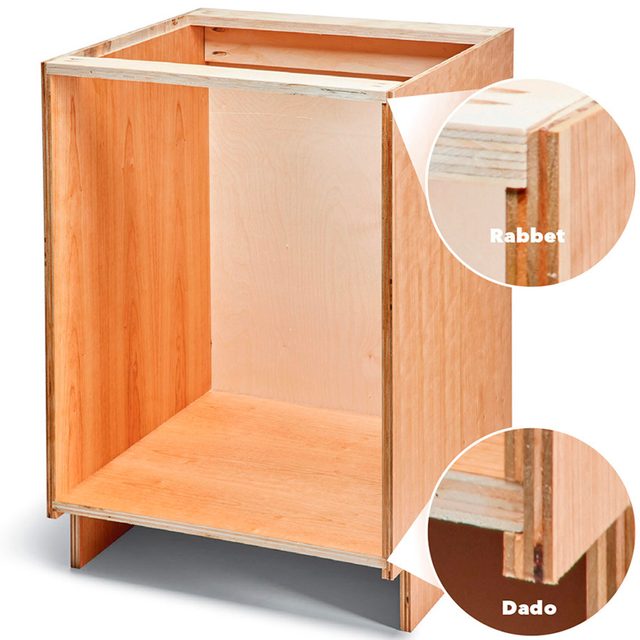
Cutting grooves and dados is important in woodworking. These cuts help join pieces of wood firmly.
Using the right tools makes these cuts clean and accurate. Let’s look at the tools needed.
Essential Hand Tools
Hand tools give you control when cutting grooves and dados. They work well for small or delicate jobs.
Common hand tools include chisels, hand saws, and marking gauges. These tools help create straight and precise cuts.
- Chisels:Used to clean and refine the groove edges.
- Hand Saws:Allow careful cutting of grooves before cleaning with chisels.
- Marking Gauges:Help mark the exact width and depth of the cuts.
Power Tools Overview
Power tools speed up the process of cutting grooves and dados. They are best for larger or repeated cuts.
Popular power tools include routers, table saws, and radial arm saws. These tools offer precision and speed.
- Router:Ideal for cutting clean grooves with various bit sizes.
- Table Saw:Used with dado blades to cut wide dados quickly.
- Radial Arm Saw:Offers good control for crosscuts and grooves.
Choosing The Right Blade
Selecting the right blade is key for accurate and smooth cuts. Blade type depends on your tool and wood type.
Blades with more teeth give cleaner cuts but cut slower. Fewer teeth blades cut faster but rougher.
- Chipper Blades:Used in dado sets for removing waste material.
- Combination Blades:Balance between smoothness and speed.
- Crosscut Blades:Good for clean, smooth edges on hardwoods.
Credit: www.familyhandyman.com
Preparing Your Workpiece
Cutting grooves and dados needs careful preparation. The workpiece must be ready for accurate cuts.
Proper setup helps avoid mistakes and improves the quality of your woodworking project.
Measuring And Marking
Measure the groove or dado location carefully. Use a ruler or tape measure for accuracy.
Mark the cut lines clearly with a pencil. Double-check your measurements before cutting.
- Measure twice to avoid errors
- Use a sharp pencil for clear lines
- Mark both ends of the groove or dado
- Consider marking the depth line if needed
Securing The Material
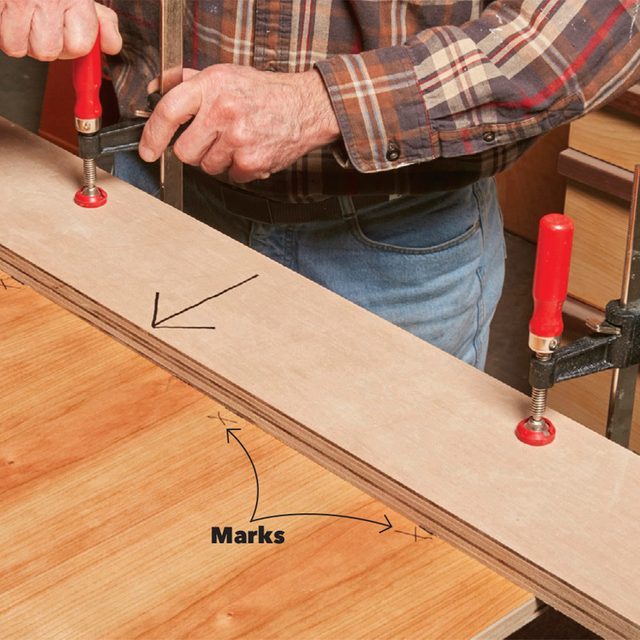
Clamp the workpiece firmly to your workbench. This prevents movement during cutting.
Use enough clamps to keep the material stable. Check that it will not shift under pressure.
- Position clamps away from cutting area
- Ensure the work surface is flat
- Use non-slip pads if the surface is smooth
- Test the hold before starting the cut
Selecting The Cut Depth
Set your saw or router to the right depth for the groove or dado. Too shallow or too deep affects fit.
Use a depth gauge or ruler to measure the cut depth accurately. Adjust the tool before cutting.
- Check the thickness of the material
- Decide how deep the groove or dado should be
- Set the tool depth carefully
- Make test cuts on scrap wood first
Techniques For Accurate Cuts
Cutting grooves and dados needs care and the right tools. Accurate cuts make wood joints stronger and look cleaner.
Using correct methods helps prevent mistakes and saves time. Here are some ways to cut grooves and dados accurately.
Using A Router With A Guide
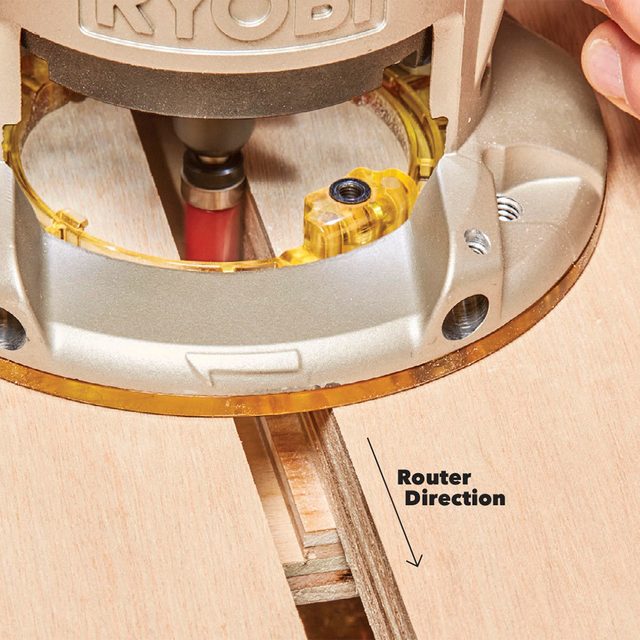
A router with a guide gives control and precision. The guide keeps the router straight for even cuts.
Clamp a straight edge or use a commercial guide for the router base. Move the router slowly along the guide.
- Set the router bit depth before starting
- Use a sharp straight bit for clean edges
- Make multiple shallow passes for best results
- Keep the router steady and move at a constant speed
Table Saw Setup Tips
Table saws cut grooves and dados quickly if set up correctly. Use a dado blade or stack blades for wider cuts.
Adjust the fence to the exact width of the groove. Check the blade height to match the depth needed.
- Measure twice before adjusting the fence
- Use a push stick for safety and control
- Make test cuts on scrap wood first
- Feed the wood slowly and steadily through the blade
Hand Saw And Chisel Methods
Hand tools work well for small or fine groove cuts. A saw cuts the groove edges, and a chisel cleans the bottom.
Mark the groove carefully with a pencil and square. Saw along the lines slowly to keep accuracy.
- Use a back saw for straight, clean cuts
- Chisel out wood by tapping gently with a mallet
- Work in small sections for better control
- Check the groove depth often with a ruler
Avoiding Common Mistakes
Cutting grooves and dados needs care to get good results. Small mistakes can ruin your woodwork.
Learn how to avoid common errors for cleaner, stronger joints and better finishes.
Preventing Tear-out
Tear-out happens when wood fibers lift and break along the cut edges. It makes the groove look rough.
To stop tear-out, use sharp blades and cut slowly. Cut with the grain whenever possible.
- Use a backer board to support the wood fibers.
- Make a shallow pass before the full depth cut.
- Use masking tape along the cut line to reduce splintering.
Maintaining Straight Cuts
Straight cuts make grooves and dados fit perfectly. Crooked cuts cause weak joints and poor looks.
Use guides and clamps to keep the wood steady and the saw on track.
- Mark the cut line clearly with a pencil or knife.
- Use a straight edge or fence to guide the saw.
- Check your setup before starting the cut.
- Keep a steady hand and move the saw slowly.
Ensuring Consistent Depth
Groove depth affects how parts fit together. Uneven depths cause weak joints and gaps.
Set your tool to the right depth and keep it steady during the cut.
- Use a depth stop or guide on your saw or router.
- Measure and mark the desired depth before cutting.
- Make multiple shallow passes instead of one deep cut.
- Check depth with a ruler after each pass.
Finishing And Cleaning Up
After cutting grooves and dados, finishing work is important. It makes the joint smooth and strong.
Cleaning the groove or dado helps parts fit well and look neat.
Sanding The Groove Or Dado
Sanding removes rough edges and splinters inside the groove or dado. Use fine sandpaper for a smooth finish.
Sand carefully so you do not change the groove size or shape.
- Use a sanding block or small piece of wood wrapped in sandpaper
- Sand along the groove length evenly
- Check for any rough spots after sanding
Checking Fit And Adjustments
Test the piece that fits into the groove or dado. It should slide in snugly but not too tight.
Make small adjustments by sanding or trimming if the fit is too loose or tight.
- Insert the joint piece and check for gaps
- Sand inside the groove if it is too tight
- Trim or sand the joint piece if needed
- Repeat until the fit is secure and smooth
Applying Wood Glue Or Sealant
Use wood glue or sealant inside the groove or dado to strengthen the joint. Spread it evenly for good adhesion.
Remove any glue that squeezes out before it dries. This keeps the surface clean.
- Apply glue with a small brush or stick
- Cover the entire groove surface lightly
- Press the joint parts firmly together
- Wipe off excess glue quickly with a damp cloth
Credit: www.familyhandyman.com
Frequently Asked Questions
What Tools Are Best For Cutting Grooves And Dados?
The best tools include table saws, router tables, and dado blades. Each offers precision and control for accurate cuts.
How Do I Ensure Groove And Dado Cuts Are Accurate?
Use measuring tools, set blade depth properly, and make test cuts. Stability and slow, steady feed improve accuracy.
Can I Cut Grooves And Dados Without A Table Saw?
Yes, a handheld router with a straight bit can cut grooves and dados accurately.
What Safety Tips Should I Follow When Cutting Grooves?
Wear safety glasses, use push sticks, and keep hands clear of blades. Always disconnect power before adjustments.
Conclusion
Cutting grooves and dados accurately is essential for quality woodworking. Start by choosing the right tools. Measure twice, cut once. Practice patience and precision. Always ensure your workspace is well-lit and organized. Safety should be your priority. Wear protective gear.
Follow these steps, and your woodworking projects will improve. With practice, you’ll gain confidence. Your skill will grow. Remember, every woodworker started somewhere. Enjoy the process and learn from each project. Happy woodworking!