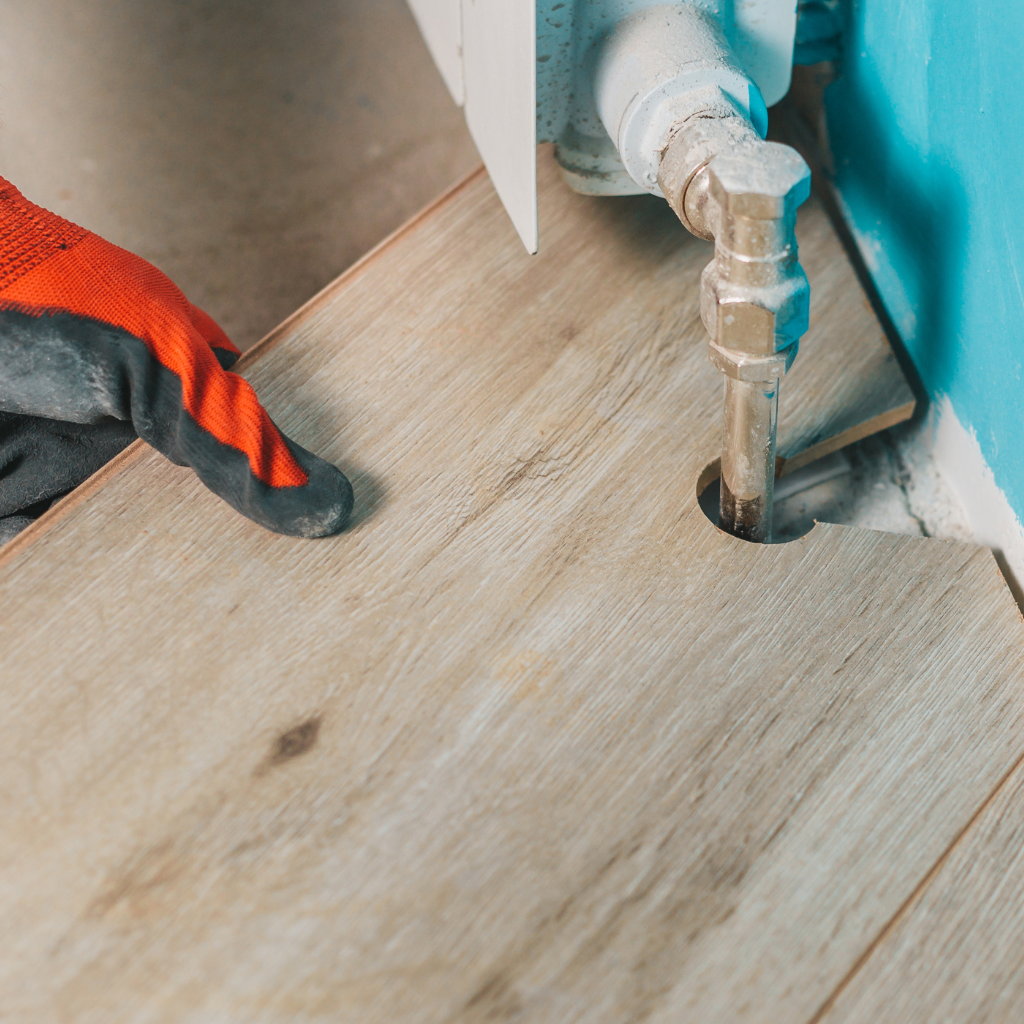
Are you ready to tackle your laminate flooring project but worried about making perfect cuts? You don’t need expensive tools or complicated techniques to get the job done.
With just a utility knife and a few simple steps, you can cut laminate flooring quickly and cleanly. Imagine saving time and money by mastering this easy method yourself. Keep reading, and you’ll discover exactly how to make precise cuts that fit your space perfectly—no stress, no mess.
Your flooring upgrade starts here!

Credit: www.familyhandyman.com
Tools Needed
Cutting laminate flooring with a utility knife is simple if you have the right tools. This guide covers the essential tools you need for clean cuts.
Using the proper tools helps you work faster and safer. It also gives you better results when cutting laminate flooring.
Choosing The Right Utility Knife
Pick a utility knife with a sharp, replaceable blade. A sturdy handle makes cutting easier and safer.
Look for a knife that locks the blade in place. This feature prevents slipping during cutting.
- Sharp, replaceable blade
- Comfortable, non-slip handle
- Blade lock mechanism
- Blade length suitable for laminate thickness
Additional Cutting Tools
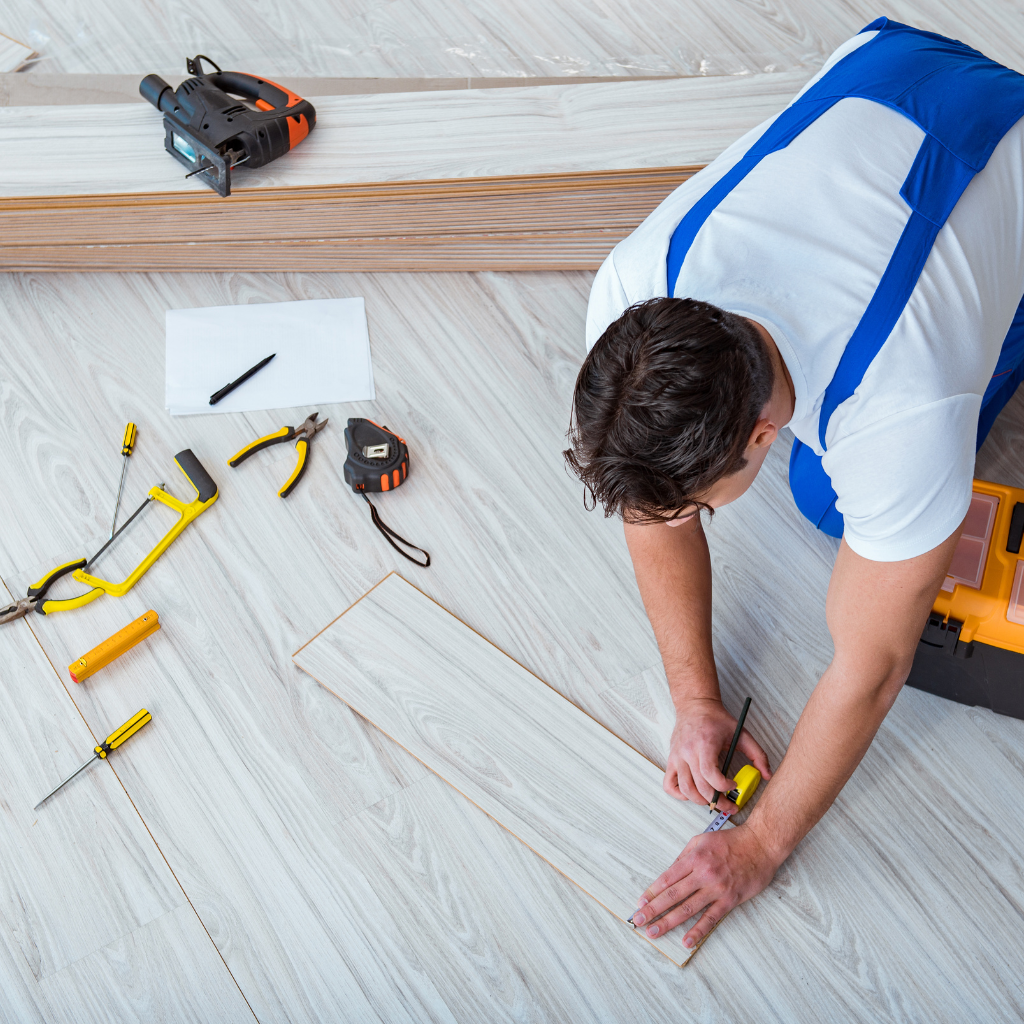
Besides the utility knife, you may need other tools for precise cuts. A straight edge helps guide your cuts.
A measuring tape and pencil are important for marking where to cut. Sometimes a saw is needed for thicker parts.
- Straight edge or ruler
- Measuring tape
- Pencil or marker
- Fine-toothed handsaw (optional)
Safety Gear Essentials
Wear safety gear to protect yourself. Gloves help avoid cuts and splinters.
Eye protection is important to guard against flying debris. Work in a well-lit area for better visibility.
- Cut-resistant gloves
- Safety goggles
- Dust mask (if sanding)
- Good lighting
Preparing The Workspace
Cutting laminate flooring with a utility knife needs a clean and safe workspace. Preparing your area helps you work faster and avoid mistakes.
Getting ready includes clearing space, measuring carefully, and setting up a proper cutting surface. Each step makes the process easier and safer.
Clearing The Area
Remove furniture and objects near the cutting spot. This gives you room to move freely and avoid accidents.
Sweep the floor to clear dust and debris. A clean floor helps your measurements stay accurate.
- Move furniture away from the work zone
- Clear small objects and tools
- Sweep or vacuum the floor
- Ensure good lighting in the area
Measuring And Marking
Measure the laminate plank carefully before cutting. Use a tape measure for accuracy.
Mark your cut line with a pencil or chalk. Make a straight, visible line to follow with the knife.
- Measure twice to avoid mistakes
- Use a ruler or straight edge for marking
- Mark clearly on the laminate surface
- Check measurements against the room’s layout
Setting Up A Cutting Surface
Place a cutting board or scrap wood under the laminate plank. This protects your floor and helps you cut cleanly.
Make sure the cutting surface is stable and flat. A shaky base can cause uneven cuts or injuries.
- Use a sturdy cutting board or piece of plywood
- Keep the surface flat and steady
- Avoid cutting directly on the floor
- Check that the cutting surface is large enough
Cutting Techniques
Cutting laminate flooring with a utility knife can be simple and precise. Knowing the right techniques helps you make clean cuts without damage.
Use the right tools and follow each step carefully for the best results. This guide focuses on scoring, applying pressure, and handling curved cuts.
Scoring The Laminate
Start by measuring and marking the cut line on the laminate. Use a straight edge to guide your utility knife.
Score the top layer by dragging the utility knife along the line. Make several passes to deepen the cut without cutting all the way through.
- Place the laminate on a stable surface
- Use a sharp utility knife blade
- Score lightly first, then press harder
- Follow the marked line carefully
Applying Pressure For A Clean Break
After scoring, position the laminate so the cut line is just beyond the edge of your work surface. Hold the board firmly.
Press down on the overhanging section to snap the laminate along the scored line. Use steady, even pressure for a clean break.
- Support most of the board on the work surface
- Hold the board tight with your non-cutting hand
- Press down on the overhang gently but firmly
- Snap the board in one smooth motion
Handling Curved Cuts
Curved cuts need extra care. Mark the curve clearly on the laminate before cutting.
Score along the curve with the utility knife in small sections. Take your time to keep the cut smooth and accurate.
- Draw the curve with a pencil or template
- Score the curve in short, controlled strokes
- Use a flexible straight edge if needed
- Slowly snap small sections after scoring
Credit: floorcoveringslocal.co.uk
Tips For Accuracy
Cutting laminate flooring with a utility knife needs care. Accuracy helps the floor look clean and fit well.
Use simple tools and clear marks to guide your cuts. This saves time and avoids waste.
Using A Straightedge
A straightedge is a tool that helps you draw straight lines. Use it to guide your utility knife for neat cuts.
Place the straightedge firmly on the laminate. Hold it tight to stop it from moving while cutting.
- Choose a metal or sturdy plastic straightedge
- Align it exactly where you want to cut
- Press the utility knife along the edge carefully
- Score the laminate deeply with several passes
Marking Repeatable Cuts
Mark cuts clearly on the laminate so you can repeat them if needed. Use a pencil or chalk for easy removal.
Make sure your marks are visible but do not damage the surface. Measure twice to keep cuts exact every time.
- Use a ruler or tape measure to mark cut lines
- Draw light but clear lines on the back side
- Write notes if you need to cut many pieces the same way
- Check each mark before cutting to avoid mistakes
Avoiding Common Mistakes
Common mistakes include cutting without a guide or scoring too shallow. These cause rough edges or wrong sizes.
Take your time and check your tools before cutting. Keep your knife blade sharp for smooth cuts.
- Do not rush the cutting process
- Use a fresh utility knife blade
- Score deeply but do not force the knife too hard
- Always cut on a stable surface
- Double-check measurements before scoring
Finishing Touches
After cutting laminate flooring with a utility knife, finishing touches are very important. These steps help the flooring look neat and fit well.
Taking time to smooth edges, clean debris, and check the fit ensures a professional result. These small actions improve the floor’s durability and appearance.
Smoothing Edges
Cut edges of laminate flooring can be rough or sharp. Use sandpaper or a sanding block to smooth these edges carefully.
Smoothing helps the pieces fit together better and prevents damage during installation. Light sanding is enough to create a clean edge.
- Use fine-grit sandpaper (120-150 grit)
- Sand gently along the cut edge
- Remove any splinters or rough spots
Cleaning Up Debris
Cutting laminate flooring creates dust and small pieces. Clean the work area to keep the surface clear and safe.
Use a vacuum or broom to remove debris from the floor and around the workspace. This prevents scratches and helps with the next steps.
- Vacuum dust from cut edges
- Sweep the floor and surrounding area
- Wipe with a damp cloth if needed
Checking The Fit
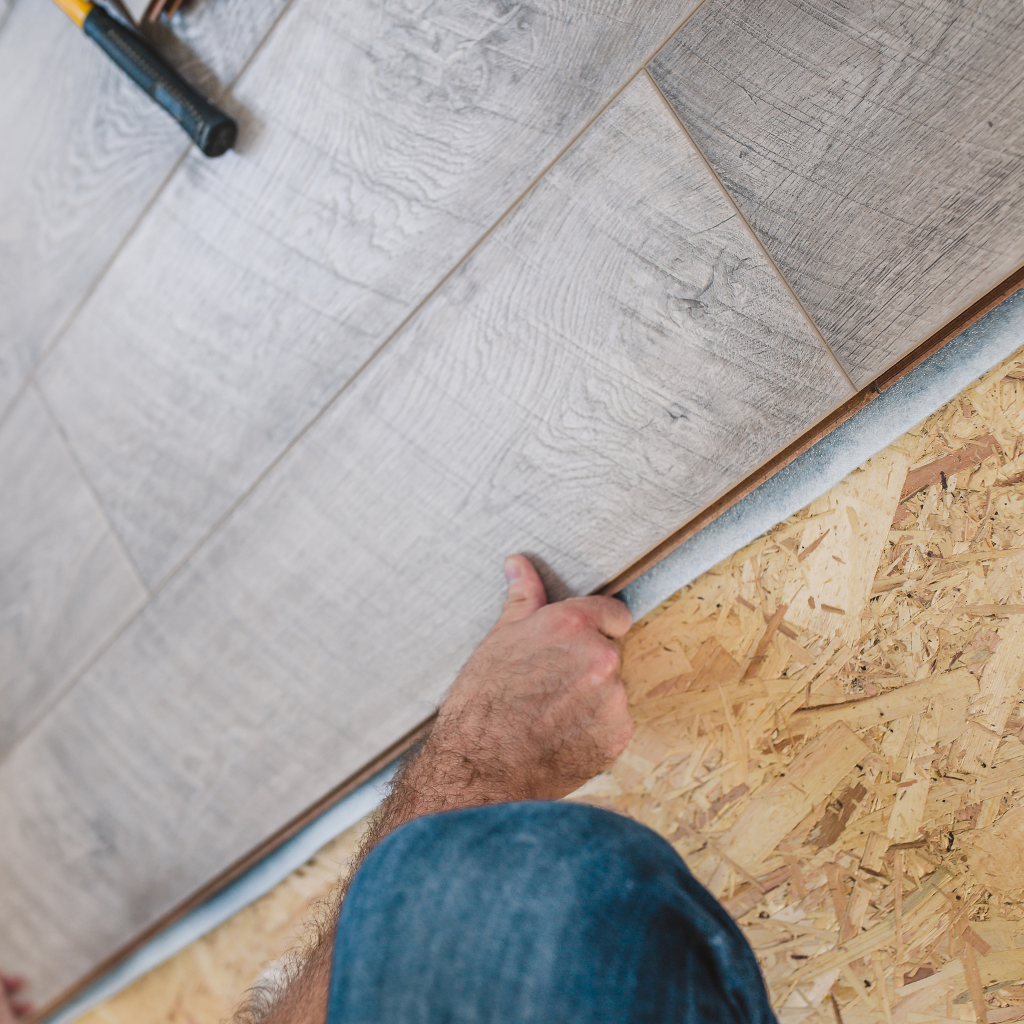
Before final installation, place the cut pieces in position to check the fit. Make sure the edges align well with other boards.
If the piece is too tight or loose, trim or sand it again. Proper fit keeps the floor stable and looks better.
- Place the cut piece in its spot
- Check for gaps or tight spots
- Adjust edges with the utility knife or sandpaper
- Confirm the board clicks or locks properly
Troubleshooting
Cutting laminate flooring with a utility knife can be easy, but some problems may come up. Knowing how to fix these issues saves time and effort.
This guide helps you handle tough laminate, fix bad cuts, and decide when to use other tools.
Dealing With Tough Laminate
Some laminate boards are harder to cut with just a utility knife. This happens when the laminate is thick or has a strong top layer.
To cut tough laminate, score the board several times along the cut line. Use a sharp blade and apply firm pressure. This helps the blade cut deeper each time.
- Use a new, sharp utility knife blade
- Score along the cut line multiple times
- Apply steady and firm pressure
- Break the board gently after scoring
Fixing Imperfect Cuts
Sometimes cuts are uneven or rough. Fixing these small mistakes makes the flooring look better and fit well.
If the cut edge is jagged, use fine sandpaper to smooth it. For small chips, a laminate repair kit can fill gaps. Check the board fit before installing.
- Sand rough edges gently with fine sandpaper
- Fill small chips with a repair putty or kit
- Clean dust before placing the board
- Test fit the board to avoid further cuts
When To Switch Tools
Using a utility knife is best for thin laminate and straight cuts. If the board is thick or cuts are complex, try other tools.
Switch to a jigsaw or circular saw for curved cuts or thick laminate. These tools cut faster and more accurately but need care to avoid damage.
- Use utility knife for thin, straight cuts
- Choose jigsaw for curves and angled cuts
- Pick circular saw for thick or many cuts
- Always wear safety gear with power tools
Credit: floorcoveringslocal.co.uk
Frequently Asked Questions
Can You Cut Laminate Flooring With A Utility Knife?
Yes, you can cut laminate flooring with a utility knife. Use a sharp blade and straightedge for accuracy. Score the surface deeply, then snap the plank. This method works well for small cuts or adjustments. For longer cuts, consider a saw for efficiency and precision.
What Type Of Blade Is Best For Cutting?
A sharp, heavy-duty utility knife blade works best. It ensures clean cuts without damaging the laminate. Regularly replace the blade to maintain efficiency. Dull blades can cause splintering and uneven edges. Ensure your knife is in good condition for best results.
Is Scoring Necessary Before Snapping Laminate?
Yes, scoring is essential before snapping laminate. It weakens the surface, ensuring a clean break. Use a straightedge for guidance when scoring. Apply firm, even pressure to achieve a deep score. Proper scoring minimizes jagged edges and maintains the integrity of the plank.
Can Utility Knives Cut Thick Laminate?
Utility knives can cut thinner laminate efficiently. For thicker laminate, scoring deeply is crucial. If cutting proves challenging, consider using a saw. Always test on a scrap piece first. A utility knife may struggle with very thick or dense laminate materials.
Conclusion
Cutting laminate flooring with a utility knife is simple and safe. Use a straight edge to guide your cut. Score the laminate deeply, then snap it carefully. Take your time and work on a flat surface. Practice on a scrap piece to build confidence.
With patience, you can achieve clean, precise cuts. This method saves money and avoids noisy tools. Ready to start your flooring project? Just follow these easy steps and watch your space improve.