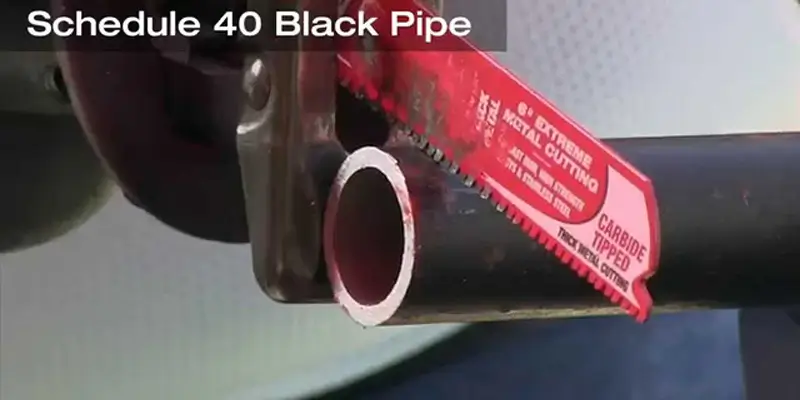
Cutting metal pipes can seem daunting, especially if you’ve never tackled the task before. But what if I told you that with just a hacksaw and a few easy steps, you can confidently cut metal pipes like a pro?
Yes, you can! Whether you’re working on a DIY project or handling household repairs, mastering this skill can save you time and money. Imagine the satisfaction of completing your project with precision and ease. Intrigued? Dive into this guide and discover how you can transform a seemingly tough task into something surprisingly simple and rewarding.
Let’s get started!
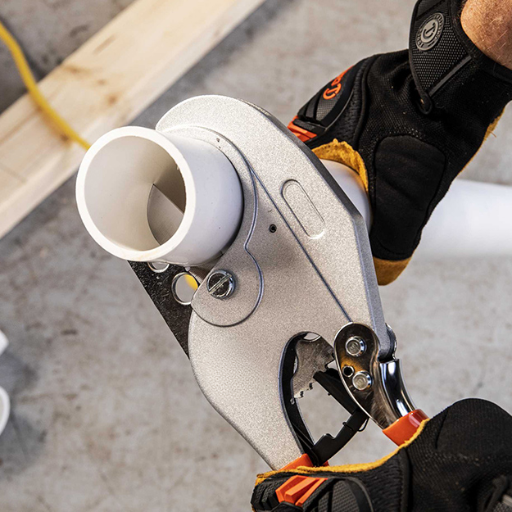
Credit: ud.goldsupplier.com
Tools And Materials Needed
Cutting metal pipes with a hacksaw requires the right tools and materials. Using proper equipment helps you get a clean cut.
Knowing what to use before you start makes the job easier and safer.
Choosing The Right Hacksaw
Pick a hacksaw with a sturdy frame and a comfortable handle. The blade should fit tightly and not wobble.
Use a blade made for cutting metal pipes. A blade with 18 to 32 teeth per inch works well for most metal pipes.
- Strong, rust-resistant frame
- Comfortable grip handle
- Blade with 18-32 teeth per inch
- Blade suitable for metal cutting
Selecting The Pipe
Choose the metal pipe that fits your project needs. Pipes come in different sizes and materials like steel, copper, or aluminum.
Check the pipe diameter and wall thickness. Thicker pipes need more effort and sharper blades.
- Steel pipes are strong but harder to cut
- Copper pipes cut easily and resist corrosion
- Aluminum pipes are lightweight and soft
- Measure pipe diameter before cutting
Safety Gear Essentials
Wear safety gear to protect yourself from metal shards and sharp edges. Safety is important when cutting metal pipes.
Basic safety gear includes gloves, goggles, and ear protection.
- Heavy-duty gloves to protect your hands
- Safety goggles to shield your eyes
- Ear plugs or muffs for loud cutting noise
- Long sleeves to protect your arms

Credit: m.youtube.com
Preparing The Pipe For Cutting
Cutting metal pipes with a hacksaw needs good preparation. Proper setup helps you cut safely and cleanly.
Start by getting the pipe ready. This makes the cutting process easier and more accurate.
Measuring And Marking
Measure the pipe carefully before cutting. Use a tape measure to get the exact length you need.
Mark the cutting spot clearly. A fine-tip marker or a pencil works well for this.
- Hold the tape measure straight along the pipe
- Mark the spot with a clear, thin line
- Check the mark twice to avoid mistakes
Securing The Pipe
Hold the pipe firmly in place before cutting. Use a pipe clamp or a vise to secure it.
Make sure the pipe does not move. Movement can cause uneven cuts or injury.
- Place the pipe in the clamp at the mark
- Tighten the clamp to hold the pipe steady
- Check that the pipe cannot spin or slide
Hacksaw Techniques For Cutting
Cutting metal pipes with a hacksaw needs focus and the right technique. Using good methods makes the work easier and cleaner.
This guide explains how to hold the saw, start the cut, and keep a steady stroke for the best results.
Proper Grip And Posture
Hold the hacksaw handle firmly but not too tight. Use your dominant hand on the handle and the other hand to guide the front.
Stand with your feet shoulder-width apart. Keep your body balanced and close to the pipe to control the saw better.
- Keep your wrist straight to avoid strain
- Hold the saw at a comfortable angle
- Position your body to apply steady pressure
Starting The Cut
Begin by marking the pipe where you want to cut. Use a file or marker for a clear line.
Place the saw blade on the mark and start with short, gentle strokes. This helps create a groove to guide the saw.
- Align the blade with the cutting line
- Use slow strokes at first to avoid slipping
- Check the blade position often
Maintaining A Steady Stroke
Use long, even strokes to cut through the pipe. Apply pressure only on the forward stroke, letting the blade do the work on the return.
Keep your pace steady. Avoid rushing or forcing the saw, as this can bend the blade or make the cut uneven.
- Push the saw forward with steady pressure
- Pull back gently without pressure
- Keep the blade straight and aligned
- Stop if the blade bends or sticks
Finishing The Cut
After cutting metal pipes with a hacksaw, the edges are often rough. Finishing the cut makes the pipe safer to handle and fit.
This part includes smoothing the edges and cleaning the pipe to prepare it for use.
Smoothing Edges
Use a metal file or sandpaper to smooth the sharp edges of the cut pipe. This prevents cuts and helps pipes fit better.
Work slowly and check the edges often. Remove any burrs or rough spots until the edge feels smooth.
- Hold the pipe steady
- File the edges in one direction
- Wear gloves to protect your hands
- Use fine-grit sandpaper for a smooth finish
Cleaning The Pipe
After smoothing, clean the pipe to remove metal dust and dirt. A clean pipe is easier to work with and lasts longer.
Use a cloth or brush to wipe the pipe. For stubborn dirt, use a little water and dry it well afterward.
- Wipe with a dry cloth
- Use a brush for metal dust
- Apply water if needed
- Dry the pipe completely
Tips For Efficient Cutting
Cutting metal pipes with a hacksaw takes skill and care. Using the right methods saves time and effort. Good cutting makes clean edges and avoids damage.
This guide shares tips to help you cut metal pipes efficiently. Follow these ideas to get better results and protect your tools.
Avoiding Common Mistakes
Many people make errors that slow cutting or spoil the pipe. Watch for these common mistakes and learn how to avoid them.
- Do not rush the cut. Slow, steady strokes work best.
- Keep the blade straight to avoid uneven edges.
- Secure the pipe firmly to stop it from moving.
- Use the right blade size for the pipe thickness.
- Mark the cut line clearly before starting.
Extending Blade Life
Blades wear out fast if used incorrectly. Care for your hacksaw blade to cut more pipes and save money.
| Tip | Reason |
| Use light pressure | Prevents blade bending and breaking |
| Clean blade after use | Removes metal dust and rust |
| Store blade dry | Stops corrosion and dulling |
| Replace blade when dull | Ensures smooth and fast cutting |
| Use blade for correct material | Matches blade teeth to metal type |

Credit: www.youtube.com
Frequently Asked Questions
How Do I Safely Cut Metal Pipes With A Hacksaw?
To safely cut metal pipes, wear gloves and safety goggles. Secure the pipe firmly in a vise. Use steady, even strokes with the hacksaw to avoid slipping and injury. Always cut away from your body for added safety.
What Type Of Blade Works Best For Metal Pipes?
A hacksaw blade with fine teeth, around 18-24 TPI (teeth per inch), works best for cutting metal pipes. These blades provide a smooth, precise cut and reduce the chance of damaging the pipe or blade.
How Can I Make A Straight Cut On Metal Pipes?
Mark the cutting line with a permanent marker or tape. Clamp the pipe securely to prevent movement. Use slow, controlled strokes with the hacksaw, following the marked line carefully to ensure a straight cut.
How Long Does It Take To Cut Metal Pipes With A Hacksaw?
Cutting metal pipes with a hacksaw typically takes 5 to 15 minutes. The exact time depends on pipe thickness, blade sharpness, and your cutting speed. Patience ensures a clean, accurate cut without damaging the pipe.
Conclusion
Cutting metal pipes with a hacksaw is simple and safe. Use the right tools and measure twice before cutting. Keep steady pressure and saw in a straight line. Take your time to avoid mistakes or injuries. Clean the edges after cutting to prevent sharp bits.
Practice makes the process easier and smoother. Now, you can handle metal pipe cutting with confidence. Ready to try your own project?