Cutting metal with a hacksaw might sound tricky, but it doesn’t have to be. If you’ve ever struggled with uneven cuts or tired arms, you’re not alone.
The good news? With the right technique and a few simple tips, you can make clean, precise cuts every time. In this guide, you’ll discover easy-to-follow steps that will save you time and effort. Ready to master your hacksaw and get the job done like a pro?
Keep reading, because what you learn here will change the way you handle metal cutting forever.
Credit: www.familyhandyman.com
Choosing The Right Hacksaw
Cutting metal with a hacksaw needs the right tools. Picking the best hacksaw helps you work safely and quickly.
This guide covers types of blades, blade teeth per inch, and frame choices. These tips make cutting metal easier.
Types Of Hacksaw Blades
Hacksaw blades come in different types. Each type fits different metals and cutting jobs.
- High carbon steel blades – good for soft metals and general use.
- Bi-metal blades – combine flexibility and toughness for harder metals.
- Carbide-tipped blades – best for very hard metals and long use.
- Diamond blades – used for cutting very tough or abrasive materials.
Blade Tpi And Material Compatibility
Blade teeth per inch (TPI) affects cutting speed and finish. Choose TPI based on metal thickness and type.
| TPI | Best for Metal Thickness | Metal Type |
| 14-18 | Thick metal (over 1/8 inch) | Steel, iron |
| 18-24 | Medium thickness metal | Aluminum, brass |
| 24-32 | Thin metal (less than 1/16 inch) | Sheet metal, thin pipes |
Selecting The Frame And Handle
The frame holds the blade tight. The handle should feel comfortable in your hand.
- Adjustable frames let you change blade length for different cuts.
- Fixed frames are strong but fit only one blade size.
- Ergonomic handles reduce hand fatigue during long cuts.
- Lightweight frames make the saw easier to use overhead.

Credit: www.amazon.co.uk
Preparing For The Cut
Cutting metal with a hacksaw needs careful preparation. Good setup makes the cut clean and safe.
This guide covers marking the cut line, securing the metal, and safety gear essentials.
Marking The Cut Line
Clear and precise lines help you cut the metal correctly. Use the right tools to mark your cut.
- Clean the metal surface before marking.
- Use a permanent marker or a scribe tool for accuracy.
- Draw a straight line where you want to cut.
- Double-check the measurements before cutting.
Securing The Metal
Hold the metal firmly to prevent movement. This helps you cut safely and straight.
| Method | Details |
| Workbench Vise | Clamp the metal tightly for steady cutting. |
| Clamps | Use C-clamps or quick-release clamps on flat surfaces. |
| Non-slip Mat | Place under the metal if clamps are not available. |
Safety Gear Essentials
Wear safety gear to protect yourself from metal shards and dust.
- Safety goggles to protect your eyes.
- Work gloves to shield your hands.
- Long sleeves and pants to cover your skin.
- Hearing protection if cutting loud metal.
Cutting Techniques
Cutting metal with a hacksaw requires the right techniques. Good habits help you cut cleanly and safely.
Focus on your grip, how you start the cut, and keeping a steady rhythm. These steps make cutting easier.
Proper Saw Grip And Stance
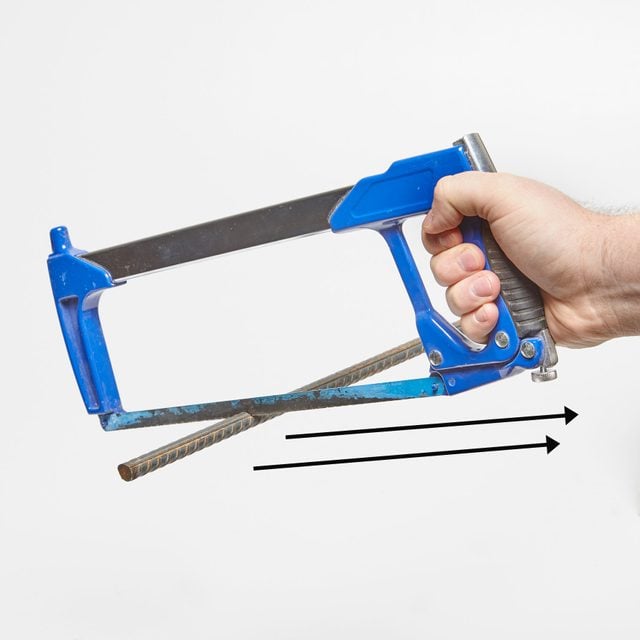
Hold the hacksaw handle firmly with your dominant hand. Your other hand should guide the front of the saw.
Stand with your feet shoulder-width apart. Position your body so you can move the saw straight back and forth.
- Keep your wrist straight to avoid strain
- Use your whole arm, not just your wrist
- Stand balanced for better control
Starting The Cut Smoothly
Begin by placing the saw blade on the mark where you want to cut. Use gentle pressure to start the cut.
Make a few short, slow strokes to create a groove. This groove keeps the blade from slipping as you cut deeper.
- Start with light, slow strokes
- Focus on accuracy, not speed
- Keep the blade aligned with the cut line
Maintaining A Steady Rhythm
Once the groove is made, use long, even strokes. Push and pull the saw smoothly to avoid jagged edges.
Keep a steady pace and avoid forcing the saw. Let the blade do the cutting to prevent damage.
- Use full strokes for better cutting
- Keep your speed consistent
- Apply moderate pressure, not too hard

Credit: bexcodeservices.com
Troubleshooting Common Issues
Cutting metal with a hacksaw can be tricky at times. Small problems can stop your work or make cuts look bad.
Here are solutions to common issues you may face while using a hacksaw. These tips help you cut metal cleanly and safely.
Dealing With Blade Binding
Blade binding happens when the blade gets stuck inside the metal. This can cause jerky cuts or even break the blade.
- Make sure the metal piece is firmly clamped in place.
- Use steady, even pressure while sawing.
- Keep the blade straight and aligned with the cut line.
- Try using a blade with fewer teeth per inch for thicker metal.
- Lubricate the blade with cutting oil to reduce friction.
Fixing Uneven Cuts
Uneven cuts look rough and can ruin your project. They often happen due to poor control or wrong blade tension.
| Cause | How to Fix |
| Blade too loose | Tighten the blade in the hacksaw frame |
| Uneven pressure | Apply steady, even force while cutting |
| Wrong blade type | Choose blade suited for the metal thickness |
| Incorrect angle | Hold saw at a consistent angle to the metal |
Replacing A Dull Blade
A dull blade cuts slowly and creates rough edges. It needs replacement to keep cuts clean and safe.
- Loosen the screws or knobs holding the blade in place.
- Remove the old blade carefully, avoiding injury.
- Choose a new blade with the right tooth count for your metal.
- Install the new blade with the teeth facing forward.
- Tighten the screws or knobs to secure the blade firmly.
Finishing Touches
After cutting metal with a hacksaw, the work is not done. Proper finishing makes the metal safe and neat. It also helps your tools last longer.
Pay attention to smoothing edges and cleaning tools. These steps improve your project and prepare you for the next task.
Smoothing Cut Edges
Cut edges can be sharp and rough. Smooth them to avoid cuts and improve the look. Use a metal file or sandpaper to smooth edges carefully.
Work slowly and check edges often. Make sure no sharp points remain. Wear gloves to protect your hands during this process.
- Use a metal file or fine sandpaper
- File in one direction for a clean finish
- Wear gloves to avoid injury
- Check edges by touch and sight
- Stop when edges feel smooth and safe
Cleaning And Storing Tools
Clean your hacksaw and blades after use. Remove metal dust and oil to prevent rust. Use a dry cloth or brush for cleaning.
Store tools in a dry place. Keep blades safe to avoid damage. Proper care helps tools last longer and work well every time.
- Wipe blades and frame with a dry cloth
- Use light oil to protect from rust
- Store in a toolbox or hanging rack
- Keep blades covered or in cases
- Check tools before next use
Frequently Asked Questions
What Type Of Metal Can Be Cut With A Hacksaw?
A hacksaw can cut soft to moderately hard metals like aluminum, copper, and steel pipes. It’s not ideal for hardened steel or thick metal sheets.
How Do I Choose The Right Blade For Metal Cutting?
Select a blade with fine teeth (18-32 TPI) for cutting metal. Finer teeth provide smoother cuts and reduce blade wear.
What Safety Gear Is Needed When Cutting Metal?
Wear safety goggles, gloves, and a dust mask to protect eyes, hands, and lungs from metal shards and dust.
How Can I Make A Straight Cut With A Hacksaw?
Use a clamp to secure the metal and mark the cut line clearly. Saw slowly and steadily along the marked line.
Conclusion
Cutting metal with a hacksaw is straightforward with practice. Start with a stable workspace. Ensure the metal is secure. Use firm, steady strokes. Check your blade regularly for wear. Replace it if needed. Keep your hand steady for straight cuts.
Patience is key. Rushing can lead to mistakes. Safety is crucial. Always wear protective gear like gloves and goggles. Practice improves your skill. Soon, you’ll cut metal with ease. Remember these tips for your next project. Happy cutting!