Cutting metal with hand tools might sound tough, but it’s easier than you think. Whether you’re fixing something around the house or starting a new project, knowing the right techniques can save you time and money.
In this guide, you’ll discover simple, step-by-step methods to cut metal safely and precisely using tools you probably already have. Ready to take control of your metalwork? Keep reading, and you’ll be surprised at how quickly you can master this skill.
Credit: westmansteel.com
Choosing The Right Hand Tools
Cutting metal with hand tools requires the right equipment. Picking the correct tools makes the job easier and safer.
This guide explains types of hand tools, how to select them based on metal thickness, and important safety gear.
Types Of Hand Tools For Metal Cutting
There are many hand tools to cut metal. Each tool works best for certain tasks and metals.
- Hacksaws:Use for thin to medium metal sheets and rods.
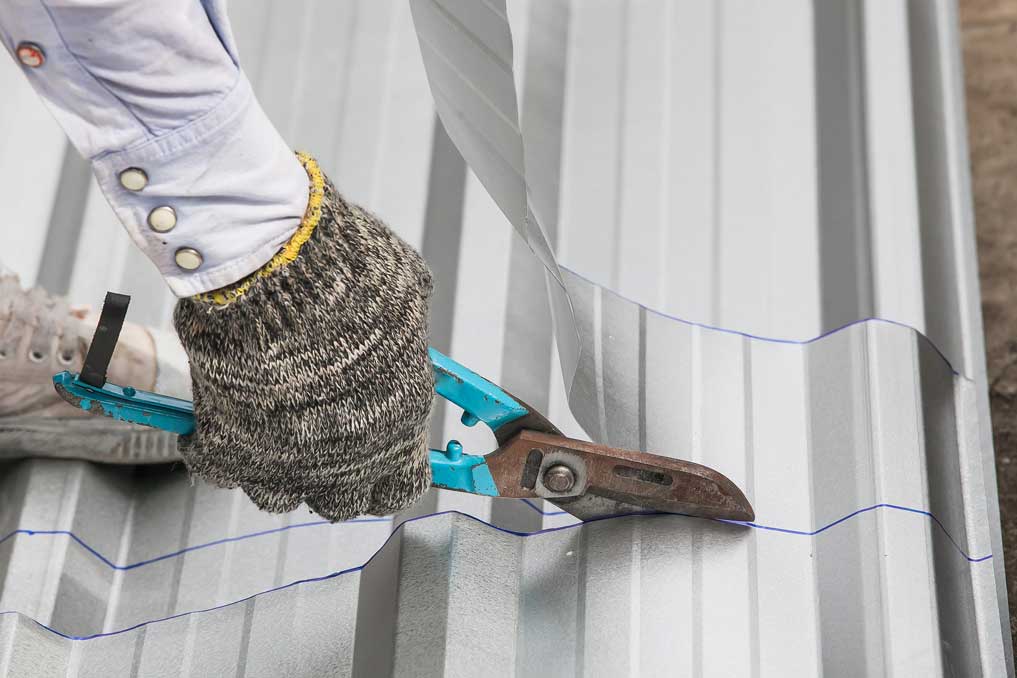
- Tin snips:Best for cutting thin sheet metal with straight or curved cuts.
- Metal files:Ideal for smoothing edges after cutting.
- Cold chisels:Used to cut or shape metal by hammering.
- Wire cutters:Designed to cut metal wires and small rods.
Selecting Tools Based On Metal Thickness
| Metal Thickness | Recommended Hand Tool |
| Thin (up to 18 gauge) | Tin snips, wire cutters |
| Medium (18 to 10 gauge) | Hacksaw, cold chisel |
| Thick (above 10 gauge) | Heavy-duty hacksaw, cold chisel with hammer |
Selecting the right tool reduces effort and prevents damage to metal or tools.
Essential Safety Gear
- Safety goggles to protect your eyes from metal shards.
- Heavy-duty gloves to protect your hands from cuts.
- Long sleeves to shield your arms from sparks and sharp edges.
- Closed-toe shoes to protect feet from falling objects.
- Ear protection if tools create loud noise.
Preparing The Metal Surface
Cutting metal with hand tools needs careful surface preparation. This step helps you get a clean and accurate cut.
Proper preparation makes the cutting process safer and easier. Two main tasks are cleaning and marking, then securing the metal.
Cleaning And Marking The Cut Line
Start by cleaning the metal surface to remove dirt, rust, and grease. A clean surface helps you mark the cut line clearly.
- Use a wire brush or sandpaper to clean rust spots.
- Wipe the metal with a cloth and a degreaser.
- Dry the metal before marking.
- Use a ruler and a permanent marker or scribe to draw the cut line.
- Double-check the measurement before cutting.
Securing Metal For Stability
Hold the metal firmly to keep it from moving while you cut. This improves safety and cutting accuracy.
| Method | Description | Tools Needed |
| Clamping | Use clamps to fix metal to a workbench. | C-Clamps or Bar Clamps |
| Vise | Place metal in a bench vise for tight grip. | Bench Vise |
| Support Blocks | Use wooden blocks to stabilize long metal pieces. | Wood Blocks, Clamps |
Cutting Techniques For Different Tools
Cutting metal by hand needs care and the right technique. Different tools work best for certain types of cuts.
This guide shows how to use common hand tools to cut metal safely and well.
Using A Hacksaw Effectively
A hacksaw is good for straight or curved cuts on thin to medium metal. Use steady pressure and smooth strokes.
Keep the blade straight and use the full length of the blade to cut. Change blades if they get dull.
- Mark your cutting line clearly.
- Clamp the metal firmly before cutting.
- Use long, even strokes.
- Do not force the saw; let the blade do the work.
Snipping With Metal Shears
Metal shears work well for cutting thin sheets of metal. They make clean cuts with little effort.
Open the shears fully before each cut and use short, controlled motions. Avoid twisting the metal while cutting.
- Choose shears that fit the metal thickness.
- Cut along the marked line carefully.
- Wear gloves to protect your hands.
- Keep blades sharp for smooth cuts.
Employing A Manual Nibbler
A manual nibbler removes small pieces of metal. It is good for curved or irregular shapes.
Hold the tool firmly and move it slowly along the cut line. This helps make precise cuts without bending the metal.
- Trace the shape to cut clearly on metal.
- Start cutting at the edge or drill a starter hole.
- Keep the nibbler’s jaws clean for smooth action.
- Work in small sections for better control.
Working With A Cold Chisel
A cold chisel cuts metal by striking it with a hammer. It works well for cutting bolts, rods, and small sheets.
Place the chisel on the metal where you want to cut. Hit the chisel with steady, firm hammer blows to make the cut.
- Wear safety glasses to protect your eyes.
- Hold the chisel at a slight angle to the metal.
- Use a sharp chisel for easier cutting.
- Make several light taps rather than one hard hit.

Credit: www.youtube.com
Maintaining Precision During Cutting
Cutting metal with hand tools needs steady focus and control. Keeping precision helps avoid mistakes and wasted material.
Using the right methods improves your accuracy and makes the work safer. Follow careful steps to keep your cuts clean and exact.
Steady Hand Practices
Hold your tools firmly but without tension. Relax your grip slightly to reduce shaking. Keep your body and arm steady for a smooth cut.
- Secure the metal piece tightly in a vise or clamp.
- Use your whole arm, not just your wrist, to guide the tool.
- Take slow, even strokes to avoid slipping.
- Keep your eyes on the cutting line at all times.
- Wear gloves to improve grip and protect your hands.
Checking Progress And Adjustments
Stop often to check your work. Look closely at the cut edge to see if it follows the line well. Use a ruler or square to measure.
| Tool Used | Check Point | Adjustment Needed |
| Hacksaw | Cut line alignment | Slow down, steady hand |
| Metal Snips | Edge smoothness | Trim small sections carefully |
| File | Remove burrs | Use gentle strokes |
Finishing The Cut Edges
After cutting metal with hand tools, the edges are often rough and sharp. Finishing these edges improves safety and gives a cleaner look.
Use simple techniques to file and smooth the edges. This helps prevent cuts and makes the metal easier to handle.
Filing And Deburring Methods
Filing removes rough bits left after cutting. Use a metal file to shape and smooth edges carefully.
Deburring removes small sharp pieces called burrs. It makes the edges safer and ready for use or painting.
- Hold the metal firmly on a stable surface.
- Use a flat or round file depending on the edge shape.
- File in one direction for smooth results.
- Use a deburring tool or sandpaper to clean small burrs.
- Check the edge by running your finger carefully to feel smoothness.
Smoothing Sharp Edges Safely
Wear gloves to protect your hands from sharp edges. Work slowly to avoid accidents when smoothing metal.
Use fine sandpaper or a metal file for a gentle finish. Clean the area and metal after smoothing to remove dust.
- Wear protective gloves and eye protection.
- Use a sanding block for even pressure.
- Sand edges lightly until smooth to touch.
- Brush away metal dust before handling.
Common Mistakes To Avoid
Cutting metal with hand tools needs care and patience. Avoiding common mistakes can help you work safely and get better results.
Knowing what to avoid will protect your tools and keep you safe while cutting metal.
Overexerting The Tools
Using too much force on hand tools can damage the tool and the metal piece. This mistake leads to uneven cuts and tool wear.
- Do not push harder than the tool is designed for.
- Let the tool do the work with steady, even pressure.
- Use the right tool for the thickness and type of metal.
- Keep blades sharp to reduce effort needed.
Ignoring Safety Precautions
Not following safety rules can cause injuries. Protect your eyes, hands, and skin from metal shards and sparks.
| Safety Item | Reason |
| Safety Glasses | Protect eyes from flying metal pieces |
| Gloves | Prevent cuts and burns on hands |
| Long Sleeves | Shield skin from sparks and hot metal |
| Stable Work Surface | Keep metal steady for safer cutting |
Rushing The Cutting Process
Cutting metal too fast can cause mistakes and tool damage. Slow and steady cuts give better results and last longer.
Tips for a careful cutting process:
- Mark your cutting line clearly before starting.
- Cut along the line slowly and steadily.
- Take short breaks to check your progress.
- Do not force the tool; adjust your speed if needed.

Credit: www.instructables.com
Frequently Asked Questions
What Hand Tools Are Best For Cutting Metal?
Hand tools like hacksaws, tin snips, and metal files are ideal. They offer precision and control for various metal types and thicknesses. Choose the tool based on metal hardness and cut complexity for best results.
How Do I Safely Cut Metal By Hand?
Wear protective gear like gloves and goggles. Secure the metal firmly before cutting. Use steady, even strokes with the tool. Always cut away from your body to prevent injuries.
Can I Cut Thick Metal With Hand Tools?
Cutting thick metal by hand is possible but challenging. Use a heavy-duty hacksaw with a fine-toothed blade. Take breaks to avoid tool overheating and maintain accuracy. For very thick metal, consider power tools.
How To Maintain Hand Tools For Metal Cutting?
Clean tools after each use to prevent rust. Sharpen blades regularly for clean cuts. Store tools in a dry place. Proper maintenance extends tool life and ensures efficient cutting.
Conclusion
Mastering metal cutting with hand tools can be simple. Start small. Choose the right tool for your specific task. Remember to wear safety gear. Practice makes perfect. Slowly, you’ll gain confidence and precision. Hand tools offer control and flexibility. They are practical for many projects.
Keep tools sharp and well-maintained. This ensures better results. Always measure twice and cut once. It saves time and reduces errors. Happy cutting! Enjoy the satisfaction of crafting with your hands.