Cutting plastic pipes might seem simple, but doing it the right way can save you time, effort, and frustration. If you want clean, precise cuts without cracking or damaging the pipe, you need the right techniques and tools.
In this guide, you’ll discover easy steps to cut plastic pipes efficiently, whether you’re a DIY enthusiast or tackling a home repair. Keep reading, and you’ll learn how to make every cut smooth and hassle-free, so your project runs perfectly from start to finish.
Choosing The Right Tools
Cutting plastic pipes needs the right tools for a clean and safe job. Using the wrong tool can cause damage or injury.
Learn about handheld cutters, power tools, and safety gear. This helps you pick what fits your work best.
Handheld Pipe Cutters
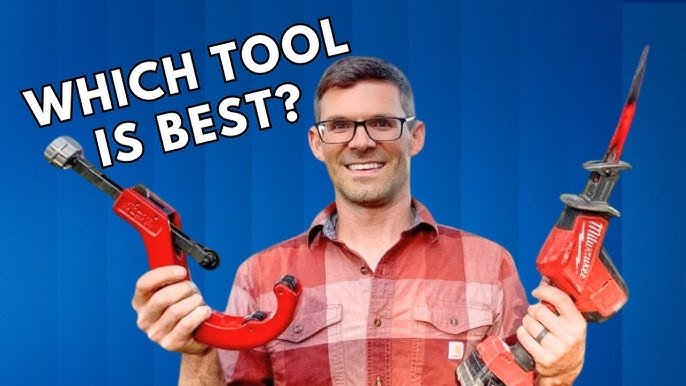
Handheld pipe cutters are simple tools for small jobs. They work well on thin plastic pipes and tight spaces.
- Use ratcheting cutters for smooth cuts
- Choose scissors-style cutters for PVC pipes
- Check the cutter blade is sharp before use
- Hold the pipe steady while cutting
- Cut slowly to avoid cracking the pipe
Power Tools For Cutting
Power tools speed up cutting for larger or thicker pipes. They provide straight cuts with less effort.
| Tool | Best For | Notes |
| Jigsaw | Curved or straight cuts | Use plastic blade for clean cuts |
| Reciprocating Saw | Thick pipes | Good for rough cuts |
| Rotary Tool | Small diameter pipes | Use with cutting wheel attachment |
| Pipe Cutter Attachment | Quick straight cuts | Fits on drill or rotary tool |
Safety Gear Essentials
Wear safety gear to protect yourself during pipe cutting. This reduces risks from sharp edges and flying debris.
- Safety glasses to protect eyes
- Work gloves to prevent cuts
- Long sleeves to shield arms
- Mask to avoid inhaling plastic dust
- Secure footwear to protect feet
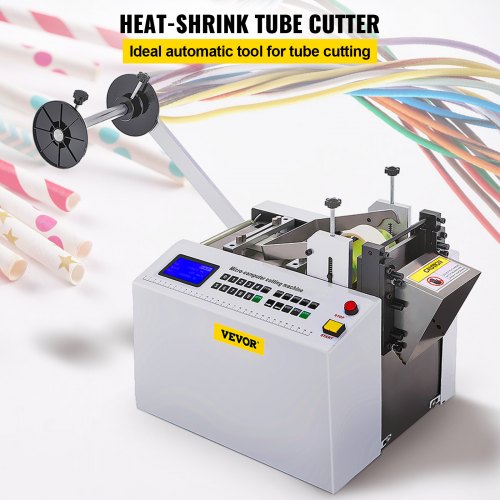
Credit: www.vevor.ca
Preparing Pipes For Cutting
Cutting plastic pipes needs careful preparation. Proper steps help you cut pipes cleanly and safely.
Preparing pipes well also saves time and avoids mistakes during cutting. Follow these tips before you start.
Measuring And Marking
Measure the pipe length you need to cut with a tape measure. Mark the spot clearly with a marker.
Use a straight edge or ruler to draw a line around the pipe. This line guides your cut for accuracy.
- Use a permanent marker for clear lines
- Measure twice to avoid errors
- Mark both sides of the pipe if possible
- Draw a straight line around the pipe
Securing Pipes Properly
Hold the pipe steady before cutting. Use a clamp or pipe holder to keep it from moving.
Secure pipes at a comfortable height. This helps you cut straight and reduces accidents.
- Use a pipe clamp or bench vise
- Do not overtighten to avoid pipe damage
- Ensure pipe is level and stable
- Wear safety gloves to protect your hands
Cutting Techniques
Cutting plastic pipes correctly saves time and prevents damage. It also helps pipes fit properly during installation.
Use the right tools and methods for each type of cut. This guide covers straight cuts, angled cuts, and common mistakes to avoid.
Straight Cuts
Straight cuts are the most common for joining pipes. Use a sharp pipe cutter or a fine-toothed saw for best results. Mark the cut line clearly before starting.
- Secure the pipe firmly with a clamp or vise.
- Align the cutter or saw on the mark.
- Cut slowly and steadily to avoid rough edges.
- Remove any burrs with sandpaper or a deburring tool.
Angled Cuts
Angled cuts are used for corners or special fittings. Measure and mark the angle carefully using a protractor or angle guide. Use a mitre box to keep the cut accurate.
| Tool | Purpose |
| Mitre Box | Holds pipe steady at set angles |
| Hacksaw | Makes precise angled cuts |
| Protractor | Measures the angle to cut |
| Sandpaper | Smooths cut edges |
Avoiding Common Mistakes
Many errors happen during pipe cutting. Avoid these to keep your work neat and safe.
- Do not cut without measuring first.
- Avoid using dull blades that cause jagged edges.
- Never twist the pipe while cutting.
- Do not skip cleaning rough edges after cutting.
- Always wear safety goggles to protect your eyes.

Credit: www.amazon.ca
Finishing The Edges
Cutting plastic pipes leaves rough edges that need attention. Finishing these edges improves pipe fit and prevents damage.
Use proper methods to remove burrs and smooth the cut. This makes installation easier and safer.
Deburring Methods
Deburring removes sharp bits and small plastic pieces left after cutting. This step protects hands and ensures a clean pipe end.
- Use a deburring tool or a sharp knife to scrape off rough edges.
- Sandpaper can smooth the inside and outside edges gently.
- A rotary tool with a sanding bit works well for tight spaces.
- Always wear gloves to avoid cuts while deburring.
Smoothing And Cleaning Cuts
Smoothing helps pipes fit better and stops dirt from collecting on rough spots. Cleaning removes dust and loose particles.
| Tool | Use | Benefit |
| Fine sandpaper | Wrap around edges and rub gently | Smooths sharp edges softly |
| Cloth or brush | Wipe off dust and debris | Keeps pipe clean for bonding or sealing |
| Compressed air | Blow out particles inside the pipe | Ensures no residue remains inside |
Maintaining Your Cutting Tools
Cutting plastic pipes is easier with sharp and clean tools. Taking care of your tools saves time and effort. Proper maintenance keeps your tools working well for a long time.
Here are simple tips to maintain your cutting tools. Follow these to cut plastic pipes efficiently every time.
Cleaning After Use
Clean your cutting tools right after using them. Remove any plastic bits or dirt stuck on the blades. This stops buildup that can dull the blade.
Use a soft cloth or brush to clean the tool. Avoid using water if the tool can rust. Dry the tool well if you use any liquid cleaner.
Sharpening Blades
Dull blades make cutting hard and can damage pipes. Check your blades often and sharpen them if needed. Sharp blades give clean cuts and use less force.
Use a sharpening stone or tool made for your cutter. Follow the tool’s instructions to keep the blade angle right. Sharpen both sides evenly for best results.
Storage Tips
Store your cutting tools in a dry place. Keep them away from moisture to stop rust. Use a tool box or a pouch to protect blades from damage.
- Keep tools separate to avoid scratches
- Use blade covers if available
- Check tools before each use
- Store in a cool, dry area
Credit: ifanpro.com
Frequently Asked Questions
What Tools Are Best For Cutting Plastic Pipes?
To efficiently cut plastic pipes, use a PVC pipe cutter or a hacksaw. A miter saw can also be used for precise cuts. Always ensure the blade is sharp for clean cuts. For smaller pipes, a rotary pipe cutter is effective.
Safety goggles and gloves are recommended during the cutting process.
How Do I Ensure A Straight Cut On Plastic Pipes?
Mark the cut line with a pencil or marker before cutting. Use a pipe clamp or a miter box to hold the pipe steady. This prevents movement and ensures a straight cut. Consistent pressure while cutting helps maintain a straight line.
Double-check measurements to avoid errors.
Can I Use A Power Saw For Cutting Plastic Pipes?
Yes, a power saw can be used, but choose the right blade. A fine-toothed blade is ideal for plastic pipes. Ensure the saw is set to a low speed to prevent melting. Always wear protective gear, like goggles and gloves.
Keep the pipe steady to ensure a clean cut.
What’s The Best Way To Deburr Plastic Pipes?
After cutting, use a deburring tool or sandpaper to smooth the edges. This prevents leaks and ensures a snug fit. Rotate the tool around the pipe’s edge for a smooth finish. For larger pipes, a file can also be effective.
Always check for rough edges before installation.
Conclusion
Cutting plastic pipes can be simple with the right tools and care. Always measure twice and cut once to avoid mistakes. Use sharp blades to make clean cuts quickly. Keep your workspace safe and organized to work better. Practice helps improve your cutting skills over time.
Follow these tips to save time and effort on your projects. Simple steps lead to better results every time. Trust the process and stay patient throughout the task.
