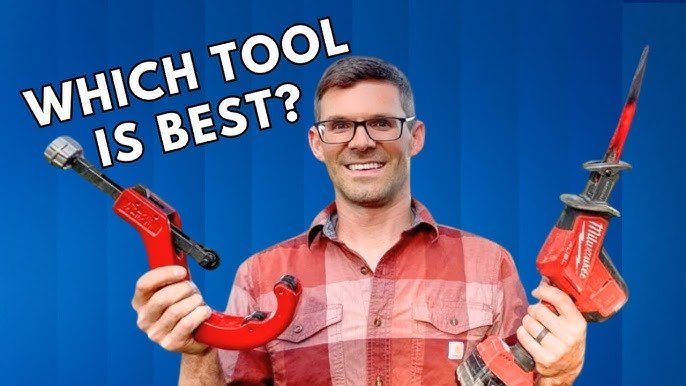
Cutting plastic pipes might seem tricky if you don’t have the right tools or experience. But what if you could do it cleanly and quickly using just simple hand tools you probably already own?
Whether you’re fixing a leak or working on a DIY project, knowing how to cut plastic pipes properly can save you time, money, and frustration. In this guide, you’ll discover easy steps and expert tips to make perfect cuts every time.
Keep reading, and you’ll master this handy skill faster than you think.

Credit: www.pvcfittingsonline.com
Choosing The Right Hand Tools
Cutting plastic pipes by hand needs the right tools. The right tools make cutting easier and cleaner.
Choosing good hand tools keeps your work safe and precise. Learn which tools to pick and what features to check.
Types Of Hand Tools For Plastic Pipes
There are several hand tools for cutting plastic pipes. Each tool fits different pipe sizes and materials.
- Pipe cutters:These have sharp wheels that cut cleanly through plastic.
- Hacksaws:Good for rough cuts but need steady hands.
- Utility knives:Used for thin plastic pipes or trimming edges.
- Pruning shears:Sometimes used for small plastic tubes.
Tool Features To Look For
| Feature | Why It Matters |
| Sharp blade | Makes clean cuts without cracking the pipe |
| Comfortable handle | Reduces hand fatigue during use |
| Adjustable size | Fits different pipe diameters |
| Rust resistance | Lasts longer and stays sharp |
Pick tools with these features to cut plastic pipes safely and well.
Safety Gear Essentials
Wear safety gear to protect yourself while cutting pipes. Plastic pieces can fly and hurt eyes or hands.
- Safety glasses to shield your eyes
- Work gloves to protect your hands
- Long sleeves to cover your arms
- Dust mask if cutting makes plastic dust
Preparing The Pipe For Cutting
Cutting plastic pipes by hand needs good preparation to get clean and accurate results. Preparing the pipe right helps avoid mistakes and makes cutting easier.
Focus on measuring and marking, securing the pipe, and cleaning the cutting area before you start cutting.
Measuring And Marking The Cut
Measure the length you want to cut carefully. Use a tape measure for accuracy. Mark the pipe clearly using a permanent marker or pencil.
- Measure twice to avoid errors
- Mark the pipe at the exact cutting spot
- Draw a line around the pipe for a straight cut
Securing The Pipe
Hold the pipe firmly to keep it from moving during cutting. Use a clamp or a pipe holder on a stable surface. This will help you cut straight and safely.
| Tool | Purpose |
|---|---|
| Pipe clamp | Holds pipe steady on workbench |
| Bench vise | Secures pipe tightly in place |
| Rubber pads | Protect pipe surface from damage |
Cleaning The Cutting Area
Clear any dirt, oil, or debris from the pipe where you will cut. Use a clean cloth or sandpaper to prepare the surface. A clean area helps the cutting tool work better and makes a smooth cut.
Cutting Techniques For Different Tools
Cutting plastic pipes by hand needs the right tools and techniques. Different tools work best for different pipe sizes and types.
Using the correct method makes the cut clean and prevents damage to the pipe. Here are easy ways to cut plastic pipes with three common tools.
Using A Handsaw
A handsaw is good for cutting larger plastic pipes. It works well on PVC and ABS pipes that are thick or wide.
Use a fine-tooth saw blade for smoother cuts. Secure the pipe firmly before you start sawing.
- Mark the cutting line clearly.
- Hold the pipe steady with clamps or a vise.
- Saw slowly with steady strokes.
- Keep the saw straight to avoid angled cuts.
- Clean edges with sandpaper after cutting.
Using A Pipe Cutter
A pipe cutter is the best tool for small to medium plastic pipes. It cuts cleanly and quickly with little effort.
Place the pipe inside the cutter jaws. Tighten the cutter and rotate it around the pipe. Tighten more after each full turn.
- Choose a pipe cutter sized for your pipe.
- Make sure the blade is sharp and clean.
- Rotate slowly and evenly.
- Do not force the cutter too hard.
- Remove burrs with a deburring tool or sandpaper.
Using A Utility Knife
A utility knife works for thin plastic pipes or tubes. It is best for quick cuts on soft plastics.
Score the pipe surface several times along the cut line. Then bend the pipe to snap it cleanly.
- Draw a clear line around the pipe.
- Use a sharp utility knife blade.
- Score the line deeply but carefully.
- Bend pipe gently until it breaks at the score.
- Sand edges to smooth any rough parts.

Credit: ud.goldsupplier.com
Ensuring A Clean And Precise Cut
Cutting plastic pipes with hand tools needs care and attention. A clean cut helps pipes fit well and avoids leaks.
Using the right technique and tools makes cutting easier and more accurate. This guide covers key points for good results.
Smoothing Rough Edges
After cutting, pipe edges can be rough or sharp. Smoothing these edges prevents damage and helps pipes join tightly.
Use sandpaper or a deburring tool to gently smooth the cut edges. Remove any small plastic pieces left behind.
- Wrap sandpaper around the pipe edge
- Rub gently in one direction
- Check for smoothness by touch
- Repeat if needed for a clean finish
Checking For Accuracy
Measure the pipe before cutting to avoid mistakes. Mark the cut line clearly with a pencil or marker.
Use a square or ruler to keep the cut line straight. Check the cut after finishing to confirm it matches your mark.
- Measure twice before cutting
- Draw a clear, straight cut line
- Use a steady hand while cutting
- Compare the cut to your mark
Avoiding Common Mistakes
Common errors can ruin a cut. Avoid twisting the pipe while cutting or using dull blades that cause rough cuts.
Do not rush the job. Cutting slowly and steadily helps keep control and prevents cracking or splitting.
- Do not force the blade through the pipe
- Keep the pipe steady and secure
- Use sharp blades for clean cuts
- Cut slowly to avoid cracking
Maintenance And Storage Of Hand Tools
Keeping hand tools in good shape helps them last longer. Proper care improves safety and makes work easier.
Cleaning, sharpening, and storing tools correctly protect them from damage and rust.
Cleaning After Use
Clean your hand tools after each use. Dirt and plastic bits can cause damage or rust.
Wipe blades and handles with a dry cloth. Use a brush to remove stuck debris.
- Remove plastic scraps from cutting edges
- Dry tools completely to avoid rust
- Use mild soap if tools are very dirty
Sharpening Blades
Dull blades make cutting harder and unsafe. Sharpen blades regularly to keep them sharp.
Use a sharpening stone or file. Follow the blade’s original angle for best results.
- Hold the blade steady during sharpening
- Sharpen both sides evenly
- Check blade sharpness before each use
Proper Storage Tips
Store hand tools in a dry place to prevent rust. Keep them organized to avoid damage.
Use toolboxes, racks, or wall mounts. Avoid piling tools on top of each other.
- Keep blades covered or sheathed
- Store tools away from moisture
- Check tools regularly for damage

Credit: www.pvcfittingsonline.com
Frequently Asked Questions
What Hand Tools Are Best For Cutting Plastic Pipes?
Hand saws, pipe cutters, and utility knives are best for cutting plastic pipes. Choose the tool based on pipe size and thickness for clean cuts.
How Do I Safely Cut Plastic Pipes By Hand?
Wear safety gloves and goggles. Secure the pipe firmly. Cut slowly and steadily to avoid cracking or uneven edges.
Can I Use A Utility Knife To Cut Plastic Pipes?
Yes, a utility knife can cut thin plastic pipes. Score the pipe several times, then snap it carefully along the scored line.
How To Ensure A Clean Cut On Plastic Pipes?
Use a sharp blade and steady pressure. Cut slowly and rotate the pipe for even, smooth edges. Sand edges if needed.
Conclusion
Cutting plastic pipes with hand tools is simple and effective. Using basic tools ensures precision. No need for complex machinery. Just follow safety tips to avoid injuries. Always measure carefully before cutting. This prevents mistakes and material waste. Practice makes the process smoother.
Soon, you’ll handle these tasks confidently. These techniques are useful for DIY projects. Remember, patience and care yield the best results. Now, you’re ready to tackle your next plumbing task. Happy cutting!