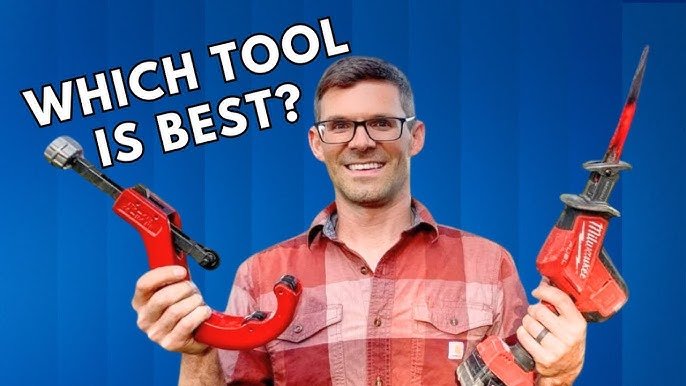
Are you about to tackle a plumbing project and feeling overwhelmed by the thought of cutting PVC pipe? Don’t worry; you’re not alone!
Understanding how to cut PVC pipe for plumbing fittings can make a world of difference in your DIY endeavors. Imagine the satisfaction of completing your project with precision and ease. By mastering a few simple techniques, you’ll not only save time but also avoid costly mistakes.
This guide will walk you through the steps to ensure your cuts are clean, accurate, and perfectly suited for your plumbing fittings. Stay with us, and you’ll soon be cutting PVC like a pro, ready to take on any plumbing challenge that comes your way.

Credit: www.familyhandyman.com
Tools Needed
Cutting PVC pipe for plumbing fittings requires the right tools. Using proper tools makes the job easier and cleaner.
Here are the main tools you need to cut PVC pipes safely and accurately.
Pipe Cutter Types
Different pipe cutters suit different pipe sizes and jobs. Choose one that fits your PVC pipe size and thickness.
- Ratchet-style cutters: Good for small to medium pipes. They give clean cuts with little effort.
- Hose cutters: Used for thin-walled pipes. They look like scissors and cut quickly.
- Hand saws: Used for larger pipes. They require more effort but work on thick pipes.
- Rotary cutters: Have a sharp blade that spins around the pipe. They make smooth cuts.
Measuring Tools
Accurate measuring tools help you cut pipes to the right length. Measure twice, cut once to avoid waste.
- Tape measure: Flexible and easy to use for most pipe lengths.
- Ruler or yardstick: Good for short pipes or quick measurements.
- Caliper: Measures pipe diameter to ensure the right fittings.
Marking Tools
Marking tools help you make clear cut lines on the pipe. This guides your cutting for straight results.
- Permanent marker: Easy to see on PVC surfaces.
- Soapstone pencil: Marks clearly and wipes off if needed.
- Cutting gauge: Helps mark even distances around the pipe.
Safety Gear
Safety gear protects you from sharp tools and dust while cutting pipes. Always use safety gear to avoid injury.
- Safety glasses: Protect your eyes from flying plastic pieces.
- Gloves: Shield your hands from cuts and sharp edges.
- Dust mask: Stops you from breathing in plastic dust.

Credit: www.pvcfittingsonline.com
Preparing The Pipe
Cutting PVC pipe for plumbing fittings starts with good preparation. Proper preparation helps you make clean and accurate cuts. It saves time and prevents mistakes.
Focus on measuring, marking, and securing the pipe before cutting. These steps set the foundation for a smooth process.
Measuring The Length
Measure the pipe carefully to match the needed length for your plumbing fitting. Use a tape measure or ruler for accuracy.
- Place the pipe on a flat surface.
- Stretch the tape measure along the pipe.
- Note the exact length required for the fitting.
- Double-check your measurement before marking.
Marking The Cut Line
Mark the pipe clearly where you will cut. Use a fine-tip marker or pencil for a precise line.
Tips for marking the cut line:
- Draw a straight line around the pipe’s circumference.
- Make sure the line is visible from all angles.
- Check that the mark matches your measurement exactly.
Securing The Pipe
Hold the pipe firmly to avoid movement during cutting. Use a clamp or vise to secure it safely.
| Tool | How to Use |
| Pipe Clamp | Place pipe, tighten clamp to hold pipe steady. |
| Bench Vise | Position pipe in jaws, tighten to secure without crushing. |
| Helper’s Hands | Have someone hold pipe steady if no tools are available. |
Cutting Techniques
Cutting PVC pipe correctly is important for plumbing fittings. The right technique ensures a clean, straight cut.
This guide explains three common ways to cut PVC pipe safely and accurately.
Using A Pvc Pipe Cutter
A PVC pipe cutter is a simple tool designed for cutting plastic pipes. It works like a large pair of scissors.
Place the pipe in the cutter and squeeze the handles. The blade will slice through the pipe quickly and cleanly.
- Use for pipes up to 2 inches in diameter
- Make sure the blade is sharp for a smooth cut
- Cut slowly to avoid cracking the pipe
- Hold the pipe steady to keep the cut straight
Using A Hacksaw
A hacksaw is a hand saw with a fine blade. It is a good tool for cutting PVC pipe of any size.
Mark the pipe where you want to cut. Use steady, even strokes to saw through the pipe.
- Secure the pipe with a clamp or vise
- Keep the saw blade straight for a clean edge
- Remove burrs with sandpaper after cutting
- Wear gloves to protect your hands
Using A Miter Saw
A miter saw is a power tool that makes quick, precise cuts. It is useful for larger PVC pipes and angled cuts.
Set the pipe in the saw base and adjust the angle if needed. Lower the blade slowly to cut through the pipe.
- Use a fine-toothed blade designed for plastic
- Wear safety goggles and hearing protection
- Hold the pipe firmly to avoid movement
- Clean the cut edge with a deburring tool
Smoothing The Edges
Cutting PVC pipe leaves rough edges that can cause leaks or damage fittings. Smoothing the edges ensures a tight fit and safe plumbing.
This guide covers three easy ways to smooth PVC pipe edges after cutting.
Removing Burrs
Burrs are small, sharp pieces left on the pipe edge after cutting. Removing them prevents damage and helps fittings seal better.
- Use a utility knife to carefully trim off burrs.
- Work around the pipe edge evenly for a smooth finish.
- Check the inside and outside of the pipe for burrs.
- Wear gloves to avoid cuts from sharp edges.
Using A Deburring Tool
A deburring tool is designed to clean pipe edges quickly and easily. It removes rough parts left after cutting.
To use a deburring tool:
- Place the tool inside the pipe edge.
- Rotate the tool around the pipe’s circumference.
- Apply light pressure to shave off rough edges.
- Check for a smooth finish and repeat if needed.
Sanding The Edges
Sanding smooths the pipe edges further, removing small imperfections and making the surface even.
- Use medium-grit sandpaper (around 120 grit).
- Wrap sandpaper around the pipe edge and sand evenly.
- Sand both inside and outside edges for best results.
- Finish with fine-grit sandpaper for a polished surface.
- Wipe off dust with a clean cloth after sanding.
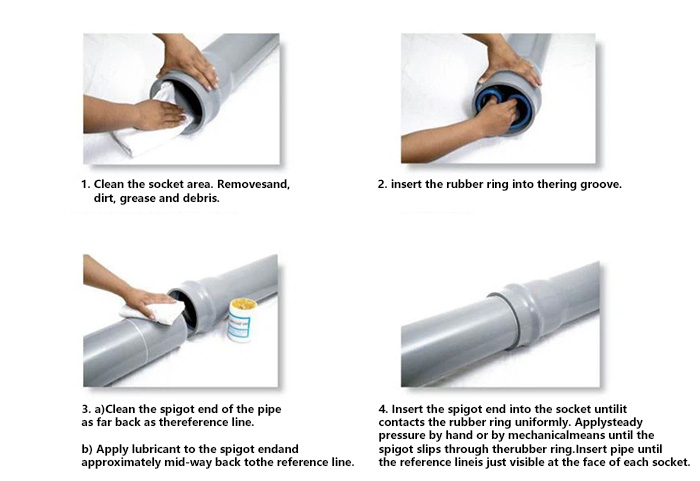
Fitting The Pieces
Fitting PVC pipes correctly is key for strong plumbing connections. Proper fitting prevents leaks and ensures the system works well.
This guide covers dry fitting, checking fit, and adjusting cuts for the best results.
Dry Fitting Pipes
Dry fitting means assembling pipes and fittings without glue. This lets you check alignment and length before final joining.
Place each pipe into the fitting. Make sure they slide in easily but fit snugly. Avoid forcing pieces together.
Checking For Proper Fit
Check these points to ensure a good fit:
- Pipes fully insert into fittings without gaps.
- Joints align straight without bending.
- Pipe ends are clean and smooth.
- Fittings hold pipes firmly without wobble.
Adjusting Cuts If Needed
If pipes do not fit well, trim or smooth the ends. Use a fine saw or sanding tool to correct the length and shape.
| Issue | Adjustment |
| Pipe too long | Trim pipe end with a PVC saw |
| Pipe end rough | Sand edges smooth with fine sandpaper |
| Pipe too short | Cut a new piece slightly longer |
| Fitting too tight | Check for debris or burrs, clean if needed |
Tips For Accuracy
Cutting PVC pipe for plumbing fittings needs care and precision. Accurate cuts ensure strong connections and prevent leaks.
Using the right methods saves time and material. Follow these tips to improve your cutting accuracy.
Measuring Twice, Cutting Once
Always measure the pipe length two times before cutting. This reduces mistakes and waste.
- Use a tape measure for exact length.
- Mark the cutting spot clearly with a pencil or marker.
- Double-check the measurements before cutting.
Maintaining Straight Cuts
Straight cuts help the pipe fit tightly into fittings. Use tools that guide your cut.
| Tool | Tip for Straight Cut |
| Pipe Cutter | Rotate evenly around the pipe for a clean cut. |
| Hacksaw | Use a miter box to keep the blade straight. |
| Utility Knife | Score the pipe several times before snapping it. |
Working In Well-lit Areas
Good lighting helps you see marks and avoid mistakes. Work in bright places or use extra lights.
- Use natural daylight or bright LED lamps.
- Position the light to reduce shadows on the pipe.
- Keep your workspace clean to avoid distractions.
Common Mistakes To Avoid
Cutting PVC pipe correctly is important for plumbing fittings. Avoiding common mistakes helps the pipes fit well and last longer. This guide covers some common errors to watch out for.
Knowing what to avoid saves time and materials. Below are key mistakes and tips to fix them.
Cutting At An Angle
Cutting PVC pipe at an angle can cause leaks and poor connections. Pipes should be cut straight to fit fittings properly. A crooked cut leaves gaps and weak joints.
- Use a pipe cutter or saw with a guide to keep the cut straight.
- Mark the cutting line clearly before cutting.
- Check the pipe end with a square tool after cutting.
Using Dull Tools
Dull tools make cutting hard and uneven. They can crack or crush the pipe. Sharp tools make clean cuts that fit well and save effort.
| Tool Condition | Effect on PVC Pipe |
| Sharp Blade | Clean, smooth cut; easy to work with |
| Dull Blade | Rough edges; pipe damage; poor fitting |
Skipping Edge Smoothing
After cutting, rough edges can cause leaks or damage fittings. Always smooth the pipe edges with sandpaper or a deburring tool. This step ensures a good seal and easier assembly.
Edge smoothing tips:
- Use fine sandpaper or a deburring tool.
- Remove all burrs and sharp edges.
- Check the pipe end for smoothness before fitting.
Credit: www.sam-uk.com
Frequently Asked Questions
How Do You Measure Pvc Pipe For Cutting?
Measure the PVC pipe accurately using a tape measure. Mark the cutting point clearly with a pencil or marker for precision. Always double-check measurements to ensure correct fit with plumbing fittings before cutting.
What Tools Are Best For Cutting Pvc Pipe?
Use a PVC pipe cutter, hacksaw, or miter saw for clean cuts. PVC pipe cutters are ideal for smaller diameters. Ensure the blade is sharp to avoid rough edges and ensure smooth fitting connections.
How To Make Clean Cuts On Pvc Pipe?
Cut slowly and steadily with a sharp blade. Avoid twisting or forcing the pipe during cutting. After cutting, smooth the edges with sandpaper or a deburring tool to prevent leaks and ensure tight fittings.
Can I Cut Pvc Pipe Without Special Tools?
Yes, you can use a hacksaw or a fine-toothed saw if no special tools are available. Cut slowly and carefully to maintain a straight line. Sand edges afterward for a proper seal with fittings.
Conclusion
Cutting PVC pipe for plumbing is simple with the right tools. Measure carefully and mark your cut clearly. Use a sharp saw or pipe cutter for clean edges. Take your time to avoid mistakes. Smooth the cut edges with sandpaper before fitting.
This ensures a good seal and prevents leaks. Practice makes the process easier and faster. Follow these steps to finish your plumbing project well. Good cuts lead to strong, reliable plumbing connections.