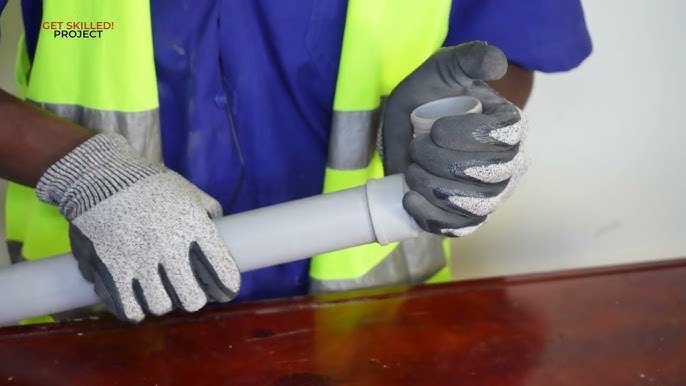
Cutting PVC pipes might seem simple, but getting a clean, smooth cut can be tricky. If your cuts are rough or uneven, it can cause leaks or weak connections in your project.
You want your work to look professional and hold up over time. You’ll discover easy steps and tips to cut your PVC pipes perfectly every time. Whether you’re a beginner or just want better results, these methods will save you time and frustration.
Keep reading to learn how to make your PVC cuts precise and hassle-free.

Credit: www.youtube.com
Tools For Cutting Pvc Pipes
Cutting PVC pipes cleanly requires the right tools. Using proper tools helps you get smooth, straight cuts.
Different tools work best for different pipe sizes and cutting needs. Choose the one that fits your project.
Hand Saws And Hacksaws
Hand saws and hacksaws are common tools for cutting PVC pipes. They are affordable and easy to use.
Use a fine-toothed saw blade to avoid rough edges. Cut slowly and hold the pipe steady for a clean line.
- Choose a blade with small, sharp teeth
- Secure the pipe with a clamp or vise
- Cut in one steady motion without forcing the saw
Pvc Pipe Cutters
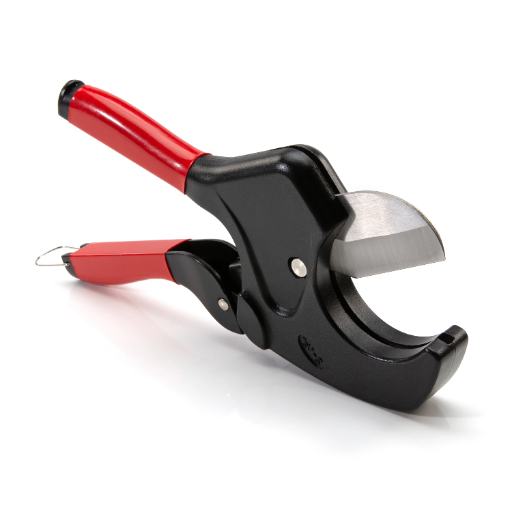
PVC pipe cutters are made specifically for cutting plastic pipes. They work like large scissors and provide clean cuts.
These cutters are best for smaller pipes and thin walls. They make quick cuts with little effort and no mess.
- Use ratcheting cutters for thicker pipes
- Keep blades sharp for smooth cuts
- Place the cutter squarely on the pipe to avoid angled cuts
Power Tools Options
Power tools speed up cutting PVC pipes, especially for large projects. They include rotary tools and power saws.
Use a fine-toothed blade or a plastic cutting bit. Always wear safety gear and cut carefully for clean results.
- Use a miter saw with a plastic blade for straight cuts
- Rotary tools with cutting wheels are good for small cuts or trims
- Keep the pipe secure to prevent slipping during cutting
Preparing Pipes For Cutting
Cutting PVC pipes cleanly requires careful preparation. This ensures a precise cut and a smooth finish.
Two important steps before cutting are measuring and marking the pipe, and securing it properly.
Measuring And Marking
Measure the pipe length carefully using a tape measure. Mark the cutting point clearly with a pencil or marker.
- Use a ruler or tape measure for accuracy
- Mark the pipe with a fine, visible line
- Double-check measurements before marking
- Mark all sides of the pipe for guidance
Securing The Pipe
Hold the pipe firmly to avoid movement during cutting. Use clamps or a pipe vise for stability.
| Method | Description | Tips |
|---|---|---|
| Pipe Vise | Holds pipe securely in place. | Place protective padding to avoid damage. |
| Clamps | Attach pipe to workbench or table. | Ensure clamps are tight but not crushing. |
| Hands | Hold smaller pipes manually. | Use gloves for better grip and safety. |
Cutting Techniques
Cutting PVC pipes cleanly needs careful techniques. Proper cuts ensure pipes fit well.
Using the right tools and methods helps avoid rough edges and waste. Learn how to cut straight and angled PVC pipes.
Straight Cuts
Make straight cuts by marking the pipe clearly. Use a fine-tip marker or pencil for accuracy.
Secure the pipe firmly in place before cutting. A pipe clamp or a vise helps keep it steady.
- Measure and mark the pipe circumference with a marker.
- Use a PVC cutter or a fine-toothed saw for cutting.
- Cut slowly and evenly around the marked line.
- Remove burrs with sandpaper or a deburring tool.
Angled Cuts
Angled cuts require marking the pipe at the correct angle first. Use a protractor or angle finder tool.
| Angle | Tips |
|---|---|
| 45 degrees | Mark line clearly; cut slowly with a fine saw blade. |
| 30 degrees | Use a miter box for precise angle guidance. |
| Custom angles | Measure twice and cut once for accuracy. |
After cutting, smooth the edges to ensure proper fitting and avoid leaks.
Avoiding Common Mistakes
Many errors can ruin a PVC pipe cut. Keep these points in mind to avoid them.
- Do not rush the cut; quick cuts cause jagged edges.
- Avoid using dull tools; they damage the pipe surface.
- Never cut without securing the pipe firmly.
- Always measure twice before cutting.
- Remove all burrs to prevent fitting problems.
Credit: ud.goldsupplier.com
Smoothing And Finishing Cuts
Cutting PVC pipes leaves rough edges that can cause leaks or fitting problems. Smoothing these edges helps pipes join better and last longer.
This guide covers how to smooth and finish your PVC pipe cuts for a clean result.
Deburring The Edges
Deburring removes sharp bits left after cutting PVC pipes. Use a deburring tool or a utility knife carefully to scrape the pipe ends.
- Hold the pipe securely.
- Run the deburring tool inside the pipe edge.
- Turn the pipe as you scrape to remove all rough parts.
- Check the edge with your finger for smoothness.
Using Sandpaper And Files
After deburring, use sandpaper or a file to smooth the pipe ends more. Sandpaper works well for light smoothing, while a file can remove tougher burrs.
| Tool | Use | Tip |
| Sandpaper (120-220 grit) | Light smoothing | Wrap around a block for even pressure |
| Metal file | Removing tough burrs | File in one direction along the edge |
| Emery cloth | Final polishing | Use gentle strokes to avoid scratches |
Safety Tips
Cutting PVC pipes needs care to avoid injuries. Always follow safety steps before starting your work.
Using the right tools and protective gear helps keep you safe and makes the job easier.
Personal Protective Equipment
Wear protective gear to shield your eyes, hands, and lungs from harm. Cutting PVC can create sharp edges and dust.
- Use safety goggles to protect your eyes from flying plastic pieces.
- Wear gloves to avoid cuts and improve grip on the pipe and tools.
- Put on a dust mask to prevent inhaling fine PVC particles.
- Wear long sleeves to protect your arms from scratches.
Safe Tool Handling
Handle cutting tools carefully to reduce the risk of accidents. Always check your tools before use.
- Use a sharp blade or saw designed for PVC pipes to ensure clean cuts.
- Keep your hands away from the cutting area at all times.
- Secure the pipe firmly with a clamp or vise before cutting.
- Cut slowly and steadily to avoid slipping or jagged edges.
- Store tools safely after use to prevent injuries.
Troubleshooting Cutting Issues
Cutting PVC pipes cleanly can be tricky. Sometimes the edges get rough or the cut is uneven.
This guide helps you fix common problems when cutting PVC pipes.
Dealing With Rough Edges
Rough edges happen if the blade is dull or the cut is too fast. These edges can cause leaks or fit issues.
Use sandpaper or a file to smooth the edges after cutting. Always cut slowly and use a sharp blade for better results.
- Check if the blade is sharp before cutting
- Cut the pipe slowly and steadily
- Sand the edges with fine-grit sandpaper
- Use a deburring tool for a smooth finish
Fixing Uneven Cuts
Uneven cuts can happen if the pipe moves or the saw is not steady. This makes it hard to connect pipes properly.
Secure the pipe firmly before cutting. Use a guide or clamp to keep the saw straight and steady.
- Clamp the pipe tightly to prevent movement
- Mark the cutting line clearly with a pencil
- Use a guide to keep the saw straight
- Cut slowly and follow the line carefully
Credit: www.sam-uk.com
Frequently Asked Questions
How Do You Cut Pvc Pipes Without Cracking?
To cut PVC pipes without cracking, use a sharp PVC cutter or fine-toothed saw. Cut slowly with steady pressure to avoid stress on the pipe. Support the pipe firmly to prevent bending during cutting, ensuring a clean and crack-free edge.
What Tools Are Best For Cutting Pvc Pipes?
The best tools for cutting PVC pipes include a PVC pipe cutter, a hacksaw, or a miter saw with a fine-toothed blade. These tools provide clean, straight cuts quickly and reduce the risk of cracking or uneven edges on the pipe.
How Can I Make A Smooth Edge After Cutting Pvc?
After cutting PVC, smooth the edges using sandpaper or a deburring tool. This removes burrs and sharp edges, preventing injury and ensuring a proper fit when joining pipes. Sand lightly until the edge feels even and smooth to the touch.
Can I Use A Regular Saw To Cut Pvc Pipes?
Yes, you can use a regular handsaw or hacksaw to cut PVC pipes. However, a fine-toothed blade is best to avoid rough edges. Cut slowly and steadily to ensure a clean cut and prevent pipe damage or cracking.
Conclusion
Cutting PVC pipes neatly is essential for any project. Use the right tools. A fine-toothed saw or pipe cutter works best. Measure twice, cut once. Ensures accuracy and saves material. Secure the pipe before cutting. Prevents movement and errors. Take your time.
Rushed cuts lead to mistakes. Sand edges after cutting. Smooths the surface, ensuring a snug fit. Practice makes perfect. Each cut improves your skill. With these tips, you’ll achieve clean cuts every time. Happy cutting!