Cutting thin metal sheets by hand might sound tricky, but with the right tools and techniques, you can do it safely and precisely. Whether you’re working on a DIY project or need to make quick adjustments, knowing how to cut metal sheets yourself saves time and money.
In this guide, you’ll discover simple steps and expert tips that make the process easier than you think. Ready to handle your metal cutting like a pro? Keep reading to learn how to get clean cuts every time.

Credit: www.amazon.ca
Choosing The Right Hand Tool
Cutting thin metal sheets with hand tools needs the right choice of tool. The right tool makes cutting easier and safer.
Different tools work better for different metals and thicknesses. Knowing which tool to use helps get clean cuts.
Types Of Hand Tools For Cutting Metal
There are several hand tools to cut thin metal sheets. Each tool fits different tasks and metal types.
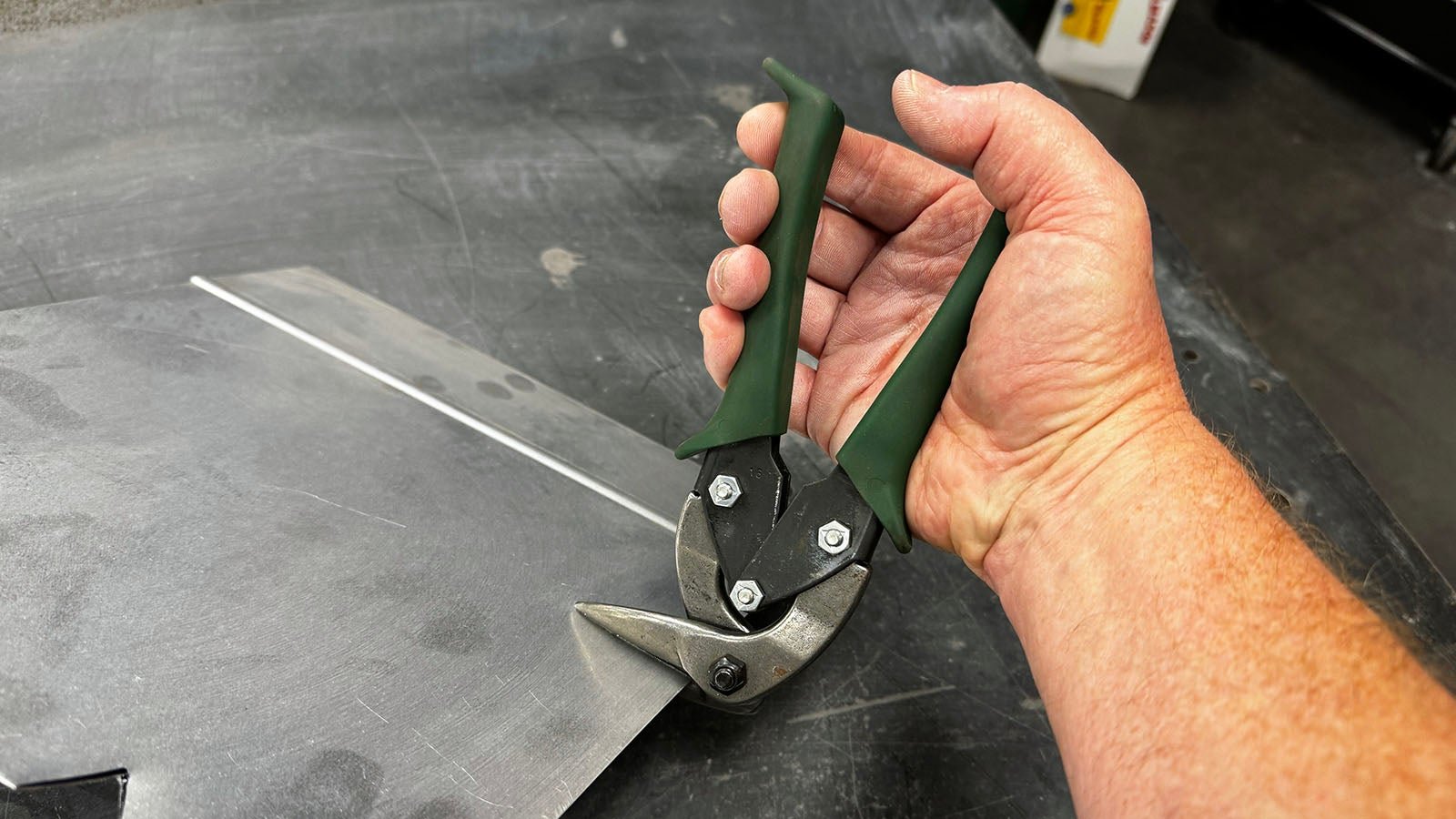
- Tin Snips:Good for light metals like aluminum. They cut straight or curved lines.
- Hacksaw:Useful for thicker metal sheets. It cuts with a fine-toothed blade.
- Metal Shears:Hand shears work like scissors for metal. They give smooth cuts on thin sheets.
- Utility Knife:Can score very thin metal sheets before bending or breaking.
- Jeweler’s Saw:Best for detailed or fine cuts on very thin metal pieces.
Factors To Consider When Selecting Tools
Choosing a hand tool depends on metal type, thickness, and the cut style you want. Safety and ease matter too.
- Metal Thickness:Thicker metal needs stronger tools like hacksaws or heavy-duty shears.
- Cut Shape:Straight cuts work with tin snips or shears. Curves may need special snips or jeweler’s saws.
- Tool Comfort:Pick tools with comfortable grips. This reduces hand fatigue during work.
- Tool Sharpness:Sharp blades cut better and safer. Dull tools can cause rough edges.
- Portability:Smaller tools are easier to carry and use in tight spaces.
Preparing The Metal Sheet
Cutting thin metal sheets with hand tools needs good preparation. Proper preparation makes cutting safer and easier.
Start by choosing the right place and tools. A clean workspace helps you work carefully and avoid mistakes.
Measuring And Marking The Cut Line
Measure the metal sheet carefully before cutting. Use a ruler or tape measure to find the exact length.
Mark the cut line with a fine-tip marker or a scribe tool. This line guides your cutting tool for a straight cut.
- Use a straight edge to keep the line even
- Double-check measurements to avoid errors
- Make marks visible but thin for accuracy
Securing The Metal For Stability
Hold the metal sheet firmly before cutting. Secure it with clamps to stop movement and keep your hands safe.
Place the metal on a stable surface. This reduces vibrations and helps you cut smoothly along the marked line.
- Use bench clamps or C-clamps to hold the metal
- Check that clamps do not block the cut line
- Make sure the metal does not wobble during cutting
Cutting Techniques
Cutting thin metal sheets by hand needs skill and care. Using the right technique makes the job easier and safer.
This guide explains how to hold the tool, apply pressure, and avoid mistakes. Follow these tips for clean cuts.
Proper Hand Positioning And Grip
Hold the cutting tool firmly but not too tight. Keep your hand steady to control the cut smoothly.
Place your hand close to the cutting edge. This gives better control and reduces strain on your wrist.
- Grip the tool handle with your fingers wrapped around it
- Keep your thumb on top for extra control
- Use your other hand to hold the metal sheet steady
Applying Consistent Pressure
Push the tool along the metal sheet with steady pressure. Avoid pushing too hard or too soft.
Consistent pressure helps the tool cut smoothly without bending the metal or damaging the blade.
- Start with light pressure to score the metal
- Increase pressure gradually as you follow the cut line
- Keep pressure even throughout the cut
Avoiding Common Mistakes
Many people cut metal sheets too fast or use the wrong angle. This can cause jagged edges or tool damage.
Take your time and keep your tool sharp. Check your work often to avoid errors.
- Do not force the tool through the metal
- Keep the cutting line clear and marked
- Wear gloves to protect your hands from sharp edges
- Use safety glasses to protect your eyes from metal shards

Credit: m.youtube.com
Finishing The Edges
After cutting thin metal sheets with hand tools, the edges can be sharp and rough. Finishing the edges helps make the metal safe to handle. It also gives the metal a clean, professional look.
Use simple tools like files and sandpaper to smooth the edges. This process removes burrs and sharp points left from cutting.
Smoothing Rough Cuts
Rough cuts have jagged edges and small metal pieces sticking out. These can cause cuts or scratches. Smooth the rough edges by gently filing or sanding them down.
Take your time and check the edge often. Stop when the metal feels smooth and safe to touch.
Using Files And Sandpaper
Start with a metal file to remove the largest burrs and shape the edge. Hold the file at a slight angle and move it in one direction along the edge.
After filing, use sandpaper to polish the edge. Use coarse grit first, then finer grit for a smooth finish. Wrap the sandpaper around a block for better control.
- File the edge with steady strokes
- Use 80-120 grit sandpaper to remove roughness
- Finish with 220-400 grit sandpaper for smoothness
- Wear gloves to protect your hands
- Check the edge by running your finger gently
Safety Tips
Cutting thin metal sheets with hand tools can be dangerous. Safety is very important to avoid injuries.
Follow these safety tips to protect yourself and work carefully with metal sheets.
Protective Gear To Use
Wear the right protective gear before you start cutting metal sheets. This gear keeps you safe from sharp edges and flying bits.
- Safety glasses protect your eyes from metal shards.
- Cut-resistant gloves protect your hands from sharp edges.
- Long sleeves and pants protect your skin from scratches.
- Closed-toe shoes protect your feet from falling pieces.
Safe Handling Practices
Handle metal sheets carefully to avoid cuts and accidents. Always keep your workspace clean and organized.
- Hold the metal sheet firmly but do not force the tool.
- Cut away from your body to reduce injury risk.
- Use clamps to secure the metal sheet in place.
- Keep your hands and fingers clear of the cutting path.
- Take breaks to avoid hand fatigue and loss of control.
Maintaining Your Tools
Taking care of your hand tools helps them last longer. Proper maintenance keeps cutting smooth and safe.
Simple habits after each use protect your tools from damage and rust. This saves money and effort.
Cleaning After Use
Clean your tools right after cutting metal sheets. Remove dirt, metal bits, and oil from the blades.
Use a dry cloth or a soft brush to wipe off debris. Avoid water unless the tool is rust-resistant.
- Wipe blades with a dry cloth
- Use a brush for stuck particles
- Apply light oil to prevent rust
- Keep handles dry and clean
Sharpening
Sharp blades cut metal cleanly and reduce effort. Dull tools can bend or damage thin metal sheets.
Use a sharpening stone or file to keep edges sharp. Follow the blade angle carefully for best results.
- Sharpen blades regularly
- Maintain original blade angle
- Clean blade after sharpening
- Check for nicks or damage
Storage
Store your tools in a dry place to avoid rust. Keep blades covered or in a case to protect edges.
Organize tools to prevent dropping or bumping. Proper storage keeps tools ready for the next job.
- Use toolboxes or racks
- Keep blades covered or sheathed
- Store in a dry, cool place
- Avoid stacking heavy items on tools

Credit: www.familyhandyman.com
Frequently Asked Questions
What Hand Tools Can Cut Thin Metal Sheets?
Hand tools like tin snips, aviation snips, and metal shears are ideal for cutting thin metal sheets. They are cost-effective, easy to use, and offer precise cuts. When using these tools, ensure you choose the right type for straight, curved, or intricate cuts to achieve the best results.
How Do Tin Snips Work On Metal Sheets?
Tin snips work like scissors and are perfect for cutting through thin metal sheets. They have sharp, durable blades designed to slice through metal with ease. By applying steady pressure and using smooth motions, you can achieve clean cuts without bending the metal.
Can Aviation Snips Cut Curves In Metal?
Yes, aviation snips are designed to cut curves in metal sheets. They come in right-cut, left-cut, and straight-cut variants. This allows for precise curved cuts. Their ergonomic design ensures comfort and control, making them a top choice for metalworking projects requiring intricate shapes.
Are Metal Shears Suitable For Intricate Designs?
Metal shears are suitable for intricate designs on thin metal sheets. They provide precision and control for detailed work. Their sharp blades and ergonomic handles make it easier to achieve complex patterns. However, practice and patience are essential to master intricate cuts using metal shears effectively.
Conclusion
Cutting thin metal sheets with hand tools is simple and safe. Choose the right tool and prepare your workspace well. Take your time and follow each step carefully. Keep your hands steady and wear safety gear. Practice a few times before working on the final piece.
This way, you get clean, precise cuts every time. Now, you can handle thin metal sheets with confidence and ease.