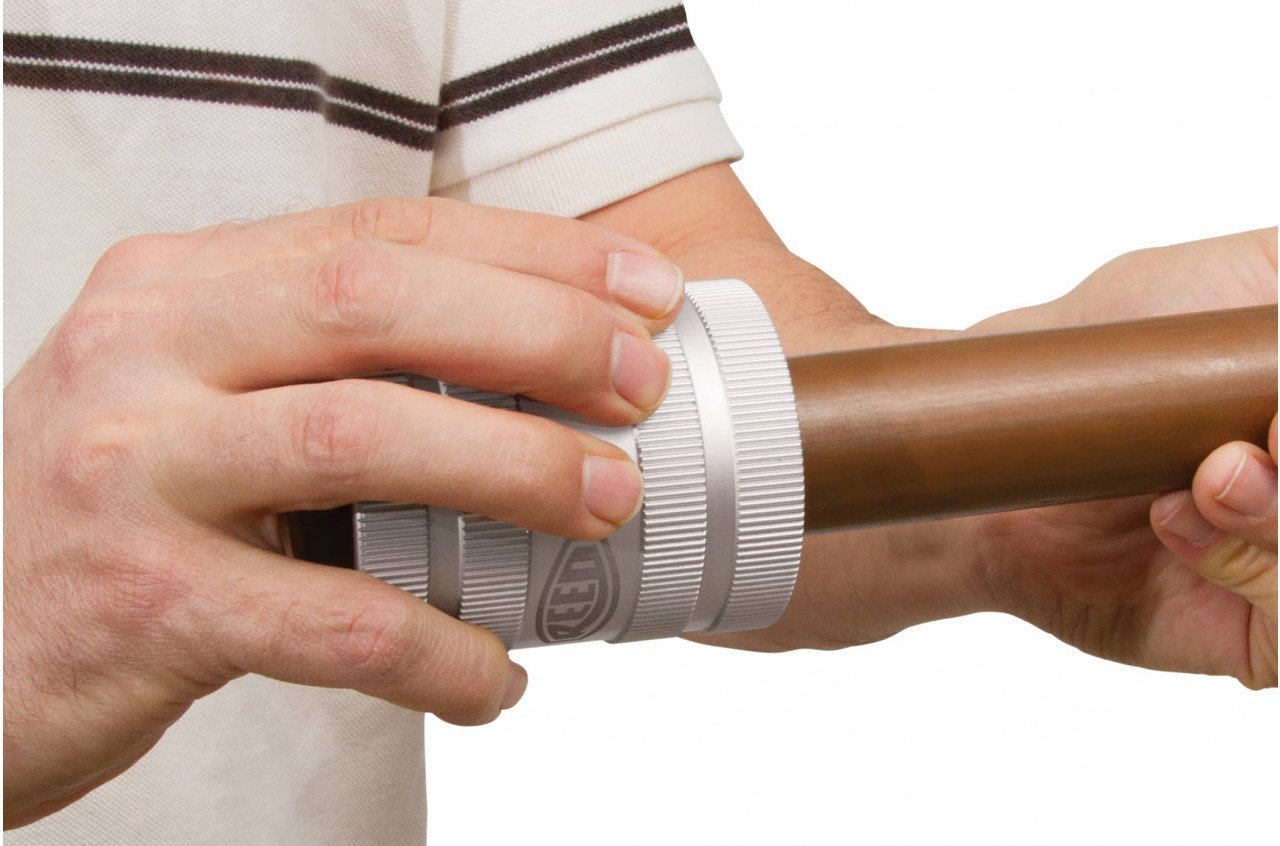
When you work with copper and steel pipes, sharp edges and burrs can cause serious problems. These rough spots might damage your tools, make connections leak, or even injure your hands.
But don’t worry—deburring your pipes is easier than you think. You’ll discover simple, effective ways to deburr copper and steel pipes quickly and safely. By following these steps, you’ll ensure your pipes fit perfectly and last longer. Ready to make your next project smoother and safer?
Let’s dive in.
Tools Needed
Deburring copper and steel pipes makes their edges smooth. This helps pipes fit well and stops leaks. You need the right tools to do it safely and well.
This guide shows the tools for deburring pipes. It covers deburring tools, safety gear, and extra supplies.
Deburring Tools
Deburring tools remove sharp edges inside and outside pipes. Choose the right tool for copper or steel pipes to get clean results.
- Pipe Reamer: Removes inside burrs quickly.
- Deburring Knife: Cuts sharp edges on pipe ends.
- Rotary File: Fits inside pipes for smooth edges.
- Sandpaper or Emery Cloth: Polishes rough spots after cutting.
- Handheld Rotary Tool: Works well on steel pipes for tough burrs.
Safety Equipment
Wear safety gear to protect your eyes, hands, and body from metal shards and dust while deburring pipes.
| Equipment | Purpose |
| Safety Glasses | Protect eyes from flying metal pieces |
| Gloves | Protect hands from sharp edges and tools |
| Dust Mask | Prevent inhaling metal dust and particles |
| Long Sleeve Shirt | Protect arms from scratches and debris |
Additional Supplies
Use extra items to make deburring easier and cleaner. These supplies help keep your workspace tidy and safe.
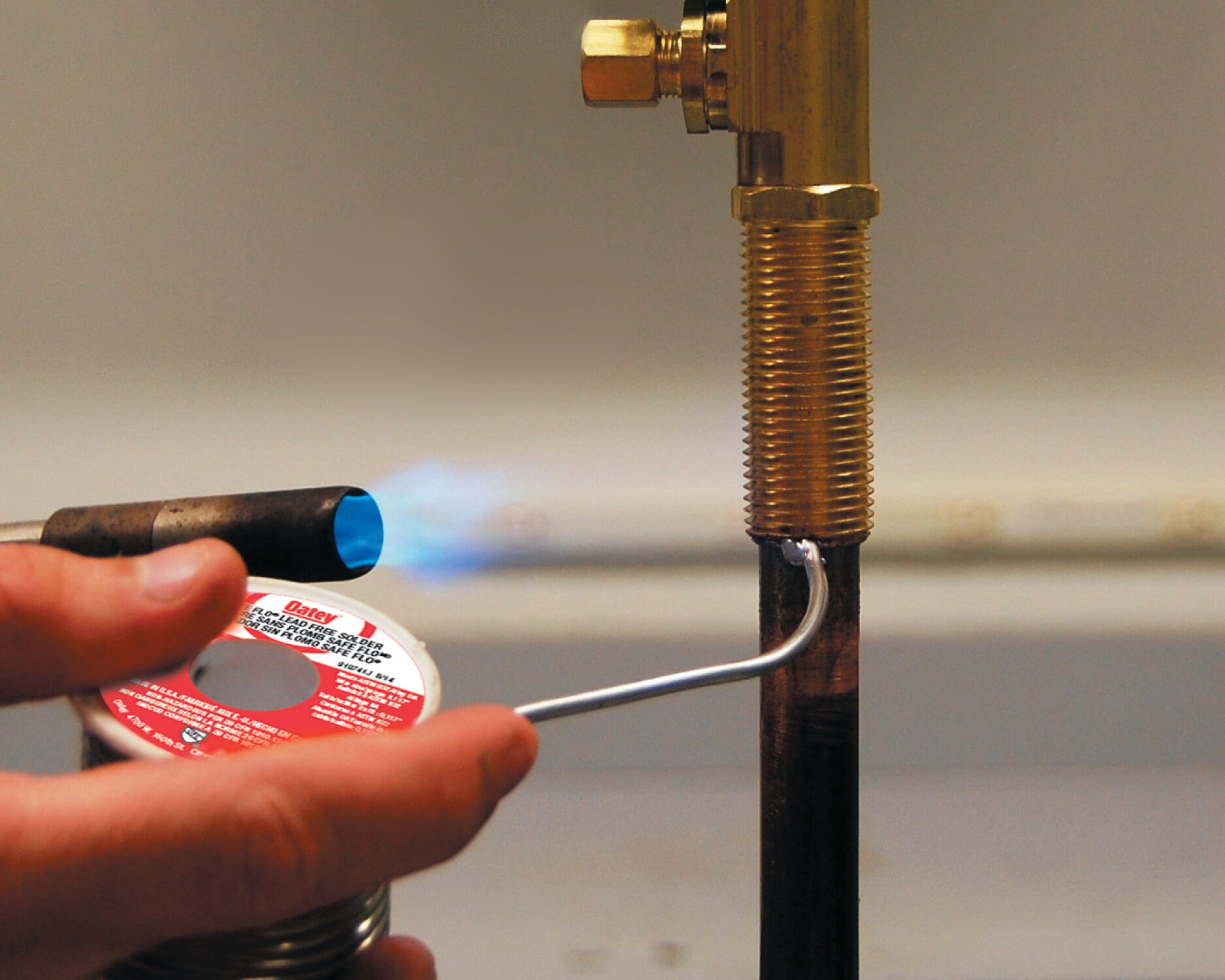
- Pipe Cutter: Cuts pipes cleanly before deburring.
- Cleaning Brush: Removes metal dust after deburring.
- Cloth or Rag: Wipes pipes and tools clean.
- Lubricant Oil: Helps tools run smoothly on steel pipes.
- Work Bench or Pipe Vice: Holds pipes steady for safer work.
Credit: www.oatey.com
Preparing The Pipes
Before deburring copper and steel pipes, you must prepare them properly. This step helps ensure clean and safe edges. Proper preparation also makes the deburring process easier and more effective.
Preparing pipes includes cutting them to the right length and cleaning their edges. These tasks remove rough parts that can cause problems later. Let’s look at how to cut and clean the pipes.
Cutting The Pipes
Cut pipes straight to get a good fit. Use a pipe cutter or a hacksaw with a fine blade. Make sure the pipe is secure before cutting to avoid slipping.
Cut slowly and evenly. This prevents jagged edges and reduces the amount of deburring needed. After cutting, check the pipe ends for any rough spots or burrs.
Cleaning The Edges
After cutting, clean the pipe edges to remove burrs and sharp bits. Use a deburring tool or a round file for this. Move the tool around the pipe edge smoothly.
Cleaning edges prevents damage to fittings and makes the pipes safer to handle. Check that edges are smooth by running your finger carefully around them.
Deburring Copper Pipes
Deburring copper pipes is important for clean and safe pipe connections. Removing sharp edges helps prevent damage to fittings and ensures a proper seal.
This guide explains easy methods to deburr copper pipes using manual tools and power tools. It also includes tips to get smooth edges.
Manual Deburring Techniques
Manual deburring uses simple hand tools like files and deburring knives. These tools help remove burrs from the pipe ends carefully.
- Use a round file or deburring tool to scrape inside the pipe edge.
- Move the tool slowly around the pipe to remove any sharp bits.
- Check the edge with your fingers to feel for smoothness.
- Repeat until the pipe edge is even and clean.
Using Power Tools
Power tools like rotary deburrers or sanders speed up the process. They quickly smooth out rough copper pipe edges.
Here are common power tools for deburring copper pipes:
- Rotary deburring tool with a spinning blade
- Electric grinder with a fine sanding disc
- Drill with a deburring attachment
Always wear safety glasses and gloves when using power tools.
Tips For Smooth Edges
Follow these tips to get smooth, burr-free copper pipe edges every time.
| Tip | Description |
| Use proper tools | Choose the right manual or power tool for your pipe size. |
| Deburr both inside and outside | Remove burrs on the pipe’s inside lip and outer edge. |
| Clean after deburring | Wipe the pipe with a cloth to remove metal shavings. |
| Check fit | Test the pipe in fittings to ensure no rough spots remain. |
Deburring Steel Pipes
Deburring steel pipes is important to ensure smooth pipe connections. It removes sharp edges and burrs that may cause leaks or damage.
This guide explains how to deburr steel pipes using manual and rotary methods. It also covers how to protect pipes from rust and damage after deburring.
Manual Methods
Manual deburring uses simple hand tools to remove burrs from pipe edges. It is useful for small jobs and tight spaces.
- Use a hand file or deburring tool to scrape off rough edges.
- Hold the pipe firmly and rotate the tool around the cut edge.
- Check the edge with your finger to ensure smoothness.
- Repeat until all burrs are removed and edges feel safe.
Using Rotary Tools
Rotary tools make deburring faster, especially for larger pipes or many cuts. They use spinning bits to clean pipe edges.
- Attach a deburring bit or sanding drum to the rotary tool.
- Wear safety goggles and gloves to protect yourself.
- Turn on the tool and gently press the bit against the pipe edge.
- Move the tool evenly around the pipe to remove burrs.
- Turn off the tool and check the pipe edge for smoothness.
Preventing Rust And Damage
After deburring, steel pipes need care to avoid rust and damage. Proper protection helps pipes last longer and work better.
| Protection Method | Description |
| Apply Oil or Grease | Coats the pipe to block moisture and prevent rust. |
| Use Rust Inhibitor Spray | Forms a protective layer on the metal surface. |
| Store in Dry Place | Keeps pipes away from water and humidity. |
| Handle Carefully | Avoids dents and scratches that can cause rust spots. |
Common Mistakes To Avoid
Deburring copper and steel pipes is important for smooth connections. Many people make mistakes that cause damage or injury. Knowing what to avoid helps you do the job right.
This guide covers common errors to watch out for when deburring pipes. Avoid these mistakes for safer and cleaner results.
Over-deburring
Removing too much material can weaken the pipe ends. Over-deburring creates larger openings than needed. This causes leaks or poor fitting joints.
Stop deburring as soon as the rough edges are smooth. Check the pipe often to avoid cutting too deep.
Ignoring Safety
Deburring tools and metal shavings can cause cuts or eye injuries. Skipping safety gear puts you at risk. Always wear gloves and safety glasses.
- Wear gloves to protect your hands
- Use safety glasses to shield your eyes
- Work in a well-lit area
- Keep your workspace clean
Taking safety seriously prevents accidents and keeps you healthy while working.
Using Incorrect Tools
Using the wrong tool can damage the pipe or make the job harder. For example, a file made for wood will not work well on metal pipes.
- Use a deburring tool designed for metal pipes
- Choose the right size for your pipe diameter
- Avoid cheap or worn-out tools
Proper tools make deburring easier and protect your pipes from damage.
Credit: www.icrimptools.com
Maintenance And Storage
Proper maintenance and storage keep copper and steel pipes in good shape. It also extends the life of deburring tools. Clean and store tools and pipes carefully after use.
Failing to care for tools or store pipes well can cause damage. This makes future work harder and less safe.
Caring For Deburring Tools
Deburring tools need regular cleaning and inspection. Dirt and metal shavings can dull blades and reduce tool life.
- Wipe blades clean with a soft cloth after use
- Check blades for chips or dull spots
- Sharpen or replace blades as needed
- Oil moving parts lightly to prevent rust
- Store tools in a dry place to avoid corrosion
Storing Pipes Safely
Store copper and steel pipes off the ground to prevent damage. Pipes should be kept dry and away from harsh chemicals.
| Storage Tip | Reason |
|---|---|
| Use racks or shelves | Keeps pipes organized and off the ground |
| Cover pipes with waterproof material | Prevents rust and corrosion |
| Separate copper and steel pipes | Prevents chemical reactions between metals |
| Label pipe sizes and types | Makes finding pipes easier for future use |
| Keep storage area clean and dry | Reduces risk of damage and dirt buildup |

Credit: www.amazon.ca
Frequently Asked Questions
How Do You Safely Deburr Copper Pipes?
Use a deburring tool or a round file to remove sharp edges. Work slowly and rotate the tool evenly around the pipe end. Always wear gloves to protect your hands from sharp metal.
What Tools Are Best For Deburring Steel Pipes?
A metal file, rotary deburring tool, or angle grinder with a flap disc works best. Choose based on pipe size and your comfort. Clean the pipe thoroughly before starting to ensure smooth results.
Can I Deburr Pipes Without Special Tools?
Yes, you can use sandpaper or a utility knife carefully. However, this method takes longer and may not be as effective or safe as using dedicated tools.
Why Is Deburring Copper And Steel Pipes Important?
Deburring removes sharp edges that cause leaks or damage fittings. It ensures a secure, tight connection and prevents injuries during handling. Proper deburring improves pipe longevity and system performance.
Conclusion
Deburring copper and steel pipes keeps them smooth and safe. It prevents damage and ensures a proper fit. Using the right tools makes the process efficient. Choose files or deburring tools for best results. Regular maintenance helps extend pipe life.
Remember to follow safety measures. Wearing gloves and goggles protects you from sharp edges. Now, enjoy cleaner, safer pipe installations. Keep your tools ready and your pipes smooth. Happy deburring!