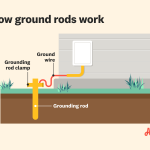
Are you looking to keep your home and electrical system safe? Installing a grounding rod is one of the simplest yet most important steps you can take.
It protects you and your devices from electrical surges and lightning strikes. But how do you do it right? You’ll learn exactly how to install a grounding rod quickly and safely, even if you’re not an expert. Keep reading to discover the easy steps that will give you peace of mind and protect your property for years to come.
Importance Of Grounding Rods
Grounding rods are metal rods driven into the ground. They connect electrical systems to the earth. This helps protect people and equipment.
Installing a grounding rod is a key step in electrical safety. It keeps electricity flowing safely in case of faults.
Role In Electrical Safety
Grounding rods provide a path for electrical current to flow into the earth. This stops dangerous buildup of electricity.
They help prevent electric shocks by stabilizing voltage levels. This protects people using electrical devices.
Preventing Electrical Hazards
Grounding rods reduce the risk of fires caused by electrical faults. They prevent sparks and overheating in wiring.
They also protect appliances from damage during storms or power surges. This keeps your home safe and your devices working.
- Redirect dangerous electricity into the ground
- Prevent shocks and electrical fires
- Protect appliances from damage
- Help maintain stable electrical systems
Tools And Materials Needed
Installing a grounding rod requires specific tools and materials. These help you do the job safely and correctly.
Knowing what to use before you start saves time and effort. It also ensures a secure electrical ground connection.
Essential Equipment
You need the right equipment to install a grounding rod properly. These tools make the installation easier and safer.
- Grounding rod (usually copper or galvanized steel)
- Ground rod clamp to connect the wire
- Hammer or sledgehammer to drive the rod into the ground
- Shovel to dig a small hole if needed
- Wire stripper to prepare the grounding wire
- Measuring tape to check depth
- Protective gloves for handling materials
- Multimeter to test the grounding connection
Safety Gear Checklist
Safety gear protects you during installation. Always wear proper equipment to avoid injuries.
- Safety glasses to protect your eyes from flying debris
- Work gloves to protect your hands from sharp edges
- Steel-toe boots to protect your feet from heavy tools
- Long sleeves and pants to prevent cuts and scrapes
- Hearing protection if you use loud tools
Choosing The Right Location
Installing a grounding rod is important for safety. Picking the right spot helps it work well.
Look at the soil and distance from buildings before you start digging.
Soil Conditions
Grounding rods work best in moist, soft soil. Dry or sandy soil may need extra rods.
Check if the soil is rocky or hard. This can make driving the rod in harder.
- Moist soil improves electrical connection
- Soft soil makes rod installation easier
- Rocky soil may require special tools
- Clay soil holds moisture well for grounding
Distance From Structures
Place the rod away from buildings and pipes. This stops damage and interference.
Keep the rod at least 6 feet from structures and underground utilities.
- Stay clear of water pipes and gas lines
- Keep distance from electrical wiring and metal frames
- Follow local codes for minimum distances
- Safe distance helps protect your home
Preparing The Site
Installing a grounding rod starts with preparing the site properly. This helps ensure safety and good electrical grounding.
Two important steps are clearing the area and marking the spot where the rod will go.
Clearing The Area
Clear the ground around the installation site. Remove rocks, roots, and debris to make space for driving the rod.
- Cut back grass and weeds
- Dig shallow to remove stones
- Check for underground utilities before digging
- Make sure the soil is soft enough to drive the rod
Marking The Spot
Mark the exact spot where you will insert the grounding rod. This helps you stay precise during installation.
| Tool | Purpose |
|---|---|
| Spray paint | Mark spot clearly on the ground |
| Measuring tape | Measure distance from building or equipment |
| Stake or flag | Place on spot to identify location |
Installing The Grounding Rod
Installing a grounding rod is important for safety. It helps protect your home and electrical system.
This guide covers how to drive the rod into the ground and check its depth properly.
Driving The Rod Into The Ground
Place the grounding rod where you want to install it. Use a hammer or a sledgehammer to drive the rod straight down into the soil.
- Hold the rod steady and vertical.
- Strike the rod firmly with the hammer.
- Drive the rod until it is mostly underground.
- If the ground is hard, try wetting the soil first.
Ensuring Proper Depth
The grounding rod must reach a specific depth to work well. Usually, the rod should be at least 8 feet deep.
| Rod Length | Minimum Depth | Reason |
|---|---|---|
| 8 feet | 8 feet | Standard for good electrical grounding |
| 10 feet | 10 feet | Used in dry or rocky soil |
| 4 feet | Not recommended | May not provide safe grounding |
Check the rod depth with a tape measure. Make sure no more than a few inches remain above ground.
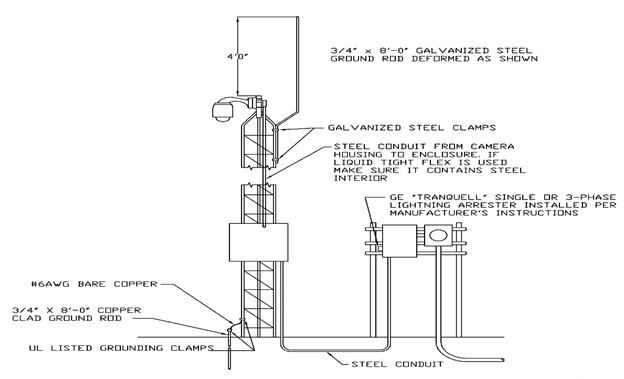
Credit: public.airportal.maa.maryland.gov
Connecting The Ground Wire
Connecting the ground wire properly is important for safety. It helps protect your home from electrical faults.
This guide explains how to attach the clamp and secure the wire to the grounding rod.
Attaching The Clamp
First, place the grounding clamp around the rod. Make sure it fits tightly without moving.
- Use a grounding clamp made for your rod size.
- Slide the clamp onto the rod about 6 inches from the top.
- Tighten the clamp screws with a wrench until it is secure.
- Check that the clamp does not slip or rotate.
Securing The Wire
Next, attach the ground wire to the clamp firmly. This connection must hold well to ensure safety.
| Task | Details |
| Strip Wire | Remove 3/4 inch of insulation from wire end |
| Insert Wire | Place stripped wire into clamp slot fully |
| Tighten Clamp | Use screwdriver to fasten clamp screws firmly |
| Check Connection | Pull wire gently to confirm it is secure |
Testing The Ground Connection
Testing the ground connection ensures the grounding rod works properly. A good ground connection protects against electrical faults.
Use the right tools to check the resistance and confirm safety. This helps avoid electrical shocks and damage.
Using A Ground Tester
A ground tester measures the resistance between the rod and the earth. Low resistance means the ground is good.
- Connect the tester’s leads to the grounding rod and a reference rod.
- Turn on the tester and read the resistance value.
- Repeat the test in different weather conditions for accuracy.
Interpreting Results
Read the resistance value to decide if the ground is safe. Most codes require resistance below 25 ohms.
| Resistance Value (Ohms) | Ground Quality |
| 0 – 10 | Excellent |
| 10 – 25 | Acceptable |
| Above 25 | Needs Improvement |

Credit: www.youtube.com
Maintenance Tips
Installing a grounding rod is important for safety. Keeping it well maintained helps it work properly. Regular care extends its life and keeps your system safe.
Check your grounding rod often. Look for problems that can cause it to fail. Fix issues early to avoid bigger repairs later.
Routine Inspections
Look at your grounding rod every few months. Check if it is loose or damaged. Make sure the connections are tight and clean. Inspect the area around the rod for dirt or debris.
- Check rod position and tightness
- Look for cracks or bends
- Inspect wire connections
- Clear away soil or debris
- Test grounding resistance if possible
Handling Corrosion
Corrosion can damage your grounding rod. It stops electricity from flowing well. Look for rust or greenish build-up on the rod and connections. Clean corrosion with a wire brush or sandpaper.
Apply a protective coating after cleaning. Use materials made for metal protection. Replace parts if corrosion is severe. Keep the rod dry and away from chemicals that cause rust.
- Clean corrosion with a wire brush
- Use protective coatings on metal
- Replace badly corroded parts
- Keep rod away from moisture and chemicals

Credit: www.youtube.com
Frequently Asked Questions
What Tools Do I Need To Install A Grounding Rod?
You need a grounding rod, hammer or sledgehammer, grounding wire, wire clamps, and a grounding rod driver. These tools help you drive the rod into the ground safely and connect the wire properly.
How Deep Should A Grounding Rod Be Installed?
A grounding rod should be driven at least 8 feet deep into the soil. This depth ensures proper electrical grounding and safety by providing a low-resistance path to the earth.
Can I Install A Grounding Rod Myself Safely?
Yes, you can install a grounding rod yourself if you follow safety guidelines. Wear protective gear, avoid underground utilities, and use the right tools to ensure a safe and effective installation.
Why Is Grounding Rod Installation Important For Electrical Safety?
Grounding rods protect your electrical system by safely directing electricity into the earth. This prevents electrical shocks, reduces fire risks, and protects appliances from power surges.
Conclusion
Installing a grounding rod ensures safety in your electrical systems. Begin with gathering all necessary tools. Follow each step carefully for a secure installation. Keep the rod straight and drive it deep into the ground. Check connections to ensure they are tight and secure.
This process protects your home from electrical faults. Remember to double-check your work for effectiveness. Stay safe and consult a professional if needed. Proper installation leads to peace of mind and safety. Your home deserves it. Stay informed and stay safe.