Are you ready to tackle a simple plumbing task that can save you time and money? Installing a toilet supply line might sound tricky, but with the right steps, you can do it yourself quickly and confidently.
Imagine fixing your toilet’s water flow without calling a plumber or waiting for help. In this guide, you’ll learn exactly what you need and how to get the job done right, step by step. Keep reading—by the end, you’ll have the skills to handle this essential home repair with ease.

Credit: www.amazon.com
Tools And Materials Needed
Installing a toilet supply line is a simple task with the right tools and materials. This guide covers the essentials to help you prepare.
Gathering everything beforehand saves time and prevents interruptions during installation. Let’s look at what you need.
Essential Tools
You need a few basic tools to install a toilet supply line. These tools help you connect and secure the line properly.
- Adjustable wrench
- Flathead screwdriver
- Teflon tape (plumber’s tape)
- Towel or rag for cleaning
- Bucket to catch water drips
Choosing The Right Supply Line
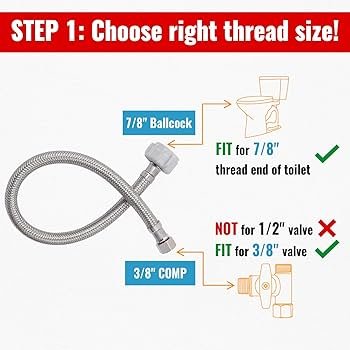
Pick a supply line that fits your toilet and water valve size. The material and length also matter for a good fit.
| Type | Description | Common Lengths |
| Flexible Braided Stainless Steel | Strong and easy to install | 12 to 20 inches |
| Plastic or PVC | Lightweight and rust-resistant | 10 to 20 inches |
| Chrome-Plated Brass | Durable with a shiny finish | 12 to 18 inches |
Additional Supplies
Besides tools and the supply line, some extra items make the job easier and cleaner.
- Replacement washers to prevent leaks
- Pipe cutter if you need to trim the supply line
- Plumber’s putty for sealing joints
- Gloves to protect your hands
Preparing The Work Area
Before installing a toilet supply line, you need to prepare the work area. This makes the process safer and easier.
Preparing involves stopping the water, emptying the tank, and clearing the space around the toilet.
Shutting Off Water Supply
Find the water shut-off valve near the toilet. Turn it clockwise to stop the water flow. This prevents leaks during the installation.
If you cannot find the valve, shut off the main water supply to your home.
Draining The Toilet Tank
After shutting off the water, flush the toilet to empty the tank. Hold down the handle to let most water drain out.
- Flush the toilet once.
- Hold the handle to drain as much water as possible.
- Use a sponge to soak up remaining water in the tank.
- Place a small container under the supply line to catch drips.
Clearing The Space
Clear the area around the toilet. Remove rugs, mats, or any objects that may get in the way.
| Item | Reason to Remove |
|---|---|
| Rugs and Mats | Prevent slipping and keep them dry |
| Cleaning Supplies | Give you room to work safely |
| Trash Bins | Stop them from tipping over |
Removing The Old Supply Line
Removing the old toilet supply line is an important task before installing a new one. It helps prevent leaks and ensures a secure fit.
Follow these steps carefully to disconnect and remove the old supply line safely and without damage.
Disconnecting From The Valve
First, turn off the water supply at the shutoff valve. This stops water from flowing into the line.
Use an adjustable wrench to loosen the nut that connects the supply line to the valve. Turn it counterclockwise to remove it.
- Turn off the shutoff valve
- Hold the valve with one wrench
- Loosen the supply line nut with another wrench
- Remove the supply line from the valve
Detaching From The Toilet
Next, locate the supply line connection under the toilet tank. This is where the water flows into the toilet.
Use the wrench to loosen the nut that connects the supply line to the toilet. Turn it counterclockwise and pull the line away gently.
- Find the nut under the toilet tank
- Use a wrench to turn the nut counterclockwise
- Remove the supply line from the toilet fitting
- Keep the line steady to avoid damage
Inspecting Connections
After removing the old supply line, check the valve and toilet connections. Look for cracks, rust, or worn parts.
Clean the threads and surfaces to ensure a good seal when installing the new supply line.
- Check valve threads for damage
- Inspect toilet fitting for wear
- Clean all connection points
- Replace damaged parts if needed

Credit: www.reddit.com
Installing The New Supply Line
Installing a new toilet supply line is a simple task you can do yourself. This guide helps you connect the supply line safely and correctly.
Make sure you have the right tools and parts before starting. Follow each step carefully to avoid leaks.
Attaching To The Shutoff Valve
First, connect one end of the supply line to the shutoff valve. The valve is usually located near the wall behind the toilet.
Turn the valve clockwise to close it before attaching the line. Hand-tighten the nut onto the valve’s threaded outlet.
- Check the washer inside the nut for a good seal.
- Do not cross-thread the nut when attaching.
- Hand-tighten first to avoid damage.
Connecting To The Toilet Fill Valve
Attach the other end of the supply line to the toilet fill valve. The fill valve is inside the toilet tank at the bottom.
Make sure the washer is in place inside the nut. Screw the nut onto the fill valve’s threaded inlet by hand.
- Keep the supply line straight to avoid kinks.
- Do not force the nut if it feels stuck.
- Check that the washer sits flat for a tight seal.
Securing And Tightening Fittings
Use an adjustable wrench to tighten both nuts. Tighten each fitting until snug but avoid overtightening.
After tightening, open the shutoff valve slowly. Check for leaks around both connections.
- Tighten fittings gently to prevent damage.
- Use a cloth to protect metal surfaces from the wrench.
- Fix any leaks by tightening slightly more or repositioning washers.
Testing For Leaks
After installing a toilet supply line, checking for leaks is very important. Leaks can cause water damage and waste water.
This guide will help you test your new supply line for leaks and fix any minor problems you find.
Turning Water Back On
Slowly turn the water valve back on to allow water into the supply line. Watch carefully as the water fills the line and reaches the toilet tank.
Listen for any unusual sounds like hissing or dripping, which could signal a leak.
Checking All Connection Points
Inspect every connection point on the supply line for drips or moisture. These points include where the line meets the shutoff valve and the toilet tank.
- Look under the supply line for wet spots.
- Feel around the fittings for moisture.
- Use a dry paper towel to check if it gets wet.
- Check the floor near the toilet base for water pooling.
Fixing Minor Leaks
| Leak Location | Possible Cause | Fix |
|---|---|---|
| At shutoff valve | Loose connection | Use a wrench to tighten gently |
| At toilet tank fitting | Worn washer | Replace the washer inside the fitting |
| Along supply line | Crack or damage | Replace the supply line |
Make sure to turn off the water before tightening or replacing parts. After fixing, turn water back on and check for leaks again.
Maintenance Tips
Keeping your toilet supply line in good shape helps avoid leaks and water damage. Regular care extends the life of the parts.
Simple maintenance steps can save you time and money on repairs. Check the supply line often for signs of wear.
Regular Inspections
Look at the supply line every few months. Check for cracks, rust, or leaks around the connections.
Turn off the water and wipe the line dry to spot moisture or corrosion early. Catching problems early stops bigger damage.
- Check for loose fittings
- Look for water stains or drips
- Feel for cracks or hard spots
- Listen for unusual sounds when flushing
Replacing Supply Lines Periodically
Supply lines do not last forever. Replace old lines every 5 years or if you see damage.
Use flexible braided stainless steel lines for durability. Make sure the new line fits your toilet and shutoff valve.
- Turn off water before removing the old line
- Use plumber’s tape on threads for a tight seal
- Hand-tighten and then slightly tighten with a wrench
- Check for leaks after turning water back on
Preventing Common Issues
Prevent leaks and breaks by avoiding sharp bends in the supply line. Keep the line away from hot pipes.
Do not overtighten fittings. Use gentle pressure to avoid damage. Clean the shutoff valve to stop dirt buildup.
- Keep supply line straight and supported
- Replace washers if water drips at connections
- Open and close shutoff valve slowly
- Check water pressure to avoid stress on the line

Credit: www.amazon.com
Frequently Asked Questions
What Tools Are Needed To Install A Toilet Supply Line?
You need an adjustable wrench, Teflon tape, a new supply line, and a bucket. These tools help ensure a secure and leak-free connection.
How Long Does It Take To Install A Toilet Supply Line?
Installing a toilet supply line typically takes 15 to 30 minutes. It depends on your experience and the condition of existing plumbing.
Can I Install A Toilet Supply Line Without A Plumber?
Yes, you can install it yourself with basic tools. Follow proper steps to avoid leaks and ensure a secure fit.
What Type Of Toilet Supply Line Is Best?
Stainless steel braided supply lines are durable and flexible. They resist corrosion and provide a reliable water connection.
Conclusion
Installing a toilet supply line is simpler than it seems. Start by gathering all necessary tools. Follow each step carefully to avoid leaks. Make sure connections are tight, yet gentle. Double-check for any drips or issues. A properly installed supply line ensures efficient water flow.
Regular checks help maintain it in good condition. Now, you can confidently tackle this task. Enjoy a fully functional bathroom setup. Remember, practice makes perfect. You’ve got this!