Installing a washing machine pipe might sound tricky, but with the right steps, you can do it yourself quickly and safely. If you want to avoid leaks, water damage, or expensive repairs, knowing how to set up your washing machine pipe correctly is essential.
In this guide, you’ll learn simple, clear instructions that anyone can follow—even if you’ve never done it before. Keep reading to save time, protect your home, and get your laundry running smoothly.
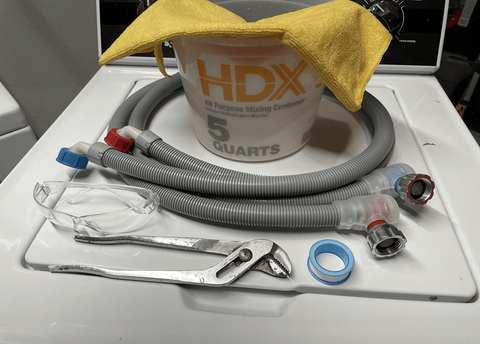
Tools And Materials Needed
Installing a washing machine pipe requires some basic tools and materials. Having the right items ready will make the job easier and faster.
This guide lists the essential tools and materials you will need before starting the installation.
Essential Tools
These tools help you connect the washing machine pipe safely and securely.
- Adjustable wrench
- Screwdriver set
- Pipe cutter or hacksaw
- Teflon tape (plumber’s tape)
- Bucket or container to catch water
- Towel or rag for spills
- Measuring tape
Required Materials
These materials are necessary to connect and secure your washing machine pipe.
| Material | Description | Purpose |
| Washing machine hose | Flexible pipe, usually rubber or reinforced plastic | Connects the machine to the water supply |
| Hose clamps | Metal bands with screws | Secure hose ends to fittings |
| Water supply valve | Shut-off valve | Controls water flow to the machine |
| Drain hose | Flexible pipe for wastewater | Connects the machine to the drain |
| Pipe connectors | Fittings like elbows or adapters | Connect different pipe parts |
Preparing The Installation Area
Before installing a washing machine pipe, prepare the area carefully. A clean and ready space helps the work go smoothly.
Check the location and clear the space to avoid problems during installation.
Choosing The Right Spot
Pick a spot near water and drain connections. This makes pipe installation easier and safer.
Make sure the spot is flat and stable to hold the washing machine without shaking.
- Close to water supply valves
- Near a drain or waste pipe
- On a level and firm surface
- Avoid places with direct sunlight or heat
Clearing The Space
Remove any items blocking the area. You need room to work and move the washing machine easily.
Check for dust, dirt, or debris. Clean the floor and walls to avoid damage or leaks later.
- Move furniture and boxes away
- Sweep or mop the floor
- Clear any pipes or wires that are in the way
- Ensure good lighting for safe work
Turning Off Water Supply
Before installing a washing machine pipe, you must turn off the water supply. This step stops water flow and prevents leaks during installation.
Turning off the water supply is simple if you know where to look and how to act safely.
Locating The Main Valve
The main valve controls water flow to your home. You need to find it to stop water before working on the washing machine pipe.
- Check near your water meter, often outside or in a basement.
- Look for a round or lever handle on a pipe.
- Some homes have separate valves for each room.
- Mark the valve location for quick access in the future.
Shutting Off Water Safely
Once you find the main valve, turn it off slowly. Sudden stops can damage pipes or cause pressure issues.
| Action | Details |
| Turn valve handle | Rotate clockwise until it stops |
| Check water flow | Open a faucet to see if water stops |
| Drain pipes | Let water run out to release pressure |
| Confirm no leaks | Inspect valves and pipes for drips |

Credit: hawkeyedwaterdefense.com
Connecting The Water Inlet Hose
Connecting the water inlet hose to your washing machine is a key step. It ensures water flows properly into the machine.
Follow these instructions to attach the hose safely and securely.
Attaching To The Machine
First, find the water inlet valve on the back of your washing machine. Clean the valve threads before attaching the hose.
- Take the water inlet hose and check the rubber washer inside.
- Place the hose end onto the valve and turn it clockwise.
- Tighten the connection by hand until it is snug.
- Use a wrench to give a final quarter turn if needed.
Do not overtighten, as this may damage the valve or hose.
Securing To The Water Source
Next, connect the other end of the hose to your water supply faucet. Make sure the faucet is off before you start.
| Task | Instructions |
|---|---|
| Check faucet type | Ensure it matches the hose connector size |
| Attach hose | Turn the hose connector clockwise onto the faucet |
| Secure connection | Tighten by hand, then use pliers for a slight extra turn |
| Test for leaks | Turn on water slowly and check all connections |
If you see water dripping, turn off the faucet and tighten the connection more.
Installing The Drain Hose
Connecting the drain hose is an important part of washing machine installation. It moves wastewater safely out of the machine. Proper installation stops leaks and water damage.
This guide covers positioning the hose correctly and securing the drain pipe for a safe setup.
Positioning The Hose Correctly
Place the drain hose so it allows water to flow freely. Avoid sharp bends or kinks that can block water. The hose end should be above the drain’s trap to prevent backflow.
- Keep the hose straight without tight loops
- Secure the hose end to the drain pipe or standpipe
- Make sure the hose is higher than the washing machine’s water level
- Do not submerge the hose end in water
Securing The Drain Pipe
Fix the drain hose firmly to avoid movement during machine operation. Use clamps or brackets to hold the hose in place. A loose hose can cause leaks or water spills.
| Tool | Purpose | Tips |
| Hose Clamp | Secures hose to drain outlet | Tighten but do not crush the hose |
| Zip Tie | Holds hose to wall or standpipe | Use multiple ties for extra support |
| Mounting Bracket | Fixes hose position firmly | Place near hose end and middle |
Checking For Leaks
After installing a washing machine pipe, checking for leaks is important. Leaks can cause water damage and waste water.
Careful inspection helps find any loose connections or faulty parts. This ensures your washing machine works safely and efficiently.
Running A Test Cycle
Run a test cycle to check the pipe and connections under normal use. This lets you see if water escapes from any point.
- Turn on the washing machine with a small load.
- Watch the pipe and connections closely for leaks.
- Check under the machine for any water puddles.
- Stop the cycle if you see any water escaping.
Inspecting Connections
Inspect each connection point for secure fitting. Loose connections often cause leaks during machine operation.
| Connection Point | What to Check |
| Water inlet hose | Ensure it is tightly screwed on |
| Drain pipe | Check for cracks or splits |
| Pipe clamps | Confirm clamps are firmly holding pipes |
| Rubber washers | Look for wear or missing washers |
Final Adjustments And Tips
Installing a washing machine pipe is not complete without final checks. Proper adjustments help avoid leaks and damage.
Simple tips can keep your washing machine running smoothly for a long time.
Ensuring Proper Hose Alignment
Check the hose to make sure it is straight and not bent. Bends can block water flow and cause leaks.
Keep the hose away from sharp edges and heat sources. This prevents damage and extends hose life.
- Align the hose without twists or kinks
- Secure hose connections tightly but do not over-tighten
- Use clamps or brackets to hold the hose in place
- Leave some slack to avoid stress on the pipe
Maintenance Advice
Regular checks help spot problems early. Inspect hoses for cracks or wear every few months.
Clean the hose filters to stop blockages. Replace old hoses every 5 years or if damaged.
- Look for leaks or bulges on the hose surface
- Clean hose ends and filter screens regularly
- Replace hoses if they feel stiff or brittle
- Check hose clamps and tighten if loose

Credit: www.angi.com

Credit: www.reddit.com
Frequently Asked Questions
How Do I Connect A Washing Machine Pipe Properly?
To connect a washing machine pipe, first turn off the water supply. Attach the hose securely to the machine and water tap. Use a wrench to tighten the connections but avoid over-tightening to prevent leaks.
What Materials Are Needed For Washing Machine Pipe Installation?
You need a washing machine hose, adjustable wrench, plumber’s tape, and a bucket. Ensure the hose matches your machine’s inlet and water source size for a secure fit.
How Long Should A Washing Machine Pipe Be?
The washing machine pipe should be long enough to reach the water supply comfortably. Typically, 4 to 6 feet is sufficient, allowing some slack to prevent strain and leaks.
Can I Use Any Hose For My Washing Machine Pipe?
No, only use hoses designed for washing machines. These hoses withstand water pressure and prevent leaks. Avoid garden or regular hoses as they may burst or cause damage.
Conclusion
Installing a washing machine pipe is simpler than it seems. Follow the steps carefully. Ensure all connections are tight. Check for leaks to avoid problems. Use tools that fit well. Safety is important. Always turn off the water supply first.
Double-check each step for accuracy. These tips ensure a smooth installation process. Now, enjoy your washing machine with confidence. A well-installed pipe means fewer issues. Save time and effort with a proper setup. Ready to tackle this task? You can do it!