Are you ready to tackle a home improvement project that can save you both time and money? Installing a water heater supply line might sound daunting, but it’s simpler than you think.
Imagine the satisfaction of turning on your tap to a steady stream of hot water, knowing you did it all yourself. In this guide, we’ll break down the installation process into straightforward steps that anyone can follow. You’ll discover the essential tools you need, tips to avoid common mistakes, and safety measures to ensure everything runs smoothly.
So, roll up your sleeves and get ready to learn how to install a water heater supply line like a pro. Your future self will thank you!
Tools And Materials Needed
Installing a water heater supply line needs the right tools and materials. Having everything ready helps the job go smoothly.
Below are the main items to gather before starting the installation. This guide covers essential tools, required materials, and safety gear.
Essential Tools
You need several tools to fit and secure the supply line correctly. Each tool helps with a specific task during installation.
- Adjustable wrench for tightening fittings
- Pipe cutter to trim pipes to length
- Thread seal tape to prevent leaks
- Pipe wrench for gripping and turning pipes
- Bucket to catch any water during work
- Flashlight to see in dark spaces
Required Materials
Materials must be compatible with your water heater and plumbing system. Choose quality parts for a long-lasting supply line.
| Material | Description |
| Supply line tubing | Flexible copper or stainless steel tubing |
| Compression fittings | Connect tubing to water heater and pipes |
| Pipe joint compound | Seals threaded connections |
| Shut-off valve | Controls water flow to the heater |
| Mounting brackets | Secure supply line in place |
Safety Gear
Wear safety gear to protect yourself during installation. Safety prevents injuries from sharp tools and hot water.
- Safety glasses to protect your eyes
- Work gloves to shield your hands
- Long sleeves to avoid skin contact
- Closed-toe shoes for foot protection
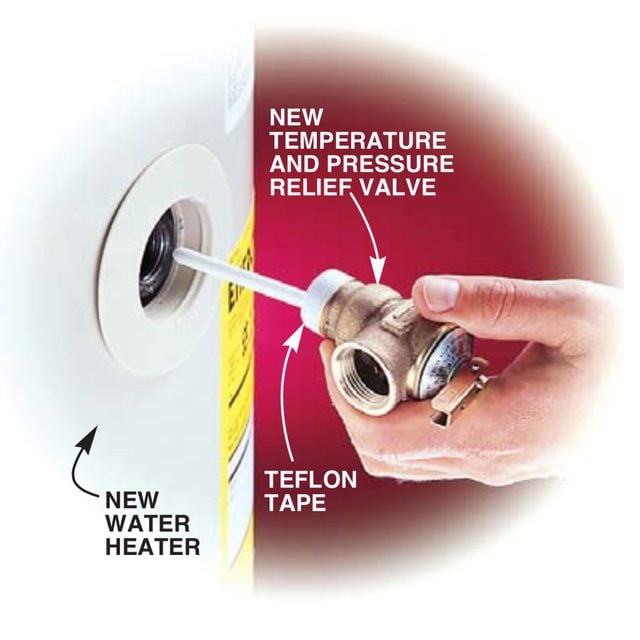
Credit: www.familyhandyman.com
Preparing The Work Area
Installing a water heater supply line starts with a clean and safe work area. Preparing the space helps you work faster and avoid accidents.
Follow these steps to shut off water, drain the heater, and clear the workspace for your project.
Shutting Off Water Supply
Stop water flow before starting any work on the water heater supply line. This prevents leaks and water damage.
- Find the main water shutoff valve in your home.
- Turn the valve clockwise to close it.
- Check if water stops flowing from faucets.
- If your heater has a shutoff valve, close it as well.
Draining The Water Heater
Drain the water heater to avoid spills and reduce pressure. This step is key for safe supply line installation.
| Action | Details |
|---|---|
| Turn off heater power | Switch off the circuit breaker or gas supply. |
| Connect garden hose | Attach hose to the drain valve at the tank’s base. |
| Open drain valve | Let water flow out to a safe drainage area. |
| Open pressure relief valve | This allows air in for faster draining. |
Clearing The Workspace
Clear the area around the water heater to make space for tools and parts. A tidy workspace helps prevent accidents.
- Remove any clutter or loose items near the heater.
- Lay down a drop cloth or towels to catch spills.
- Gather all tools and materials needed for the installation.
- Ensure good lighting and ventilation in the area.
Removing The Old Supply Line
Removing the old water heater supply line is the first step in installing a new one. It is important to do this carefully to avoid damage or leaks.
Follow simple steps to disconnect and inspect the supply line before installing the new one.
Disconnecting The Line
Turn off the water supply to the heater before you start. This stops water flow and keeps the area dry.
Use a wrench to loosen the fittings on both ends of the old supply line. Turn counterclockwise to disconnect.
- Close the main water valve
- Drain any water left in the line
- Use an adjustable wrench on fittings
- Turn fittings slowly to avoid damage
Inspecting Connections
Check the fittings and pipes for rust or damage after removing the old line. Clean them if needed.
Look for cracks or worn parts that might cause leaks. Replace any damaged pieces before installing the new line.
- Examine pipe threads for wear
- Clean off old tape or sealant
- Check for corrosion or rust
- Replace damaged fittings
Measuring And Cutting The New Line
Installing a water heater supply line needs careful measuring and cutting. Getting the length right helps avoid leaks and ensures a secure fit.
This guide covers how to measure and cut the new supply line safely and accurately.
Taking Accurate Measurements
Start by measuring the distance between the water heater and the supply valve. Use a tape measure for precision.
Measure along the path where the pipe will run. Avoid shortcuts that can cause the line to stretch or bend badly.
- Measure twice to avoid mistakes
- Include extra length for fittings and connections
- Note any bends or turns in the pipe path
Cutting The Pipe
Use a pipe cutter or a hacksaw to cut the supply line. A clean cut helps prevent leaks and makes installation easier.
Mark the pipe where you want to cut. Hold the pipe steady and cut slowly for a smooth edge.
- Wear safety glasses to protect your eyes
- Deburr the cut edge with a file or sandpaper
- Double-check the length after cutting
Installing The New Supply Line
Installing a new water heater supply line is a key step to ensure your heater works properly. This process involves attaching fittings, connecting to the water heater, and securing the line safely.
Follow these instructions carefully to avoid leaks and damage. Use the right tools and materials for a strong connection.
Attaching Fittings
Start by attaching the correct fittings to the supply line ends. Use fittings that match your pipe type, such as compression or threaded fittings.
- Clean the pipe ends before attaching fittings.
- Apply plumber’s tape on threaded fittings for a tight seal.
- Use a wrench to tighten the fittings securely.
- Do not overtighten to avoid damaging threads.
Connecting To Water Heater
Connect the supply line to the water heater’s inlet or outlet pipe. Make sure to connect the hot water line to the hot water outlet and the cold water line to the cold water inlet.
| Connection Point | Pipe Type | Tip |
| Hot Water Outlet | Threaded or Compression | Use plumber’s tape on threads |
| Cold Water Inlet | Threaded or Compression | Ensure correct pipe orientation |
Securing The Line
Secure the supply line to prevent movement and reduce stress on connections. Use straps or clamps to hold the line in place.
- Attach straps every 12 to 18 inches along the line.
- Make sure the line has slight slack to allow for expansion.
- Avoid sharp bends or kinks in the supply line.
- Check connections after securing for any signs of leaks.
Testing For Leaks
After installing a water heater supply line, testing for leaks is crucial. Leaks can cause water damage and reduce heater efficiency.
Follow these steps carefully to ensure all connections are secure and leak-free before using your water heater.
Turning On Water Supply
Slowly open the main water supply valve to allow water flow into the heater. Avoid opening it too fast to prevent pressure spikes.
Listen for any unusual sounds and watch for sudden water spurts. These can indicate issues with the supply line.
Checking Connections
Inspect every connection point on the supply line. Look closely for water droplets or dampness around joints and fittings.
- Check where the supply line meets the water heater.
- Inspect both ends of the supply line for tight seals.
- Look under the water heater for any signs of leaks.
- Use a dry cloth to wipe connections and monitor for new wet spots.
Tightening As Needed
If you find any leaks, gently tighten the fittings using a wrench. Do not overtighten, or you may damage the threads.
| Leak Location | Tightening Advice |
|---|---|
| Supply Line to Heater | Tighten until snug, then check for leaks again. |
| Supply Line Ends | Use adjustable wrench; avoid over-torquing. |
| Threaded Connections | Apply plumber’s tape before tightening for better seal. |
Maintaining The Supply Line
Keeping your water heater supply line in good shape is important for safety and efficiency. Regular care helps avoid leaks and damage.
This guide covers simple ways to check and protect your supply line from common problems.
Regular Inspections
Look at your water heater supply line often to spot issues early. Check for cracks, leaks, or loose fittings. Early detection saves money and prevents water damage.
- Turn off the water supply before inspecting the line.
- Look for signs of wear such as rust or cracks.
- Feel the line for any wet spots or moisture.
- Check the connections to ensure they are tight.
- Replace the supply line if you find damage or leaks.
Preventing Corrosion
Corrosion can weaken the supply line and cause leaks. Protect your line by keeping it dry and clean. Use materials that resist rust for longer life.
| Corrosion Prevention Tip | Description |
| Use Flexible Stainless Steel | Stainless steel resists rust better than copper or plastic. |
| Apply Pipe Sealant | Sealant prevents moisture from causing rust at joints. |
| Keep Area Dry | Remove any water or dampness near the supply line. |
| Regular Cleaning | Wipe the line and fittings to remove dirt and rust buildup. |
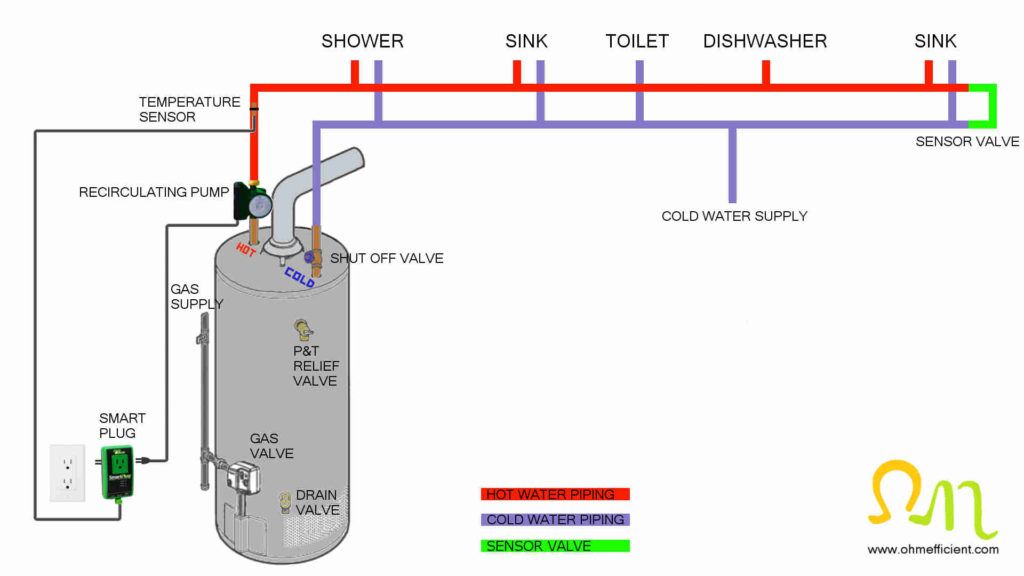
Credit: ohmefficient.com

Credit: qualityheating.co.uk
Frequently Asked Questions
What Tools Are Needed To Install A Water Heater Supply Line?
You need a pipe cutter, adjustable wrench, Teflon tape, pipe fittings, and flexible supply lines. These tools ensure a secure and leak-free installation.
How Do I Prevent Leaks In Water Heater Supply Lines?
Use Teflon tape on threaded connections and tighten fittings properly. Inspect all joints for tightness and replace damaged parts promptly.
Can I Install A Water Heater Supply Line Myself?
Yes, with basic plumbing skills and proper tools, you can install it safely. Follow manufacturer instructions and local codes for best results.
What Materials Are Best For Water Heater Supply Lines?
Copper, PEX, and flexible stainless steel lines are common. Choose materials based on durability, local codes, and compatibility with your water heater.
Conclusion
Installing a water heater supply line is simpler than it seems. Follow each step carefully and take your time. Use the right tools and materials for safety. Check for leaks before finishing the job. A proper supply line helps your water heater work well.
Doing it yourself can save money and effort. Stay patient and double-check your work. Soon, you will enjoy hot water without worries. This guide helps you handle the task with confidence. Keep practicing, and maintenance will get easier.
