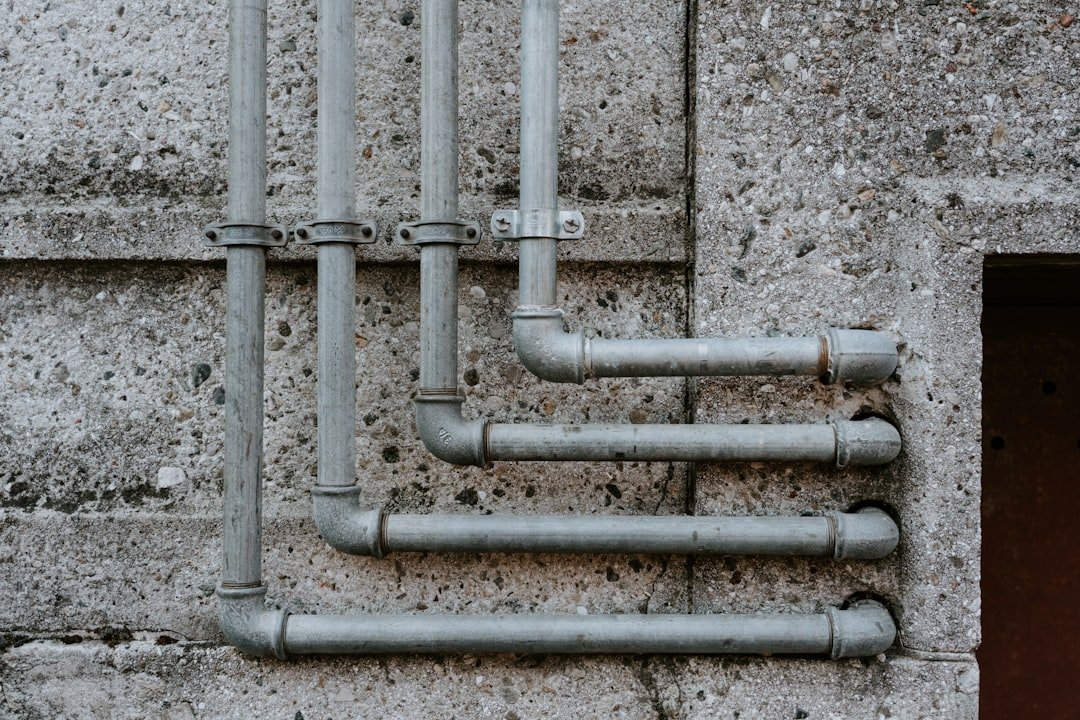
Are you struggling to keep your plumbing pipes secure and leak-free? Properly installing plumbing pipe supports is the key to preventing costly damage and ensuring your system runs smoothly.
In this guide, you’ll learn simple, step-by-step methods to install pipe supports like a pro—even if you’re a beginner. By the end, you’ll feel confident that your pipes are safe, stable, and built to last. Ready to protect your home and save money on repairs?
Let’s dive in.

Credit: www.phcppros.com
Choosing The Right Pipe Supports
Installing plumbing pipe supports helps keep pipes stable and safe. Picking the right supports stops damage and leaks. It also makes maintenance easier.
This guide covers types of pipe supports, materials to use, and how to think about load capacity. Use these tips to choose the best supports for your plumbing.
Types Of Pipe Supports
There are many pipe supports to fit different needs. Common types include clamps, hangers, and brackets. Each type holds pipes differently.
- Clamps:Wrap around the pipe and hold it tightly.
- Hangers:Suspend pipes from ceilings or beams.
- Brackets:Mount pipes to walls or floors.
- Roller supports:Allow pipe movement due to expansion.
- Saddles:Support pipes resting on surfaces.
Materials And Durability
Material choice affects how long supports last. They must resist rust, corrosion, and weather. Metal and plastic are common materials used for pipe supports.
| Material | Durability | Best Use |
| Galvanized Steel | High resistance to rust | Outdoor and heavy pipes |
| Stainless Steel | Very strong and rust-proof | Corrosive environments |
| Plastic (PVC) | Resists corrosion but less strong | Indoor and lightweight pipes |
| Rubber-coated Metal | Protects pipes and resists wear | Vibration-sensitive areas |
Load Capacity Considerations
Check how much weight the pipe supports can hold. The load includes pipe weight, fluid weight, and extra forces. Pick supports that safely hold all this weight.
- Calculate the total weight of the pipe and its contents.
- Consider forces like pressure changes or movement.
- Choose supports rated for higher than your total load.
- Place supports close enough to avoid pipe sagging.
- Review manufacturer load ratings before buying.
Gathering Necessary Tools And Materials
Installing plumbing pipe supports requires the right tools and materials. Preparing these before starting saves time and ensures a smooth process.
This guide helps you gather everything needed for a solid pipe support installation.
Essential Tools For Installation
You will need several tools to install pipe supports properly. Each tool helps with measuring, cutting, and securing the pipes in place.
- Measuring tape to get accurate pipe lengths
- Pipe cutter or hacksaw for clean cuts
- Adjustable wrench to tighten fittings
- Drill with bits for mounting supports
- Screwdriver for screws and anchors
- Level to keep pipes straight
- Safety gloves and goggles for protection
Selecting Quality Materials
Choosing the right materials ensures the pipe supports last and hold pipes securely. Look for durability and compatibility with your pipes.
| Material | Description | Best Use |
| Galvanized Steel | Strong and rust-resistant | Outdoor or moist areas |
| Plastic Supports | Lightweight and corrosion-free | Indoor plumbing |
| Stainless Steel | Highly durable and rustproof | Heavy pipes and harsh environments |
| Copper Straps | Flexible and corrosion-resistant | Copper pipes |
Preparing The Installation Area
Installing plumbing pipe supports starts with preparing the area carefully. Proper preparation ensures a secure and lasting fit for the pipes.
This section explains how to clear and measure the space and how to mark the support locations correctly.
Clearing And Measuring Space
Clear the area around the pipes before installation. Remove any debris, old supports, or obstacles.
- Check for electrical wires or other utilities nearby.
- Make sure the surface is dry and clean.
- Measure the length of the pipe that needs support.
- Note the diameter of the pipe for correct support size.
Marking Support Locations
Mark where each pipe support will go. Proper spacing keeps the pipe stable and prevents sagging.
| Pipe Type | Support Spacing |
| Copper Pipes | 6 feet (1.8 meters) |
| Plastic Pipes | 3 feet (0.9 meters) |
| Steel Pipes | 8 feet (2.4 meters) |

Credit: www.familyhandyman.com
Step-by-step Installation Process
Installing plumbing pipe supports is important to keep pipes secure and stable. Proper supports prevent damage and leaks.
This guide explains how to install pipe supports safely and correctly in three main steps.
Securing Supports To Surfaces
Start by choosing the right location for each pipe support. The surface must be clean and strong enough to hold the support.
Use screws or anchors to attach the supports firmly to wood, concrete, or metal surfaces. Make sure they are level and well aligned.
Aligning And Spacing Pipes
Correct alignment and spacing keep pipes straight and reduce stress. Measure the distance between supports carefully.
- Check pipe diameter and weight to decide support spacing.
- Mark support points along the pipe path on the surface.
- Ensure pipe alignment is straight or follows the planned curve.
- Adjust marks if needed to avoid obstacles or bends.
Fastening Pipes To Supports
Use clamps, straps, or brackets to fasten pipes to supports. This prevents movement and vibration.
| Support Type | Suitable Pipe Material | Fastening Method |
|---|---|---|
| Pipe Clamp | Metal, PVC | Screws or bolts |
| Pipe Strap | Plastic, Copper | Nails or screws |
| Bracket | Heavy metal pipes | Bolts with washers |
Ensuring Stability And Safety
Proper plumbing pipe supports keep pipes stable and safe. They prevent damage and leaks.
Installing supports correctly helps pipes last longer and work better.
Checking Support Tightness
Check that all pipe supports are tight but not too tight. Loose supports allow pipe movement.
- Use a wrench to tighten bolts securely.
- Avoid overtightening to prevent pipe damage.
- Inspect supports regularly for looseness.
Verifying Pipe Alignment
Pipes must align straight within supports. Misalignment causes stress and leaks.
| Check Point | What to Look For |
| Horizontal Runs | Pipe runs level and straight |
| Vertical Runs | Pipe runs plumb without bending |
| Support Spacing | Supports placed evenly along pipe |
Preventing Vibrations And Movement
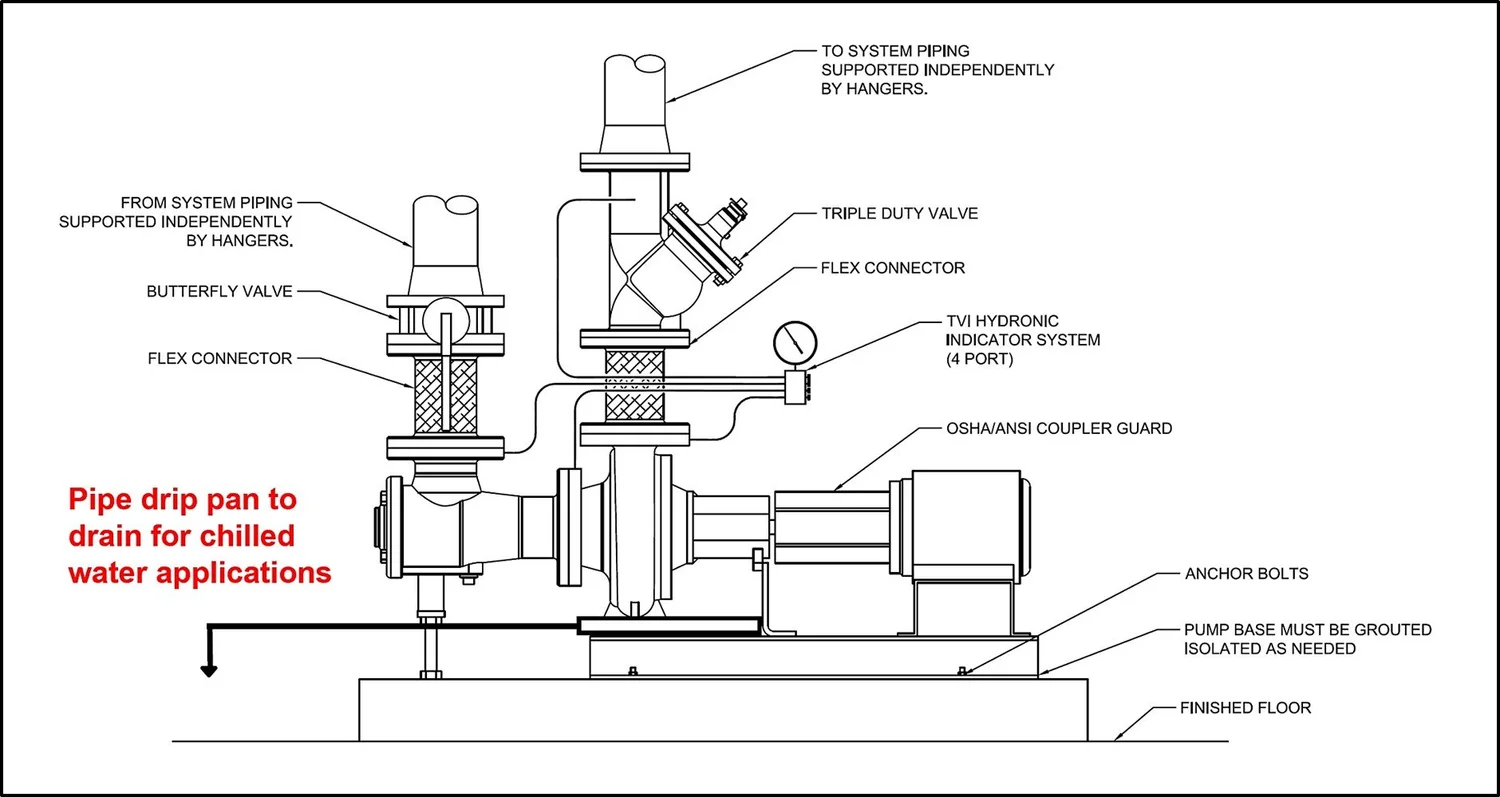
Vibrations cause wear and noise. Use proper supports to limit movement.
- Install cushioned clamps or rubber pads.
- Secure pipes firmly at regular intervals.
- Use flexible connectors for areas with movement.
- Check for loose supports after system runs.
Credit: jmpcoblog.com
Maintenance Tips For Longevity
Plumbing pipe supports help keep pipes stable and safe. Proper care extends their life. Regular maintenance prevents damage and costly repairs.
Check your pipe supports often. Fix small problems before they get worse. This guide shows easy tips to keep supports in good shape.
Regular Inspections
Look at your pipe supports at least twice a year. Check for signs of rust, cracks, or loose fittings. Early detection helps avoid bigger issues.
Use a flashlight to see hard-to-reach areas. Listen for unusual sounds that may show support problems. Keep notes of any concerns for follow-up.
Addressing Wear And Tear
Pipe supports face stress from weight and temperature changes. Look for bending, corrosion, or worn parts. Wear can weaken the support system.
Clean supports regularly to remove dirt and moisture. Use rust-resistant paint or coatings to protect metal parts. Tighten any loose bolts or clamps you find.
- Clean dirt and dust buildup
- Apply rust protection
- Tighten loose fittings
- Replace worn parts early
Replacing Damaged Supports
Damaged supports can cause pipe misalignment or leaks. Replace supports that are cracked, bent, or heavily corroded. Using strong materials ensures lasting repairs.
Remove old supports carefully. Measure the pipe size before buying replacements. Install new supports firmly and check their stability after fitting.
- Remove damaged supports safely
- Measure pipe diameter accurately
- Buy durable replacement supports
- Secure new supports tightly
- Test stability after installation
Frequently Asked Questions
What Are Plumbing Pipe Supports Used For?
Plumbing pipe supports hold pipes securely in place. They prevent sagging, reduce stress, and avoid pipe damage. Supports ensure proper alignment and enhance system durability, preventing leaks and failures.
How Far Apart Should Pipe Supports Be Installed?
Pipe supports spacing depends on pipe material and size. Generally, supports are placed every 6 to 10 feet for horizontal pipes. Follow manufacturer guidelines and local plumbing codes for exact spacing.
Can I Install Pipe Supports Myself?
Yes, you can install pipe supports with basic tools and skills. Ensure correct placement, secure attachments, and use appropriate support types. Follow safety guidelines and local codes for proper installation.
What Materials Are Best For Pipe Supports?
Common materials include metal brackets, plastic hangers, and cushioned clamps. Choose materials based on pipe type, environment, and load. Metal supports offer strength; plastic reduces corrosion risk.
Conclusion
Installing plumbing pipe supports is simple with the right steps. Start by gathering necessary tools. Measure and mark where supports go. Securely attach supports to walls or ceilings. Ensure pipes are level and steady. Regular checks prevent problems and ensure long-term stability.
A little effort goes a long way. Proper support keeps your plumbing system efficient. Enjoy peace of mind knowing your pipes are secure. Remember, consistent maintenance is key. Happy plumbing!