If you want your chainsaw to work smoothly and last longer, knowing how to lubricate chainsaw chains is a must. Without proper lubrication, your chainsaw can overheat, wear out quickly, or even break down when you need it most.
In this guide, you’ll discover simple steps to keep your chainsaw chain running sharp and efficient. Whether you’re a beginner or have some experience, these tips will save you time, money, and frustration. Keep reading to learn how to protect your tool and get the best performance every time you use it.

Credit: rotatechproducts.com
Why Chain Lubrication Matters
Keeping your chainsaw chain lubricated is important for its performance. Lubrication helps the chain move smoothly on the bar.
Without proper lubrication, the chain can wear out quickly and cause problems while cutting.
Impact On Cutting Efficiency
A well-lubricated chain cuts wood faster and with less effort. The oil reduces friction between the chain and the bar.
Less friction means the chain moves smoothly, making your cutting job easier and faster.
- Lubrication keeps the chain sharp longer
- Reduces heat buildup during cutting
- Improves overall saw performance
Preventing Chain Wear And Damage
Lubrication protects the chain from wearing out quickly. The oil forms a thin layer between metal parts to stop damage.
Without oil, the chain can heat up, stretch, or even break, causing costly repairs or replacements.
- Reduces metal-to-metal contact
- Prevents overheating and stretching
- Extends the life of the chain and bar
Safety Considerations
Using oil on the chain helps keep your chainsaw safe to use. A dry chain can cause kickback or chain breakage.
Proper lubrication lowers the risk of accidents by keeping the chain working as it should.
- Prevents chain from overheating and snapping
- Reduces chance of kickback
- Keeps the saw running smoothly for better control
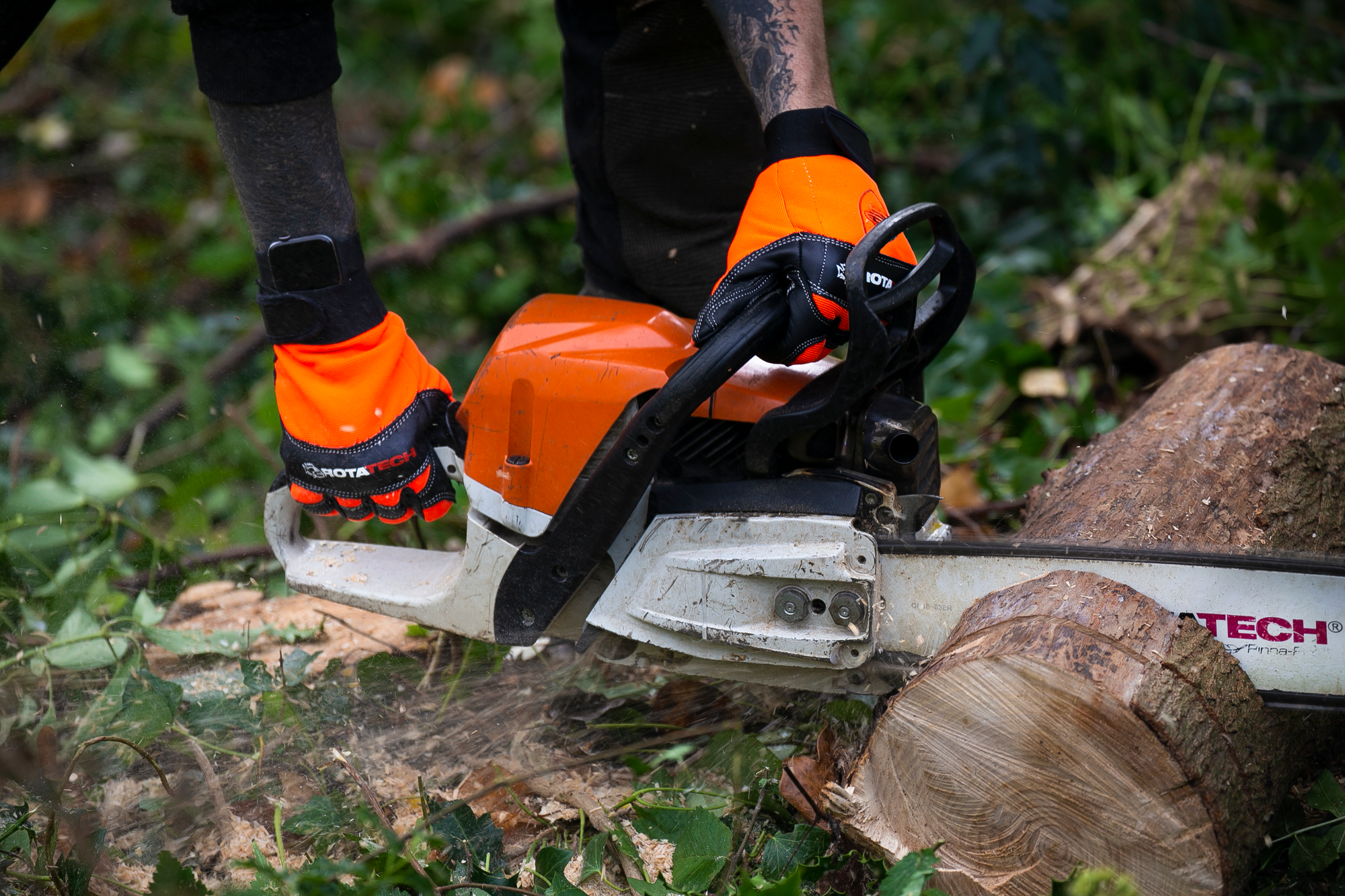
Credit: rotatechproducts.com
Choosing The Right Lubricant
Lubricating your chainsaw chain is key for smooth cutting and longer tool life.
Picking the right lubricant protects the chain and bar from wear and overheating.
Types Of Chainsaw Oils
There are several oils made just for chainsaws. Each has unique features.
- Bar and chain oil: Specially made to stick to the chain during use.
- Vegetable-based oil: Eco-friendly, breaks down naturally in the environment.
- Mineral oil: Common and affordable, but less eco-friendly.
Synthetic Vs. Natural Oils
Synthetic oils are made in labs and last longer under heat.
Natural oils come from plants and break down faster in soil and water.
| Type | Durability | Environmental Impact |
| Synthetic Oil | High | Moderate |
| Natural Oil | Low | Low |
| Mineral Oil | Medium | High |
Environmental Factors
Choose oil based on where you use your chainsaw and local rules.
In wet or sensitive areas, natural oils reduce harm to plants and water.
- Check if your area restricts certain oils.
- Use biodegradable oil near water or wildlife.
- Keep oil away from open flames and heat.
Preparing Your Chainsaw For Lubrication
Lubricating your chainsaw chain is important for smooth cutting. Proper preparation helps the chain last longer.
Before lubrication, clean the chain and bar, check oil levels, and inspect the chain tension carefully.
Cleaning The Chain And Bar
Start by removing dirt, sawdust, and oil from the chain and bar. Use a brush or cloth to clean them well.
- Wear gloves to protect your hands.
- Use a stiff brush to scrub the chain and bar.
- Wipe with a clean, dry cloth.
- Check for any damage or wear on the chain.
- Make sure the bar groove is free of debris.
Checking Oil Levels
Proper oil level is key to lubricate the chain while cutting. Check the oil reservoir before each use.
| Oil Level | Action |
| Full | Ready for use |
| Low | Fill with bar and chain oil |
| Empty | Do not use the chainsaw until refilled |
Inspecting Chain Tension
Check the chain tension to keep the chain tight but able to move freely. Adjust tension if needed.
- Wear gloves for safety.
- Lift the chain from the bar’s middle.
- The chain should snap back in place.
- If the chain sags, tighten the tension screw.
- Do not over-tighten the chain.
Step-by-step Lubrication Process
Keeping your chainsaw chain lubricated is important for its performance and lifespan. Proper lubrication reduces friction and prevents overheating.
This guide explains how to lubricate your chainsaw chain using different methods. Follow these steps to keep your tool working smoothly.
Filling The Oil Reservoir
The oil reservoir holds the bar and chain oil that lubricates the chain during use. Filling it correctly is the first step in chain lubrication.
Use the right type of bar and chain oil. Avoid using regular motor oil or other substitutes.
- Locate the oil reservoir cap on your chainsaw.
- Clean around the cap to avoid dirt entering the tank.
- Open the cap and slowly pour in the bar and chain oil.
- Fill to the recommended level without overfilling.
- Close the cap tightly to prevent leaks.
Applying Oil Manually
Manual oiling is useful if your chainsaw does not have an automatic oiler or if you want extra lubrication during use.
You can apply oil by hand or with a small oil can to the chain and guide bar.
- Turn off the chainsaw and place it on a stable surface.
- Wear gloves to protect your hands from oil and sharp chain teeth.
- Apply oil along the full length of the guide bar and chain.
- Rotate the chain slowly by hand to spread the oil evenly.
- Wipe away any excess oil before starting the chainsaw.
Using Automatic Oilers
Many chainsaws come with automatic oilers that supply oil to the chain during operation. This system keeps the chain lubricated without extra effort.
To use the automatic oiler, keep the oil reservoir filled and check the oil flow regularly.
- Fill the oil reservoir as described earlier.
- Start the chainsaw and let it run at low speed.
- Check if oil is dripping or spreading on the chain.
- If oil does not flow, clean the oil ports and lines.
- Adjust the oiler settings if your chainsaw allows it.
Maintaining Optimal Lubrication
Keeping your chainsaw chain well-lubricated helps it work smoothly and last longer. Proper lubrication reduces friction and heat during cutting.
Regular checks and adjustments ensure the oil reaches the chain consistently. Knowing the signs of poor lubrication can prevent damage.
Regular Oil Checks
Check the oil level before each use. Use the oil reservoir window or dipstick to see the oil amount. Fill it with the recommended bar and chain oil if low.
Watch for leaks or blockages in the oil delivery system. Clean the oil hole if it looks clogged. This keeps oil flowing to the chain without interruption.
Adjusting Oil Flow
Most chainsaws have an oil flow adjustment screw. Use a screwdriver to increase or decrease oil supply. Adjust according to the chain speed and cutting conditions.
- Start with a medium setting.
- Test by cutting a small piece of wood.
- If the chain dries out, increase the flow.
- If there is too much oil, reduce the flow to avoid mess.
Signs Of Insufficient Lubrication
| Sign | What It Means |
| Smoke from chain | Chain is overheating without enough oil |
| Chain feels hot to touch | Friction is too high, oil is low |
| Chain skips or binds | Poor lubrication causing rough movement |
| Wood burns while cutting | Chain is not lubricated well enough |
Watch for these signs to stop damage early. Adjust oil flow or refill oil as needed to keep the chain running safely.
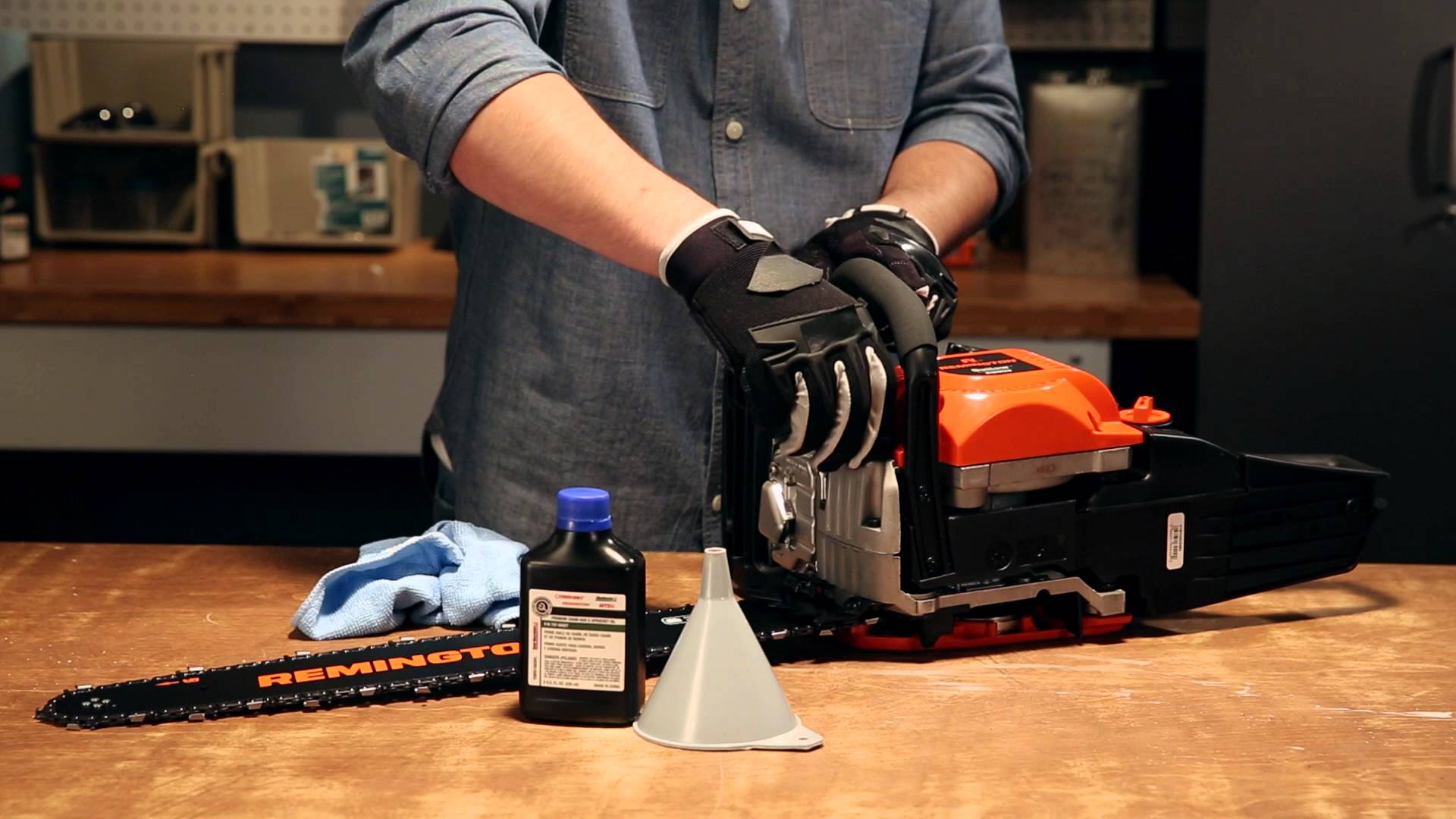
Credit: sawzillaparts.com
Common Lubrication Mistakes To Avoid
Lubricating your chainsaw chain is important to keep it running smoothly. Many users make mistakes that cause damage or reduce performance.
Knowing what to avoid will help extend the life of your chainsaw and improve safety.
Overlubricating The Chain
Using too much oil can cause dirt and sawdust to stick to the chain. This buildup slows down the saw and wears parts faster.
- Excess oil attracts debris
- Can lead to chain slipping
- Makes cleaning the chainsaw harder
- Wastes oil and increases costs
Using Incorrect Oils
Not all oils work well on chainsaw chains. Using the wrong type reduces lubrication and can damage the chain or bar.
| Oil Type | Suitable For | Why Avoid |
|---|---|---|
| Motor Oil | Engines only | Too thin, burns off quickly |
| Vegetable Oil | Not recommended | Dries and gums up chain |
| Chainsaw Bar Oil | Best choice | Designed to stick and lubricate |
Neglecting Chain Maintenance
Ignoring regular chain care reduces lubrication effectiveness. Dirt, rust, and dull teeth cause poor cutting and faster wear.
- Clean the chain after each use
- Sharpen the chain regularly
- Check oil holes and fill oil tank
- Inspect for damage or rust
Tips For Prolonging Chain Life
Keeping your chainsaw chain in good shape saves time and money. Proper care can make it last longer and work better.
Here are some important tips on storage, sharpening, and safe use to help your chainsaw chain stay sharp and strong.
Proper Storage
Store your chainsaw and chain in a dry place. Moisture can cause rust and damage the chain. Use a protective case or cover to keep dust and dirt away.
- Clean the chain before storing
- Apply a light coat of oil to prevent rust
- Keep the chain away from direct sunlight
- Store in a cool, dry area
Routine Sharpening
Sharpen your chainsaw chain regularly. A sharp chain cuts better and reduces wear. Dull chains can cause overheating and damage.
| Sharpening Frequency | Signs Chain Needs Sharpening |
|---|---|
| After 3-4 hours of use | Slow cutting or needing more force |
| When you see uneven cuts | Smoke or burning smell during cutting |
| After hitting dirt or stones | Chain skips or bounces |
Safe Operating Practices
Use your chainsaw carefully to protect the chain. Avoid cutting into hard objects like rocks and dirt. Keep the chain well lubricated during use.
Tips for safe operation:
- Check oil level before every use
- Use the right chain oil type
- Let the chain cool down after heavy use
- Do not force the saw; let it cut naturally
Frequently Asked Questions
How Often Should Chainsaw Chains Be Lubricated?
Chainsaw chains should be lubricated every time you refuel. Regular lubrication reduces friction, prevents wear, and ensures smooth operation. Always check the oil level before starting your chainsaw. If you use your chainsaw heavily, consider lubricating more frequently to maintain optimal performance and extend the chain’s lifespan.
What Type Of Oil Is Best For Chainsaw Chains?
Bar and chain oil is best for chainsaw chains. It is specifically designed to adhere to chains, reducing friction and wear. It also protects against rust and corrosion. For cold weather, use winter-grade oil to ensure proper flow. Always refer to your chainsaw’s manual for specific oil recommendations.
Can I Use Motor Oil For Lubricating Chainsaw Chains?
Motor oil is not recommended for chainsaw chains. It lacks the tackiness of bar and chain oil, leading to inadequate lubrication. This can result in increased wear and potential damage. Always opt for bar and chain oil for optimal performance and protection, ensuring your chainsaw operates smoothly and efficiently.
How Do I Know If My Chainsaw Chain Is Well-lubricated?
A well-lubricated chain will run smoothly without excessive noise. Check for a thin film of oil on the chain and bar. If the chain appears dry or the saw produces smoke, lubrication may be insufficient. Regularly inspect and adjust the oil flow to maintain optimal lubrication levels.
Conclusion
Keeping your chainsaw chain well-lubricated ensures smooth cutting and longer life. Regular oiling reduces friction and prevents damage to the chain. It also helps the chainsaw run cooler and safer. Clean the chain and check the oil level before each use.
Use the right type of oil for best results. A well-lubricated chain saves time and money by avoiding repairs. Simple steps keep your tool ready for any job. Take care of your chainsaw, and it will take care of you.