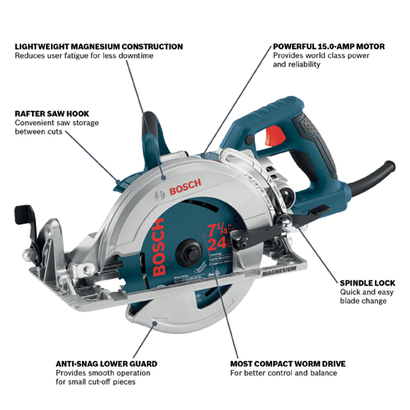
If you want your circular saw to work smoothly and last longer, knowing how to lubricate its components is key. Without proper care, your saw can become noisy, sluggish, or even break down when you need it most.
You’ll discover simple steps to keep your saw running like new. By the time you finish reading, you’ll feel confident handling maintenance yourself and saving time and money on repairs. Ready to make your circular saw more reliable and efficient?
Let’s dive in.
Choosing The Right Lubricant
Keeping your circular saw components well-lubricated helps them run smoothly. The right lubricant reduces friction and wear.
Choosing the best lubricant depends on the saw parts and how you use the tool. This guide covers key options.
Types Of Lubricants For Circular Saws
You can use oils, greases, or sprays to lubricate your saw parts. Each type has its own benefits and uses.
- Light machine oil for bearings and small moving parts
- Grease for gears and heavy-load areas
- Dry lubricants to avoid attracting dust
- Spray lubricants for easy application
Oil Vs. Grease: What Works Best
| Lubricant | Best Use | Advantages | Drawbacks |
| Oil | Bearings and light parts | Penetrates tight spaces, easy to apply | Needs frequent reapplication |
| Grease | Gears and heavy-load parts | Stays in place longer, good for high pressure | Can attract dust and dirt |
Eco-friendly Lubricant Options
Eco-friendly lubricants protect the environment and your tools. They break down naturally and have fewer chemicals.
- Plant-based oils made from natural ingredients
- Biodegradable greases safe for soil and water
- Non-toxic sprays free from harmful solvents

Credit: www.findbuytool.com
Preparing The Saw For Lubrication
Lubricating your circular saw helps keep it running smoothly. Preparing the saw well makes the process easier and safer.
Before you start, it is important to get the saw ready. This saves time and protects the tool.
Safety Precautions
Always put safety first when working on your saw. This prevents injuries and damage.
- Unplug the saw from the power source
- Wear safety gloves and goggles
- Work in a clean, well-lit area
- Keep children and pets away
- Have a fire extinguisher nearby
Cleaning The Components
Clean parts before lubrication. Dirt and dust can block oil and cause wear.
| Component | Cleaning Method |
| Blade | Use a brush to remove sawdust |
| Guard | Wipe with a damp cloth |
| Motor housing | Blow out dust with compressed air |
| Arbor | Clean with a soft rag and solvent |
Disassembling Parts For Access
Take apart some parts to reach areas that need oil or grease. Use the right tools to avoid damage.
- Remove the blade guard carefully
- Unscrew the blade bolt and take off the blade
- Lift off the blade flange
- Expose the arbor and bearings
- Keep all screws and parts organized
Lubricating The Blade Assembly
Keeping your circular saw blade assembly well lubricated helps it run smoothly. It reduces friction and wear on moving parts.
Regular lubrication prevents damage and extends the life of your saw. This guide shows how to lubricate blade bearings safely.
Accessing The Blade Bearings
First, unplug the saw to avoid accidents. Remove the blade guard carefully to expose the blade.
Use a wrench to loosen the blade bolt. Take off the blade and any washers to reach the bearings.
- Unplug the saw
- Remove blade guard
- Loosen blade bolt
- Remove blade and washers
- Locate the blade bearings
Applying Lubricant To Bearings
Choose a lubricant made for saw bearings or light machine oil. Avoid thick grease that can attract dust.
Apply a small amount of lubricant to each bearing. Spin the bearing gently to spread the oil evenly.
- Use light machine oil or bearing lubricant
- Apply a few drops to each bearing
- Spin bearings to distribute lubricant
- Wipe away any excess oil
Reassembling The Blade Components
Put the washers and blade back on the saw shaft in the correct order. Tighten the bolt securely but not too tight.
Replace the blade guard and make sure it moves freely. Plug in the saw and test the blade for smooth rotation.
- Replace washers and blade
- Tighten the blade bolt
- Reattach blade guard
- Check guard movement
- Test blade rotation
Credit: www.familyhandyman.com
Lubricating The Motor And Gears
Keeping your circular saw motor and gears well lubricated helps the tool run smoothly. It reduces wear and extends the life of the parts.
This guide covers how to find lubrication points, apply lubricant correctly, and avoid common mistakes.
Identifying Motor Lubrication Points
Look for bearings and gear housings on the motor. These parts usually need regular lubrication.
Check your saw’s manual for exact points. Common spots include the motor shaft bearings and gear teeth areas.
Proper Application Techniques
Use the right lubricant type, such as light machine oil for bearings and grease for gears. Avoid overusing lubricant.
- Clean the parts before applying lubricant to remove dust and debris.
- Apply lubricant sparingly to the lubrication points.
- Rotate the motor or gears slowly to spread lubricant evenly.
- Wipe off any extra lubricant to prevent dirt buildup.
Signs Of Over-lubrication
Too much lubricant can cause problems like excess heat, dirt buildup, and poor tool performance.
| Symptom | Cause | Effect |
| Grease leakage | Applying too much grease | Messy saw and dirt attraction |
| Overheating motor | Thick lubricant layers | Damage to motor parts |
| Slipping gears | Excess lubricant on gear teeth | Loss of power transmission |
Maintaining The Arbor And Shaft
Keeping your circular saw’s arbor and shaft in good condition helps the tool work well. Regular care prevents wear and keeps the saw safe to use.
Cleaning and lubrication are key. Follow simple steps to keep these parts running smoothly.
Cleaning The Arbor
Remove the blade and wipe the arbor with a dry cloth. This removes dirt and sawdust. For stubborn grime, use a soft brush or mild cleaner.
- Detach the blade carefully.
- Use a dry cloth to wipe the arbor surface.
- Apply a mild cleaner if needed.
- Dry the arbor completely before reassembling.
Lubricating The Shaft
Apply a light machine oil on the shaft to reduce friction. Avoid over-lubricating, which can attract dust. Use a cloth to spread oil evenly.
| Lubrication Tips | Details |
| Type of oil | Light machine oil |
| Amount | Few drops only |
| Application | Use a clean cloth to spread |
| Frequency | After every few uses |
Ensuring Smooth Rotation
Check that the arbor and shaft rotate without resistance. Tighten any loose parts. If the movement feels rough, clean and lubricate again.
- Spin the arbor by hand to test rotation.
- Tighten bolts and screws if loose.
- Repeat cleaning and oiling if needed.
- Replace worn parts if problems continue.
Credit: www.familyhandyman.com
Frequency And Scheduling
Lubricating your circular saw parts keeps the tool running smoothly. Regular care stops damage and extends its life.
Setting a schedule for lubrication helps you avoid missed or late maintenance. It also improves safety.
How Often To Lubricate
You should lubricate the saw’s moving parts based on use and conditions. Light users can do it less often.
- Lubricate after every 10 hours of use for heavy tasks.
- Check and grease every 25 hours for moderate use.
- Perform basic lubrication every 50 hours for light use.
Seasonal Maintenance Tips
Season changes can affect your saw. Dirt, moisture, and temperature shifts need extra attention.
- Before winter, clean and apply a thicker lubricant to protect parts from cold.
- In spring, inspect for rust and clean old grease thoroughly.
- Summer use may require more frequent lubrication due to dust and heat.
- Fall is good for a full service before heavy use in winter.
Tracking Lubrication History
| Date | Part Lubricated | Type of Lubricant Used | Notes |
|---|---|---|---|
| 2024-01-10 | Blade Arbor | Light machine oil | Normal use, no issues |
| 2024-03-15 | Gearbox | Grease | After winter cleaning |
| 2024-06-05 | Motor Bearings | High-temp grease | Summer dust protection |
Troubleshooting Common Issues
Keeping your circular saw well lubricated helps it run smoothly. Some problems still happen. Understanding these issues can save time and effort.
Below are common problems related to lubrication and how to fix them. Follow the tips to keep your saw working safely and efficiently.
Noise And Vibration Problems
Unusual noise or vibration often means parts need lubrication. Dust and dirt can block the oil, causing friction. This leads to loud sounds and shaking.
- Check the bearings and motor shaft for dryness.
- Apply a few drops of light machine oil to moving parts.
- Remove debris around the blade guard and motor area.
- Tighten loose screws and bolts that cause rattling.
- Use only recommended lubricants for your saw model.
Blade Binding Causes
Blade binding happens when the blade stops turning smoothly. It can cause your saw to jerk or stall. Poor lubrication can make this worse.
| Cause | Effect | Solution |
| Dry blade arbor | Blade sticks | Apply grease or oil to arbor |
| Blade dullness | Increased friction | Sharpen or replace blade |
| Incorrect blade tension | Blade slips or binds | Adjust blade tightness |
| Dirty blade | Build-up causes drag | Clean blade with solvent |
When To Seek Professional Help
If noise or binding continues after lubrication, call a professional. Problems inside the motor or complex parts need expert care.
- Grinding sounds from inside the motor
- Blade does not spin even after cleaning and oiling
- Visible damage to electrical parts
- Saw overheats quickly
Additional Tips For Longevity
Keeping your circular saw in good shape takes more than just lubrication. You need to care for it properly to help it last longer.
These extra tips focus on how to store and protect your saw parts. They help stop damage and keep the saw working well.
Storage Practices
Store your circular saw in a dry place. Moisture can cause rust and damage the parts. Make sure the saw is clean before storing it.
Keep the saw away from extreme heat or cold. These conditions can affect the metal and plastic parts.
- Use a sturdy toolbox or case
- Keep it off the floor to avoid moisture
- Store in a temperature-controlled area
Avoiding Contamination
Keep dirt and dust away from the saw parts. Contaminants can clog the moving parts and reduce lubrication effects.
Clean the saw after each use. Use a brush or cloth to remove sawdust and debris.
- Wipe off excess oil or grease
- Check for buildup on blades and gears
- Use compressed air to clean hard-to-reach spots
Using Protective Covers
Use covers to protect your circular saw from dust and impacts. Covers help keep lubricated parts clean and safe.
Choose covers that fit well and are made from durable material. Remove covers only when you use the saw.
- Use plastic or fabric covers
- Check covers for tears or holes
- Store covers separately when not in use
Frequently Asked Questions
How Often Should I Lubricate My Circular Saw?
Lubricate your circular saw every 3 to 6 months for optimal performance. Regular lubrication prevents wear and tear. It ensures smooth operation and extends the saw’s lifespan. Always follow the manufacturer’s guidelines for best results.
What Type Of Lubricant Is Best For Saws?
Use a high-quality, non-sticky lubricant specifically designed for power tools. Silicone or Teflon-based lubricants are ideal. They provide excellent protection against rust and reduce friction. Avoid using oils that can attract dust and debris.
Can I Use Wd-40 On A Circular Saw?
WD-40 can be used, but it’s not the best choice. It’s primarily a water displacement product. For better results, use a lubricant specifically made for saws. This ensures optimal protection and performance.
Is It Necessary To Clean Before Lubricating?
Yes, always clean the saw before applying lubricant. Remove dust, debris, and old lubricant for best results. This ensures the new lubricant adheres properly and provides maximum protection. A clean saw operates more efficiently and lasts longer.
Conclusion
Keeping your circular saw well-lubricated helps it run smoothly and last longer. Regular oiling stops parts from wearing out too fast. Clean the saw before adding lubricant for the best results. Use the right type of oil for each component.
Small steps like these save you time and money later. Take care of your saw to keep your work easy and safe. Simple maintenance makes a big difference. Keep your saw ready for every job.