Are you tired of your cordless drill not performing at its best? You might be overlooking a simple yet crucial maintenance step: lubrication.
Imagine your drill working smoothly and efficiently, just like it did when it was brand new. Proper lubrication can extend the life of your drill and make your DIY projects a breeze. In this guide, you’ll discover how to easily lubricate the components of your cordless drill.
Whether you’re a seasoned handyman or a weekend warrior, this simple maintenance tip can save you time and frustration. Let’s unlock the secret to keeping your drill in top shape so you can tackle any task with ease. Keep reading, and you’ll soon have a drill that runs like a dream!
Why Lubrication Matters
Lubricating cordless drill parts keeps the tool working well. It stops parts from rubbing too much.
Regular lubrication saves money by avoiding repairs. It helps the drill run smoothly and last longer.
Preventing Wear And Tear
Lubrication reduces friction between moving parts. This cuts down damage from metal parts rubbing.
- Protects gears and bearings
- Stops overheating by lowering friction
- Prevents rust and corrosion
- Keeps drill parts clean and working
Improving Performance
Lubricated parts move easily, so the drill works better. It keeps the drill running at its best speed.
| Benefit | Effect on Drill |
| Smooth rotation | More efficient drilling |
| Less noise | Quieter operation |
| Stable power | Consistent torque |
| Less heat | Prevents overheating |
Extending Drill Lifespan
Lubrication slows down wear. It stops parts from breaking early.
Key tips to extend your drill’s life:
- Lubricate parts regularly after cleaning
- Use the right lubricant made for tools
- Check for worn parts and fix quickly
- Store the drill in dry places
Tools And Materials Needed
Lubricating a cordless drill helps it work smoothly and last longer. You need the right tools and materials before starting.
Below are the essential items you should gather. They make the lubrication process easier and safer.
Types Of Lubricants
Use the correct lubricant to keep your drill parts moving well. Different types serve different purposes.
Choose lubricants that reduce friction and protect from rust. Avoid thick greases that can clog small parts.
- Light machine oil for smooth moving parts
- Silicone spray for plastic and rubber components
- White lithium grease for metal gears
- Dry Teflon spray for dust-prone areas
Cleaning Supplies
Cleaning your drill before lubrication removes dirt and old grease. This helps the new lubricant work better.
Use gentle cleaning tools that do not damage drill parts or electronics.
- Soft cloths or rags
- Small brushes or old toothbrushes
- Isopropyl alcohol or mild cleaner
- Compressed air canisters
Protective Gear
Wear safety gear to protect your skin and eyes from chemicals and dust. It keeps you safe during the work.
Simple gear can prevent accidents and irritation while lubricating your drill.
- Safety goggles to protect eyes
- Disposable gloves to keep hands clean
- Mask to avoid breathing dust or fumes
- Old clothes or apron to protect skin
Preparing The Drill For Lubrication
Proper lubrication keeps your cordless drill running smoothly. Preparing the drill is important before adding lubricant. This helps prevent damage and ensures good results.
Start by making sure the drill is clean and safe to work on. Removing parts carefully will help you reach key areas for lubrication.
Removing The Battery
Always remove the battery before working on your cordless drill. This stops accidental starts and keeps you safe.
Press the release buttons on the battery pack. Pull the battery away from the drill firmly but gently.
Disassembling Key Components
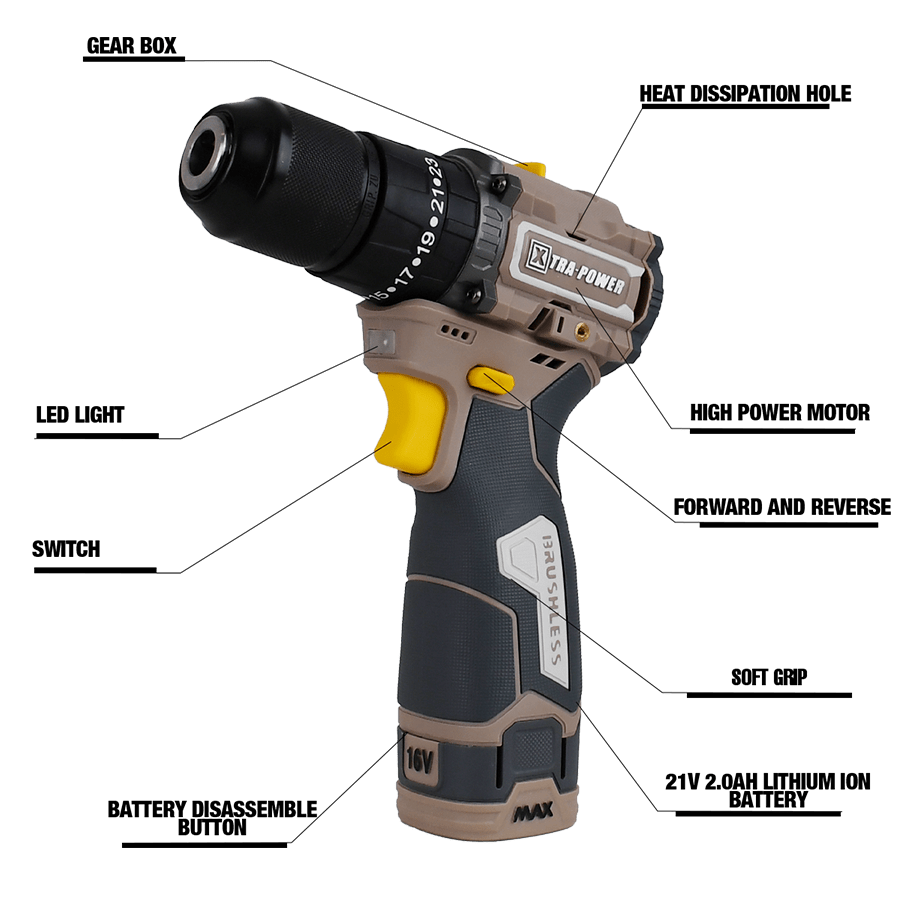
Take apart the drill parts that need lubrication. Focus on the chuck, gearbox, and motor housing.
Use the right tools like screwdrivers or hex keys. Keep screws and small parts organized to avoid losing them.
- Remove the chuck by loosening its screws
- Open the gearbox cover carefully
- Access the motor housing if needed
Cleaning Old Grease And Dirt
Clean old grease and dirt from the parts before adding new lubricant. This helps the new grease stick and work well.
Use a clean cloth or paper towel to wipe away grime. For tough spots, use a brush or a small amount of rubbing alcohol.
- Remove old grease from gears and bearings
- Clean inside the chuck and motor parts
- Dry all parts completely before lubricating

Credit: www.youtube.com
Lubricating The Gears
Keeping the gears of your cordless drill well-lubricated is key for smooth operation. Proper lubrication reduces friction and wear on the moving parts.
In this guide, you will learn how to apply grease properly and avoid common lubrication mistakes.
Applying Grease Properly
Use the right type of grease made for power tools. Apply a thin layer evenly on the gears to cover all surfaces.
- Clean the gears before applying grease.
- Use a small brush or your finger with gloves.
- Spread the grease to cover gear teeth evenly.
- Remove excess grease to prevent buildup.
Avoiding Over-lubrication
Too much grease causes problems like dirt buildup and gear slipping. Use just enough grease to coat the gears.
| Problem | Cause | Solution |
|---|---|---|
| Dirt buildup | Excess grease attracts dust | Apply less grease and clean regularly |
| Gear slipping | Grease blocks gear teeth contact | Use a thin grease layer |
| Tool overheating | Thick grease causes resistance | Limit grease amount on gears |
Lubricating The Chuck
Lubricating the chuck of a cordless drill keeps it working well. It helps the drill hold bits tightly and turn smoothly.
Regular lubrication stops rust and wear inside the chuck. This makes your drill last longer and work better.
Using Oil For Smooth Operation
Use light machine oil to lubricate the chuck. It reduces friction and helps parts move easily.
Apply a few drops of oil into the chuck jaws. Open and close the chuck several times to spread the oil inside.
- Choose light machine oil or 3-in-1 oil
- Do not use thick grease inside the chuck
- Oil every few months or after heavy use
- Wipe off extra oil to avoid dirt buildup
Maintaining Chuck Mechanism
Keep the chuck clean before lubricating. Remove dust and debris with a brush or cloth.
Check the chuck for damage or rust. Fix small rust spots with fine sandpaper before oiling.
- Clean chuck teeth and jaws regularly
- Inspect for cracks or worn parts
- Use compressed air to remove deep dirt
- Lubricate after cleaning and drying the chuck

Credit: jpttools.com
Caring For The Motor And Bearings
Keeping your cordless drill in good shape extends its life. The motor and bearings need regular care. Lubrication helps them run smoothly and avoids damage.
Proper lubrication reduces friction and heat. This keeps the motor parts moving well and prevents wear. Let’s look at when and how to lubricate these parts.
When To Lubricate Bearings
Bearings support the drill’s rotating parts. They need lubrication to avoid friction and noise. Lubricate bearings if you notice any of these signs:
- The drill makes squeaking or grinding sounds
- The drill feels hotter than usual
- You see visible dirt or dried grease on the bearings
- The drill does not spin as smoothly as before
- It has been several months since the last lubrication
Also, check the user manual for the manufacturer’s lubrication schedule. Regular checks keep your drill working well.
Lubrication Techniques For Motors
Motors have moving parts that need lubrication to reduce wear. Use the right lubricant and apply it carefully.
| Technique | Description | Tips |
| Apply Oil | Use light machine oil on motor bearings and shafts. | Apply a few drops; avoid over-oiling to prevent dirt buildup. |
| Use Grease | Apply grease to larger bearing surfaces needing thicker protection. | Use a small amount; reapply as the grease dries out. |
| Clean Before Lubrication | Remove dust and old lubricant before applying new oil or grease. | Use a clean cloth or brush to avoid mixing dirt with lubricant. |
| Avoid Electrical Parts | Do not let lubricant touch wires or electrical components. | Use a small brush or applicator for precise lubrication. |
Reassembling And Testing
After lubricating the cordless drill parts, it is important to reassemble them carefully. Testing the drill ensures it works smoothly and safely.
Follow the steps below to put the components back and check the drill’s performance.
Putting Components Back Together
Start by aligning each part in the correct order. Make sure the lubricated areas stay clean and free of dust.
- Place the motor and gearbox carefully inside the drill casing.
- Secure all screws and fasteners tightly without over-tightening.
- Reinstall the chuck and tighten it properly.
- Attach the battery and ensure it fits securely.
- Check that all switches and buttons move freely.
Running Performance Checks
Testing the drill after reassembly shows if lubrication and assembly were successful. Use these checks to confirm proper function.
| Test | What to Check | Expected Result |
| Power On | Switch on the drill | Drill powers up without noise or delay |
| Speed Control | Vary trigger pressure | Speed changes smoothly without jerking |
| Rotation | Run drill without load | Chuck rotates freely and quietly |
| Load Test | Drill into soft wood | Drill operates steadily with no overheating |
Maintenance Tips For Longevity
Keeping your cordless drill in good shape helps it last longer. Proper lubrication is key to smooth operation.
Regular care stops parts from wearing out quickly. This guide shows how to lubricate drill components right.
Regular Lubrication Schedule
Lubricate your cordless drill parts often. This keeps the drill running smoothly and avoids damage.
Follow this schedule to keep parts well-lubricated and working well.
- After every 20 hours of use, apply lubricant to the chuck and gears.
- Clean old grease before adding new lubricant.
- Use light machine oil or grease made for power tools.
- Check the user manual for specific lubrication points.
- Avoid over-lubricating to prevent dirt buildup.
Storage And Handling Advice
Store your drill in a dry, clean place to stop rust and dust build-up. Proper handling keeps parts safe.
Follow these tips to protect your drill and keep lubrication effective.
- Keep the drill in its case when not in use.
- Remove the battery before storage to prevent leaks.
- Store in a cool area away from moisture.
- Wipe off dirt and oil after each use.
- Handle the drill gently to avoid damaging parts.
Credit: xtrapowertools.com
Frequently Asked Questions
How Often Should I Lubricate Cordless Drill Components?
Lubricate your cordless drill every 3 to 6 months for optimal performance. Regular lubrication prevents wear and overheating. Check the user manual for specific recommendations. More frequent use may require more frequent lubrication to keep parts smooth and efficient.
What Type Of Lubricant Is Best For Cordless Drills?
Use light machine oil or lithium-based grease for cordless drill components. These lubricants reduce friction and protect metal parts. Avoid heavy oils that can attract dust. Always apply lubricant sparingly to avoid buildup inside the drill.
Can I Lubricate The Drill Chuck Myself?
Yes, you can lubricate the drill chuck yourself safely. Apply a few drops of oil on the chuck jaws. Open and close the chuck several times to spread lubricant evenly. Regular lubrication improves grip and prevents rust.
Should I Disassemble The Drill For Lubrication?
Minor lubrication usually doesn’t require full disassembly of the drill. Focus on accessible parts like the chuck and gearbox vents. For deep cleaning and lubrication, consult the manual or a professional. Avoid damaging internal electronics by opening the drill unnecessarily.
Conclusion
Regular lubrication keeps your cordless drill working smoothly. It stops parts from wearing out too fast. Clean the drill before adding oil or grease. Use the right lubricant for each component. Tighten screws and check parts often. A well-lubricated drill saves time and money.
It runs quietly and lasts longer. Small care steps make a big difference. Keep your drill ready for any job. Simple maintenance helps you work with less trouble.