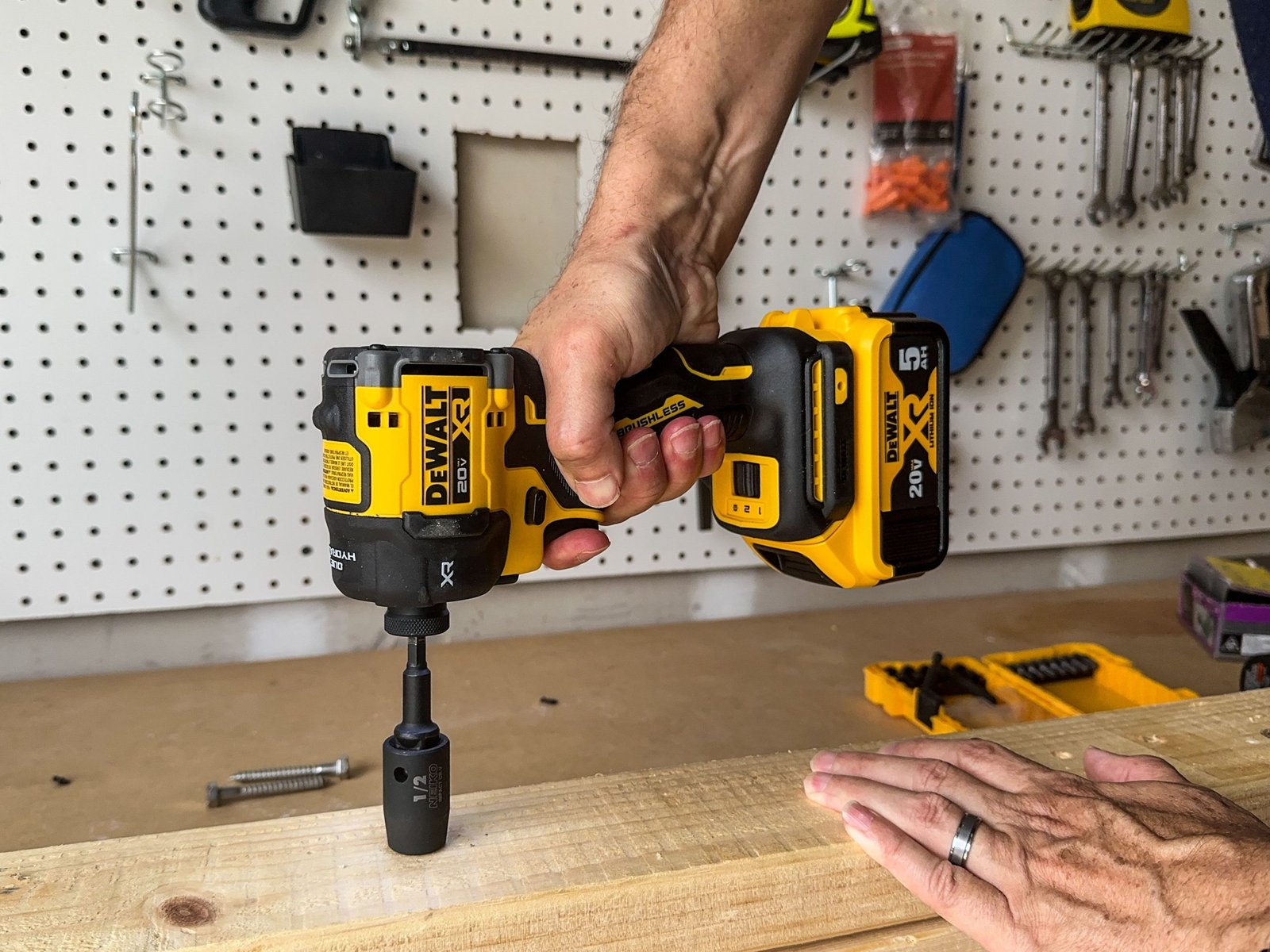
If you want your cordless drill to work smoothly and last longer, knowing how to lubricate it properly is key. You might think it’s complicated, but it’s easier than you expect.
Taking a few simple steps to keep your drill well-oiled can save you from costly repairs and frustrating breakdowns. You’ll learn exactly how to give your cordless drill the care it needs—quickly and safely. Keep reading, and your drill will thank you with better performance every time you use it.
Why Lubricate Cordless Drills
Lubricating cordless drills keeps them working smoothly. It reduces wear and tear on moving parts.
Without lubrication, drills can get noisy and break faster. Proper care extends their life and saves money.
Benefits Of Proper Lubrication
Lubricating your cordless drill brings many advantages. It helps maintain performance and avoids damage.
- Reduces friction between parts
- Prevents overheating during use
- Decreases noise levels
- Extends the drill’s life span
- Improves efficiency and power
Signs Your Drill Needs Lubrication
Knowing when to lubricate prevents serious damage. Watch for these signs to keep your drill in good shape.
| Sign | What It Means |
| Unusual noise | Parts rubbing without enough oil |
| Overheating | Friction causing heat build-up |
| Slow operation | Increased resistance from dry parts |
| Visible rust | Moisture damaging unprotected areas |
| Sticky or stiff trigger | Lubrication needed in moving mechanisms |
Choosing The Right Lubricant
Keeping your cordless drill well-lubricated helps it work smoothly and last longer. Picking the right lubricant is important.
Different lubricants suit different parts of your drill. Use the right one to avoid damage and improve performance.
Types Of Lubricants For Cordless Drills
There are several types of lubricants you can use on cordless drills. Each type works best for certain parts and tasks.
- Light Machine Oil:Good for small moving parts and bearings. It reduces friction well.
- Grease:Thicker and lasts longer. Use it on gears and heavier parts that need strong protection.
- Silicone Lubricant:Safe for plastic parts. It prevents drying out and cracking.
- Graphite Powder:Dry lubricant that works well in dusty places. It does not attract dirt.
What To Avoid
Some lubricants can harm your cordless drill. Avoid using substances that cause damage or poor performance.
- WD-40:It cleans but is not a good long-term lubricant. It can dry out parts.
- Thick Oils:Can clog small parts and slow down the drill.
- Petroleum Jelly:Not designed for power tools and may attract dust.
- Water-based Lubricants:They may cause rust inside the drill parts.
Preparing Your Drill For Lubrication
Lubricating your cordless drill keeps it running smoothly. Proper preparation helps the lubricant reach all important parts.
Before you start, you need to get the drill ready. This makes lubrication easier and more effective.
Safety Precautions
Safety is important when working with power tools. Always protect yourself and your drill before lubrication.
Make sure the drill is turned off and the battery is removed. This stops the drill from starting by accident.
- Remove the battery to cut power
- Wear safety glasses to protect your eyes
- Work in a clean, well-lit area
- Keep fingers away from moving parts
Cleaning Before Lubrication
Cleaning the drill removes dust and dirt. This helps the lubricant work better and lasts longer.
Use a dry cloth to wipe the outside. Blow air into vents to clear dust inside the drill.
- Wipe drill surface with a soft cloth
- Use compressed air to clean vents and crevices
- Remove dirt from the chuck area
- Do not use water or wet cloths
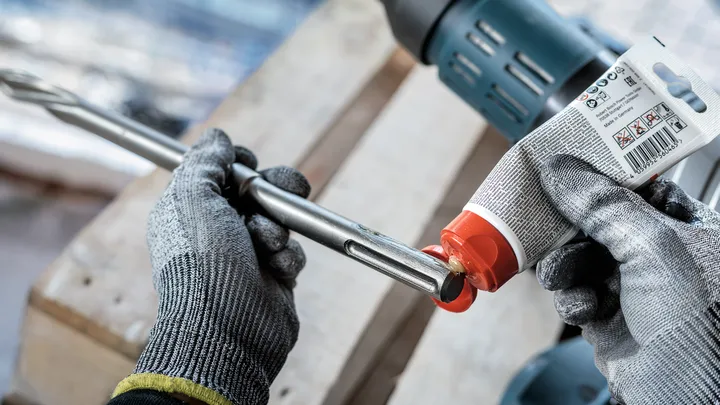
Credit: www.bosch-professional.com
Step-by-step Lubrication Process
Keeping your cordless drill lubricated helps it run smoothly. This guide shows you how to do it in easy steps.
Follow each section carefully to protect your drill and extend its life.
Accessing The Drill’s Moving Parts
First, remove the battery from your cordless drill to avoid accidents. Use a screwdriver to open the drill casing carefully.
Take out any screws holding the casing and separate the halves to see the gears and moving parts inside.
- Remove the battery pack.
- Use the correct screwdriver to unscrew the casing.
- Gently open the casing without forcing it.
- Locate the gears and moving parts inside.
Applying Lubricant Correctly
Use a light machine oil or drill-specific lubricant. Apply a small amount to each gear and moving joint.
| Lubricant Type | Use | Amount |
|---|---|---|
| Light machine oil | Gears and joints | Few drops |
| Grease | High-friction parts | Small dab |
| Dry lubricant | Electric contacts (avoid) | None |
Do not over-lubricate. Wipe off any extra oil to prevent dirt build-up.
Reassembling The Drill
After lubrication, align the drill casing halves and press them together gently. Replace all screws tightly.
- Check that no parts are out of place.
- Secure the casing with screws.
- Insert the battery pack back in.
- Test the drill to ensure smooth operation.
Maintenance Tips For Drill Longevity
Keeping your cordless drill in good shape helps it last longer. Regular care prevents damage and keeps it working well. Simple steps can protect your tool from wear and tear.
Proper lubrication and storage are key parts of drill maintenance. These actions reduce friction and stop rust. Follow easy tips to keep your drill ready for any job.
Regular Lubrication Schedule
Lubricate your cordless drill regularly to avoid parts wearing out. Use light machine oil or grease recommended by the manufacturer. Focus on the chuck and moving parts.
- Clean the drill before applying lubricant to remove dust and debris.
- Apply a small amount of lubricant to the chuck and gearbox area.
- Operate the drill briefly to spread the lubricant evenly.
- Wipe off any excess oil to prevent dirt buildup.
- Repeat this process every 3 to 6 months depending on use.
Storing Your Drill Properly
Proper storage protects your drill from moisture and damage. Keep it in a dry and clean place. Avoid extreme temperatures that can harm the battery and parts.
| Storage Tip | Reason |
| Use a case or toolbox | Prevents dust and physical damage |
| Store in a cool, dry area | Stops rust and battery damage |
| Remove battery if not used for a long time | Protects battery life |
| Keep away from direct sunlight | Avoids overheating and plastic damage |
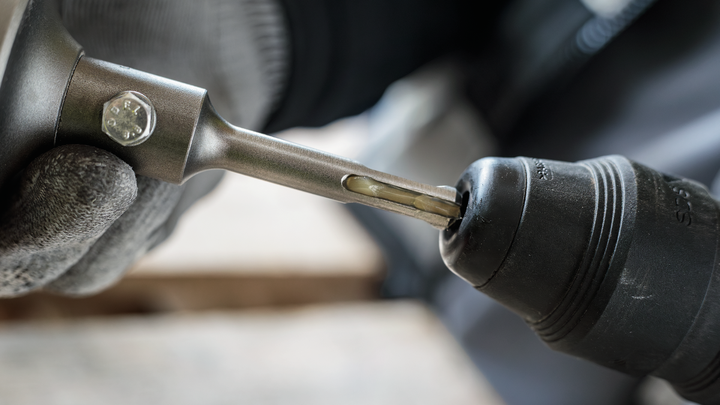
Credit: www.bosch-pt.com.my
Troubleshooting Common Issues
Lubricating cordless drills helps keep them working well. Sometimes, problems happen even after lubrication. Knowing how to fix these issues saves time and effort.
This guide covers common lubrication mistakes and when to ask for expert help. Follow these tips to avoid damage and keep your drill running smoothly.
Lubrication Mistakes To Avoid
Using the wrong lubricant or too much oil can cause problems. Dirt can stick to excess oil, damaging your drill’s parts. Avoid these errors to keep your drill safe.
- Do not use grease instead of oil on moving parts.
- Apply lubricant sparingly; too much can attract dust.
- Never lubricate the battery or electrical parts.
- Use only lubricants recommended by the drill’s manufacturer.
- Clean old grease or dirt before adding new lubricant.
When To Seek Professional Help
If your drill makes strange noises or stops working after lubrication, it may need expert care. Some problems require special tools and skills.
| Problem | Possible Cause | Action Needed |
| Drill won’t start | Battery issues or motor damage | Check battery or visit technician |
| Unusual grinding noise | Gears not lubricated properly | Clean and re-lubricate or get professional check |
| Drill overheats quickly | Excess lubricant or worn parts | Remove excess oil, inspect parts, seek help |
| Trigger not working smoothly | Dirt or dry moving parts | Clean and lubricate carefully, consult expert if needed |
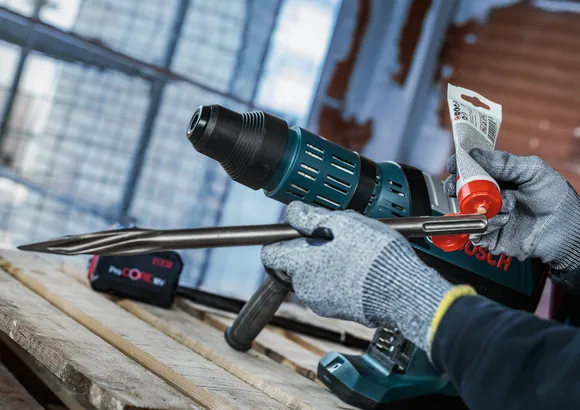
Credit: www.bosch-professional.com
Frequently Asked Questions
How Often Should I Lubricate My Cordless Drill?
It is recommended to lubricate your cordless drill every 3 to 6 months. Frequency depends on usage and manufacturer guidelines. Regular lubrication ensures smooth operation, reduces wear, and prolongs the drill’s lifespan. Always follow the user manual for specific instructions.
What Type Of Lubricant Is Best For Drills?
Use a light machine oil or manufacturer-recommended lubricant for cordless drills. Avoid heavy greases, as they can attract dust and debris. Light oils ensure smooth operation and prevent rust. Always check the manufacturer’s guidelines for specific lubricant recommendations.
Can I Use Wd-40 On My Cordless Drill?
WD-40 can be used for cleaning, but not as a long-term lubricant. It provides short-term lubrication but may attract dust. For long-lasting lubrication, use light machine oil or a specific drill lubricant. Always follow the manufacturer’s recommendations for the best results.
What Are The Signs My Drill Needs Lubrication?
Signs include unusual noises, increased friction, or sluggish performance. If your drill heats up quickly or parts seem stiff, it likely needs lubrication. Regular maintenance prevents these issues, ensuring efficient and smooth operation. Check the user manual for detailed maintenance tips.
Conclusion
Keeping your cordless drill well-lubricated helps it work smoothly. It prevents parts from wearing out too fast. Regular lubrication also stops the drill from overheating. This simple step saves you money on repairs. It makes your drill last longer and stay strong.
Remember to use the right oil and apply it carefully. Small actions like this keep your tools ready for any job. Your drill will thank you with better performance every time.