Are your planer knives not cutting as smoothly as they used to? You might be surprised to learn that the solution could be as simple as proper lubrication.
Keeping your planer knives well-lubricated can extend their life, improve their performance, and save you from unnecessary frustration. In this guide, you’ll discover the straightforward steps to ensure your planer knives glide effortlessly through every piece of wood. Imagine the satisfaction of achieving those clean, precise cuts every time.
Ready to unlock the secret to smoother woodworking? Keep reading to transform your tool maintenance routine and elevate your woodworking projects to new heights.

Credit: sawmillcreek.org
Choosing The Right Lubricant
Lubricating planer knives keeps them sharp and working well. Picking the right lubricant is key for good results.
This guide explains different lubricant types, their benefits, and safety tips.
Types Of Lubricants
You can use oils, waxes, or sprays to lubricate planer knives. Each type has its own features and uses.
- Oil-based lubricants:These are common and easy to apply. They reduce friction well.
- Wax-based lubricants:These provide long-lasting protection and resist dust.
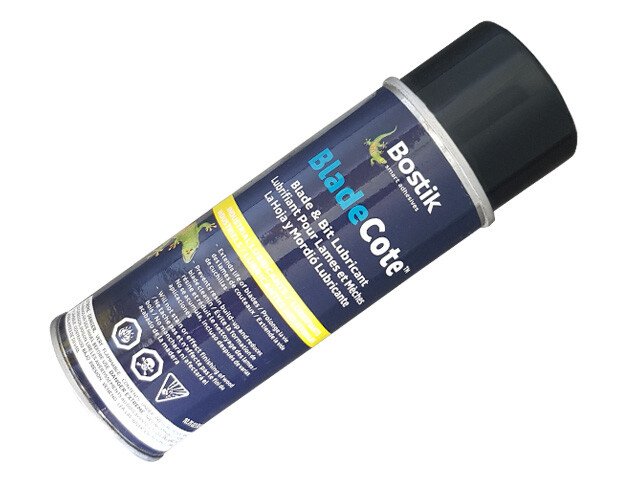
- Spray lubricants:These are quick to apply and reach tight spots easily.
Benefits Of Each Lubricant Type
| Lubricant Type | Advantages |
| Oil-based | Easy to apply, good for everyday use |
| Wax-based | Long-lasting, prevents dust build-up |
| Spray | Quick application, reaches small areas |
Safety Considerations
Always use lubricants in a well-ventilated area. Wear gloves to protect your skin.
- Read the label for proper use instructions.
- Avoid contact with eyes and open flames.
- Store lubricants away from children and pets.
Credit: www.bosch-professional.com
Preparing Planer Knives For Lubrication
Before lubricating planer knives, you need to prepare them well. Proper preparation helps the blades last longer and work better.
Cleaning and checking the blades are important steps. These steps remove dirt and spot any problems early.
Cleaning The Blades
Start by cleaning the planer knives with a soft cloth. Use a mild cleaner to remove dirt and oil.
Wipe gently to avoid scratching the blade surface. Clean blades allow lubrication to work better.
Removing Debris And Residue
Check the blades for any stuck debris or residue. Use a brush or a plastic scraper to remove it carefully.
- Remove wood chips and sawdust
- Clear any resin build-up
- Ensure no metal shavings remain
Removing all residue prevents damage and helps the lubricant spread evenly.
Inspecting For Damage
Look closely at the blades to find any chips, cracks, or dull edges. Use good lighting to see clearly.
If you find damage, fix or replace the knives before lubricating. Damaged blades can cause poor results.
Step-by-step Lubrication Process
Keeping your planer knives well-lubricated helps them work smoothly. Lubrication stops rust and reduces wear on parts.
Follow these steps to apply lubricant correctly and keep your planer in good shape.
Applying Lubricant Evenly
Use a clean cloth to apply lubricant on the planer knives. Spread it gently and cover all metal surfaces.
Make sure no spots are missed. Even coverage protects the knives from rust and helps them cut better.
- Put a small amount of lubricant on the cloth
- Wipe each knife blade carefully
- Check for any dry or shiny spots
- Reapply lubricant if needed
Avoiding Over-lubrication
Too much lubricant can cause dust and dirt to stick to the knives. This clogs the planer and reduces performance.
Use only the amount needed. Wipe off extra lubricant with a clean cloth before reassembling.
- Apply lubricant in thin layers
- Do not pour lubricant directly on knives
- Remove any excess with a dry cloth
Reassembling The Planer
After lubrication, carefully put all parts back in place. Follow the order you removed them to avoid mistakes.
Tighten screws and bolts securely but avoid over-tightening. Test the planer to ensure it runs smoothly.
- Place knives back on the cutter head
- Secure knives with screws or clamps
- Reattach the cover and other parts
- Check for any loose components
- Run the planer to check operation
Credit: www.bosch-professional.com
Maintenance Tips For Longevity
Keeping your planer knives well lubricated helps them work better and last longer. Proper care prevents rust and damage during use and storage.
This guide covers how often to lubricate, how to store knives safely, and signs you should reapply lubricant.
Regular Lubrication Schedule
Lubricate your planer knives regularly to reduce friction and wear. A set schedule avoids build-up of debris and rust.
- Clean the knives after each use to remove dust and wood chips.
- Apply lubricant before and after every heavy use session.
- Check lubrication weekly if used daily.
- Use a thin layer of machine oil or a recommended lubricant.
- Wipe off excess oil to avoid attracting dirt.
Storing Planer Knives Properly
Proper storage protects your planer knives from moisture and damage. Always keep them dry and covered.
| Storage Tip | Purpose |
| Use a blade guard or sheath | Prevents accidental cuts and blade damage |
| Store in a dry place | Reduces risk of rust and corrosion |
| Keep knives separated | Avoids scratches and nicks on edges |
| Apply a light coat of oil before storage | Protects metal surfaces from moisture |
Signs It’s Time To Re-lubricate
Watch for signs that your planer knives need fresh lubrication. Acting quickly prevents further wear.
- Knives feel rough or sticky during operation.
- Visible rust or discoloration on the blade edges.
- Increased noise or vibration while planing wood.
- Wood chips sticking to the knives more than usual.
- Lubricant appears dry or has worn away.
Troubleshooting Common Issues
Keeping planer knives well-lubricated helps them work smoothly. Sometimes, problems still happen. This guide helps you fix common issues with planer knives.
Using the right lubrication and cleaning steps can improve your planer’s performance. Read on to learn how to solve sticking, uneven cuts, and lubricant build-up problems.
Knife Sticking Or Jamming
Knife sticking or jamming stops your planer from working well. This can happen if the knives are dirty or dry. Old lubricant or debris may cause the knives to stick.
Clean the knives and apply fresh lubricant regularly. Check for damage or loose parts that might block movement. Make sure the knives are sharp and correctly installed.
- Remove debris from the knives and drum
- Apply thin, even lubricant layers
- Tighten any loose screws or parts
- Replace damaged or dull knives
Uneven Cutting Problems
Uneven cuts mean the planer knives do not cut smoothly. This can happen if the knives are not lubricated well or are dull. Dirt or rust on the knives can also cause uneven cutting.
Check the knives for sharpness and condition. Clean off any dirt or rust. Lubricate the knives to reduce friction. Make sure the knives are installed evenly and tightly.
- Sharpen or replace dull knives
- Clean knives before lubrication
- Apply lubricant to reduce friction
- Check knife alignment and tightness
Lubricant Build-up Solutions
Too much lubricant can build up on planer knives and parts. This build-up can attract dust and wood chips. It may cause sticking or uneven cuts.
Use the right amount of lubricant. Clean off old lubricant regularly. Use a cloth or brush to remove excess oil and dirt. Avoid heavy or sticky lubricants that cause build-up.
- Apply lubricant sparingly and evenly
- Clean knives and parts after use
- Use light oils designed for woodworking tools
- Remove hardened lubricant with solvent if needed
Frequently Asked Questions
How Often Should I Lubricate Planer Knives?
Lubricate planer knives after every 10 to 15 hours of use. Regular lubrication prevents rust and ensures smooth cutting. Always clean knives before applying lubricant for best results.
What Type Of Lubricant Is Best For Planer Knives?
Use light machine oil or specialized blade lubricant. Avoid thick oils as they attract dust and debris. Proper lubricant reduces friction and extends knife life.
Can I Lubricate Planer Knives Without Removing Them?
Yes, you can apply lubricant carefully without removing knives. Use a cloth or brush to spread lubricant evenly. However, removing knives allows thorough cleaning and better lubrication.
Why Is Lubricating Planer Knives Important?
Lubrication reduces friction, prevents rust, and maintains sharpness. It helps the planer run smoothly and prolongs the knives’ lifespan. Neglecting lubrication can cause poor cuts and damage.
Conclusion
Proper lubrication keeps planer knives sharp and working smoothly. It prevents rust and reduces wear over time. Regular care saves money by extending tool life. Always use the right lubricant and apply it evenly. Clean the knives before applying oil or grease.
This simple step improves cutting quality and safety. Take a few minutes after each use to maintain your planer. A little effort goes a long way in keeping your tools ready. Consistent maintenance leads to better results and less frustration.