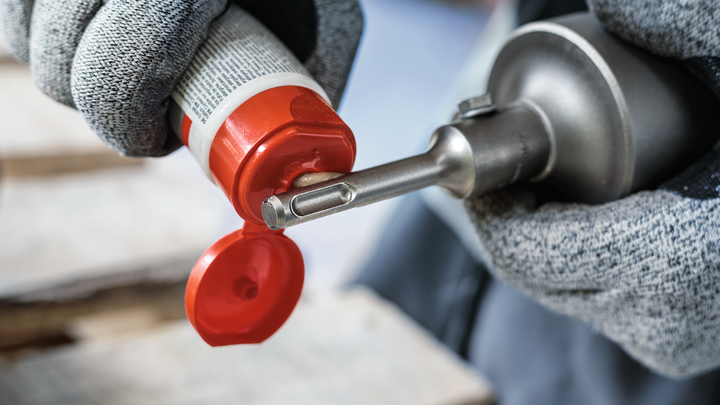
Are you ready to unlock the secret to keeping your power hammer running smoothly and efficiently? Lubricating your power hammer isn’t just about maintenance—it’s about ensuring longevity and performance.
Imagine your power hammer operating effortlessly, with each strike as powerful as the first. That’s the kind of reliability proper lubrication can provide. In this guide, you’ll discover straightforward, actionable steps to lubricate your power hammer like a pro. Whether you’re a seasoned craftsman or a DIY enthusiast, understanding these techniques will transform your metalworking experience.
Let’s dive in and make your power hammer the powerhouse it was meant to be!
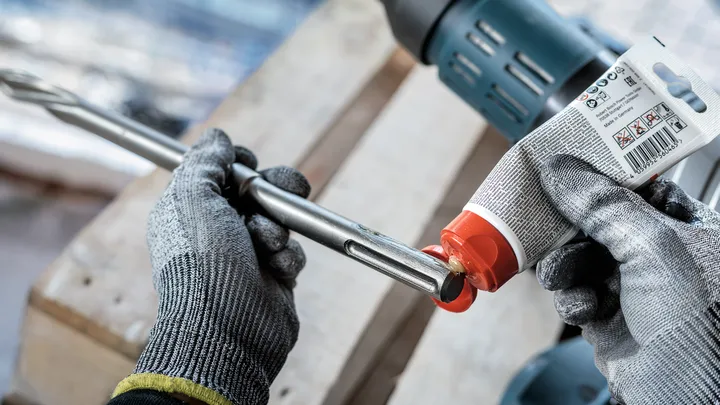
Credit: www.bosch-professional.com
Choosing The Right Lubricant
Lubricating power hammers keeps them working smoothly. Using the right lubricant protects parts from wear and tear.
Choosing the correct lubricant depends on the hammer type and working conditions. This guide helps you pick the best option.
Types Of Lubricants For Power Hammers
There are several types of lubricants used for power hammers. Each type works best in different parts of the machine.
- Grease: Thick and stays in place. Good for joints and bearings.
- Mineral Oil: Traditional lubricant from natural sources. Suitable for many moving parts.
- Synthetic Oil: Man-made oils designed for high performance and longer life.
- Graphite and Dry Lubricants: Used where oil or grease might attract dirt.
Benefits Of Synthetic Vs. Mineral Oils
Synthetic oils last longer and perform better at extreme temperatures. They reduce friction more efficiently.
Mineral oils are less expensive and widely available. They work well for normal operating conditions.
- Synthetic Oils:Better for heavy use and hot environments.
- Mineral Oils:Good for light use and moderate temperatures.
- Synthetics need less frequent changes.
- Mineral oils may break down faster under stress.
Considering Manufacturer Recommendations
Always check the power hammer manual for lubricant advice. Manufacturers test oils that fit their machines best.
Using the recommended lubricant protects your warranty and ensures the hammer lasts longer.
- Follow specified lubricant types and grades.
- Use the correct amount as instructed.
- Replace lubricant at recommended intervals.
- Ask for help if you are unsure about the best lubricant.
Preparing Your Power Hammer
Proper preparation is key to keeping your power hammer working well. Before lubricating, you must clean and check it carefully.
This guide helps you prepare your power hammer to ensure smooth and safe operation.
Cleaning Before Lubrication
Remove dirt, dust, and old grease before applying new lubricant. Clean parts help the lubricant work better.
Use a brush or cloth to wipe the surfaces. Avoid water on electrical parts.
- Brush off loose debris
- Wipe metal parts with a clean cloth
- Use a degreaser if needed
- Keep electrical parts dry
Checking For Wear And Damage
Look closely for worn or broken parts. Lubrication does not fix damage but helps parts move smoothly.
Check the hammer face, springs, and bearings. Replace any parts that look cracked or very worn.
- Inspect hammer face for cracks
- Check springs for tightness
- Look for rust on moving parts
- Examine bearings for smooth rotation
Disassembling Key Components
Take apart the main parts to clean and lubricate them well. Follow your power hammer manual for safe disassembly.
Keep track of screws and small parts. Clean each piece before applying lubricant to avoid trapping dirt inside.
- Remove hammer head and springs
- Take off covers and guards
- Keep parts organized for reassembly
- Clean parts before applying lubricant
Lubrication Points To Focus On
Proper lubrication keeps power hammers running smoothly. It reduces wear and prevents damage. Focus on key points to extend tool life.
Use the right lubricant and apply it regularly. Check the machine manual for specific instructions. Clean parts before lubricating for best results.
Main Ram And Cylinder
The main ram moves up and down inside the cylinder. Lubricate the ram shaft and inside the cylinder to reduce friction. This helps maintain smooth hammer action.
- Apply grease to the ram shaft daily
- Use oil inside the cylinder to keep it slick
- Check seals for leaks and replace if needed
- Clean dust and debris before lubrication
Linkages And Joints
Linkages and joints connect moving parts. They need regular oiling to prevent rust and wear. Dry joints cause noise and reduce efficiency.
| Location | Lubricant Type | Frequency |
| Pivot Points | Light oil | Weekly |
| Connecting Rods | Grease | Biweekly |
| Hinge Joints | Light oil | Weekly |
Bearings And Bushings
Bearings and bushings support rotating parts. Keep them well-lubricated to avoid heat build-up and wear. Use grease or oil based on manufacturer advice.
Here is a quick guide for bearing lubrication:
- Clean the area before applying lubricant
- Use a grease gun for sealed bearings
- Apply oil to sleeve bearings with an oil can
- Check bearings for noise or roughness regularly
Lubrication Techniques
Proper lubrication keeps power hammers running smoothly. It reduces wear and prevents breakdowns. Using the right methods can save time and money.
There are several ways to apply lubricant. Each method fits different needs and machine types. Let’s explore the best techniques for power hammers.
Manual Application Methods
Manual lubrication means applying oil or grease by hand. This method works well for small or older machines. It allows you to control the exact amount of lubricant used.
- Use a clean cloth or brush to apply lubricant to moving parts.
- Check and fill oil cups regularly.
- Apply grease with a hand grease gun to bearings and joints.
- Remove dirt before applying lubricant to avoid contamination.
Using Automatic Lubricators
Automatic lubricators deliver oil or grease without manual effort. They provide steady lubrication and reduce downtime. These devices fit many power hammer models.
| Type | Benefits | Common Use |
|---|---|---|
| Timed oiler | Delivers oil at set intervals | Bearings and slides |
| Electro-mechanical lubricator | Adjustable flow rate by motor | Heavy-duty hammer parts |
| Single-point grease dispenser | Consistent grease supply | Joints and pivots |
Frequency And Timing Of Lubrication
Regular lubrication keeps the power hammer in top shape. The right timing depends on use and conditions. Over-lubrication can cause issues, as can too little oil.
- Lubricate daily if the hammer runs many hours.
- For light use, lubricate weekly or before storage.
- Check manufacturer’s guide for specific intervals.
- Apply lubricant before starting work to avoid dry friction.
- Inspect parts regularly for signs of wear or dryness.
Signs Of Improper Lubrication
Proper lubrication keeps power hammers running smoothly. If lubrication is poor, the hammer may show problems. Watch for signs that lubrication needs attention.
Early detection helps avoid damage and costly repairs. Learn how to spot common issues caused by bad lubrication.
Unusual Noises And Vibrations
One clear sign of poor lubrication is strange noises. Squeaks, grinding, or clanking can mean parts are rubbing without enough oil.
Vibrations may increase if the hammer’s moving parts do not glide well. These sounds and shakes show friction inside the machine.
- Squeaking or whining sounds
- Grinding noises during operation
- Increased shaking or vibration
- Irregular or harsh movement
Overheating Components
Lubrication reduces heat caused by friction. When lubrication fails, parts get very hot during use.
Overheating can damage metal parts and shorten the hammer’s life. Check for hot spots or burnt smells near moving parts.
- Parts feel hot to the touch
- Burnt or oily smells
- Discoloration of metal parts
- Steam or smoke from the machine
Reduced Hammer Efficiency
Improper lubrication makes the hammer work harder. This lowers power and speed during use.
You may notice slower hammer strikes or less force. The machine may also stall or stop more often.
- Slower hammer action
- Less force on each strike
- Frequent stalling or stopping
- Higher energy use for the same work
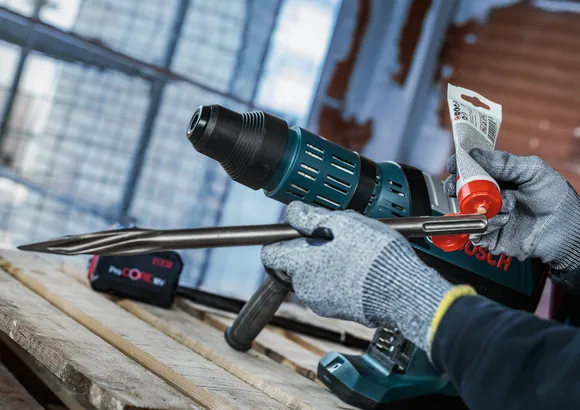
Credit: www.bosch-professional.com
Maintenance Tips For Longevity
Lubricating power hammers is key to keeping them working well. Regular care helps parts last longer and reduces repair costs.
Good lubrication stops wear and tear. It also keeps the machine running smoothly and safely.
Regular Inspection Schedules
Check your power hammer often to find problems early. Inspections help spot parts that need oil or repair.
Look at bearings, joints, and moving parts. Apply lubricant where metal rubs metal to prevent damage.
- Inspect before every use
- Check oil levels weekly
- Look for leaks or rust monthly
Storage And Environmental Considerations
Store power hammers in dry, clean places. Moisture causes rust and dirt can block moving parts.
Keep the machine covered if not used for days. Avoid extreme temperatures to protect seals and lubricants.
- Use dust covers or tarps
- Keep away from water sources
- Store indoors or in sheltered areas
Record Keeping And Logs
Write down all lubrication and maintenance activities. Logs help track when parts were oiled or replaced.
Records show patterns that guide future care. They help avoid missed lubrication and unexpected failures.
- Note dates of inspections and oiling
- List parts lubricated and type of oil used
- Record any repairs or replacements
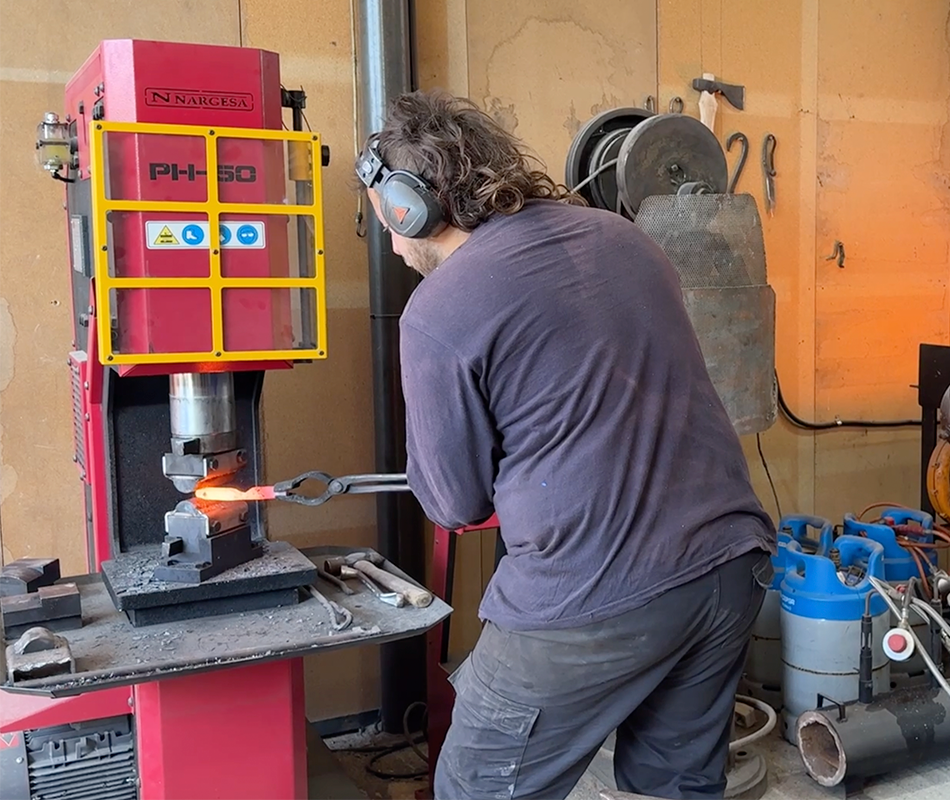
Credit: nargesa.com
Frequently Asked Questions
How Often Should I Lubricate Power Hammers?
Lubricate power hammers after every 20 hours of use. Regular lubrication prevents wear and keeps the machine running smoothly. Check your manual for specific intervals.
What Type Of Lubricant Is Best For Power Hammers?
Use high-quality oil or grease designed for heavy machinery. Avoid using general-purpose oils, as they may not provide sufficient protection.
Can Improper Lubrication Damage Power Hammers?
Yes, improper lubrication causes friction and wear, reducing machine lifespan. Always follow manufacturer guidelines for lubrication types and frequency.
How Do I Lubricate Hard-to-reach Parts On Power Hammers?
Use a grease gun with a flexible nozzle or oil applicator. This ensures thorough lubrication of tight or hidden components.
Conclusion
Keeping your power hammer well-lubricated helps it run smoothly. Regular oiling stops parts from wearing out too fast. Use the right lubricant and follow the machine’s guide. Small efforts save big repair costs later. Clean old grease before adding new oil.
Check the hammer often to catch problems early. Well-maintained tools work better and last longer. Take care of your power hammer, and it will serve you well. Simple steps make a big difference in its performance.