Keeping your table saw running smoothly is key to getting clean, precise cuts every time. But if your saw starts to stick or make strange noises, it could be time to lubricate its components.
You might think this is a complicated task, but with the right steps, you can easily do it yourself and save both time and money. In this guide, you’ll discover exactly how to lubricate your table saw components the right way—helping your tool last longer and work better.
Ready to make your saw feel like new again? Let’s dive in.
Choosing The Right Lubricant
Lubricating your table saw keeps it running smoothly. Picking the right lubricant is key. The wrong one can cause damage or poor performance.
Different parts need different lubricants. Knowing what type to use helps your saw last longer and work better.
Types Of Lubricants For Table Saws
You can choose from oil-based, dry, and grease lubricants. Each type works best on certain saw parts.
- Oil-based lubricants:These reduce friction well and protect from rust.
- Dry lubricants:These do not attract dust or dirt, good for clean environments.
- Grease lubricants:Thicker and stay longer on parts that move slowly.
Use oil for the blade arbor and gears. Dry lubricants fit the table surface or tracks. Grease works on bearings and bushings.
Benefits Of Dry Vs. Wet Lubricants
Dry and wet lubricants have different benefits. Knowing these helps you choose the best one for your table saw.
Dry lubricants keep saw surfaces clean. They do not attract dust or sawdust. This keeps your workspace tidy.
Wet lubricants like oil protect metal parts from rust. They also reduce friction well. But they can attract dust if overused.
- Dry lubricants:Stay clean, good for sliding parts, no mess
- Wet lubricants:Better rust protection, good for gears and bearings
Preparing The Table Saw For Lubrication
Lubricating your table saw helps it work smoothly and last longer. Before you apply lubricant, prepare your saw carefully. This keeps the process safe and effective.
Start by cleaning the saw and taking safety steps. These tasks remove dirt and protect you while working.
Cleaning Dust And Debris
Dust and debris can block moving parts and stop lubricant from working well. Clean your table saw fully before lubrication.
- Unplug the saw from power.
- Use a brush or vacuum to remove dust from all surfaces.
- Wipe down the table and blade guard with a dry cloth.
- Check inside the motor housing and clean if needed.
- Remove sawdust from rails and gears carefully.
Safety Precautions Before Lubricating
Safety is key when working with tools. Follow these rules to protect yourself and your saw during lubrication.
| Precaution | Description |
|---|---|
| Disconnect Power | Always unplug the saw to stop accidental starts. |
| Wear Safety Gear | Use gloves and eye protection to avoid injury. |
| Use Proper Lubricant | Choose the correct lubricant for your saw parts. |
| Work in a Clean Area | Keep your workspace tidy to avoid slips and mistakes. |
| Follow Manual Instructions | Read the saw’s manual for specific lubrication steps. |
Lubricating Key Components
Keeping your table saw running smoothly needs regular lubrication. Lubrication reduces friction and wear on moving parts.
Focus on parts that move often or carry heavy loads. Proper lubrication helps your saw last longer and work better.
Blade Arbor And Bearings
The blade arbor spins the saw blade and needs clean bearings. Lubricate the bearings to keep the blade turning freely.
Use light machine oil or grease made for bearings. Avoid over-lubricating to prevent dirt buildup.
- Remove the blade before lubricating
- Apply oil to the bearing surfaces
- Spin the arbor to spread the lubricant evenly
- Wipe off any excess oil
Trunnions And Elevation Mechanisms
Trunnions hold the blade angle and height. The elevation mechanism lifts or lowers the blade. Both need smooth movement.
Use grease on metal parts that slide or rotate. This keeps the adjustments easy and precise.
- Clean dirt and old grease from the parts
- Apply a thin layer of grease on pivot points and gears
- Move the blade up and down to spread the grease
- Check for any stiff spots and add more grease if needed
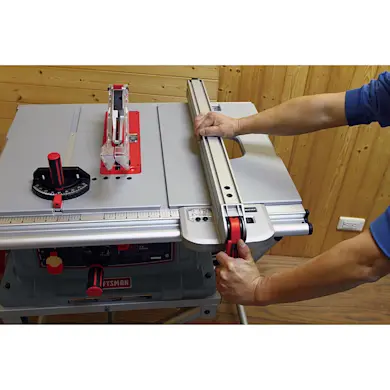
Fence Rails And Guides
The fence rails and guides keep your cuts straight. They slide back and forth and need light lubrication.
Use dry lubricant or silicone spray to avoid sticky buildup. This keeps the fence moving smoothly without attracting dust.
- Clean rails and guides before applying lubricant
- Spray or wipe on a thin layer of dry lubricant
- Slide the fence several times to spread the lubricant
- Wipe off any extra to prevent dust collection

Credit: www.youtube.com
Frequency And Maintenance Tips
Keeping your table saw parts well-lubricated helps the machine run smoothly. Regular lubrication stops parts from wearing out fast.
Knowing how often to lubricate and what to check can save you time and money. Follow simple tips to keep your saw in good shape.
Signs Your Table Saw Needs Lubrication
Your table saw shows clear signs when it needs lubrication. Watch for these signs to avoid damage and keep it working well.
- Squeaking or grinding noises during operation
- Blade movement feels stiff or jerky
- Parts look dry or dusty without any oil
- Machine vibrates more than usual
- Rust or corrosion appears on metal parts
If you notice any of these, apply lubricant soon. Delaying can cause parts to break or wear out faster.
Establishing A Lubrication Schedule
Create a regular plan to lubricate your table saw. This keeps the machine in good condition and extends its life.
How often you lubricate depends on how much you use the saw and the type of work you do. Light users may only need to lubricate a few times a year.
- Check and lubricate moving parts every 3 months if you use the saw weekly
- Lubricate after heavy or dusty jobs
- Apply lubricant to the blade arbor, gears, and trunnions
- Clean old grease and dirt before applying new lubricant
- Use the right lubricant made for power tools
Mark your calendar or write notes to remind yourself. Regular care keeps your table saw safe and efficient.
Common Mistakes To Avoid
Lubricating your table saw parts is important for smooth work. But some mistakes can damage your tool. Avoid these errors to keep your saw in good shape.
This guide covers two common errors: putting too much lubricant on parts and using the wrong products.
Over-lubricating Parts
Adding too much lubricant can cause dirt and dust to stick. This can slow the saw or cause parts to wear faster. Use only the needed amount on each part.
- Use a small amount of lubricant on moving parts.
- Wipe off any extra to stop buildup.
- Check the manual for recommended amounts.
- Do not coat parts in thick layers.
- Clean old lubricant before applying new.
Using Incompatible Products
Not all lubricants work well with table saw parts. Using the wrong type can cause damage or poor performance. It is best to choose lubricants made for power tools.
| Type of Lubricant | Use | Not Recommended For |
| Silicone spray | Protects metal parts from rust | Do not use on belts or plastic parts |
| WD-40 | Good for cleaning and light lubrication | Not for heavy or long-term lubrication |
| Grease | Use on gears and bearings | Too thick for saw blades or guides |
| Oil (light machine oil) | Lubricates moving parts smoothly | Avoid thick oils that attract dust |
Credit: www.searspartsdirect.com
Credit: www.familyhandyman.com
Frequently Asked Questions
How Often Should I Lubricate Table Saw Components?
Regular lubrication is crucial for optimal performance. Lubricate your table saw components every three months or whenever you notice increased friction or noise. This routine maintenance will extend the life of your saw and ensure smooth operation, reducing wear and tear on moving parts.
What Type Of Lubricant Is Best For Table Saws?
Use a dry spray lubricant or silicone-based lubricant for table saws. These lubricants reduce friction without attracting dust or debris. Avoid using oil-based lubricants, as they can collect dust and impair the saw’s performance over time. Ensure compatibility with your saw’s materials before applying.
Can I Use Wd-40 On My Table Saw?
While WD-40 can provide temporary lubrication, it’s not ideal for table saws. It attracts dust and can build up over time. Use a dry lubricant or silicone-based spray instead. These options provide lasting lubrication without creating a sticky residue, ensuring your saw runs smoothly and efficiently.
Which Table Saw Parts Need Lubrication?
Focus on lubricating the trunnions, arbor bearings, and elevation gears of your table saw. These parts experience the most friction and benefit significantly from regular lubrication. Keeping these components well-lubricated enhances performance, reduces noise, and extends the lifespan of your saw.
Conclusion
Keeping your table saw parts well lubricated helps them run smoothly. Regular oiling stops rust and wear. It also makes cutting safer and easier. Use the right lubricant for each part. Clean the parts before applying oil. Take time to do this often.
Your saw will last longer and work better. Simple care saves you money and time. A little effort goes a long way. Keep your saw ready for any project.