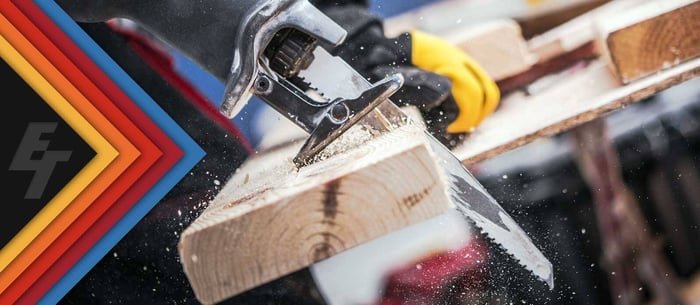
Imagine you’re in the middle of a home renovation project. You’ve got your tools laid out, and there it is—your trusty reciprocating saw.
This powerful tool is a favorite for many DIY enthusiasts and professionals alike, thanks to its versatility and efficiency. But here’s the thing: if you want it to perform at its best and last for years, proper maintenance is essential.
In this guide, we’ll show you simple, yet effective ways to keep your reciprocating saw in top shape. You’ll learn the secrets to extending its lifespan, ensuring it cuts smoothly every time, and saving money on repairs. Ready to discover how you can make your saw work like new every time you pick it up? Let’s dive in and unleash the full potential of your tool!

Credit: www.ezarctools.com
Choosing The Right Reciprocating Saw
Picking the right reciprocating saw makes your work easier and safer. You need to know what features fit your tasks best.
This guide helps you understand the main types and power options of reciprocating saws.
Types And Features
Reciprocating saws come in several types. Each has features that suit different jobs.
- Compact saws:Light and easy to use in tight spaces.
- Heavy-duty saws:Strong motors for cutting thick materials.
- Variable speed saws:Control speed for different materials.
- Orbital action saws:Move the blade in a circular motion for faster cuts.
Look for features like comfortable grips and easy blade changes. These improve your control and safety.
Power Sources
Reciprocating saws can use different power sources. Each type has pros and cons.
| Power Source | Advantages | Disadvantages |
| Electric (corded) | Unlimited run time, consistent power | Needs nearby outlet, limits movement |
| Battery (cordless) | Portable, easy to use anywhere | Limited run time, heavier weight |
| Hydraulic | Very powerful, used for industrial jobs | Expensive, requires special setup |

Credit: www.ezarctools.com
Routine Cleaning Practices
Keeping a reciprocating saw clean helps it work better and last longer. Dirt and dust can slow down the saw and cause damage.
Regular cleaning prevents buildup and keeps the tool safe to use. Focus on removing debris and cleaning the blade and housing.
Removing Debris
Debris like sawdust and small wood chips can get stuck in the saw’s moving parts. This buildup reduces performance and may cause the saw to jam.
- Unplug the saw before cleaning.
- Use a soft brush to sweep away dust and debris.
- Blow out tight spots with compressed air if available.
- Check the blade clamp for trapped material and clear it out.
- Wipe the exterior with a dry cloth to remove dust.
Cleaning The Blade And Housing
Cleaning the blade and housing keeps the saw cutting smoothly and prevents rust. Dirt on the blade can make cuts rough and uneven.
| Cleaning Task | Tools Needed | Tips |
| Blade Cleaning | Cloth, mild detergent, water | Remove blade first. Wipe gently and dry fully. |
| Housing Cleaning | Soft brush, dry cloth | Do not use water inside housing. Brush dust away carefully. |
| Lubrication | Light machine oil | Apply oil to moving parts after cleaning to prevent rust. |
Lubrication And Parts Care
Keeping your reciprocating saw in good shape helps it last longer. Lubrication and parts care are important for smooth operation.
Regular attention to moving parts and the blade clamp keeps the saw working safely and efficiently.
Oiling Moving Parts
Oiling the moving parts reduces friction and wear. It helps the saw run smoothly during use.
Use light machine oil or a lubricant recommended by the saw’s manufacturer. Apply oil to areas where metal parts move against each other.
- Clean dust and debris before oiling
- Apply oil sparingly to avoid buildup
- Focus on pivot points and joints
- Wipe off excess oil with a cloth
Maintaining The Blade Clamp
The blade clamp holds the blade tightly while cutting. Keep it clean and free from rust or dirt.
Inspect the clamp regularly. Remove any buildup with a brush or cloth. Apply a small amount of oil to keep it moving smoothly.
- Check for damage or wear on the clamp
- Tighten screws and bolts if loose
- Replace worn parts promptly
- Keep the clamp dry after oiling
Inspecting And Replacing Blades
Keeping your reciprocating saw blades in good shape helps you work safely and efficiently.
Regular inspection and timely replacement of blades are important parts of tool maintenance.
Signs Of Wear
Look for these signs to know when a blade needs replacement:
- Blade teeth are dull or missing
- Blade bends or warps during use
- Cutting speed slows down noticeably
- Excessive vibration while cutting
- Blade shows rust or corrosion
Choosing Replacement Blades
Pick the right blade based on the material you cut and the type of cut you need.
| Material | Recommended Blade Type | Tooth Count |
| Wood | High-carbon steel (HCS) | 6-10 TPI (teeth per inch) |
| Metal | Bi-metal blades | 18-24 TPI |
| Plastic | Carbide-tipped blades | 10-14 TPI |
| Masonry | Tungsten carbide grit blades | Not applicable |
Battery And Power Maintenance
Keeping your reciprocating saw’s battery and power system in good shape is important. Proper care helps the saw work longer and stay reliable.
Regular checks and good habits prevent battery problems and keep power steady during use.
Charging Tips
Charge the battery fully before the first use. Avoid letting the battery drain completely before charging it again.
Use the charger that came with your saw. Different batteries need different chargers.
- Charge batteries at room temperature, not too hot or cold.
- Remove the battery from the saw while charging.
- Do not leave the battery on the charger for days after it is full.
- Charge the battery regularly, even if you do not use the saw often.
Storage Guidelines
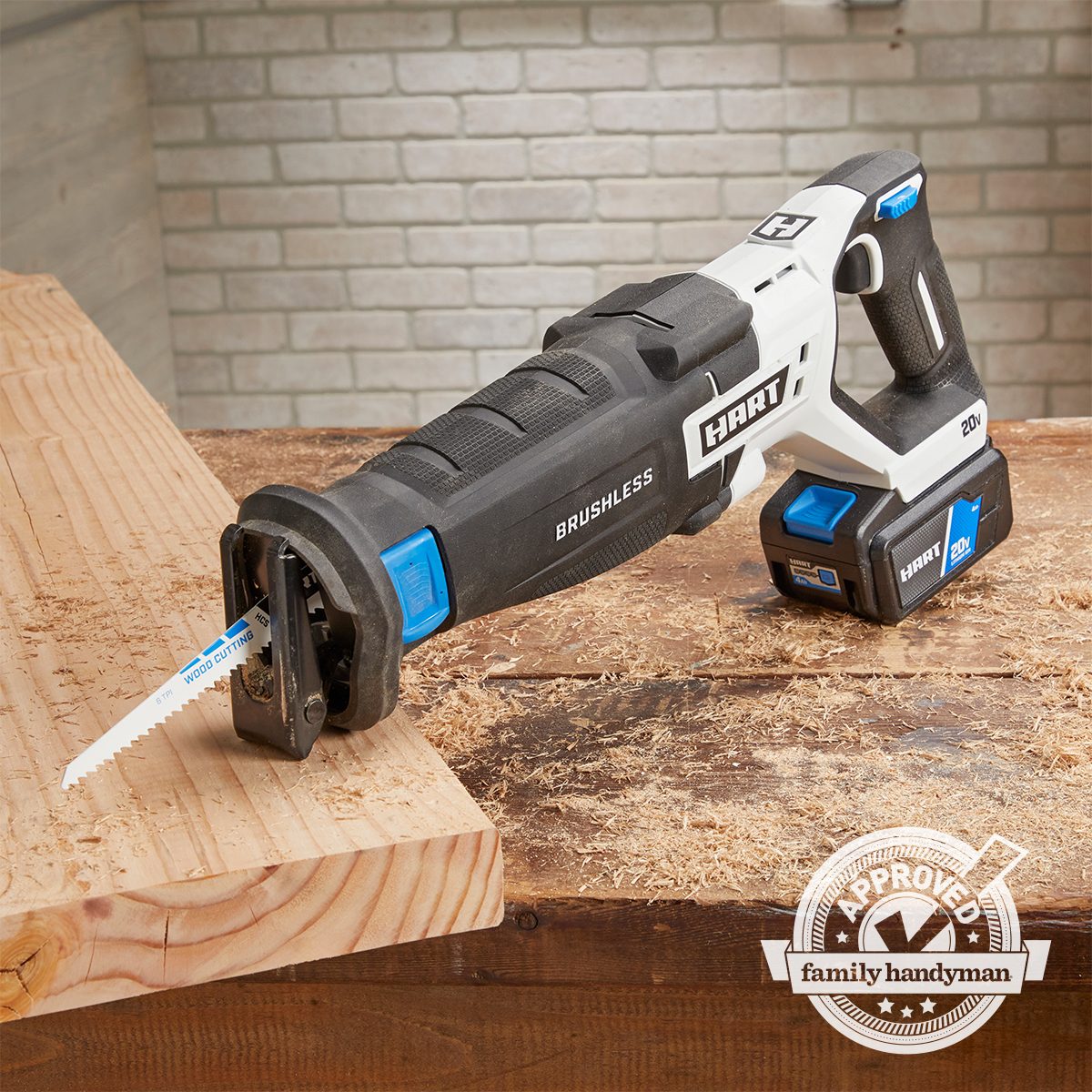
Store the battery in a cool, dry place away from direct sunlight. Heat can damage the battery.
If you will not use the saw for a while, remove the battery. Check the battery charge every month and recharge if needed.
- Keep the battery away from metal objects to avoid short circuits.
- Store batteries partially charged, around 40-60% capacity.
- Avoid freezing temperatures during storage.
- Use original battery cases or protective covers for storage.
Credit: www.familyhandyman.com
Safe Storage Solutions
Keeping your reciprocating saw in good shape needs safe storage. Proper storage stops damage and keeps the tool ready to use.
Good storage also protects the saw from dirt and accidents. It helps you find the tool fast when you need it.
Protecting From Moisture
Moisture can cause rust and damage the saw parts. Store the saw in a dry place to avoid this problem.
Use a sealed plastic case or a toolbox with a tight lid. These keep moisture away and stop dust from settling on the saw.
- Choose a dry, cool storage area
- Use silica gel packs to absorb moisture
- Keep the saw clean and dry before storing
- Check storage area for leaks or dampness
Organizing Accessories
Keep blades and other accessories sorted to avoid loss and damage. Organizing helps you work faster and safer.
Use small containers or trays to separate different blade types and sizes. Label them clearly for quick access.
- Store blades in protective cases
- Keep accessories in one place
- Label containers for easy identification
- Clean accessories before storage
Troubleshooting Common Issues
Maintaining a reciprocating saw helps it work well for a long time. Some issues may happen during use. Knowing how to fix common problems saves time and money.
This guide covers how to handle unusual noises and drops in performance. Follow these tips to keep your saw running smoothly.
Unusual Noises
Strange sounds can mean parts are worn or loose. Listen carefully to find the problem before it gets worse.
Common causes include loose screws, worn bearings, or debris inside the saw. Check these areas first to fix the noise.
- Tighten all screws and bolts
- Clean dust and debris from the motor and blade area
- Inspect bearings for wear and replace if needed
- Make sure the blade is installed correctly
Performance Drops
Your saw may cut slower or struggle under load if performance drops. This can happen from dull blades or motor issues.
Check the blade condition and power supply. Clean or replace parts to restore full power and cutting speed.
- Replace dull or damaged blades
- Clean the air vents to avoid overheating
- Check the power cord for damage
- Inspect the motor brushes and replace if worn
- Lubricate moving parts as recommended by the manual
Frequently Asked Questions
How Often Should I Clean My Reciprocating Saw?
Clean your reciprocating saw after every use. Remove dust, debris, and sawdust to prevent damage. Regular cleaning ensures smooth operation and extends tool life.
What Lubricant Is Best For Reciprocating Saw Maintenance?
Use light machine oil or a specialized power tool lubricant. Apply it to moving parts to reduce friction and wear. Avoid over-lubricating as it can attract dust.
How Can I Check If My Saw Blade Needs Replacing?
Inspect the blade for dullness, bending, or missing teeth. Replace the blade if cutting becomes slow or uneven. Using a sharp blade improves performance and safety.
Why Is Blade Alignment Important In A Reciprocating Saw?
Proper blade alignment prevents wobbling and uneven cuts. It also reduces stress on the motor and blade. Regularly check alignment for optimal cutting precision.
Conclusion
Maintaining your reciprocating saw keeps it working well for years. Clean the blade and check parts often. Oil moving parts to stop rust and wear. Store the tool in a dry place. Regular care saves money on repairs later. A well-kept saw cuts smoothly and safely.
Small steps make a big difference. Keep your saw ready for any job. Simple habits protect your investment and improve results.