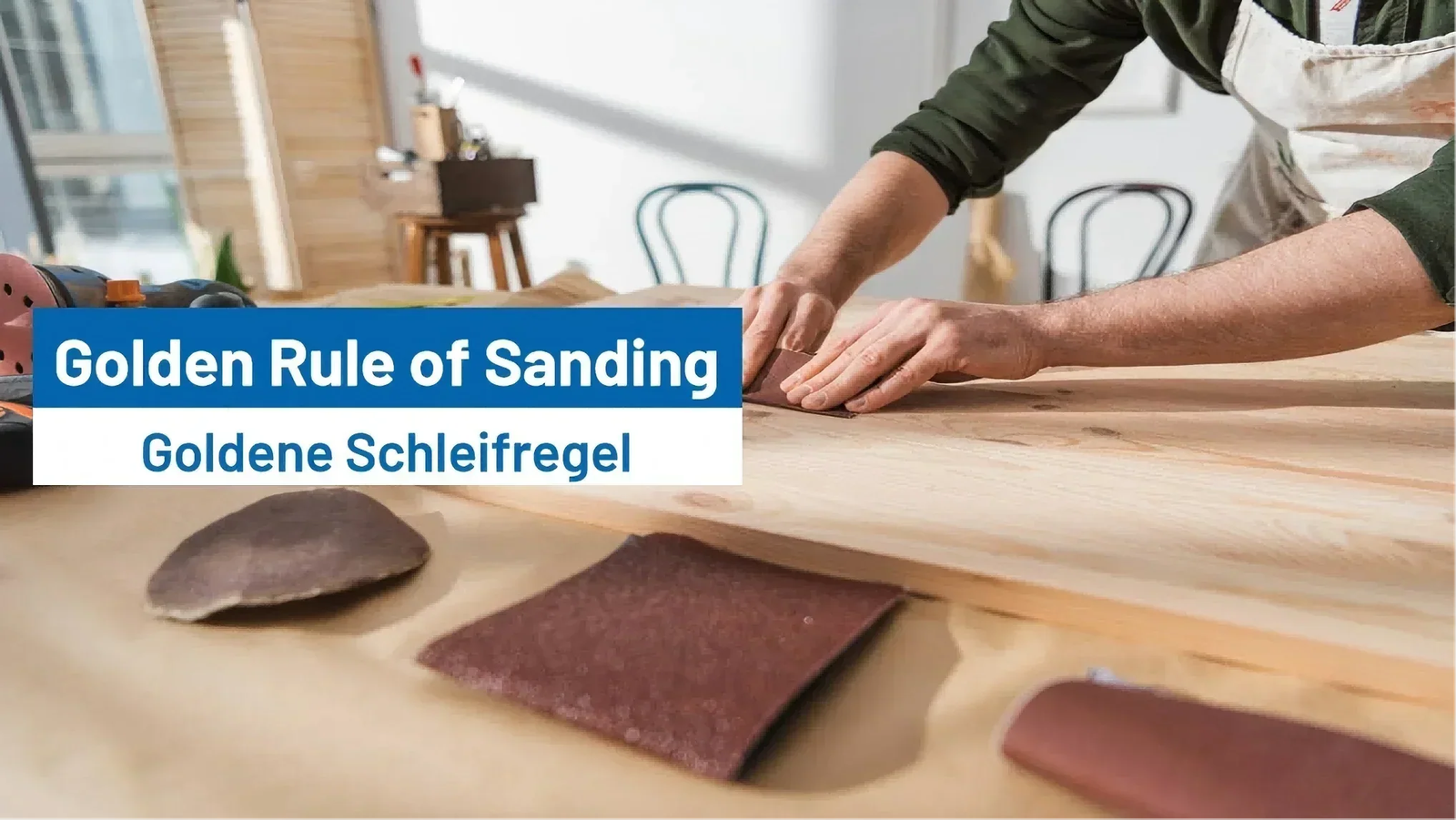
If you want your sanding projects to look smooth and professional, keeping your sanding block in top shape is key. You might think it’s just a simple tool, but how well you maintain it can make a big difference in your results.
Imagine spending hours sanding only to find uneven surfaces or wasted materials because your block isn’t working right. You’ll discover easy and effective ways to care for your sanding block. By following these tips, you’ll save time, get better finishes, and make your tools last longer.
Ready to take your sanding skills to the next level? Let’s dive in.
Choosing The Right Sanding Block
Picking the right sanding block makes your work easier. It helps you get smooth and even surfaces.
Not all sanding blocks are the same. You need to choose one that fits your project and lasts long.
Materials That Last
Good sanding blocks come in strong materials. These materials do not break or wear out fast.
Look for blocks made of rubber, foam, or wood. These options hold sandpaper well and resist damage.
- Rubber blocks are flexible and durable
- Foam blocks are soft and easy to grip
- Wood blocks are sturdy and long-lasting
Size And Shape Considerations
Choose a sanding block size that fits your hand. It should be comfortable to hold for long times.
Shapes vary by use. Flat blocks are good for large flat areas. Curved blocks work well on round surfaces.
- Small blocks reach tight spaces
- Large blocks cover big surfaces quickly
- Curved blocks shape rounded edges
- Flat blocks smooth flat wood or metal

Credit: binicabrasive.com
Cleaning Your Sanding Block
Keeping your sanding block clean helps it work better and last longer. Dirt and dust can reduce its grip and cause uneven sanding.
Regular cleaning removes build-up and keeps the surface smooth. This makes your sanding jobs easier and more effective.
Removing Dust And Debris
After sanding, dust and debris stick to the block surface. Removing these particles keeps the block from clogging.
Use your hands or a cloth to wipe off loose dust. Press gently to avoid pushing dirt deeper into the block.
- Tap the block lightly to shake off loose particles
- Use a dry cloth to wipe the surface clean
- Do not use water as it can damage some blocks
Using Compressed Air And Brushes
Compressed air works well to blow away dust stuck in hard-to-reach spots. It clears the block without touching the surface.
Soft brushes help remove stubborn debris. Use a brush with gentle bristles to avoid damaging the sanding surface.
- Hold the block firmly before using compressed air
- Use short bursts of air to avoid damaging the block
- Brush in one direction to lift debris off the surface
- Avoid harsh brushes that can scratch or wear the block
Storing Sanding Blocks Properly
Proper storage of sanding blocks extends their life and keeps them ready to use. This guide covers key tips for storing sanding blocks correctly.
Avoiding Moisture Damage
Moisture can ruin sanding blocks by causing them to swell or lose grit. Keep them dry and away from damp areas.
- Store sanding blocks in a dry container or box
- Avoid basements or garages with high humidity
- Use silica gel packets to absorb moisture
- Check blocks regularly for signs of dampness
Organizing For Easy Access
Organize sanding blocks by grit and size to find them quickly. Proper organization saves time and prevents damage.
| Organization Method | Benefit |
| Use labeled bins or drawers | Quick identification of sanding blocks |
| Keep similar grits together | Prevents mixing and damage |
| Store flat or on racks | Maintains shape and flat surface |
| Keep frequently used blocks in front | Easy access for daily tasks |

Credit: motorguard.com
Replacing Sandpaper Efficiently
Replacing sandpaper on a sanding block keeps your work smooth and even. It saves time and effort during sanding tasks.
Learn how to spot worn sandpaper and attach new sheets correctly for the best results.
Signs You Need New Sandpaper
Old sandpaper loses its roughness and stops sanding well. Check your sandpaper often for these signs:
- The paper feels smooth instead of rough.
- It clogs with dust and debris quickly.
- You see tears or holes on the paper surface.
- Sanding takes longer than usual.
- The finish looks uneven or scratched.
Attaching And Securing Sandpaper
Attach new sandpaper tightly to avoid slipping. Follow these steps to secure it properly:
- Cut sandpaper to fit the block size.
- Align the paper edges with the block edges.
- Wrap the paper around the block firmly.
- Use clamps or clips to hold the paper in place.
- Check that the paper is tight and flat.
| Tool | Purpose | Tip |
| Scissors | Cut sandpaper | Cut slightly larger for full coverage |
| Clamps or Clips | Secure sandpaper | Use strong clamps for a tight hold |
| Sandpaper Sheets | Replace worn paper | Choose grit based on sanding need |
Extending Sanding Block Life
Keeping your sanding block in good shape saves money and effort. Proper care helps it last longer and work better.
Simple habits can stop the block from wearing out fast. Learn how to keep it useful for many projects.
Rotating Sandpaper For Even Wear
Change the sandpaper position often. This spreads wear evenly across the whole sheet.
If you use one spot too much, the paper wears out fast there. Rotate or flip the paper to avoid this.
- Flip the sandpaper after each use
- Rotate the block to a fresh area
- Replace paper only when fully worn
Avoiding Excessive Pressure
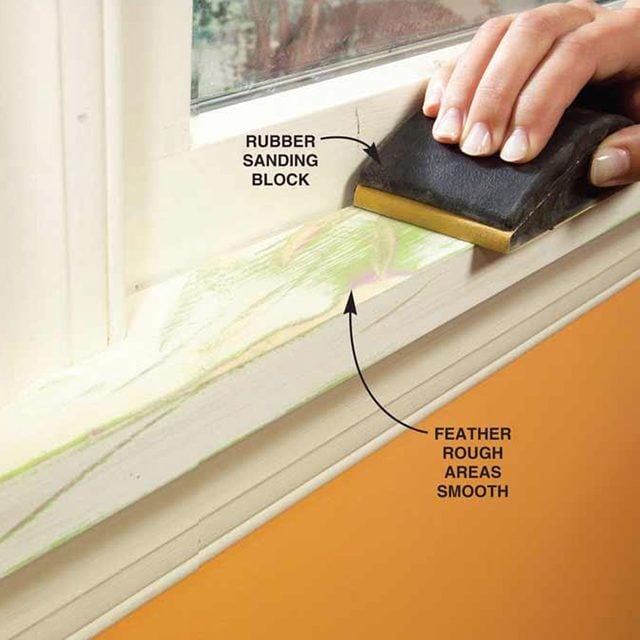
Pressing too hard wears out the sanding block and paper quickly. Use light, steady pressure instead.
Hard pressure can damage the block and make sanding uneven. Let the grit do the work for you.
- Hold the block firmly but gently
- Sand with smooth, even strokes
- Check your progress often to avoid over-sanding
Credit: www.familyhandyman.com
Frequently Asked Questions
How Often Should I Clean My Sanding Block?
Clean your sanding block after every use to remove dust and debris. This maintains its effectiveness and prolongs its lifespan. Use a brush or compressed air for thorough cleaning.
What Is The Best Way To Store Sanding Blocks?
Store sanding blocks in a dry, cool place away from moisture. Keep them in a sealed container or drawer to prevent dust buildup and damage.
Can I Reuse Sanding Blocks Multiple Times?
Yes, you can reuse sanding blocks until the abrasive surface wears out. Proper cleaning and storage help extend their usability.
How Do I Replace Sandpaper On A Sanding Block?
Remove the old sandpaper by peeling it off gently. Cut new sandpaper to size and securely attach it to the block for smooth sanding.
Conclusion
Caring for your sanding block ensures better performance and durability. Clean it regularly with a brush or cloth. Store it in a dry place to avoid moisture damage. Replace worn sandpaper to maintain effectiveness. Use gentle pressure to prevent unnecessary wear.
By following these steps, your sanding block will remain a reliable tool. It will help you achieve smooth, polished surfaces every time. A little maintenance goes a long way in keeping your projects looking their best. Happy sanding!