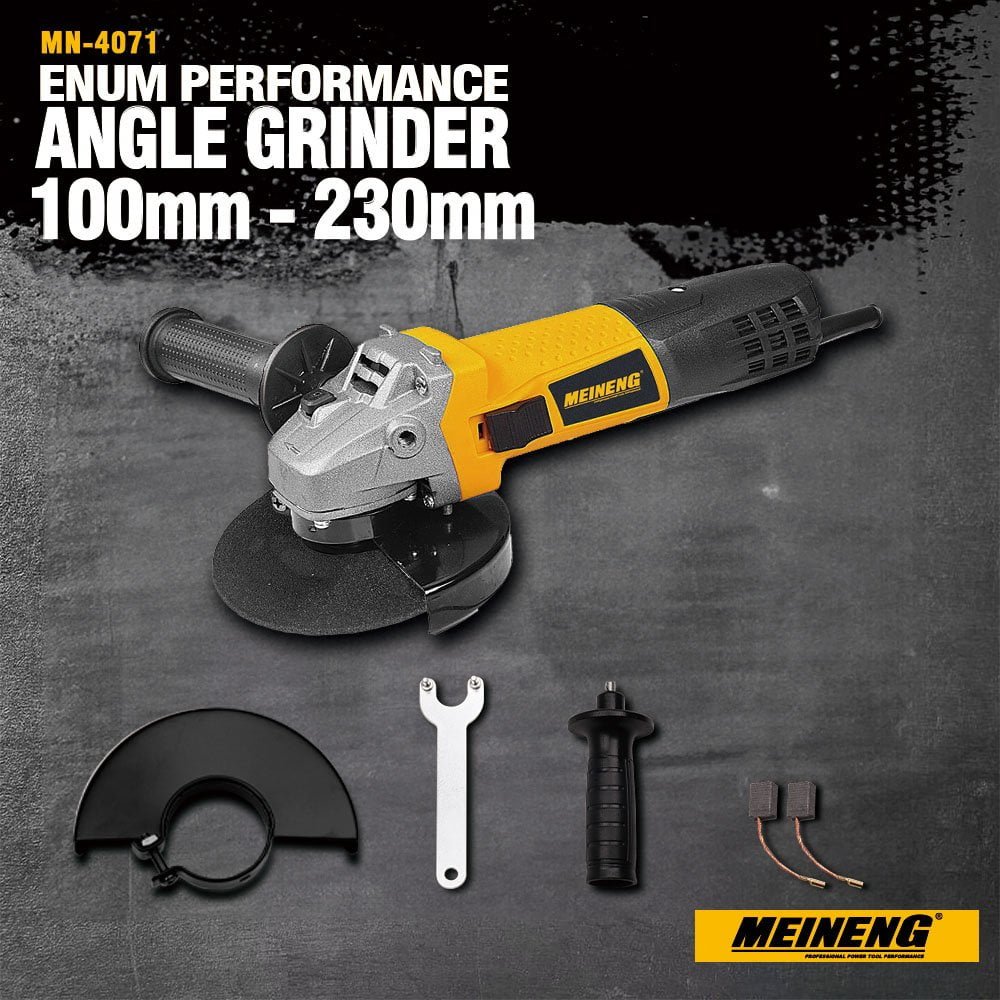
If you’ve ever used an angle grinder, you know it’s a powerhouse tool that can tackle a variety of tasks. From cutting and grinding to polishing, its versatility is unmatched.
But to keep it performing at its best, regular maintenance is key. Are you taking the right steps to ensure your angle grinder is in top shape? Neglecting proper care can lead to decreased efficiency or even accidents. In this guide, you’ll discover simple yet effective maintenance tips that will prolong the life of your tool and keep it running smoothly.
Dive in and learn how to care for your angle grinder like a pro, ensuring every project you tackle is a success.
Choosing The Right Angle Grinder
Selecting the right angle grinder helps you work safely and efficiently. It also makes maintenance easier.
Think about the job you will do and the grinder features. This guides you to the best choice.
Types Of Angle Grinders
Angle grinders come in different sizes and power types. Each type fits certain jobs and materials.
Electric, cordless, and pneumatic grinders are common. Electric grinders work well for most tasks.
- Electric grinders:Plug into power, good for heavy work.
- Cordless grinders:Battery-powered, offer freedom of movement.
- Pneumatic grinders:Use air pressure, often in industrial settings.
- Mini grinders:Smaller, for detail work and tight spaces.
Key Features To Consider
Look for features that match your needs. This helps keep your angle grinder working well.
Check power, size, safety, and ease of maintenance before buying.
- Power:Higher watts or amps mean stronger performance.
- Disc size:Larger discs cut bigger areas but need more space.
- Safety features:Guards and switches protect you from accidents.
- Weight:Lighter grinders reduce fatigue during long use.
- Ergonomics:Comfortable grips make handling easier.
- Brush access:Easy access helps with motor brush maintenance.
Regular Cleaning Techniques
Keeping your angle grinder clean helps it work better and last longer. Dust and dirt can build up inside the tool. Regular cleaning stops damage and keeps the grinder safe to use.
Use simple cleaning steps often. This prevents problems and keeps your tool ready for any job.
Removing Dust And Debris
Dust and debris gather on the grinder after use. This can block moving parts and cause wear. Remove dust to keep the grinder running smoothly.
Use a soft brush or compressed air to clean the outside and inside. Wipe the tool with a dry cloth to remove loose dirt.
- Unplug the grinder before cleaning
- Use a soft brush to remove dust from the surface
- Blow compressed air into cracks and crevices
- Wipe with a dry cloth to remove remaining dirt
Cleaning The Air Vents
Air vents cool the grinder’s motor. Dust can block these vents and cause overheating. Clean vents often to protect the motor.
Use a brush or compressed air to clear the vents. Make sure no dirt stays inside. Avoid using water to clean vents.
- Turn off and unplug the grinder
- Brush dust from air vents gently
- Use compressed air to clear blocked vents
- Check vents regularly for dust build-up
Inspecting And Replacing Parts
Regular inspection and replacement of parts keep your angle grinder safe and effective. This guide covers key steps to check and change essential components.
Paying attention to these details helps avoid accidents and extends the tool’s life. Always use the right parts made for your grinder model.
Checking The Grinding Wheel
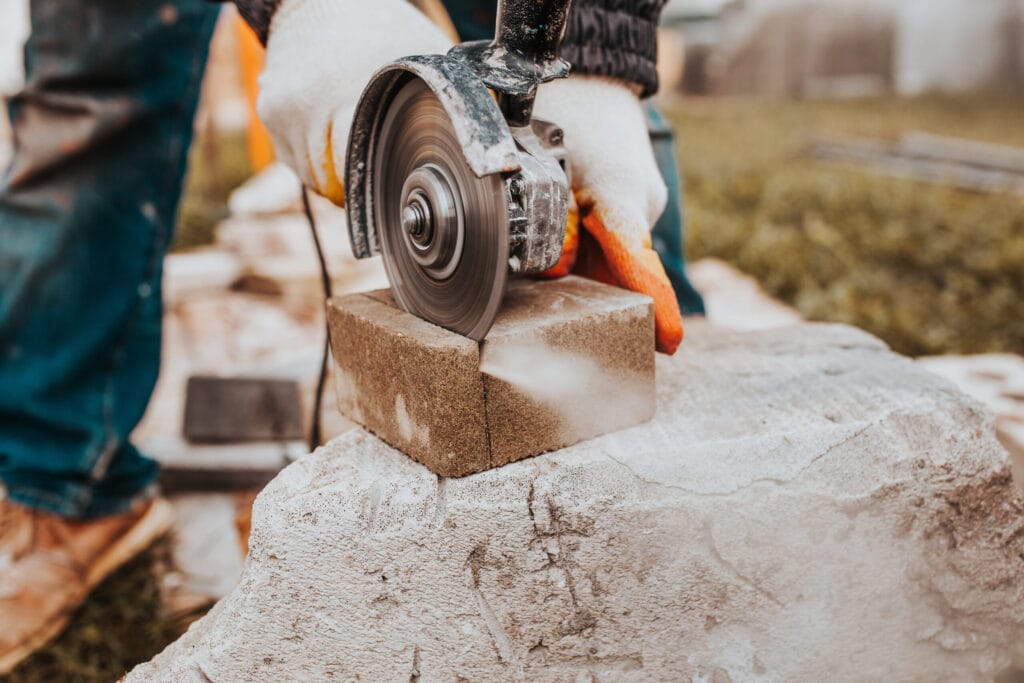
Inspect the grinding wheel before each use. Look for cracks, chips, or uneven wear on the surface. A damaged wheel can break during operation and cause injury.
- Make sure the wheel is tight and secure on the spindle.
- Check that the wheel matches the grinder’s speed rating.
- Look for dust or debris between the wheel and guard.
- Replace the wheel if you see any damage or if it is worn thin.
Replacing Worn Out Components
Changing worn parts keeps the grinder running smoothly. Use parts recommended by the manufacturer. Replace these common components as needed:
| Component | Signs to Replace | Replacement Tips |
| Grinding Wheel | Cracks, chips, or worn surface | Use the correct size and speed rating |
| Carbon Brushes | Short length or sparking motor | Replace with exact brush type for model |
| Guard | Cracks or damage | Install firmly and adjust properly |
| Power Cord | Frayed or exposed wires | Replace to avoid electrical hazards |
Credit: www.stonetoolshop.com
Proper Lubrication Practices
Keeping an angle grinder in good shape needs regular care. One key part is lubrication. It helps the tool run smoothly and last longer.
Without proper lubrication, parts can wear out fast. This guide explains how to lubricate your angle grinder correctly.
Lubricating The Bearings
The bearings in your angle grinder help the motor spin freely. They need grease to reduce friction and heat.
To lubricate, first unplug the grinder. Then, open the housing to access the bearings carefully. Apply grease evenly on the bearings. Avoid using too much grease as it can attract dirt.
- Use a clean cloth to remove old grease
- Apply a small amount of fresh grease
- Rotate the bearings to spread the grease
- Close the housing tightly before use
Using The Right Lubricants
Choosing the right lubricant helps protect your angle grinder parts. Not all greases work well for this tool.
Use lubricants made for electric tools or high-speed bearings. These stay stable at high temperatures and do not break down quickly.
- High-quality lithium-based grease is common
- Synthetic greases last longer in hot conditions
- Avoid heavy oils that can drip inside
- Check the user manual for lubricant type
Safe Storage Methods
Keeping your angle grinder safe helps it last longer. Proper storage stops damage and keeps it ready to use.
Store the tool in a clean, dry place. Avoid spots that can harm the grinder or cause accidents.
Protecting From Moisture
Moisture can cause rust and damage your angle grinder’s parts. Keep it away from water and damp areas.
Use a plastic case or waterproof cover to protect the tool. Wipe the grinder dry before storing it.
- Store in a dry room or toolbox
- Use silica gel packs to absorb moisture
- Avoid storing near sinks or outdoors
- Check for dampness regularly
Storing In A Secure Location
Keep your angle grinder in a locked or secure place. This prevents theft and stops children from reaching it.
Choose a spot that is stable and won’t fall. Store it with its safety guard and accessories properly attached.
- Use a locked cabinet or toolbox
- Keep it out of reach of children
- Place on a stable shelf or rack
- Store accessories together to avoid loss
Operational Tips For Longevity
Keeping your angle grinder in good shape helps it last longer. You can avoid damage by using it properly. Simple care steps improve its performance.
Focus on how you operate the tool. Small changes can stop problems before they start. Let’s look at key tips to keep your grinder working well.
Avoiding Overheating
Overheating wears out your angle grinder quickly. It can cause parts to break and the motor to fail. Watch your tool’s temperature and give it breaks.
- Use the grinder in short intervals to cool down
- Do not force the tool to cut too fast
- Keep the air vents clean and clear
- Check for worn brushes and replace if needed
- Use the right disc for the material you cut
Using The Correct Speed Settings
Different materials need different speeds. Using the correct speed protects your grinder and makes your work easier. Adjust speed for best results.
| Material | Recommended Speed (RPM) |
| Metal | 6,000 – 10,000 |
| Wood | 3,000 – 6,000 |
| Plastic | 4,000 – 7,000 |
| Stone | 5,000 – 8,000 |
Troubleshooting Common Issues
Angle grinders are useful tools but can face problems during use. Knowing how to fix common issues saves time and money.
This guide covers how to handle unusual noises and power loss problems. Follow these tips to keep your angle grinder working well.
Dealing With Unusual Noises
Strange sounds often mean parts need cleaning or repair. Some noises can signal serious damage if ignored.
- Check the grinding wheel for cracks or damage.
- Clean dust and debris from the tool’s vents and moving parts.
- Tighten loose screws or fasteners.
- Inspect the bearings for wear or damage.
- Replace worn brushes that may cause rattling sounds.
Handling Power Loss Problems
Power loss reduces the tool’s efficiency and can stop your work. Find the cause before using the grinder again.
| Possible Cause | Solution |
| Damaged power cord | Replace the cord or repair exposed wires |
| Worn carbon brushes | Replace brushes to restore contact |
| Blocked air vents | Clean vents to prevent overheating |
| Faulty switch | Test and replace if needed |
| Motor issues | Consult a professional for motor repair |

Credit: www.gz-supplies.com

Credit: extoltools.com
Frequently Asked Questions
How Often Should I Clean My Angle Grinder?
Clean your angle grinder after every use. Remove dust and debris from vents and surfaces. This prevents overheating and extends tool life.
What Type Of Lubricant Is Best For Angle Grinders?
Use a light machine oil or grease recommended by the manufacturer. Proper lubrication reduces friction and ensures smooth operation.
How Can I Check If The Angle Grinder’s Brushes Need Replacement?
Inspect carbon brushes every few months. Replace if worn below 1/4 inch to maintain motor efficiency and prevent damage.
Why Is Proper Wheel Installation Important For Maintenance?
Correct wheel installation ensures safety and optimal performance. Improper mounting can cause wobbling, damage, or accidents during use.
Conclusion
Regular care keeps your angle grinder working well and safe. Clean it after each use to stop dust build-up. Check the parts often and replace worn ones quickly. Use the right accessories to avoid damage. Store the tool in a dry place to prevent rust.
Small steps like these save money and time later. A well-kept angle grinder lasts longer and works better every day. Keep it sharp, clean, and ready for your next project. Simple habits make a big difference in tool life.