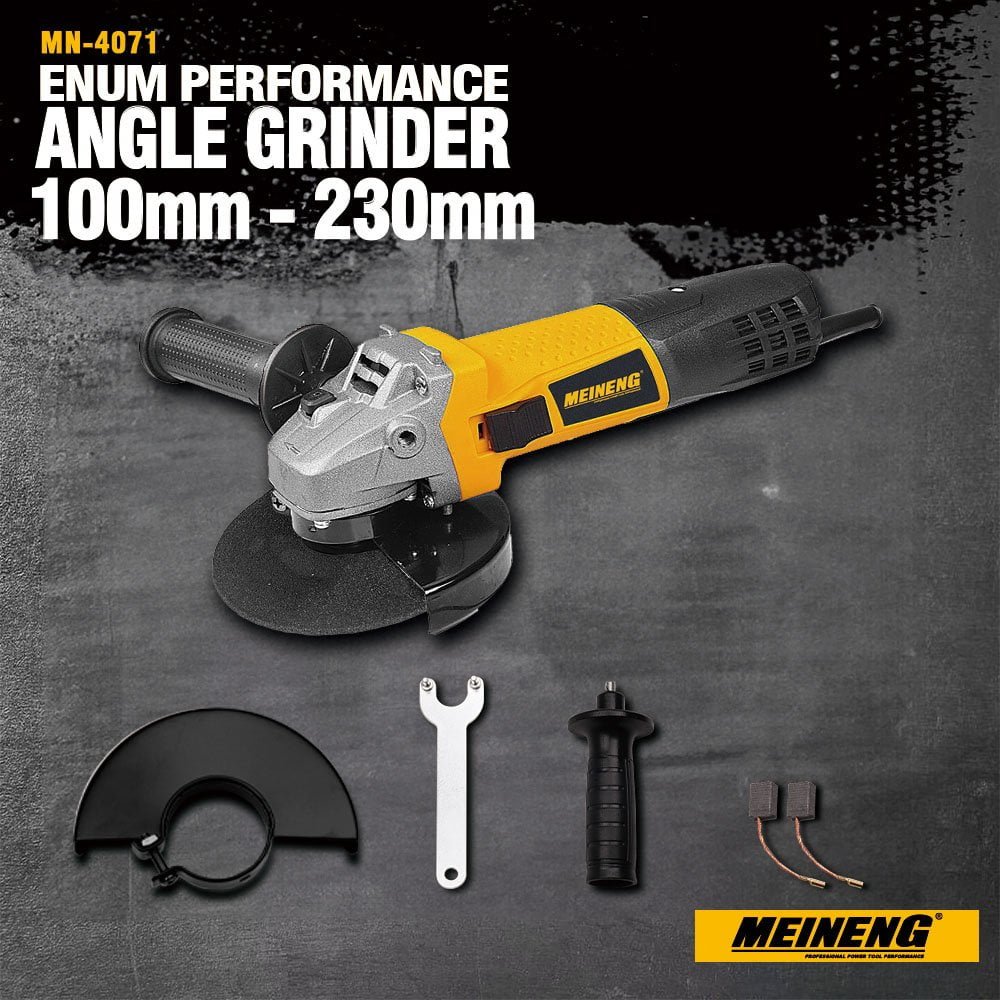
If you use an angle grinder regularly, you know how important it is to keep it working smoothly. When your tool runs well, your work gets done faster and safer.
But if it’s not maintained properly, it can break down or even cause accidents. You don’t want to waste time or money fixing problems that could be avoided. You’ll discover simple and effective ways to maintain your angle grinder. By following these tips, you’ll extend your tool’s life and get the best results every time you use it.
Keep reading to learn how to protect your investment and work smarter, not harder.

Credit: www.gz-supplies.com
Choosing The Right Angle Grinder
Choosing the right angle grinder is key to working safely and efficiently. The correct tool fits the task and reduces wear.
This guide covers types of angle grinders and how to select the right size and power for your needs.
Types Of Angle Grinders
Angle grinders come in different types based on power source and design. Knowing these helps you pick the best one.
- Electric Angle Grinders:Run on power cords or batteries. Good for most jobs.
- Air-Powered (Pneumatic) Grinders:Use compressed air. Ideal for long use and heavy-duty work.
- Right-Angle Grinders:Have a 90-degree head. Useful for tight spaces and detailed work.
- Straight Grinders:Have a straight body. Often used in metal shops and for pipe work.
Selecting The Correct Size And Power
Size and power affect how well the grinder handles different tasks. Choose based on the work type and material.
| Disc Size | Power Range | Common Use |
| 4 to 5 inches | 500 to 800 watts | Light grinding and polishing |
| 6 to 7 inches | 800 to 1500 watts | General purpose cutting and grinding |
| 9 to 10 inches | 1500 to 2200 watts | Heavy-duty grinding and cutting |
Essential Maintenance Tools
Keeping your angle grinder in good condition needs the right tools. Proper maintenance helps the tool last longer and work safely.
This guide covers cleaning supplies and replacement parts that you should have ready for smooth grinder care.
Cleaning Supplies
Cleaning your angle grinder removes dust and debris that can cause damage. Use these supplies for best results.
- Soft brush to clear dust from vents and motor
- Cloth or microfiber towel to wipe surfaces
- Compressed air canister to blow out hard-to-reach parts
- Isopropyl alcohol for cleaning electrical contacts
- Lubricant oil to keep moving parts smooth
Replacement Parts To Keep Handy
Having spare parts ready helps you fix your angle grinder quickly. Replace worn parts to keep it running well.
| Part | Purpose | Replacement Frequency |
| Grinding discs | Cutting and grinding material | When worn or damaged |
| Carbon brushes | Conduct electricity to the motor | Every 6 months or if sparking occurs |
| Flanges and nuts | Secure discs tightly | Check before each use |
| Power cord | Supply electricity to the tool | Replace if frayed or damaged |
Daily Care Practices
Maintaining your angle grinder each day helps it work well and last longer. Simple care routines prevent damage and keep the tool safe.
Focus on cleaning and checking your angle grinder after every use. This daily habit saves time and money on repairs.
Cleaning After Use
Remove dust and debris from the angle grinder after finishing your work. This keeps parts moving smoothly and avoids buildup.
- Unplug the tool before cleaning to avoid accidents.
- Use a dry cloth to wipe the surface and handle.
- Blow air into vents to clear dust inside the motor housing.
- Check and clean the grinding disc and guard.
- Store the grinder in a dry, dust-free place.
Inspecting For Wear And Damage
Look over your angle grinder every day to spot any worn or broken parts. Early detection stops bigger problems later.
| Part | What to Check | Action if Damaged |
| Grinding Disc | Cracks, chips, or uneven wear | Replace immediately |
| Power Cord | Frays or cuts | Stop use and repair |
| Switch | Proper on/off function | Service or replace |
| Guard | Secure and undamaged | Tighten or replace |
| Bearings | Unusual noise or vibration | Clean or replace |
Credit: www.familyhandyman.com
Lubrication And Cooling
Angle grinders need proper care to work well and last long. Lubrication and cooling are very important.
Good lubrication reduces wear. Cooling stops the tool from getting too hot.
Proper Lubrication Techniques
Use the right grease or oil for your angle grinder. Check the user manual for the correct type.
Apply lubrication to the moving parts regularly. This keeps the grinder running smoothly.
- Clean parts before applying grease
- Use a small amount to avoid dirt buildup
- Lubricate bearings and gears as needed
- Do not over-lubricate to prevent leaks
Preventing Overheating
Overheating can damage the grinder and cause accidents. Keep the tool cool during use.
Take breaks to let the grinder cool down. Avoid pressing too hard on the tool.
- Use the correct disc for the job
- Work in short intervals
- Keep vents clear of dust and debris
- Check cooling fans regularly
Replacing Discs And Accessories
Keeping your angle grinder in good condition means changing discs and accessories regularly. This helps the tool work safely and well. Knowing when and how to replace parts is important to avoid accidents and damage.
Below are two key points to focus on: recognizing signs that a disc needs replacing and following safe ways to change discs and accessories.
Identifying When To Replace
You should replace discs and accessories if they show any signs of wear or damage. Using worn parts can cause poor performance and increase the risk of injury.
- Cracks or chips on the disc surface
- Uneven or worn edges
- Rattling or loose accessories
- Disc diameter smaller than the tool’s minimum size
- Burn marks or discoloration on discs
- Accessories that do not fit securely on the grinder
Safe Replacement Procedures
Follow these steps to safely replace discs and accessories on your angle grinder. Proper care prevents accidents and keeps your tool working well.
- Unplug the grinder or remove the battery before starting.
- Use the correct wrench or tool to loosen the disc lock nut.
- Remove the old disc carefully, avoiding sharp edges.
- Check the new disc for damage before installing it.
- Place the new disc on the spindle, aligning it properly.
- Tighten the lock nut securely but avoid over-tightening.
- Wear safety gloves and goggles during the replacement process.
- Test the grinder at low speed to ensure the disc is stable.
Storage Tips For Longevity
Proper storage helps angle grinders last longer and work better. Keep them safe from damage and dirt. This guide shows how to store them well.
Good storage keeps parts clean and prevents rust. Follow simple rules for the best care of your tools.
Ideal Storage Conditions
Store angle grinders in a dry, cool place away from direct sunlight. Avoid areas with high heat or humidity.
- Keep tools off the floor to avoid moisture.
- Use sturdy shelves or cabinets for storage.
- Wrap cords neatly to prevent damage.
- Store accessories separately in labeled containers.
- Make sure the storage area is well-ventilated.
Protecting Against Moisture And Dust
Moisture and dust can harm angle grinders. Use covers and cases to protect them. Clean tools before storing.
| Protection Method | Details | Benefits |
| Plastic Case | Store grinder in a fitted plastic case. | Keeps dust and moisture out. |
| Silica Gel Packs | Place packs inside storage to absorb humidity. | Prevents rust and corrosion. |
| Clean Before Storage | Remove dust and debris after use. | Maintains tool performance. |
| Cover with Cloth | Use a breathable cloth cover if no case. | Protects from dust while allowing air flow. |
Troubleshooting Common Issues
Angle grinders need regular care to work well. Troubleshooting helps fix problems fast.
Knowing common issues saves time and keeps tools safe to use.
Handling Motor Problems
If the motor does not start or slows down, check the power source first. Loose wires or bad plugs can cause this.
Overheating motors need rest. Clean air vents often to stop dust build-up. Replace worn brushes to keep the motor strong.
- Check power cord and plug for damage
- Clean air vents regularly
- Replace motor brushes if worn out
- Let the motor cool if overheated
Fixing Unusual Vibrations
Vibrations can mean loose parts or worn bearings. Always unplug the grinder before fixing it.
Check the wheel or disc for cracks or damage. Tighten all screws and nuts to stop shaking. Replace parts if needed.
- Inspect grinding wheel for cracks
- Tighten all fasteners securely
- Replace worn bearings or parts
- Use the correct wheel for the job
Credit: www.stonetoolshop.com
Safety Practices During Maintenance
Maintaining an angle grinder safely is very important. Following safety practices helps avoid injuries.
Always focus on safety before starting any maintenance work on your grinder.
Using Protective Gear
Wear protective gear to keep yourself safe from sparks and debris. This gear protects your eyes, hands, and body.
Proper gear reduces the risk of cuts, burns, and other injuries during maintenance.
- Use safety goggles or a face shield to protect your eyes.
- Wear heavy-duty gloves to protect your hands.
- Put on long sleeves and pants to cover your skin.
- Use ear protection if noise levels are high.
Disconnecting Power Sources
Always unplug the angle grinder before starting maintenance. This stops it from turning on by mistake.
If you use a cordless grinder, remove the battery before working on it. This prevents electrical accidents.
- Unplug the grinder from the power outlet.
- Remove the battery pack if cordless.
- Check that the tool is completely off before maintenance.
- Use lockout/tagout if working in a shared space.
Frequently Asked Questions
How Often Should I Clean My Angle Grinder?
Regular cleaning is vital for optimal performance. Clean your angle grinder after each use to remove debris. Pay special attention to the vents and moving parts. This prevents dust accumulation and ensures smooth operation. Regular maintenance extends the tool’s lifespan and enhances safety during use.
What Lubricant Is Best For Angle Grinders?
Use a high-quality machine oil or grease for your angle grinder. Lubricating the moving parts reduces friction and wear. This ensures smoother operation and extends the tool’s lifespan. Follow the manufacturer’s guidelines for lubrication intervals and recommended products for best results.
How Can I Prevent Angle Grinder Overheating?
To prevent overheating, avoid overloading your angle grinder. Use the appropriate disc size and power settings for the task. Allow the grinder to rest between long operations. Regular cleaning of vents also helps maintain airflow, preventing overheating and ensuring efficient performance.
Why Is My Angle Grinder Making Unusual Noises?
Unusual noises can indicate a problem with your angle grinder. Check for loose or worn-out parts, such as bearings or brushes. Regular maintenance and timely replacement of worn components can prevent damage. If the issue persists, consult a professional for a detailed inspection and repair.
Conclusion
Maintaining angle grinders keeps them safe and working well. Clean the tool regularly to avoid dust build-up. Check parts often and replace worn pieces quickly. Use the right accessories for your grinder’s model. Store the tool in a dry, safe place.
These steps help your grinder last longer and work better. Simple care saves time and money. Keep your angle grinder ready for any job. Easy habits make a big difference in tool life.
