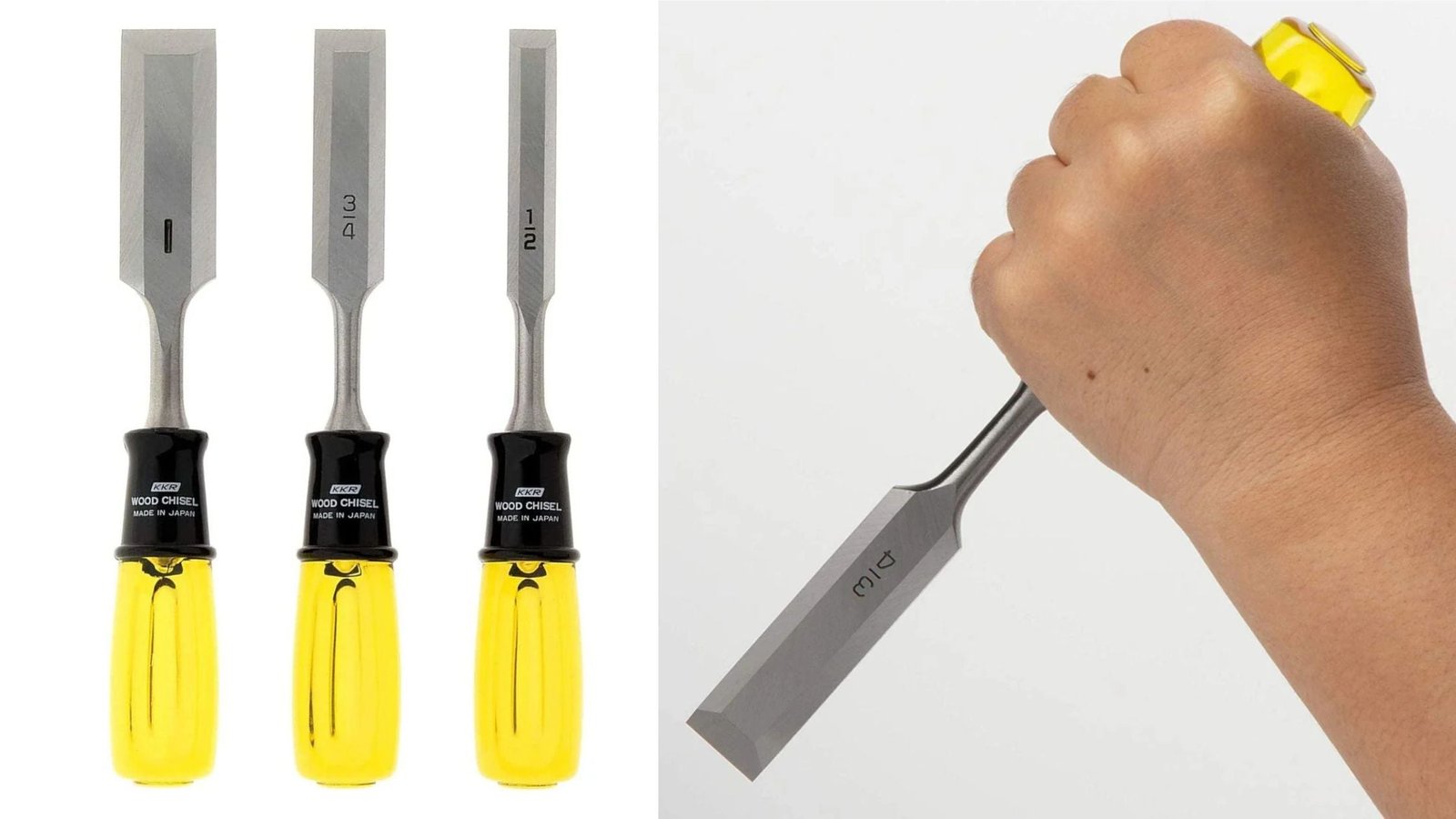
Are you tired of your chisel sets losing their edge just when you need them the most? Maintaining your chisels isn’t just about keeping them sharp; it’s about ensuring your tools last longer and perform better.
Whether you’re a seasoned woodworker or a DIY enthusiast, understanding how to care for your chisels can make a world of difference in your projects. Imagine gliding through wood with ease, each cut as precise as the last. That’s the power of well-maintained tools.
You’ll discover simple yet effective tips to keep your chisel sets in top-notch condition. Ready to unlock the secrets to extending the life and performance of your chisels? Let’s dive in!
Choosing The Right Chisel
Picking the right chisel is key to keeping your tools in good shape. The right chisel makes your work easier and safer.
Understanding the types and materials helps you select the best chisel for your needs.
Types Of Chisels
Chisels come in different shapes and sizes. Each type serves a special purpose in woodworking or metalwork.
- Bevel Edge: Good for detailed wood carving and trimming.
- Firmer: Strong and thick, used for heavy chopping.
- Mortise: Narrow blade for cutting square holes.
- Paring: Long and thin, used to shave thin wood layers.
- Corner: Designed for tight corners and angles.
Material And Quality Factors
Chisels made of high-quality steel last longer and stay sharp. Look for hardened steel blades.
Handles should be strong and comfortable. Wood and plastic handles are common choices.
- High-carbon steel holds sharp edges well.
- Chrome-vanadium steel offers rust resistance.
- Wood handles absorb shock but may wear out.
- Plastic handles are durable and resist moisture.
Proper Storage Techniques
Keeping your chisel sets in good shape means storing them the right way. Proper storage stops damage and keeps the chisels sharp.
Good habits protect your tools and help them last longer. Store chisels carefully to keep them ready for work.
Protecting The Edges
The sharp edges of chisels are easy to nick or dull. Protect these edges to keep the chisels effective.
Use edge guards or covers when storing chisels. This stops the blades from hitting hard surfaces or other tools.
- Wrap the edges with leather or plastic guards
- Store chisels separately in a wooden or foam-lined box
- Keep chisels in a rack that holds them securely
Avoiding Moisture Damage
Moisture can cause rust and damage metal parts of chisels. Keep chisels dry to avoid this problem.
Store chisels in a dry place with good air flow. Use silica gel packs or rust inhibitors to reduce moisture.
- Keep chisels away from damp areas like basements
- Wipe chisels dry before storing after use
- Use oil or wax on metal parts to prevent rust
Sharpening Basics
Keeping your chisel sets sharp makes your work easier and safer. Dull chisels can slip and damage your project.
Sharpening helps you keep a clean, sharp edge on your chisels for precise cuts every time.
Selecting The Right Sharpening Tools
Choose sharpening tools that suit your chisel type and skill level. Good tools make sharpening faster and better.
Common tools include sharpening stones, honing guides, and leather strops. Each tool helps create a sharp edge.
- Water stones: Easy to use and clean, good for beginners
- Oil stones: Last longer and work well on hard steel
- Diamond stones: Fast cutting and durable
- Honing guides: Keep the sharpening angle steady
- Leather strops: Polish the edge for a smooth finish
Sharpening Angles And Methods
Keep the correct angle while sharpening to protect the chisel edge. Most chisels sharpen best between 25 and 30 degrees.
Use consistent, smooth strokes on the stone. Start with coarse grit and finish with fine grit for a sharp edge.
- Hold the chisel at the chosen angle against the stone
- Move the blade back and forth evenly
- Check the edge often to avoid over-sharpening
- Use a leather strop to polish the edge last

Credit: daitool.com
Regular Cleaning And Inspection
Maintaining chisel sets is important for safety and performance. Regular cleaning and inspection keep the tools in good shape.
Clean chisels remove dirt and rust. Inspecting helps find problems early before they get worse.
Removing Rust And Debris
Rust and debris can damage chisels and make them unsafe. Clean chisels after each use to stop rust build-up.
Use a wire brush or sandpaper to remove rust spots. Wipe the blade with a cloth and apply a thin oil layer to protect metal.
- Use a wire brush for light rust
- Sandpaper works for tougher rust
- Clean debris with a soft brush
- Wipe with oil to prevent rust
Checking For Damage
Look closely at each chisel for cracks, chips, or bent edges. Damage can make chisels unsafe and less effective.
Check the handles too. Loose or cracked handles should be fixed or replaced. Using damaged chisels can cause injury.
- Inspect blades for cracks or chips
- Check edges for dullness or bending
- Look for loose or damaged handles
- Replace or repair any damaged parts
Lubrication And Rust Prevention
Keeping your chisel sets in good shape helps them last longer. Lubrication and rust prevention stop damage from moisture and use.
Proper care protects the metal and keeps your tools ready to work. This guide explains easy ways to maintain your chisels.
Applying Protective Coatings
Protective coatings create a barrier against moisture and rust. They keep the metal surface clean and smooth.
Use oil or wax coatings on the chisel blades and handles. This stops water from touching the metal.
- Apply a thin layer of machine oil or mineral oil
- Use paste wax for extra protection on metal parts
- Wipe off excess coating to avoid dirt buildup
- Reapply coatings after each use or storage period
Using Rust Inhibitors
Rust inhibitors prevent corrosion by blocking moisture and oxygen. They are easy to use and very effective.
Choose sprays or powders made for metal tools. Apply them before storing chisels for long periods.
- Spray rust inhibitor evenly on all metal surfaces
- Allow the inhibitor to dry completely before storage
- Store chisels in a dry place with good air flow
- Check for rust regularly and reapply as needed
Safe Usage Practices
Using chisel sets safely helps prevent injuries and keeps tools in good shape. Always follow key rules to handle chisels correctly and avoid damage.
Proper care and attention during use extend the life of your chisels and improve your work quality.
Proper Handling Techniques
Hold chisels firmly and use a wooden mallet instead of a metal hammer. Keep your hands away from the cutting edge to avoid cuts.
- Always wear safety goggles to protect your eyes.
- Keep the chisel blade sharp for better control.
- Use a bench vise to secure your workpiece.
- Cut away from your body and keep your hands behind the blade.
- Store chisels in a dry place to prevent rust.
Avoiding Common Mistakes
Many accidents happen from poor habits or carelessness. Avoid mistakes that damage tools or cause injury.
| Mistake | Why to Avoid | Tip to Fix |
| Using a dull chisel | Leads to slips and poor cuts | Sharpen regularly before use |
| Striking with a metal hammer | Can damage the chisel handle | Use a wooden or rubber mallet |
| Ignoring protective gear | Increases risk of injury | Wear goggles and gloves |
| Applying too much force | May break the chisel or workpiece | Use steady, controlled taps |
| Leaving chisels exposed to moisture | Causes rust and dullness | Store in a dry toolbox or case |
When To Replace Chisels
Chisels are useful tools that need care to work well. Knowing when to replace them saves time and keeps your work safe.
Using worn chisels can damage your projects and increase the risk of injury. Watch for clear signs that your chisel needs replacement.
Signs Of Wear
Check your chisels often for damage. Here are common signs that show a chisel should be replaced:
- The blade is bent or cracked.
- The edge is chipped or broken.
- The handle is loose, cracked, or splintered.
- The chisel feels unbalanced or hard to control.
- The blade no longer holds a sharp edge after sharpening.
Evaluating Repair Vs Replacement
Deciding to repair or replace a chisel depends on the damage and cost. Use the table below to help make your choice.
| Condition | Repair Possible | Replace Recommended |
| Bent blade | Sometimes, if slight | Yes, if severe or cracked |
| Chipped edge | Yes, if minor chips | Yes, if large or deep chips |
| Loose handle | Yes, by tightening or gluing | Yes, if handle is broken |
| Blade won’t sharpen | No | Yes |
| Rust damage | Yes, if surface only | Yes, if deep rust |

Credit: daitool.com

Credit: daitool.com
Frequently Asked Questions
How Often Should I Sharpen My Chisel Set?
Sharpen chisels regularly to maintain cutting efficiency. For frequent use, sharpen after every few hours. For occasional use, check edges monthly and sharpen when dull to ensure clean, precise cuts.
What Is The Best Way To Clean Chisels?
Clean chisels with a dry cloth after each use. Remove rust using fine steel wool or a rust remover. Avoid water to prevent corrosion and keep blades dry and oiled.
How Do I Store Chisels Properly?
Store chisels in a dry place with blade covers or in a tool roll. Avoid stacking them loosely to prevent damage. Proper storage keeps blades sharp and protects handles.
Can I Use Oil To Maintain Chisel Blades?
Yes, applying light oil prevents rust and corrosion. Use mineral or machine oil on blades after cleaning. Wipe off excess oil to avoid attracting dust and dirt.
Conclusion
Maintaining your chisel sets keeps them sharp and ready to use. Clean them after each job to stop rust. Store chisels in a dry place to protect the metal. Regularly check and sharpen the edges for better performance. Taking small steps helps your tools last longer.
Good care saves money and improves work quality. Simple habits make a big difference over time. Keep your chisels safe, and they will serve you well.