If you want your chisels to deliver perfect cuts every time, maintaining their accuracy is key. Imagine spending hours on a project only to find your tools aren’t up to the task.
That frustration is avoidable. By taking simple, consistent steps to care for your chisels, you can keep them sharp, precise, and ready for any job. You’ll discover easy ways to maintain your chisels so they work exactly as you need them to.
Keep reading, and you’ll never have to worry about dull or misaligned chisels again.
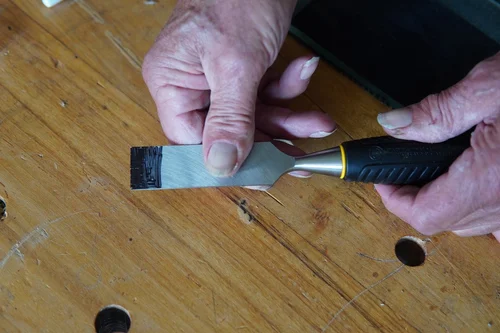
Credit: www.anneofalltrades.com
Choosing Quality Chisels
Choosing the right chisels is key to keeping your work precise. Good chisels help you cut cleanly and avoid mistakes. This guide explains how to pick chisels that last and work well.
Look for chisels that match your needs and have strong build quality. Knowing the types and materials helps you make a smart choice.
Types Of Chisels
There are different types of chisels for various tasks. Each type has a unique shape and use. Choose the right type to get accurate results.
- Bench chisels: Used for general woodworking and fine detail.
- Masonry chisels: Made for cutting stone or concrete.
- Paring chisels: Thin blades for delicate trimming.
- Mortise chisels: Strong and thick for cutting deep joints.
Materials And Build
The material of the blade and handle affects chisel accuracy and durability. Hard steel keeps edges sharp longer. Comfortable handles reduce hand strain.
| Material | Advantages | Disadvantages |
| High-Carbon Steel | Holds sharp edge well | Can rust without care |
| Chrome-Vanadium Steel | Strong and rust-resistant | More expensive |
| Plastic Handle | Lightweight and cheap | Less durable |
| Wood Handle | Comfortable grip | Needs maintenance |
Proper Storage Techniques
Keeping chisels stored properly helps keep their edges sharp and accurate. Good storage protects them from damage and rust.
Using the right storage methods saves you time and money by reducing the need for sharpening or repairs.
Protecting The Edge
Always cover the sharp edge of your chisels to prevent dulling and chipping. Avoid letting the edges touch hard surfaces.
Using edge guards or leather sleeves is a simple way to protect your chisels during storage and transport.
- Use plastic or rubber edge guards
- Wrap edges in cloth or leather
- Store chisels with edges facing up or away
- Keep chisels dry to avoid rust
Organizing Tools Safely
Store chisels in a tool rack or box with separate slots. This keeps each tool secure and easy to find.
Organizing your chisels prevents accidental damage and helps you keep track of all your tools.
- Use wooden or foam-lined racks
- Keep chisels upright or flat with space between
- Label storage spots for quick access
- Check storage areas regularly for moisture
Regular Sharpening Practices
Chisels need regular sharpening to keep their edges accurate. Sharp chisels cut cleanly and safely.
Keeping your chisels sharp saves time and improves your work quality. It also extends the tool’s life.
Selecting The Right Sharpening Tools
Choose sharpening tools that match your chisel type and skill level. Proper tools help maintain a sharp edge.
Common sharpening tools include whetstones, diamond stones, and honing guides. Each has a specific use.
- Whetstones are good for a smooth, sharp edge.
- Diamond stones work well for very hard steel.
- Honing guides keep the angle steady during sharpening.
- Leather strops polish the edge after sharpening.
Step-by-step Sharpening Process
Sharpen your chisel by following simple steps. This process helps keep the right cutting angle and edge.
- Start by cleaning the chisel blade to remove dirt and rust.
- Soak your whetstone in water if it requires soaking.
- Hold the chisel at the correct angle, usually 25 to 30 degrees.
- Move the blade across the stone in smooth, even strokes.
- Check the edge often for a consistent bevel and sharpness.
- Use finer grit stones to refine the edge after the initial sharpening.
- Finish by stropping the chisel on leather to polish the edge.

Credit: daitool.com
Maintaining The Bevel Angle
Keeping the bevel angle of your chisels consistent is key for accuracy. A correct bevel angle helps the chisel cut cleanly and safely.
Small changes in the bevel angle can affect the chisel’s performance. Regular checks and proper sharpening keep the angle right.
Importance Of Bevel Consistency
Consistent bevel angles make your chisels last longer. They also provide better control during cutting tasks.
- Ensures smooth and precise cuts
- Prevents uneven wear on the chisel edge
- Makes sharpening easier and faster
- Reduces the risk of slipping or damage
Tools For Angle Measurement
Using the right tools helps you keep the bevel angle accurate. These tools are simple to use and improve your sharpening results.
| Tool | Description | Use |
| Bevel Gauge | A small tool to measure and transfer angles | Set chisel bevel before sharpening |
| Digital Angle Finder | Electronic device showing precise angle readings | Check angle accuracy after sharpening |
| Protractor | Manual angle measuring tool with degree markings | Verify bevel angle by aligning with chisel edge |
Cleaning And Rust Prevention
Keeping chisels clean and free from rust helps keep their edges sharp and accurate.
Regular care prevents damage and extends the life of your tools.
Effective Cleaning Methods
Clean chisels after each use to remove dirt, sap, and metal particles. Use a soft cloth or brush to wipe the blade.
- Wipe off any wood shavings or dust.
- Use a mild detergent with warm water for sticky residue.
- Dry the chisel completely to avoid moisture buildup.
- For tough rust spots, gently scrub with fine steel wool or a rust eraser.
Applying Protective Coatings
Applying a protective layer helps stop rust from forming on metal parts.
| Type of Coating | Purpose | Application Tip |
| Light oil (e.g., mineral oil) | Protects from moisture | Apply thinly with a cloth |
| Wax paste | Creates a hard protective layer | Buff after applying |
| Rust inhibitor spray | Prevents oxidation | Use in well-ventilated area |

Credit: daitool.com
Checking For Damage
Maintaining chisels is essential for accurate woodworking. Checking for damage helps keep tools safe and effective.
Regular inspections reveal wear or faults that affect chisel performance. Early detection prevents bigger problems.
Identifying Common Wear Issues
Look closely at the blade edge for chips, dents, or dullness. These reduce cutting precision and can cause slipping.
- Check the blade for rust or corrosion spots.
- Inspect the handle for cracks or looseness.
- Examine the ferrule to ensure it is firmly attached.
- Look for bends or warping in the blade.
Repairing Or Replacing Components
Fix small blade chips by sharpening carefully. Deep damage may need blade replacement for safety.
| Component | Issue | Action |
| Blade | Chips or dullness | Sharpen or replace |
| Handle | Cracks or looseness | Repair or replace handle |
| Ferrule | Loose fitting | Tighten or replace ferrule |
| Blade | Bent or warped | Replace blade |
Using Chisels Correctly
Using chisels with care keeps them sharp and precise. Proper use helps you make clean cuts.
Good technique also protects your work and avoids injuries. Learn how to handle chisels well.
Proper Handling Techniques
Hold the chisel firmly but not too tight. Keep your hands away from the cutting edge.
- Use a wooden mallet, not a metal hammer, to strike the chisel.
- Cut away from your body for safety.
- Keep the bevel side down for most cuts.
- Rest the chisel on a stable surface while working.
- Sharpen the edge regularly for smooth cuts.
Avoiding Common Mistakes
Many users make avoidable errors that damage chisels or workpieces. Watch out for these.
| Mistake | Effect | How to Avoid |
|---|---|---|
| Using a dull chisel | Rough cuts and edge damage | Sharpen before use |
| Striking with a metal hammer | Chisel handle cracks | Use a wooden mallet |
| Cutting towards yourself | Risk of injury | Cut away from the body |
| Applying too much force | Chisel slips or breaks | Use controlled, steady taps |
| Ignoring edge maintenance | Poor accuracy and control | Hone the edge regularly |
Frequently Asked Questions
How Often Should Chisels Be Sharpened For Accuracy?
Chisels should be sharpened regularly, ideally after every few uses. Dull chisels reduce precision and increase effort. Frequent sharpening maintains a clean, sharp edge, ensuring accurate cuts and prolonging the tool’s life.
What Is The Best Way To Clean Chisels Before Use?
Clean chisels by wiping the blade with a dry cloth to remove dust and debris. Use a mild solvent if needed to remove resin or grease. Clean tools provide better control and prevent damage during use.
How Do I Store Chisels To Maintain Their Sharpness?
Store chisels in a protective case or rack, keeping blades covered. Avoid stacking chisels together to prevent edge damage. Proper storage keeps blades sharp and ready for precise work.
Can I Use Oil To Protect Chisels From Rust?
Yes, lightly oiling chisel blades after cleaning prevents rust. Use a thin layer of machine oil or mineral oil. This protection maintains blade quality and accuracy over time.
Conclusion
Chisel maintenance ensures precision in every woodwork project. Keep them clean. Regular sharpening prevents dullness. A sharp chisel makes tasks easier and safer. Store tools properly to avoid damage. Check handles for tightness to maintain control. Use oil to prevent rust and extend life.
Consistent care results in better performance. Skilled craftsmanship requires well-maintained tools. Enjoy smoother cuts and accurate results. Investing time in maintenance saves money long term. Follow these tips to keep your chisels ready. Achieve precise woodworking with properly cared-for chisels.
Happy crafting!