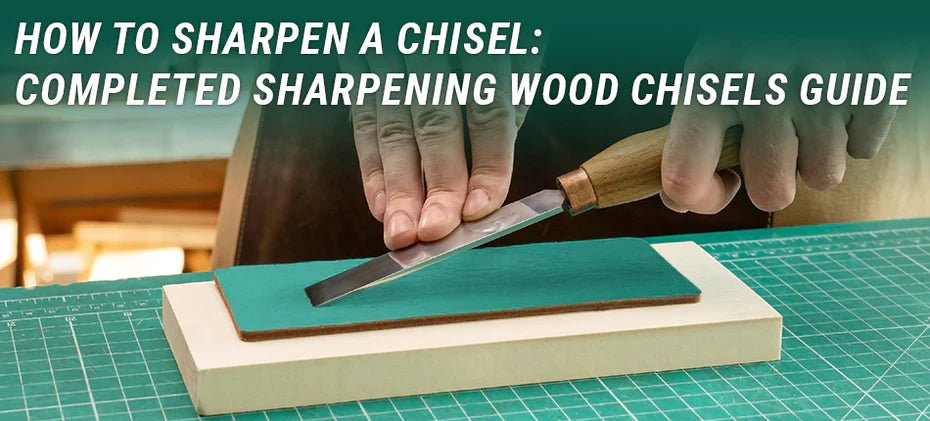
If you love woodworking, you know how important sharp, reliable chisels are. But do you ever wonder how to keep them in top shape?
Properly maintaining your chisels doesn’t just make your work easier—it saves you time, money, and frustration. In this guide, you’ll discover simple yet effective ways to care for your chisels, so they stay sharp and ready whenever you need them.
Keep reading, and you’ll learn tips that even experienced woodworkers wish they knew sooner. Your next project will thank you!
Choosing Quality Chisels
Good chisels make woodworking easier and safer. Choosing quality chisels helps keep your work clean and precise.
Quality chisels last longer and hold sharp edges better. This saves time on sharpening and repairs.
Types Of Woodworking Chisels
Woodworking chisels come in different shapes and sizes. Each type serves a special purpose in your projects.
- Bench Chisels: Used for general chopping and paring tasks
- Mortise Chisels: Made for cutting deep joints
- Paring Chisels: Thin and long for delicate trimming
- Firmer Chisels: Strong and thick for heavy work
- Corner Chisels: Designed to clean out corners
Materials And Construction
The blade material affects how long the chisel stays sharp. Most quality chisels use high-carbon or tool steel.
Handles can be wood or plastic. Wood handles offer good grip and absorb shock well.
- High-carbon steel blades hold edges well but need care to avoid rust.
- Tool steel blades resist wear and keep sharpness longer.
- Wood handles feel comfortable and last with proper care.
- Plastic handles resist moisture but may be less comfortable.
Recognizing Durable Brands
Durable brands use quality materials and have good reviews from woodworkers. They offer consistent sharpness and strong handles.
Look for brands that provide warranties or easy blade replacement. These show confidence in their product’s lifespan.
- Brands with good customer feedback
- Chisels made with high-quality steel
- Strong, well-finished handles
- Clear information on warranty or service

Credit: daitool.com
Proper Storage Techniques
Storing chisels correctly keeps them sharp and safe. Good storage stops damage and rust.
Learn how to store chisels to protect their edges and handles for a long time.
Preventing Rust And Corrosion
Rust and corrosion weaken chisels and make them unsafe. Keep chisels dry and clean after use.
- Wipe chisels with an oily cloth before storing.
- Use rust inhibitors or a light coating of machine oil.
- Store chisels in a dry place with low humidity.
- Avoid leaving chisels in damp areas or outside.
Safe Storage Options
Choose storage that protects chisels from damage and keeps them organized. Proper cases and racks work well.
| Storage Type | Benefits | Notes |
| Wooden Rack | Holds chisels upright, easy access | Keep rack dry to avoid moisture |
| Leather Roll | Protects blades and is portable | Oil leather to maintain flexibility |
| Plastic Case | Lightweight and keeps dust out | Use foam inserts for extra blade safety |
| Magnetic Strip | Saves space and displays tools | Check for rust under magnets regularly |
Organizing Your Chisel Collection
Keep chisels sorted by size and type. This saves time and prevents damage from mixing blades.
- Label storage slots or cases for each chisel size.
- Separate sharp edges with blade guards or cloth.
- Group chisels by use, such as carving or paring.
- Check and rearrange your collection regularly.
Sharpening Methods
Keeping chisels sharp is important for clean cuts and safety. Sharpening helps maintain the edge and improves woodworking results.
There are different ways to sharpen chisels. Each method needs the right tools and careful steps to get a sharp blade.
Tools For Sharpening
Good tools make sharpening easier and more effective. Some common tools include stones and guides to keep angles steady.
- Whetstones: coarse, medium, and fine grits for different sharpening stages
- Honing guides: help keep the chisel at the right angle
- Leather strop: used for final polishing and removing burrs
- Water or oil: used to lubricate sharpening stones
- Diamond plates: good for quick sharpening and flatting stones
Step-by-step Sharpening Guide
Follow these steps to sharpen your chisels safely and well. Take your time and check the edge often.
- Clean the chisel to remove dirt and rust.
- Set the honing guide to match the chisel’s bevel angle.
- Start with the coarse grit stone. Move the chisel back and forth evenly.
- Check for a burr on the edge, which means sharpening worked.
- Move to medium grit to smooth the edge.
- Use fine grit for a sharp finish.
- Strop the edge on leather to polish and remove burrs.
- Test the sharpness by carefully cutting wood or shaving thin curls.
Maintaining The Correct Bevel Angle
Keeping the bevel angle correct is key for sharpness and control. The angle depends on the chisel type and use.
Most chisels have a bevel angle between 25 and 30 degrees. Use a honing guide to keep this angle steady while sharpening.
- Too steep angle makes the edge strong but less sharp.
- Too shallow angle sharpens well but dulls fast.
- Check the manufacturer’s recommended angle if possible.
- Use a bevel gauge or angle guide to measure and set the angle.
- Practice keeping the chisel steady during sharpening.
Regular Cleaning Routines
Keeping your chisels clean helps them last longer and work better. Dirt and resin can damage the blade if not removed.
Regular cleaning protects the sharp edge and prevents rust. It also makes your woodworking safer and easier.
Removing Resin And Debris
Resin and wood chips stick to chisels after use. Remove these to keep the blade smooth and sharp.
Use a plastic scraper or cloth to gently clean the blade. Avoid metal scrapers that can scratch the surface.
- Soak the blade in warm, soapy water if resin is hard.
- Use a soft brush to remove stuck debris.
- Dry the blade thoroughly before storing.
Using Oil And Protectants
Oiling chisels stops rust and keeps the metal strong. Use light machine oil or specialized blade oil.
Apply a thin layer of oil after cleaning and drying the blade. Wipe off extra oil to avoid sticky buildup.
- Use mineral oil or camellia oil for protection.
- Apply oil with a soft cloth or paper towel.
- Store chisels in a dry place to keep oil effective.
Cleaning After Each Use
Cleaning chisels right after use prevents buildup and damage. It keeps them ready for the next project.
Wipe the blade clean and dry every time you finish. Check the handle for dirt and fix any loose parts.
- Remove dust and chips with a dry cloth.
- Inspect the blade edge for any dull spots.
- Store chisels safely in a rack or case.
Handling And Usage Tips
Keeping chisels in good shape helps you work well and stay safe. Proper handling and use extend the tool’s life.
Learn how to use chisels correctly. Avoid damage and follow safe hammering methods.
Using The Right Techniques
Hold the chisel firmly but do not squeeze too hard. Use steady, controlled cuts for better results.
Keep the blade angled properly to avoid slipping. Work slowly when removing wood in thin layers.
- Hold the handle close to the blade for control
- Push the chisel forward with steady pressure
- Use the bevel side facing down for clean cuts
Avoiding Damage During Work
Never use a chisel on metal or hard materials. This can dull or chip the blade quickly.
Do not twist the chisel when cutting. Twisting can bend or break the edge.
- Use a bench vise to hold the wood steady
- Remove nails or screws before chiseling
- Keep the blade sharp to reduce force needed
Safe Hammering Practices
Use a wooden or rubber mallet instead of a metal hammer. This protects the chisel handle.
Strike the chisel handle straight and with moderate force. Avoid hitting it at an angle.
- Check the mallet for cracks before use
- Wear safety glasses to protect your eyes
- Keep your hands clear of the blade path

Credit: daitool.com
Repairing Damaged Chisels
Chisels often get damaged during woodworking. Fixing them keeps your tools sharp and safe to use. Repairing chisels can save money and improve your work quality.
This guide explains how to fix common chisel problems. You will learn how to fix nicks, reshape blades, and replace handles.
Fixing Nicks And Chips
Small nicks and chips on the blade edge can cause rough cuts. You need to remove these imperfections to restore a smooth edge.
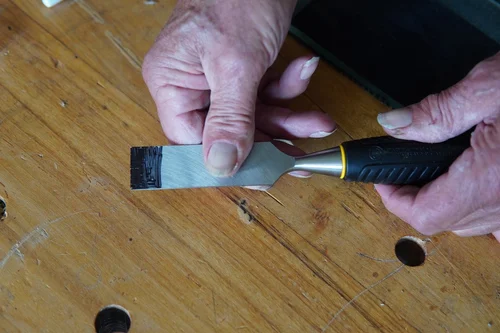
- Use a sharpening stone or fine file to gently smooth out the nicked area.
- Start with coarse grit and move to finer grit for a sharp finish.
- Keep the blade angle consistent while sharpening.
- Check the edge by running your finger lightly—no rough spots should remain.
Reshaping The Blade
Sometimes the blade loses its shape or gets bent. Reshaping the blade restores its original form and cutting ability.
| Tool | Purpose | Tips |
| Bench Grinder | Remove metal to reshape blade | Use low speed to avoid overheating |
| Sharpening Stone | Refine blade edge | Use consistent angle, apply water or oil |
| File | Adjust small bends or edges | Use smooth, even strokes |
Replacing Handles
Damaged handles affect grip and safety. Replacing the handle is simple and improves comfort.
Follow these steps to replace a chisel handle:
- Remove the old handle by loosening any wedges and pulling it off.
- Choose a new handle that fits the tang size.
- Insert the tang into the new handle carefully.
- Secure the handle with a wooden wedge for a tight fit.
- Sand the handle for smoothness and apply oil for protection.
Credit: www.anneofalltrades.com
Frequently Asked Questions
How Do You Sharpen Woodworking Chisels Effectively?
To sharpen chisels, use a whetstone or sharpening stone. Start with a coarse grit to refine the edge. Finish with a fine grit for a polished finish. Maintain a consistent angle while sharpening. Regular honing keeps the chisel sharp for longer.
Proper sharpening enhances cutting efficiency and prolongs tool life.
How Often Should Chisels Be Maintained?
Chisels should be honed regularly, ideally after every few hours of use. Sharpen them when they become dull. Regular maintenance ensures optimal performance. Inspect for rust and clean them monthly. Proper care extends their lifespan and enhances woodworking precision.
What Is The Best Way To Store Chisels?
Store chisels in a dry, cool place to prevent rust. Use a tool roll or wooden rack for organization. Keep them away from moisture and direct sunlight. Cover the blades to avoid accidental damage. Proper storage maintains their sharpness and prolongs their usability.
Can Rust On Chisels Be Removed Easily?
Yes, rust can be removed using rust erasers or fine steel wool. Apply light pressure to avoid scratching. Follow with a protective oil coating to prevent future rust. Regular cleaning and oiling keep chisels rust-free and ready for precise woodworking.
Conclusion
Keeping chisels sharp and clean helps you work better and longer. Regularly check the blade for rust or damage. Use a sharpening stone to maintain a sharp edge. Store chisels in a dry place to avoid rust. Take care of your tools, and they will take care of you.
Simple steps bring big results in woodworking. Practice these habits to enjoy smooth, precise cuts every time. Your chisels will last longer and perform well with proper care. Keep your woodworking tools ready for the next project.
