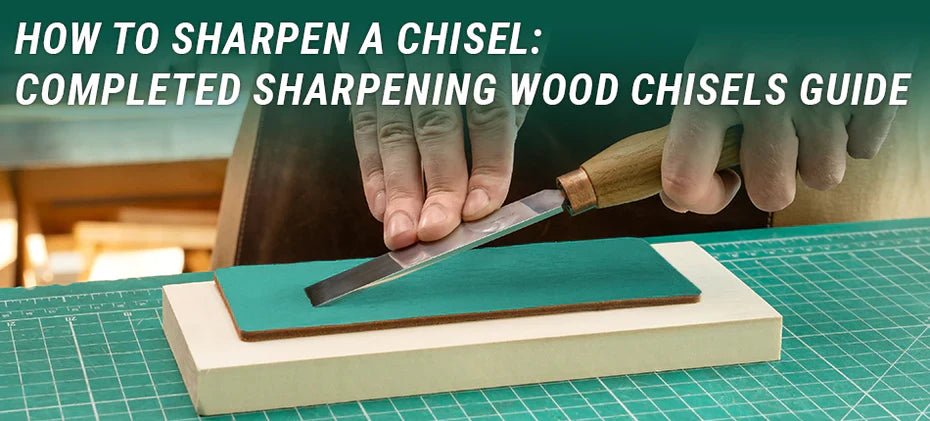
If you love woodworking, you know how important sharp, well-maintained chisels are. But how often do you stop to care for them?
Your chisels can lose their edge quickly, making your work harder and less precise. Imagine slicing through wood smoothly, with tools that feel like an extension of your hand. This isn’t just a dream—it’s something you can achieve with the right maintenance.
Keep reading to discover simple, effective ways to keep your chisels in top shape, so every cut you make is clean, sharp, and satisfying.
Choosing Quality Chisels
Choosing quality chisels is important for woodworking. Good chisels make cutting and shaping wood easier.
Quality chisels last longer and stay sharp. They help you work safely and precisely.
Materials That Matter
Chisel blades are made from different metals. The metal affects sharpness and strength.
High carbon steel holds a sharp edge longer. It is strong but can rust if not cared for.
- High carbon steel: sharp and strong, needs oil to prevent rust
- Chrome vanadium steel: durable and rust-resistant
- Stainless steel: rust-resistant, but may dull faster
Handle Types And Comfort
Chisel handles come in wood, plastic, or composite materials. The handle affects comfort and control.
Wood handles feel warm and natural. Plastic handles are durable and easy to clean.
- Wood: comfortable, traditional look, may crack over time
- Plastic: durable, resists moisture, can be slippery
- Composite: strong and comfortable, often shock-absorbing

Credit: daitool.com
Cleaning After Use
Cleaning your chisels right after using them keeps them sharp and safe. Dirt and wood bits can harm the blade if left on.
Proper cleaning also helps stop damage like rust and corrosion. This saves you money on repairs and replacements.
Removing Wood Residue
Wood residue can stick to the blade and handle after use. Removing it prevents buildup and keeps the chisel working well.
- Use a soft cloth to wipe off loose wood chips.
- For stuck residue, dampen the cloth slightly with water.
- Gently scrape hardened bits with a plastic scraper.
- Dry the chisel completely after cleaning to avoid moisture damage.
Preventing Rust And Corrosion
Rust forms when metal meets moisture. Taking care of your chisels stops rust and keeps them strong.
| Prevention Method | How to Apply |
|---|---|
| Oil the Blade | Put a thin layer of machine oil on the blade after drying it. |
| Use Rust Inhibitor | Spray rust inhibitor spray to protect metal surfaces. |
| Store in Dry Place | Keep chisels in a dry toolbox or cabinet. |
| Use Protective Covers | Cover blades with plastic or leather guards when not in use. |
Sharpening Techniques
Sharpening chisels keeps them effective and safe to use. Dull chisels can cause accidents and rough cuts.
Using the right tools and methods helps maintain a sharp edge for woodworking projects.
Selecting The Right Sharpening Tools
Choose sharpening tools based on your chisel type and skill level. Common tools include whetstones, honing guides, and leather strops.
- Whetstones for grinding and polishing edges
- Honing guides to keep the angle steady
- Leather strops for final edge refinement
- Diamond stones for hard steels
Step-by-step Sharpening Process
Follow a clear process to sharpen chisels evenly and safely. Use water or oil on stones as needed for lubrication.
- Secure the chisel in a honing guide.
- Start with coarse grit on the whetstone.
- Slide the chisel edge back and forth evenly.
- Move to medium grit to smooth the edge.
- Finish with fine grit for a sharp, polished edge.
- Use a leather strop to remove burrs and polish.
Maintaining The Bevel Angle
Keeping the bevel angle consistent is key for sharp chisels. Use tools or marks to check your angle.
| Bevel Angle | Use |
| 25° | General woodworking |
| 30° | Heavy-duty chisels |
| 20° | Paring chisels for fine work |
Proper Storage Solutions
Keeping chisels in good shape needs careful storage. Proper storage stops damage and keeps chisels sharp.
Choosing the right place to store chisels makes them last longer and work better.
Protective Cases And Holders
Use cases or holders made for chisels to keep them safe. These protect blades from hitting other tools.
Wood, leather, or plastic holders keep chisels organized and stop damage to edges and handles.
- Leather rolls keep chisels from rubbing together
- Wooden racks hold chisels upright and easy to reach
- Plastic cases protect chisels during travel
- Magnetic holders keep chisels in place on metal surfaces
Avoiding Moisture Damage
Moisture causes rust and weakens chisel metal. Keep chisels dry to avoid rust.
Store chisels in a dry place with low humidity. Use moisture absorbers if needed.
- Use silica gel packs in chisel cases
- Keep chisels away from damp basements or garages
- Wipe chisels dry before storing after use
- Apply light oil to metal parts for extra protection
Regular Inspection Tips
Regularly checking your chisels helps keep them in good shape. It also makes your woodworking safer and easier.
Look closely at the blade and handle before each use. Catch small problems early to avoid bigger damage.
Checking For Blade Damage
Inspect the blade for chips, cracks, or dullness. A sharp blade cuts better and is safer to use.
Check the edge under good light. Run your finger gently along the blade to feel for rough spots.
- Look for small chips or dents on the cutting edge
- Check for rust or corrosion on the blade surface
- Test sharpness by cutting a scrap piece of wood
- Note any bends or warps in the blade
Handle Integrity And Repairs
Examine the handle for cracks, splits, or looseness. A strong handle helps control the chisel safely.
If the handle is loose, tighten or replace it. Repair small cracks with wood glue and clamps.
- Look for cracks or splits in the wood or plastic handle
- Check if the handle fits tightly on the blade tang
- Replace handles that are damaged or weak
- Use wood glue to fix minor cracks and clamp until dry

Credit: daitool.com
Lubrication And Rust Prevention
Keeping your chisels in good shape helps them last longer and work better. Lubrication and stopping rust are key parts of caring for your chisels.
Regular care prevents damage and keeps the metal sharp and smooth. This guide explains how to choose oils and apply them properly.
Choosing Suitable Oils
Pick oils that protect metal and do not dry out quickly. Some oils work better for woodworking tools than others.
Light machine oils and mineral oils are good choices. They stop rust and keep the metal moving smoothly.
- Light machine oil: Easy to apply and protects well
- Mineral oil: Safe and prevents rust without smell
- Tung oil: Natural option that adds shine
- WD-40: Good for rust removal but not for long-term lubrication
Application Methods
Clean the chisel before applying oil. Dirt and dust can cause scratches or block protection.
Use a soft cloth or brush to spread the oil evenly on the metal parts. Avoid getting oil on wooden handles.
- Wipe the blade with a dry cloth first
- Apply a small amount of oil on a cloth or brush
- Cover the metal surface evenly with oil
- Let it sit for a few minutes to soak in
- Wipe off any extra oil to avoid sticky residue
Safe Usage Practices
Using chisels safely protects you and keeps your tools in good shape. Always pay attention to how you hold and use the chisel. This helps avoid accidents and damage.
Focus on steady control and proper technique. This makes woodworking easier and safer.
Applying Correct Force
Do not use too much force when working with chisels. Pressing hard can cause the blade to slip or break. Use smooth and controlled pressure instead.
- Hold the chisel firmly but not tightly.
- Tap gently with a mallet for better control.
- Let the sharp blade do the cutting, not your strength.
- Stop if the tool feels stuck or if the wood resists too much.
Using The Right Techniques
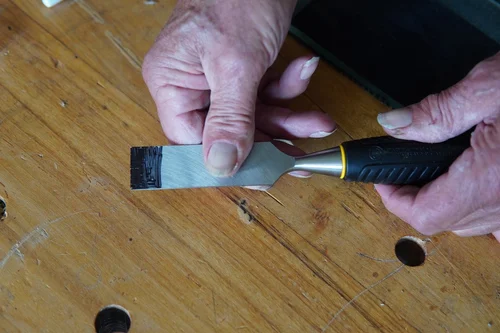
Correct technique ensures clean cuts and keeps you safe. Always cut away from your body and hands. Keep your fingers clear of the blade path.
| Technique | Why It Matters |
|---|---|
| Cut Away from Body | Prevents injury if chisel slips |
| Sharp Blade | Requires less force and cuts cleaner |
| Secure Wood | Keeps wood from moving unexpectedly |
| Use Both Hands | Gives better control and stability |
Credit: www.anneofalltrades.com
Frequently Asked Questions
How Often Should I Sharpen Woodworking Chisels?
Sharpen chisels regularly to maintain precision. For frequent use, sharpen every few weeks. Less frequent users can sharpen monthly. Dull chisels reduce accuracy and increase effort. Proper sharpening keeps edges sharp and safe.
What’s The Best Way To Clean Chisels After Use?
Wipe chisels with a dry cloth to remove debris. Use mineral oil to prevent rust. Avoid water, which causes corrosion. Clean blades ensure longer tool life and better performance.
How Do I Store Chisels To Prevent Damage?
Store chisels in a dry place, away from moisture. Use a dedicated tool roll or wooden rack. Protect blades with blade guards or covers. Proper storage prevents rust and keeps edges sharp.
Can I Use Household Items To Sharpen Chisels?
Yes, you can use whetstones or sharpening stones. Avoid using knives or sandpaper, which damage blades. Use consistent angles while sharpening for best results. Household items save cost but require care.
Conclusion
Keeping chisels sharp makes woodworking easier and safer. Regular cleaning and oiling prevent rust. Store them in a dry place. Always check for nicks and repair them promptly. Use a honing guide for precise sharpening. Pay attention to angles while sharpening.
Avoid using chisels on unsuitable materials. Proper maintenance extends their lifespan. Practice good habits regularly. Remember, a well-maintained chisel enhances your woodworking experience. Your projects will reflect the care you give your tools. Stay consistent, and enjoy the results. Happy woodworking!